The end of the kitchen table office
Stop trying to run a business from your breakfast bar. It doesn't work. I've seen too many owner-builders spend six figures on a beautiful new home only to end up hunched over a laptop on a 900mm high stone benchtop, killing their backs and losing their minds. If you are at the stage where you are still shuffling floor plans around, now is the time to get serious about where the work actually happens. We've moved past the era where a 'study' was just a dark cupboard under the stairs or a tiny 2m x 2m box where you stored the vacuum cleaner. In 2024, the home office is the engine room of the Australian household.
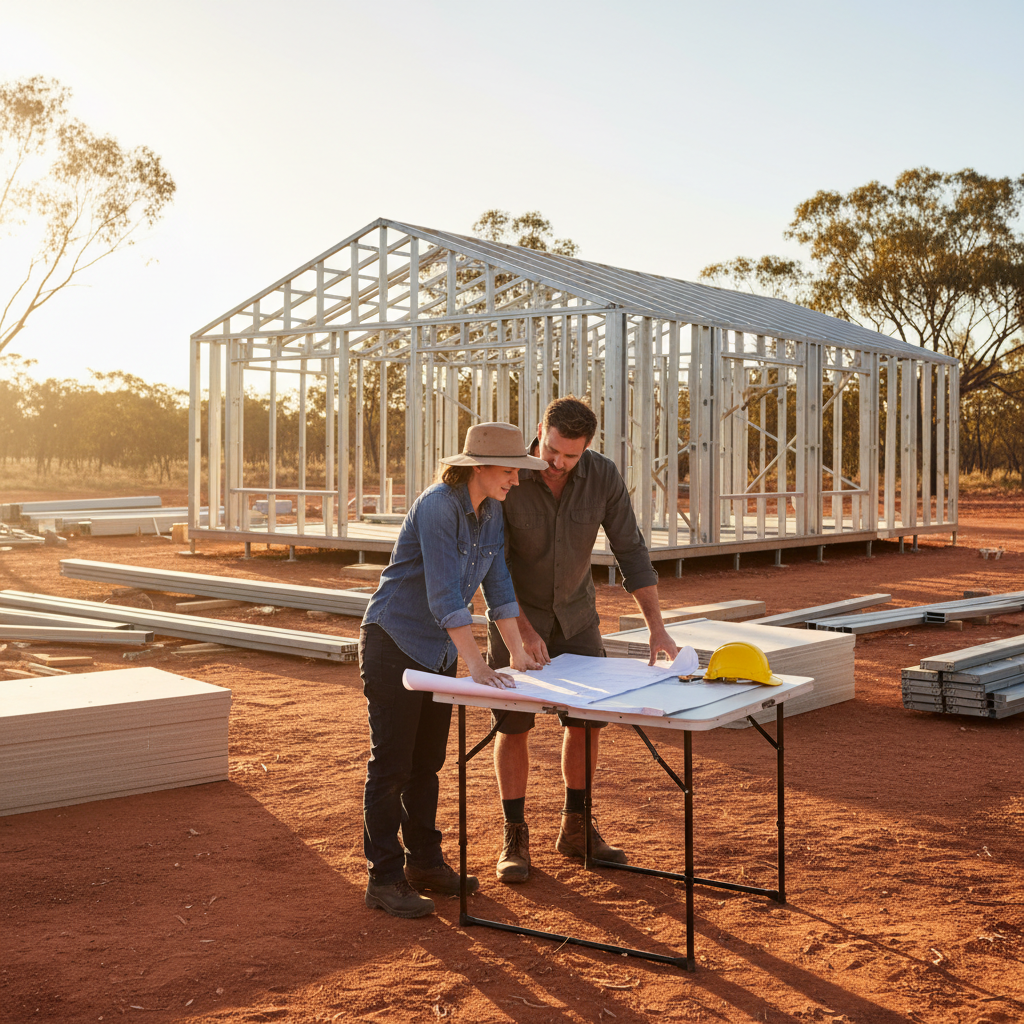
Building with a steel frame gives you a massive advantage here. Because we're using TRUECORE steel, you get those dead-straight lines and the ability to span larger distances without bulky internal load-bearing walls getting in the way. This means you can design an open-plan living area that still feels connected to a glass-walled office space. It looks sharp. It feels professional. Plus, you won't have to deal with the frame twisting or warping over time, which is a nightmare when you're trying to install custom joinery or those floor-to-ceiling bookshelves you saw on Instagram.
Zoning for sanity and silence
Let's talk about the 'acoustic divorce'. That's what happens when your office shares a thin wall with the TV room or the kids' playroom. When you're planning your kit home layout, you need to think about physical separation. Position the office at the opposite end of the house from the bedrooms and main living hubs. If you can, put a bathroom or a laundry room in between as a buffer zone. It's about creating a mental shift. When you walk down the hallway and turn that corner, you're at work.
Don't skimp on the insulation. While your kit comes with standard insulation, I always tell people to look at internal acoustic batts for the office walls. Since you're the owner-builder, you're the one on site tossing the batts into the wall cavities before the plaster goes up. Spend the extra couple of hundred bucks on high-density acoustic insulation for those four office walls. You'll thank me when the neighbor starts his whipper-snipper right in the middle of your Zoom call. It's a small detail that makes a world of difference to your daily stress levels.
Light, air, and not staring at a wall
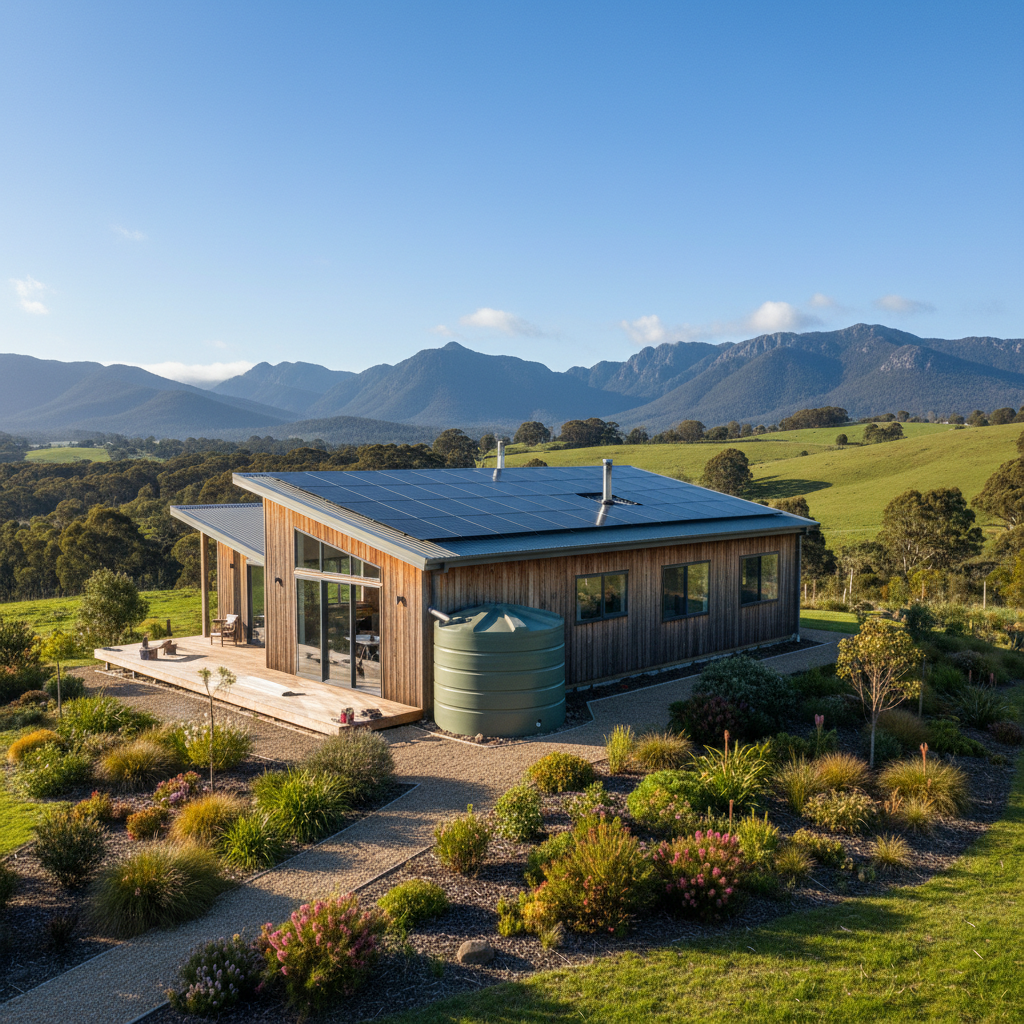
I see people make the mistake of tucking the desk into a corner facing a blank wall. It's depressing. You're building in Australia. We have the best light in the world. Use it. Position your office so you have a view of the garden or the street. If your block has a North-facing aspect, grab it. Natural light keeps you awake and saves you a fortune on the electricity bill. Just be careful with glare on your monitors. I reckon the best setup is having the window to your side, not directly behind you where it reflects off the screen, and not directly in front of you where it hurts your eyes by lunchtime.
Cross-ventilation is another big one. Make sure your office has an operable window. Air conditioning is great, but nothing beats a breeze through the house on a spring afternoon in Queensland or an October day in Perth. Since your kit home features precisely engineered window openings, you can plan these views down to the millimeter. I've had customers in Gippsland who specifically placed their office window to frame a particular gum tree on their property. That's the beauty of building it yourself.
Technical specs for the owner-builder
Wiring. It sounds boring, but it's the backbone of a good office. When your sparky comes in for the rough-in, don't just ask for a couple of power points. Double whatever you think you need. Then double it again. You'll have printers, monitors, chargers, scanners, and lamps. Running extension cords across a brand new floor is a crime. Also, get data points (Cat6) hardwired into the office. Relying on Wi-Fi in a steel-framed house can occasionally be finicky because the metal can interfere with signals if the router is tucked away in some far-off corner of the house. Hardwiring your main PC ensures you never drop out during a high-stakes meeting.
Spacing matters, too. If you're planning on heavy cabinetry or standing desks that bolt to the wall, tell us during the design phase. We can ensure the steel studs are spaced exactly where you need them for extra support. Steel is incredibly strong, but you want to know where your fixing points are before the gyprock goes on. It beats poking holes in the wall later looking for a stud. Real tradespeople plan ahead; they don't wing it on the day.
Storage and the death of clutter
A messy office is a messy mind. Integrate built-in storage from day one. Because kit homes allow for a high degree of interior customization during the fit-out, you can design wall-to-wall cabinetry that hides the printer, the shredder, and all those dusty folders. Use the vertical space. Most of our designs have generous ceiling heights, so take those cupboards all the way to the top. It makes the room look bigger and gives you a spot for the tax records you only touch once a year.
Think about the flooring too. If you're going to be rolling around in an office chair all day, your plush bedroom carpet will be ruined in six months. Think about a hardwearing hybrid floor or polished concrete. It's easier to clean, and it looks a lot more professional if you ever have clients drop by. Plus, it handles the Australian dust a lot better than carpet ever will.
The external entrance option
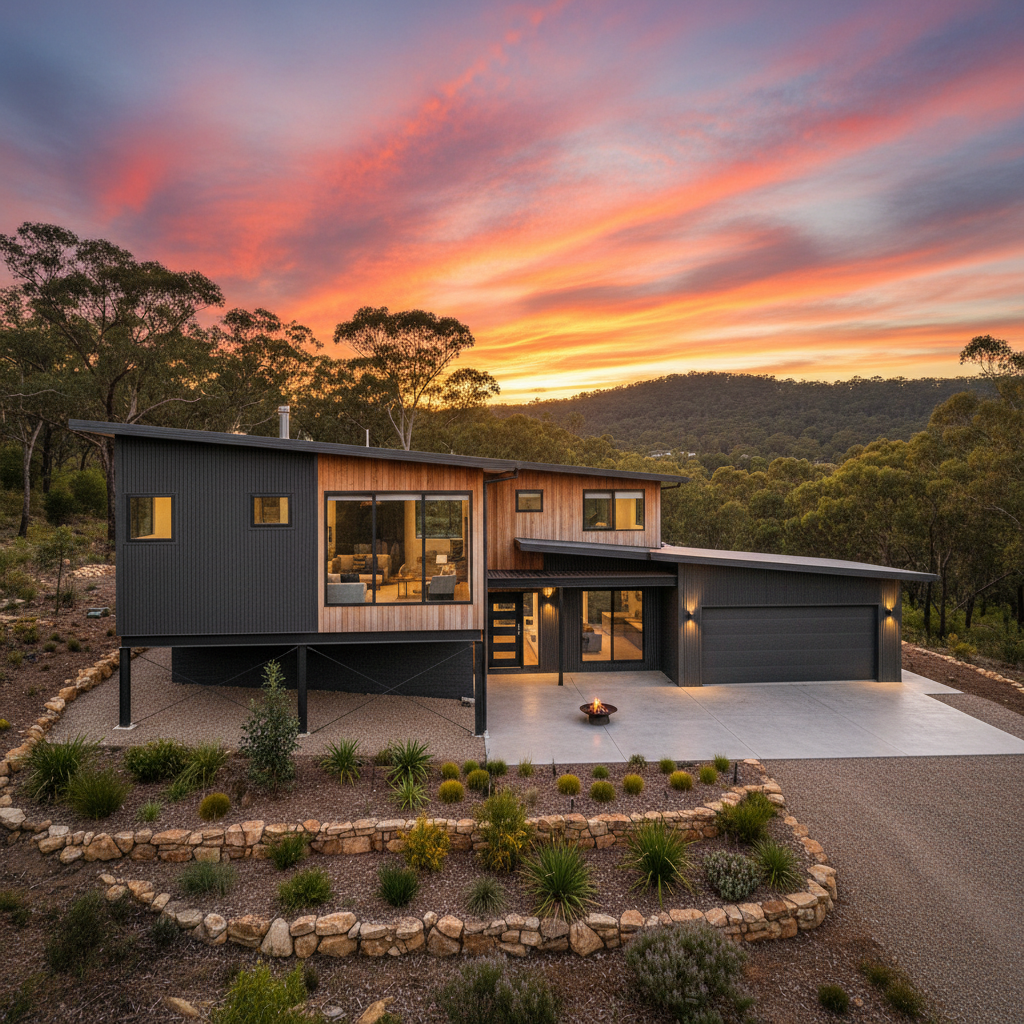
If you're running a business that involves visitors, consider a plan with an external door leading directly into the office. This is a massive life-changer. It means your clients aren't walking past your unwashed breakfast dishes or your kid's LEGO collection on their way to a meeting. It keeps your home life private and your work life professional. Several of our floor plans can be easily modified to include a glass sliding door or a timber entry door specifically for the office wing. It's a small change at the design stage that adds heaps of value to the property if you ever decide to sell.
And let's not overlook the deck. If your office opens out onto a small verandah or deck area, use it. Taking a coffee break outside for ten minutes makes you five times more productive when you sit back down. Since our kits include everything from the rafters to the roofing, you can extend that roofline to cover an outdoor nook quite easily. It's that indoor-outdoor flow that defines modern Australian architecture.
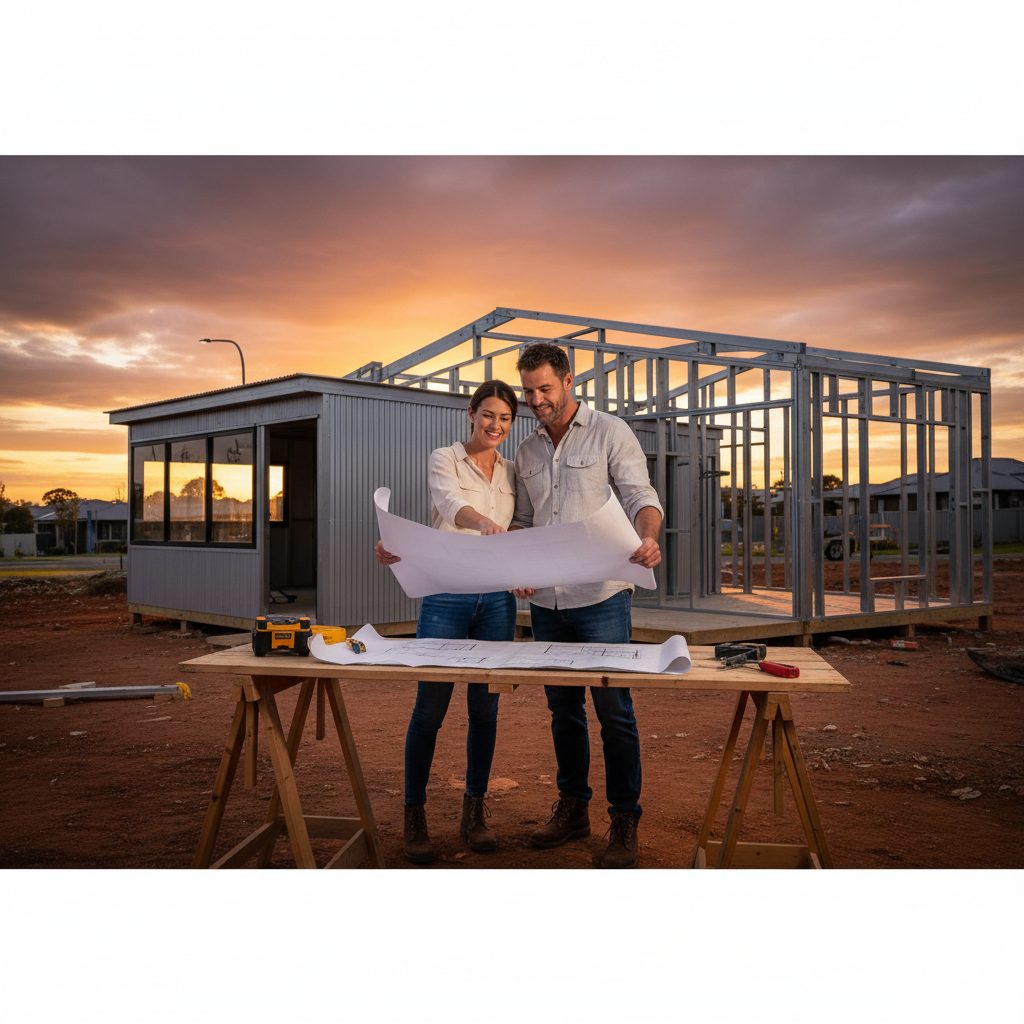
Building a kit home as an owner-builder is a massive undertaking, but it gives you the power to make these calls. You aren't stuck with a cookie-cutter layout from a volume builder who doesn't know your workflow. You're in charge. Use that freedom to build a space that actually makes your life easier. Get the steel frame sorted, get your zones right, and stop working from the couch. Your back, your boss, and your family will all be better off for it.