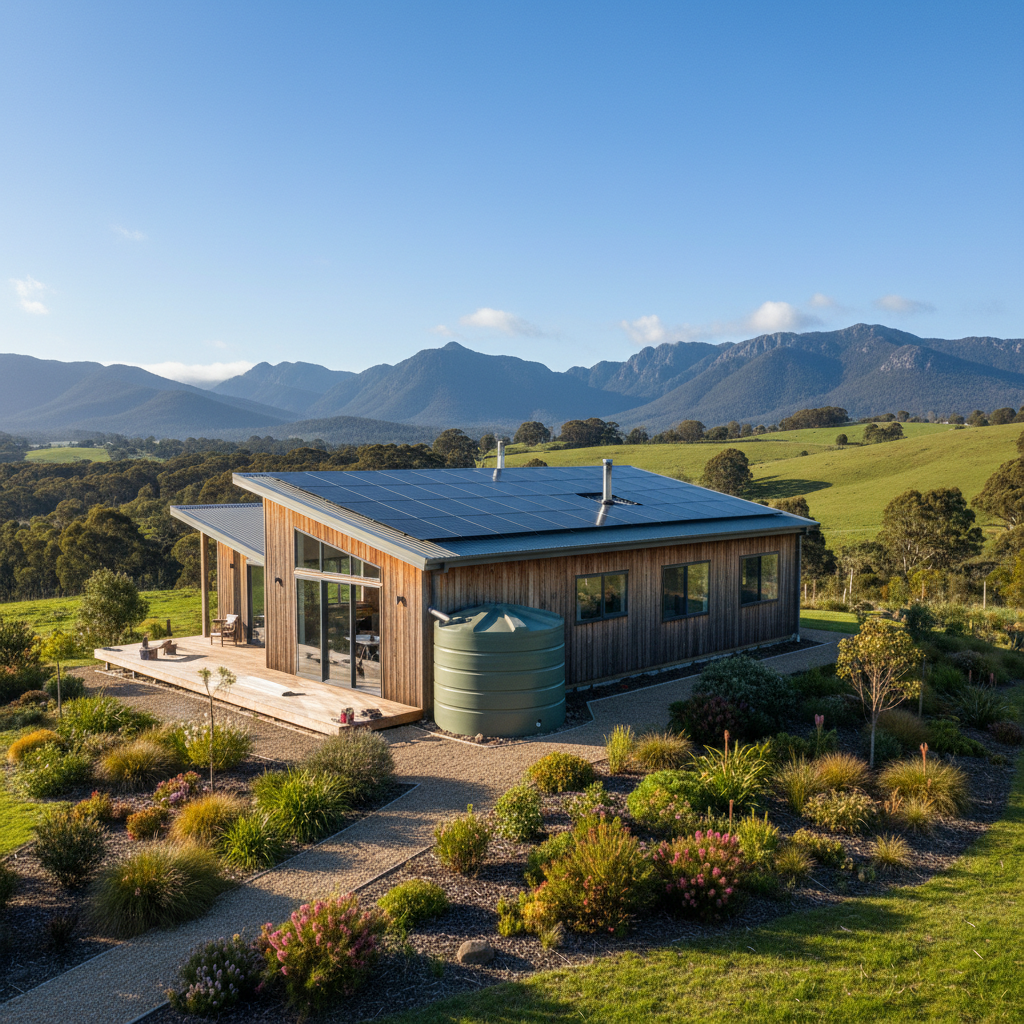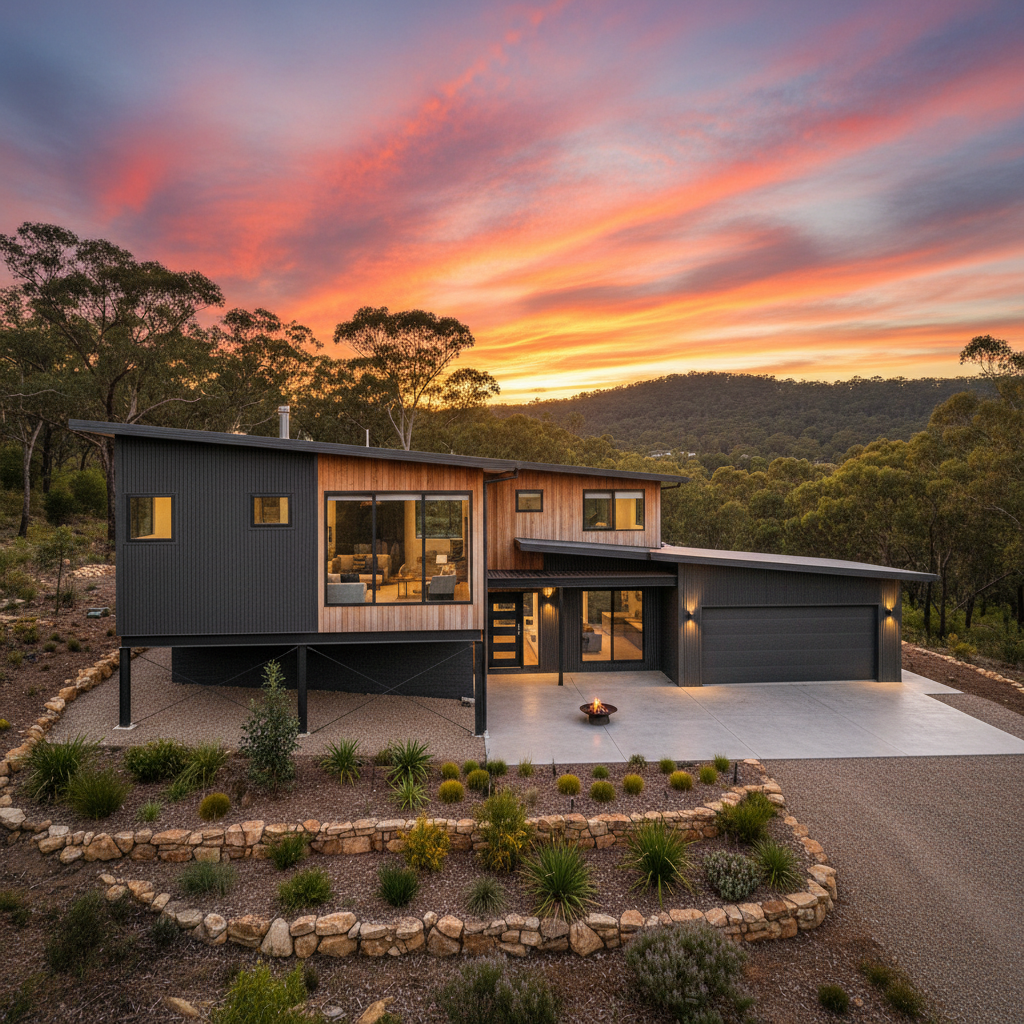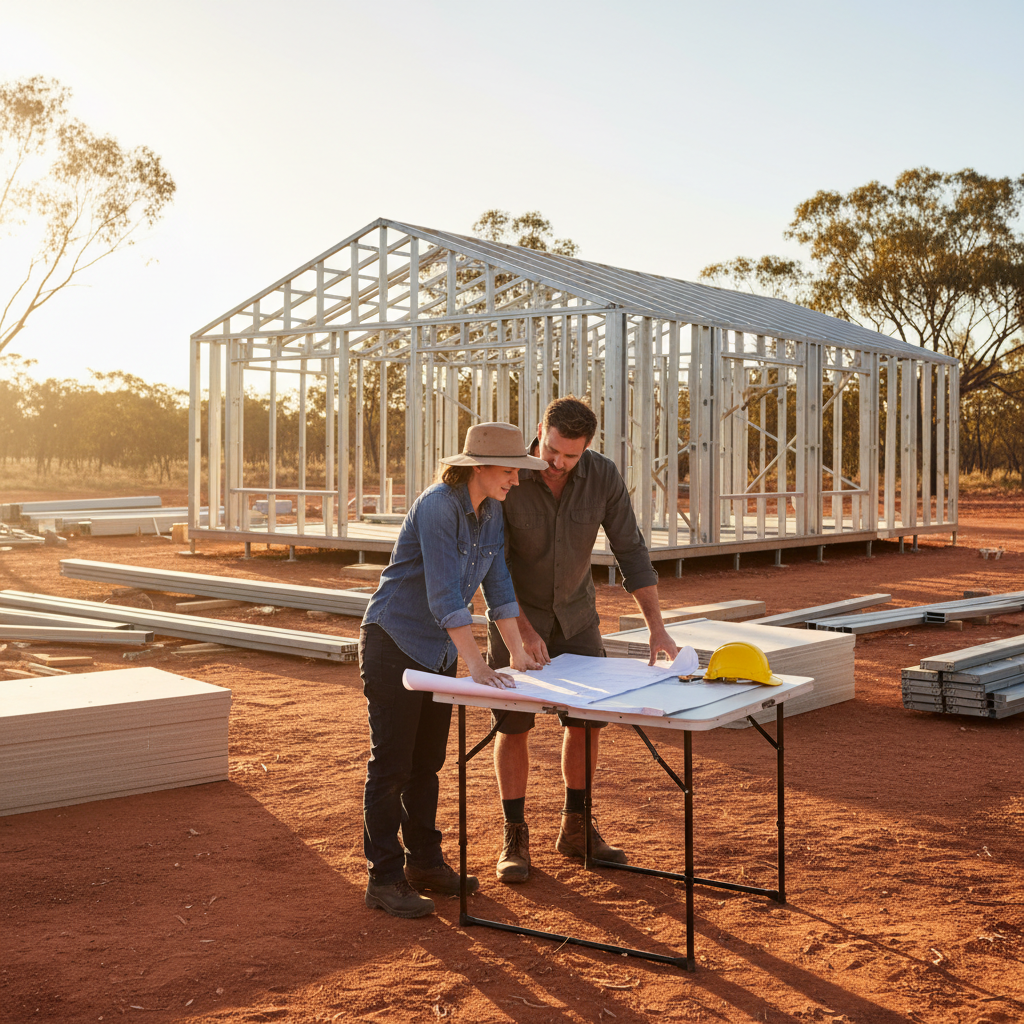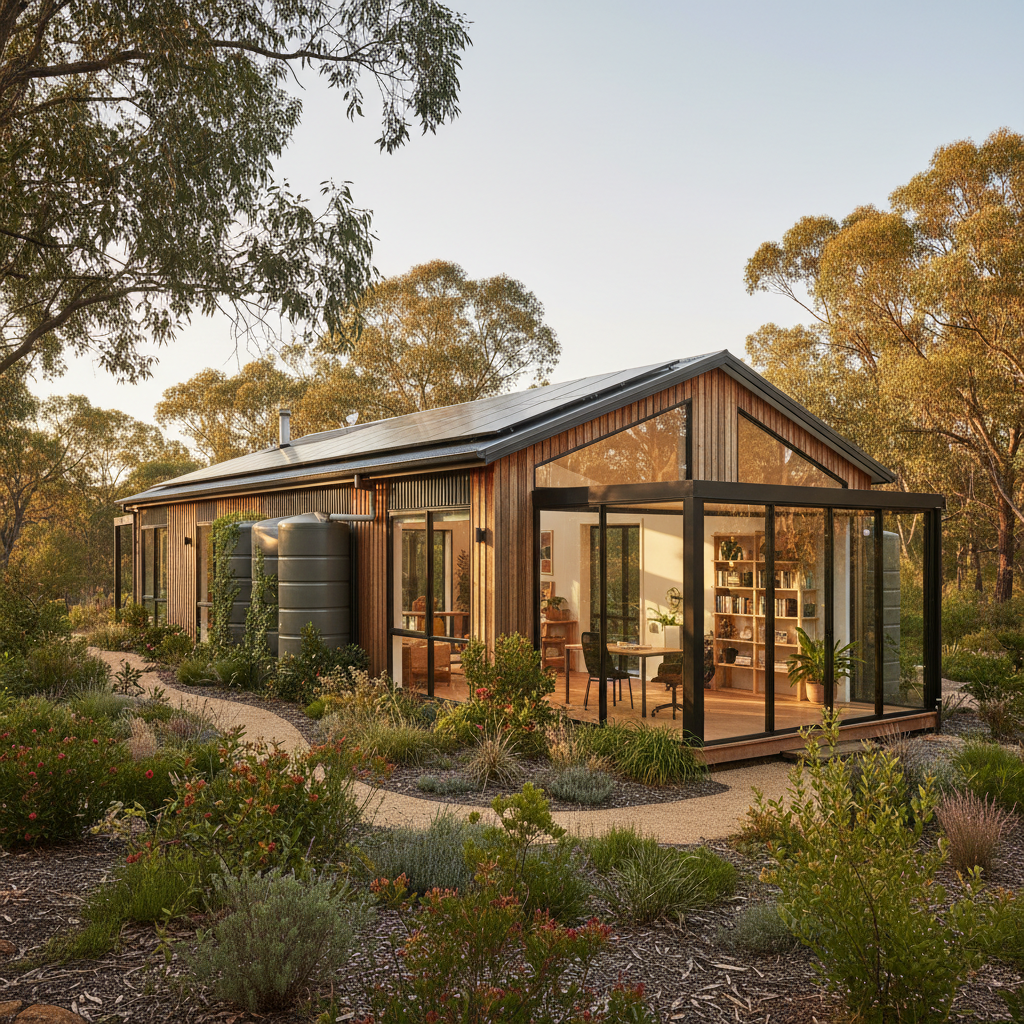
Nobody wants to spend their Monday morning staring at a pile of dirty breakfast dishes while they try to draft a technical report. I've seen it a hundred times in the last few years. People buy a beautiful three-bedroom floor plan, move in, and then realize they've got nowhere to tuck the computer except the spare room that's already full of old gym gear and out-of-season blankets. It's a mess. If you're looking at kit home designs right now, you need to think about the 'office' as more than just a desk shoved in a corner. It's a lifestyle choice that dictates how much you'll actually enjoy living in your new place once the dust settles and the occupancy certificate is signed.
The Death of the Spare Bedroom Office
The old way of thinking was simple. You'd just use a bedroom. But bedrooms are meant for sleeping. They often have small windows, they're tucked away in the quietest, darkest part of the house, and they feel disconnected. When you're building a kit home, you have the chance to be smarter. I reckon the best designs I've worked on lately are the ones that treat the workspace like a high-traffic zone. It needs airflow. It needs the right height for power points, at least 450mm off the floor so you aren't crawling under the desk like a spider every time you need to plug in a monitor.
Consider the orientation of your block. If you're building out in a place like Mudgee or towards the more rugged parts of the Sunshine Coast hinterland, you want that morning sun hitting your workspace. Not directly on your screen, obviously, because glare is the enemy of productivity. But a splash of light on the wall behind you makes a massive difference to your mood at 9am on a Tuesday. Because we use BlueScope TRUECORE steel for our frames, you've got a bit of flexibility with internal non-load-bearing walls. You can create a 'snug' or a recessed nook that doesn't eat into your open-plan living area but still gives you a dedicated zone.
Nooks vs. Dedicated Rooms
Small footprints are popular right now. People are tired of cleaning five-bedroom mansions. A study nook integrated into a hallway or a wide transition space is often better than a tiny, cramped room with no ventilation. If you go the nook route, make it deep. A standard 600mm kitchen bench is too shallow for most office setups once you factor in cables and a second screen. Aim for 750mm. It sounds like a small shift, but your forearms will thank you for it. Plus, if you're using steel frames, you can specify exactly where those studs are going to be to support heavy floating timber desks without needing massive bulky brackets that you'll just bang your knees on.
Acoustics and the Steel Frame Factor
One thing people worry about with steel is the noise. They think it's going to be like living inside a tin can. It's not. But sound travel is a real issue when one person is on a Zoom call and the other is trying to watch the footy in the lounge. You need to look at your insulation specs. Don't just settle for the bare minimum R-value required by the NCC Volume 2 for thermal performance. Look at acoustic batts for the walls surrounding your office space. Since our kits come with the insulation included, you should talk to your installer about doubling up or choosing a higher density product for those internal office walls. It’s a cheap fix during the build phase but an impossible one to change once the plasterboard is up and painted.
Windows matter too. If your office faces a busy road or even just a noisy neighbor, think about the glazing. Double glazing isn't just for keeping the heat in during a Canberra winter; it's your best friend for blocking out the sound of the neighbor's whipper-snipper while you're trying to concentrate.
The Owner-Builder Advantage
When you're the one managing the trades, you get to make the calls that a volume builder would usually gloss over. You can tell the sparky exactly where you want those data points. Don't rely on Wi-Fi for everything. Hard-wiring your office is a pro move. Run Cat6 cables back to a central point while the frames are open. It's easy when you've got clear access between the steel studs. I always tell people to put in twice as many power points as they think they need. You'll have a lamp, two monitors, a laptop, a phone charger, maybe a printer, and a coffee warmer because it's cold in July. That's six outlets gone before you've even started.
Also, think about your storage. A kit home build is the perfect time to plan for built-in cabinetry. Instead of buying a cheap flat-pack desk later, talk to a local joiner once your shell is up. Having shelves that go all the way to the 2.4m or 2.7m ceiling makes the room feel taller and keeps the floor clear of clutter. Clutter is the death of design. Keep it hidden.
Steel Frames: The Straight Edge Secret
There is a technical benefit to steel that people often overlook until they start doing the fit-out. Steel frames are dead straight. They don't warp, twist, or shrink like timber can when the moisture content changes. Why does this matter for your home office? Because when you go to install that 3-meter-long custom desk against the wall, the wall is actually flat. You won't have huge gaps to fill with silicone or trim. Everything just fits better. It makes the finish look like you spent double what you actually did. That's the secret to that high-end 'architectural' look without the architectural price tag.
Lifestyle and the 'Third Space'
We’re seeing a big trend in Australia towards what I call the 'Third Space'. It’s not quite a granny flat, and it’s not just a bedroom. It’s a multi-purpose zone that functions as an office by day and a guest retreat by night. If you’re looking at our larger kits, like a four-bedroom footprint, consider using the fourth bedroom as this hybrid zone. Put it at the front of the house, away from the main living area. This gives you a 'professional' entry if you ever have clients drop by, so they aren't walking past your dirty laundry or the kids' toys.
A few practical tips for the DIY-minded:
- Ventilation: If the room is small, install a ceiling fan. Computers put out a surprising amount of heat in a confined space.
- Flooring: Go for a hard surface in the office. Computer chairs destroy carpet in about six months. Timber or hybrid planks are much more resilient.
- Lighting: Layer it. You need a bright overhead light for cleaning, but soft task lighting for working at 7pm. Don't just rely on a single batten holder in the middle of the ceiling.
At the end of the building process, you want a house that works for how you actually live, not how you think you'll live. Most of us work from home at least a couple of days a week now. It's not a temporary fad; it's the new standard. Designing your kit home with a dedicated, well-thought-out workspace isn't just about being productive. It's about making sure that when you shut the laptop at 5pm, you can actually walk away and enjoy the rest of your home without feeling like you're still in the office. It’s about boundaries. And a good floor plan is the best way to draw them.
Building your own place is a massive undertaking, but it gives you the control to get these details right. You aren't stuck with a cookie-cutter layout that ignores your needs. Use that freedom. Move the wall a few hundred millimetres, add the extra window, and make sure that office is somewhere you actually enjoy spending thirty-eight hours a week. You're the one swinging the hammer or managing the lead-time on the cladding, so you might as well build the place you actually want to inhabit.