Nobody tells you about the 'LEGO phase' when you first start looking at floor plans. One day you've got a tidy spare room, and the next, it's a minefield of plastic bricks and half-finished school projects. Two years later, that same space needs to be a quiet study nook because the kids are hitting high school and suddenly everything is a drama. This is the reality of Australian family life. If you build a house that only fits your life exactly as it looks right now, you're going to hate it in five years. I've seen it happen dozens of times. People get so caught up in the shiny new kitchen taps that they forget to check if the hallway is wide enough for a bulky pram or if the 'second living area' can actually be closed off when the TV gets too loud.
The Myth of the Forever Floor Plan
There's no such thing as a perfect house plan that stays perfect forever without some clever foresight. Life is messy. It's unpredictable. It involves surprise pregnancies, elderly parents moving in for a 'few weeks' that turn into years, and the sudden shift to working from home that everyone dealt with recently. When you're looking at kit homes, you've got a massive advantage. Because you're often the owner-builder or at least heavily involved in the project management, you can demand flexibility from the get-go. But you have to be smart about it. A big open-plan living area looks great in a glossy brochure. In reality? It's an echo chamber. If the kids are playing Fortnite on the big screen and you're trying to have a wine and talk to your partner, it's a nightmare. You need zones. Real, physical zones with doors that shut.
Start by looking at the 'bones'. We use TRUECORE steel frames for a reason. Steel is incredibly strong, which means you can often have wider spans without needing a forest of internal load-bearing walls. This gives you the freedom to move things later. But before you get to the 'later', you need to nail the 'now' and the 'ten years from now'. Think about the Master Suite. Putting it right next to the nursery seems like a brilliant idea when you're doing 3 AM feeds. But when that baby turns into a thirteen-year-old who wants to blast music until midnight? You'll wish you'd put a bathroom or a walk-in robe between your walls as a sound buffer. It's these small, boring layout decisions that dictate how much you'll enjoy your home in a decade.
The 'Accordion' Room Strategy
I always tell people to look for the 'swing room'. This is a space that can change its identity faster than a politician during election season. It starts as a playroom, transitions into a dedicated homework zone, and eventually becomes a gym or a hobby room once the nest is empty. To make this work in a kit home, you need to think about tech and storage immediately. Put more power points in that room than you think you need. Seriously. Double it. And make sure they're on different walls. You don't want to be limited by where the desk has to go just because that's where the one GPO is located. Check the NCC Volume 2 requirements for light and ventilation too, especially if you think you might officially convert a 'storage' space into a bedroom later. If it doesn't meet the height or window size requirements from day one, it's a headache to fix later on.
Steel Frames and Future-Proofing
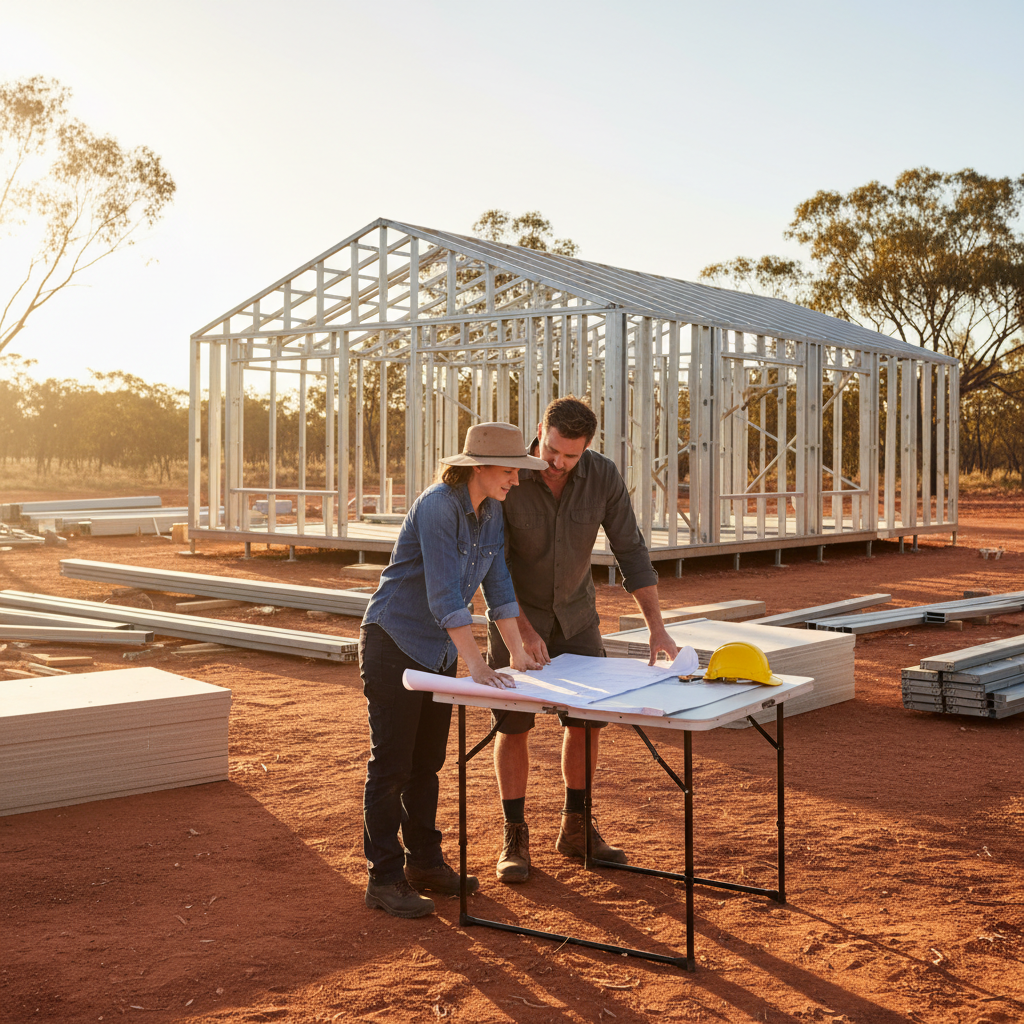
One of the best things about steel frame kit homes is the precision. When you're an owner-builder dealing with a slab and then standing up your frames, everything is straight. It stays straight. It doesn't warp or twist like some timber can over thirty years in the Aussie sun. This matters when you want to add a partition wall in ten years. If your ceiling hasn't sagged and your floors are level, adding a non-load-bearing wall is a Saturday job for a handy owner-builder rather than a major structural renovation. Plus, termites. If you're building in Queensland or Northern NSW, not having your house eaten from the inside out is the ultimate long-term lifestyle benefit.
Wet Areas and the Growing Pains
You can paint a bedroom in a weekend. You can't move a toilet without a jackhammer and a very expensive plumber. When designing your kit home, prioritize the placement of your wet areas. If you're planning on a second story or an extension later, think about where the stacks will go. I've seen families outgrow their three-bedroom kit home in five years because they only had one bathroom and a separate loo. Adding a second ensuite or a powder room during the initial build is relatively cheap compared to trying to retro-fit one when everyone is fighting for the shower at 7 AM on a school morning.
Consider the 'mudroom' concept. It's becoming huge in Australian housing trends, especially in regional areas or on acreage blocks. It doesn't have to be a massive room. Just a widened entry from the garage or back door with some bench seating and hooks. It keeps the school bags, the muddy boots from the Saturday footy run, and the dog leashes out of your main living space. It’s about containing the chaos. A house that grows with you is a house that manages your stress, not adds to it.
Owner-Builder Wisdom: Don't Skimp on the Basics
Because you're arranging the trades and the fit-out yourself, you might be tempted to save money on things like insulation or internal door quality. Don't. If you want a home that feels solid and private as the family grows, spend the extra bit on acoustic batts for the internal walls. The difference it makes when you're trying to sleep while a teenager is showering on the other side of the wall is massive. Since kits like ours include the roofing, cladding, and windows, you've already got the high-quality BlueScope Steel shell sorted. Your job as the designer and site manager is to ensure the guts of the house are just as resilient.
I remember a bloke up in Gympie who built one of our four-bedroom kits. He purposefully widened every internal door to 870mm. At the time, his mates laughed and said he was wasting space. Fast forward five years, his father had a hip op and needed a walker, then a chair. Those wide doors meant the old man could stay with them comfortably without feeling like a burden or bumping into every frame. That is lifestyle design. It's not about the colour of the splashback. It's about how the house functions when life gets difficult.
Outdoor Living is a Room Too
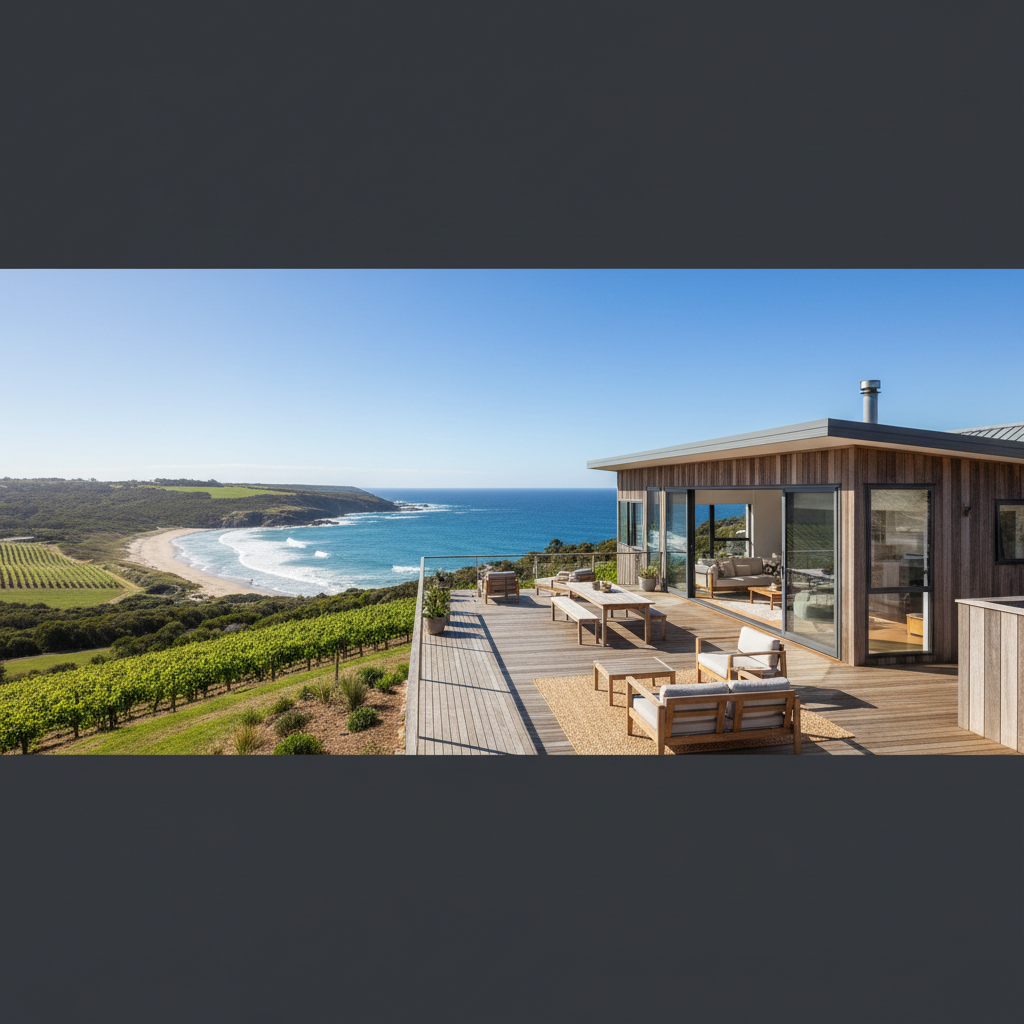
In Australia, we live outside half the time. Or we should. When you're looking at your site plan, don't just plonk the house in the middle of the block. Think about the orientation for the sun and how the deck or alfresco area connects to the kitchen. For a growing family, a covered outdoor area acts as a second lounge room. It gives the kids a place to burn off energy when it's raining, and it gives you a sanctuary when the house feels too small. Since kit homes often come with generous verandah options, use them. Use the steel eaves to your advantage to keep the summer sun out but let the winter warmth in. This isn't just eco-jargon; it's about comfort. If your house is 40 degrees inside in February, nobody is going to be happy, no matter how good the floor plan is.
The transition from a young family to a household of adults (which is what teenagers basically are) happens faster than you think. Build the house that can handle both. Focus on acoustics, zoning, and durable materials like steel and high-grade cladding. You're the one on-site, checking the levels and talking to the sparky. Make sure you're building for the 2034 version of yourself, not just the 2024 version. It takes a bit more thought at the kitchen table tonight, but you'll thank yourself when you aren't looking for a real estate agent in five years because the walls are closing in.