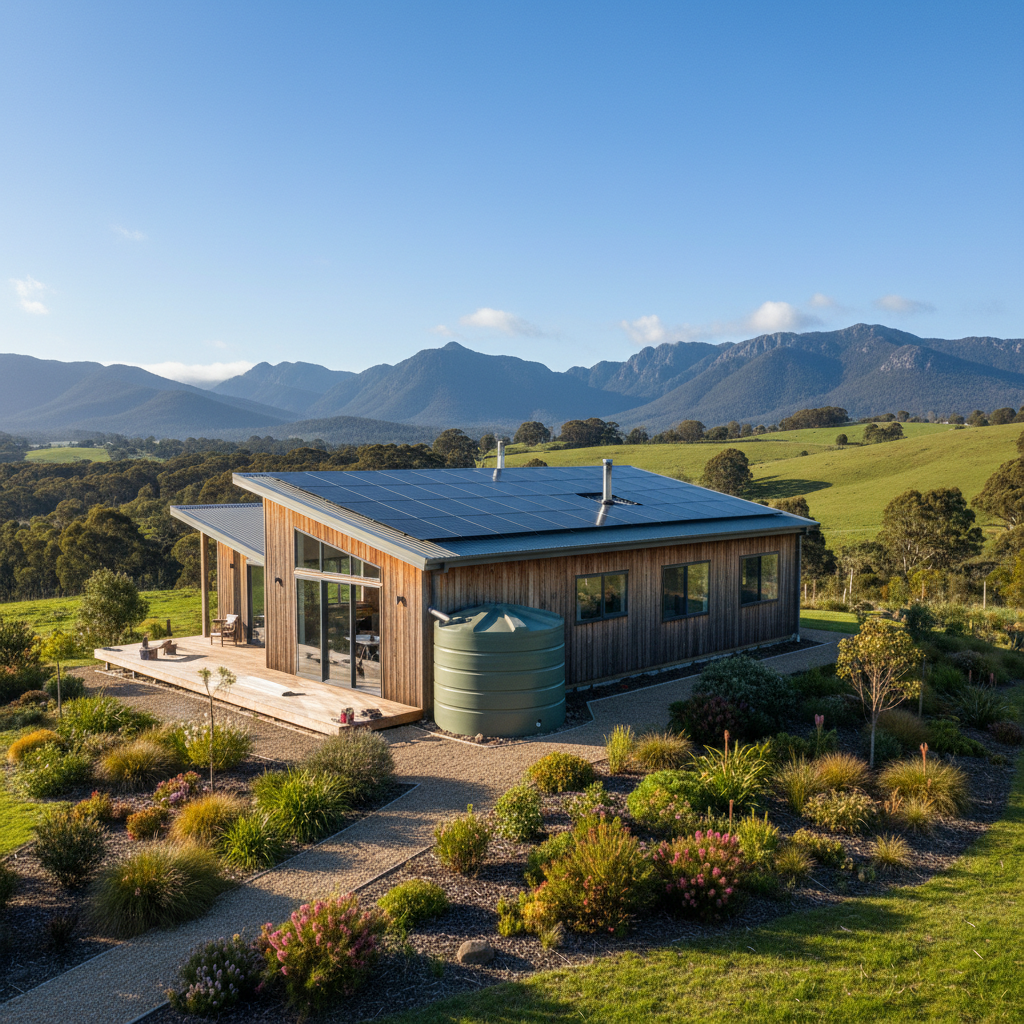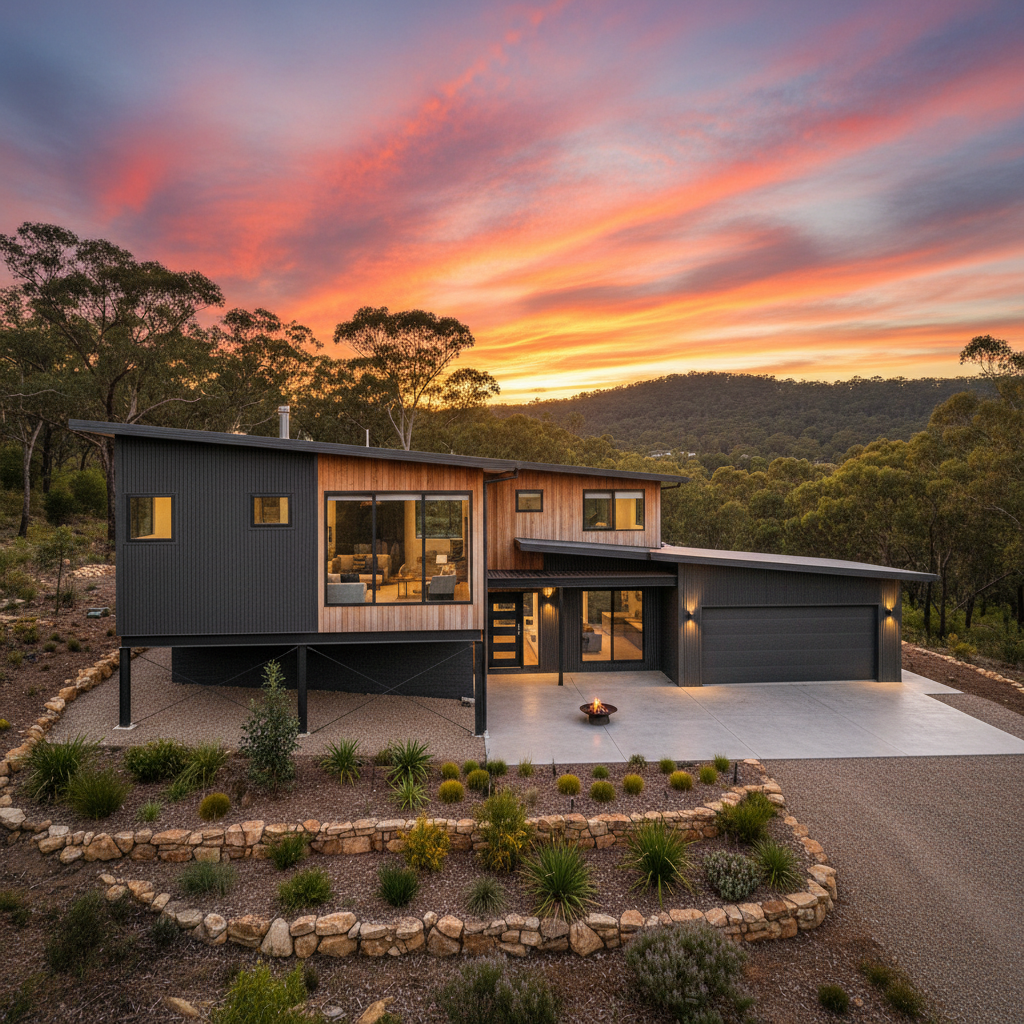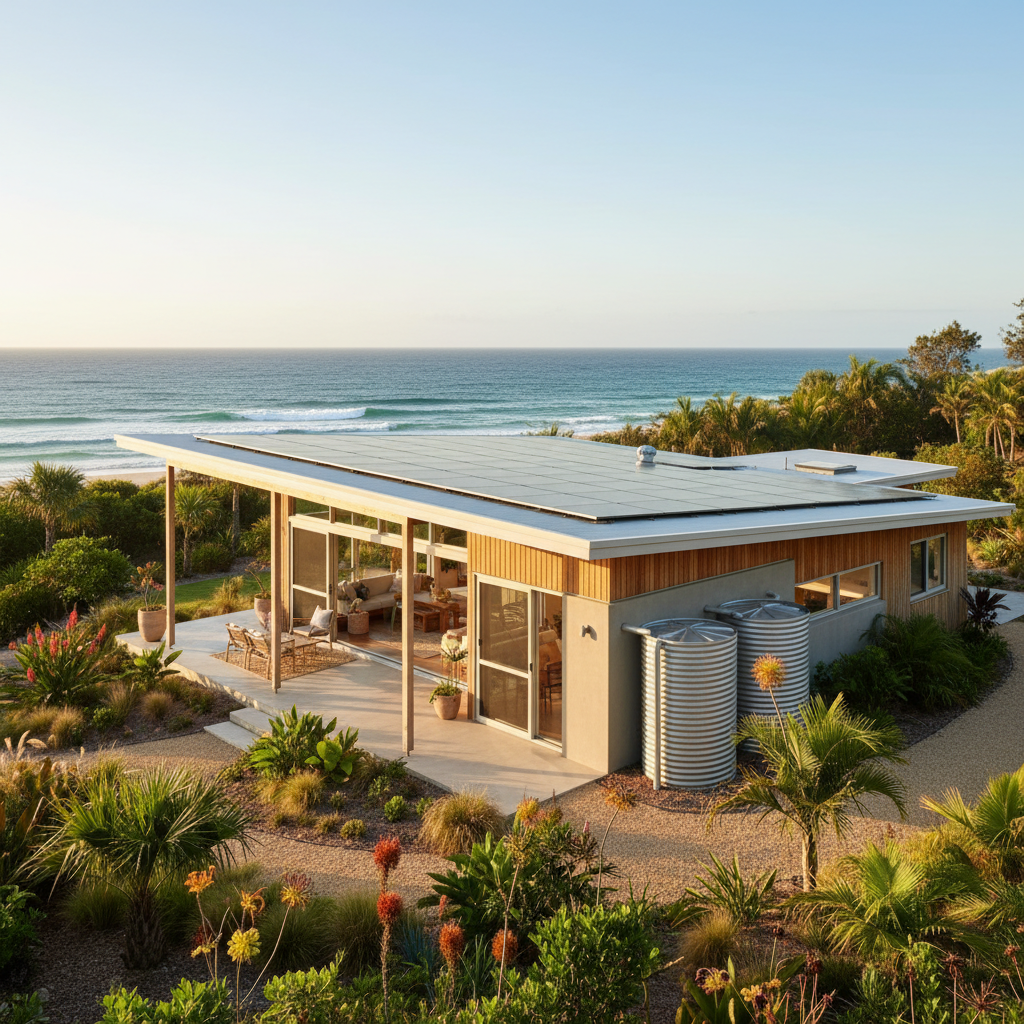
Building a house in Australia used to mean two things. You either bought a cookie-cutter brick veneer in a new estate where the eaves almost touch your neighbor's gutters, or you went down the high-end architect route and watched your bank account drain faster than a leaky poly tank. But things are changing. I've spent fifteen years watching the kit home industry evolve from basic fishing shacks into high-performance, permanent residences. People are waking up. They realize that building small, building smart, and doing a lot of the heavy lifting themselves is the only way to get a sustainable home that doesn't leave them with a thirty-year debt sentence.
The Shift Toward Thermal Efficiency
Sustainability is a big word that gets thrown around a lot by marketing departments. Most of the time, they just mean they put some recycled timber in the kitchen. To a real builder, sustainability means thermal performance. It's about how that house handles a 42-degree day in Dubbo or a freezing July night in the Huon Valley. We're seeing a massive trend where owner-builders are prioritizing insulation and orientation over square footage. They're choosing kit designs with smaller footprints because it's easier to heat and cool. Plus, it leaves more room for the veg patch and the shed.
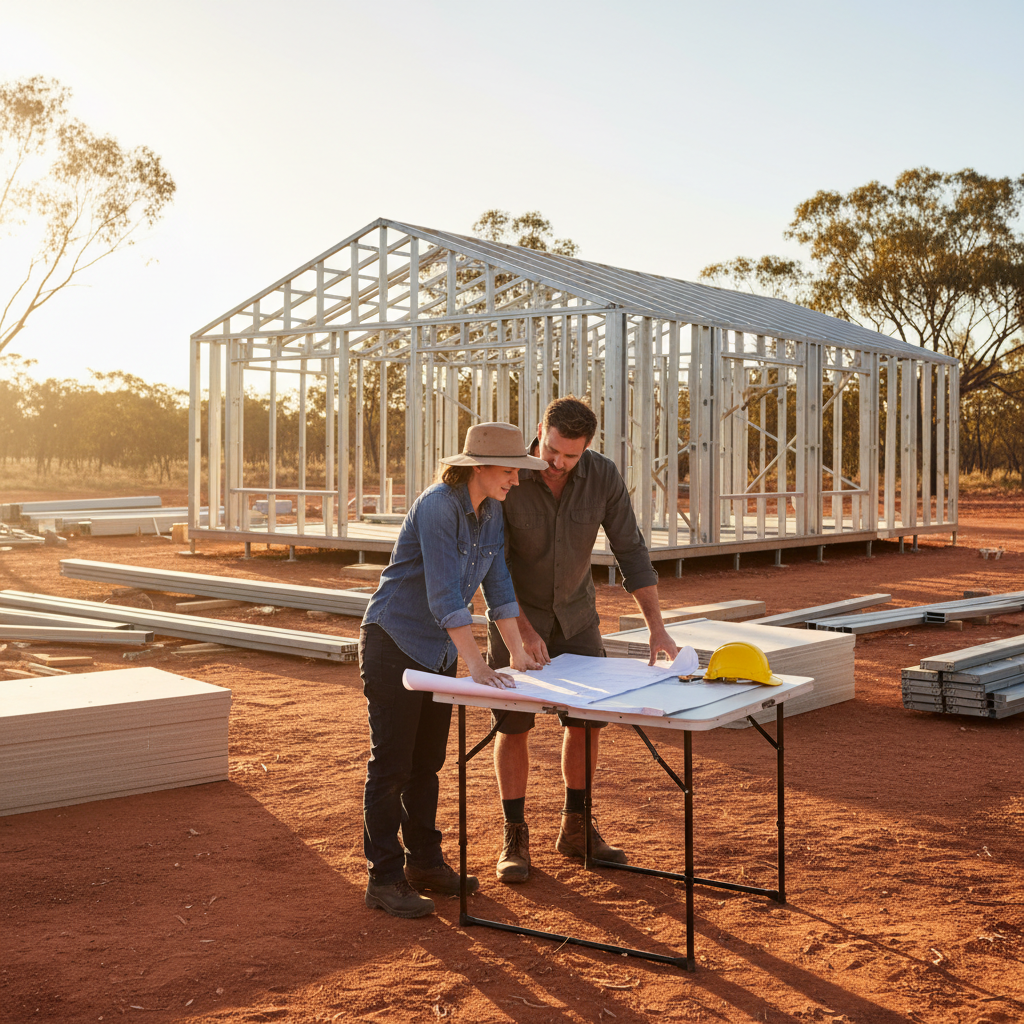
When you're looking at kit homes, the frame is your starting point. These days, precision-engineered steel frames made from BlueScope TRUECORE represent a massive leap forward. Unlike timber, which can bow or warp if it catches a bit of rain during the build, steel stays dead straight. This matters more than you think. If your frames are straight, your windows fit better. If your windows fit better, your air-sealing is superior. It's a chain reaction. You aren't fighting gaps where the draft gets in. Also, if you’re building in a bushfire-prone area with a high BAL rating, steel is a non-combustible material that gives you an edge before you've even started.
Orientation: The Free Energy Hack
I keep telling people this, but half of them don't listen until they see their first power bill. You can buy the most expensive kit in the world, but if you point your big glass sliding doors south in Tasmania or west in Perth, you're going to have a bad time. The beauty of kit homes is the flexibility. Because the components are delivered as a package, you’ve got total control over where on your block that slab gets poured.
Aim for the long axis of the house to run east-west. Put your living areas on the north side. This lets that low winter sun crawl across your floor and heat the place up for free. In the summer, your eaves or a bit of well-placed shading will keep that high sun off the glass. It’s basic science, but it’s the cornerstone of sustainable housing trends right now. People are moving away from the 'McMansion' mindset and moving toward 'Right-Sized' living.
Steel Frames and the Termite Factor
Let’s get real about maintenance. A sustainable home is one that lasts. If you’re building in Queensland or northern NSW, termites are a constant threat. I’ve seen houses where the studs looked fine until you poked a screwdriver through them. Choosing a steel frame kit means the skeleton of your house is 100% termite proof. No chemical treatments needed for the frame itself. This fits perfectly into the eco-friendly mindset because you're reducing the toxic load on your property over the lifetime of the building.
Tips for the Savvy Owner-Builder
Managing your own project is a big mountain to climb. But it’s how most people afford to go sustainable. Here are a few things I’ve learned from watching hundreds of people go through this process:
Don't skimp on the wrap. Before the cladding goes on your kit, you’ll be installing a wall wrap or sarking. Spend the extra few hundred dollars on a high-quality, breathable vapour barrier. It keeps moisture out of your wall cavity and stops mould, which is a massive issue in airtight modern builds.
Get your trades sorted early. Even though you’re buying a kit, you still need a plumber and an sparky. Most of these guys are booked out six months in advance. Don't wait until the frames are up to start calling around.
The slab is king. Make sure your concreter knows exactly what they're doing with the plumbing set-outs. With a steel frame kit, the tolerances are tight. If a pipe is 50mm out of place, it’s a massive headache later.
Think about the 'End of Life'. Steel is one of the most recycled materials on the planet. If someone decides to pull your house down in 100 years, that frame isn't going to a landfill. It's going back into the furnace to become something else. That’s the definition of a circular economy.
The DIY Aspect of Sustainability
There is something inherently sustainable about sweat equity. When you're the one hauling the cladding or screw-gunning the roof sheets, you care more about the result. You don't take shortcuts. We’re seeing a lot of young couples and retirees alike jumping into the kit home market because they want a hands-on connection to their shelter. It’s a bit of a throwback to the old days of the Australian bush, but with much better engineering.
Wait times for builders are a joke right now. If you go to a volume builder, they might tell you it's a two-year wait. If you buy a kit, you can have the components on-site as soon as your council DA is sussed out and your slab is cured. You're in charge of the timeline. That independence is a huge part of the current lifestyle shift. People are tired of being told 'no' by big companies. They want to get their hands dirty and get the job done.
Ventilation and Insulation: The Secret Sauce
Inside those steel walls, you’ve got plenty of room for high-spec insulation. Don't just settle for the minimum BCA requirements. If the building code says you need R2.0 batts, see if you can squeeze in R2.5 or R2.7. It makes a world of difference. And look at your windows. Most kit suppliers include standard aluminium frames, but if you’re in a cold climate, ask about double glazing or thermally broken frames.
I reckon the biggest mistake people make is not thinking about 'thermal bridging'. Steel is a great conductor of heat. So, when you're installing your kit, you need to make sure you use a thermal break strip between the frame and your external cladding. It’s a simple bit of high-density foam or specialized tape, but it stops the heat from bleeding through the studs. It’s these little technical details that separate a 'shack' from a high-performance home.
Final Thoughts for the Road Ahead
Sustainable building isn't a fad. It’s the result of people realizing that our climate is harsh and energy isn't getting any cheaper. By choosing a kit home, you're opting for a building system that is efficient to transport, precise to assemble, and tough as nails. You get the benefits of modern manufacturing like BlueScope steel frames, combined with the old-school satisfaction of building it yourself.
It’s not always easy. You’ll have days where it’s raining, you can’t find your favorite impact driver, and the building inspector is being a pain about your tie-downs. But when you’re sitting on your veranda six months later, watching the sun set over a house that you helped put together, you’ll realize it was worth every drop of sweat. The trend is moving toward autonomy. More people are taking control of their housing future, and honestly, it’s about time.