The Shift Toward Smarter Building
Walk around any new estate in the Hunter Valley or the outskirts of Gympie and you'll see it. The old way of building, four bedrooms and two bathrooms wrapped in bricks that soak up heat all day, is losing its grip. Australians are getting fed up with cookie-cutter houses that cost a fortune to run. Instead, there's a serious move toward kit homes. These aren't the basic sheds your grandad built out back. We're talking about high-performance, steel-framed homes that allow people to take control as owner-builders. It’s a trend driven by a mix of environmental guilt and the practical need to build something that doesn't rot or get eaten by termites in six months.
Sustainability in Australia isn't just a buzzword anymore. It's about survival. When you're facing a 42-degree day in Western Sydney or Dubbo, you want a house that works with you. Kit homes are leading this charge because they're designed for efficiency from the first drawing. Using TRUECORE steel frames means you're starting with a material that's 100 percent recyclable. Plus, steel is straight. It stays straight. You don't get the warping or twisting you see with some timber products, which means your seals stay tight and your insulation actually does its job over the long haul. Because the frames are engineered to precision, there's less waste on site. No massive skip bins filled with offcuts that end up in landfill. Just a clean, efficient assembly process.
Designing for the Australian Environment
One of the biggest mistakes I see people make is choosing a plan that looks great in a magazine but fails miserably in the Australian sun. If you're building a kit home in a place like the Sunshine Coast, you need big eaves. Simple as that. You want to keep the sun off your glass during the heat of the day. But then, if you're down in the Huon Valley, you'll want those windows facing north to soak up every bit of winter sun you can get. Kit homes give you the flexibility to orient the house properly on your block, rather than being stuck with whatever the volume builder has on their menu.
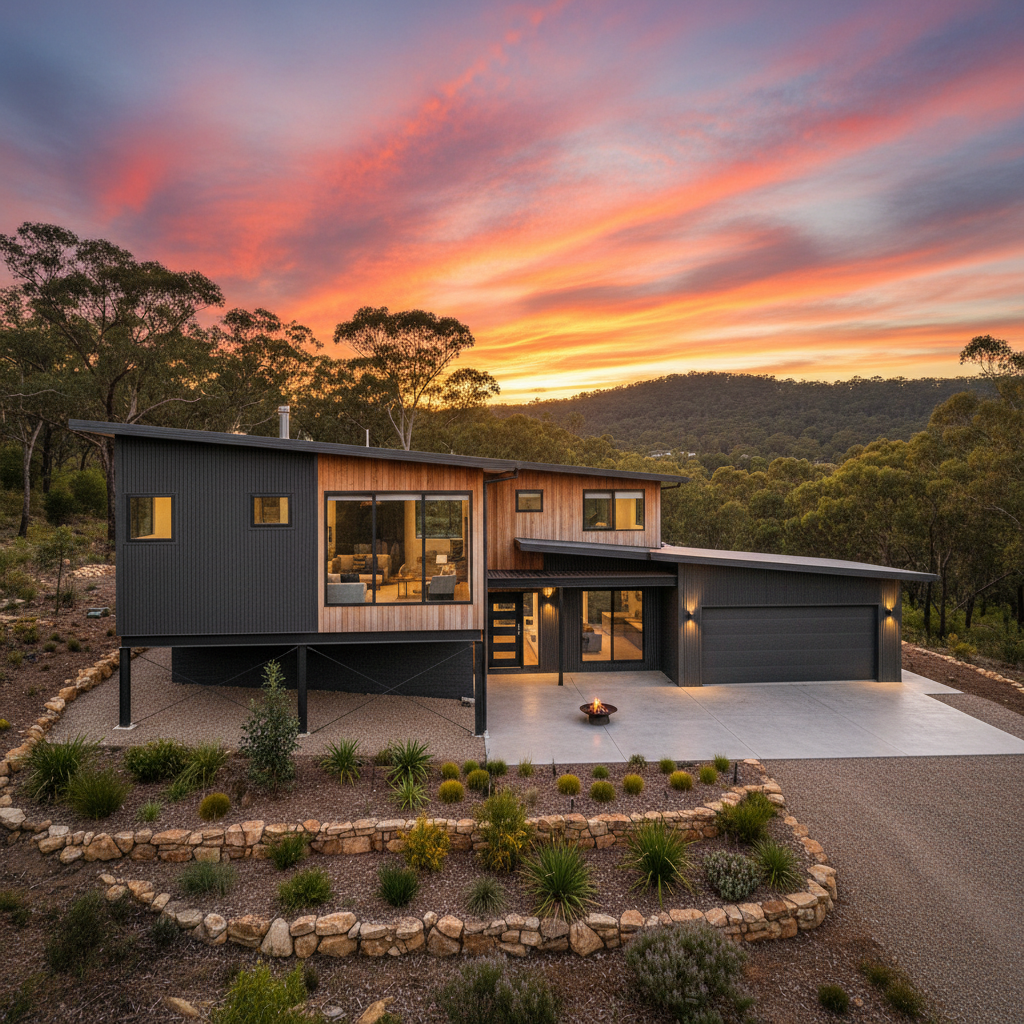
Good design is about more than just where the couch goes. It's about BAL ratings and fire safety. If you're building in the bush, steel frames are a non-negotiable for many. They don't provide fuel for a fire. Combine a BlueScope steel frame with non-combustible cladding and high-quality insulation, and you've got a house that's built to actually last through a tough season. People are finally waking up to the fact that building light and smart is better than building heavy and hot. These kit designs often use cross-ventilation tricks that have been forgotten in modern suburbs. Louvres, high ceilings, and open plan layouts that let the breeze move through the house. It's common sense, really.
The Owner Builder Reality
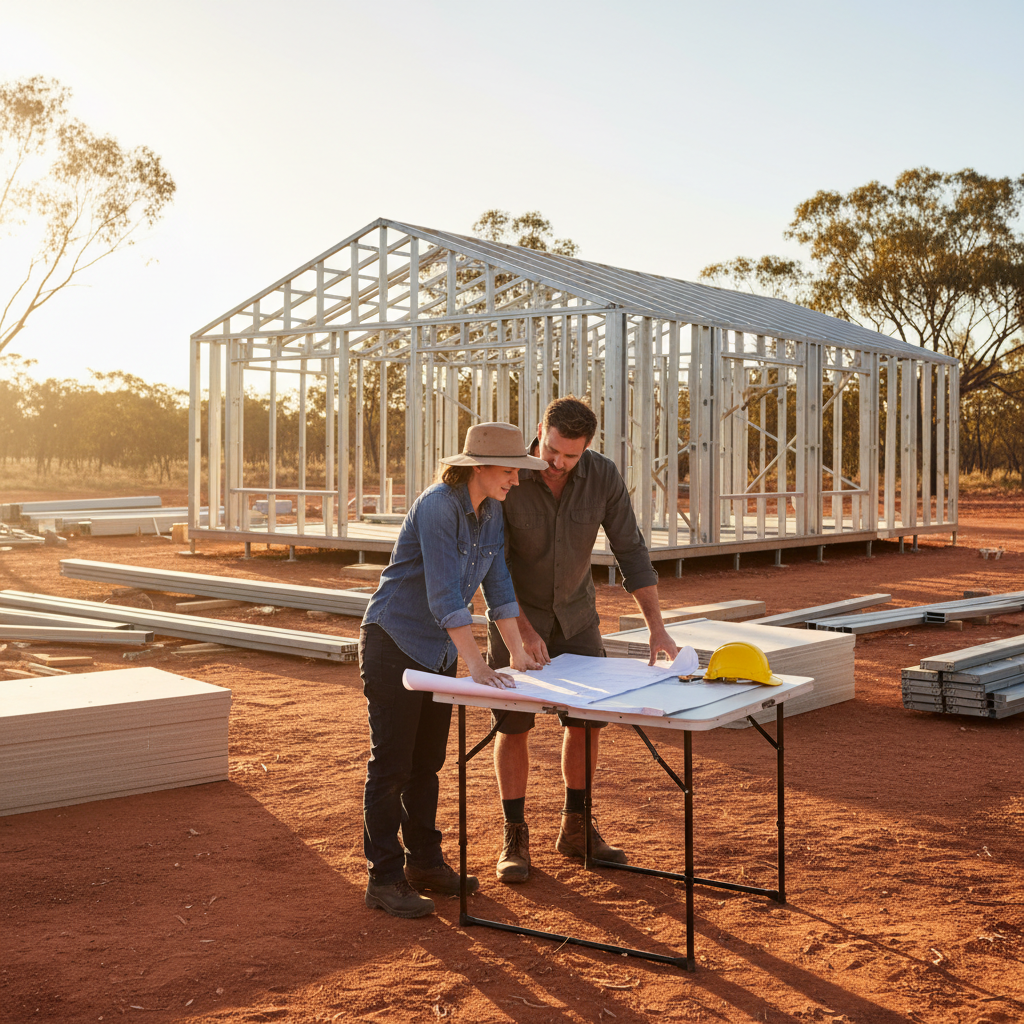
If you're going down the owner-builder path, you've got to be prepared. It's not all beer and skittles. You're the one dealing with council, the one hiring the plumber, and the one making sure the slab is poured to the millimeter. I always tell people to get their White Card and their Owner Builder permit early. Don't wait until the kit is sitting on your site in a dozen neat packages. You need to understand the NCC Volume 2 like the back of your hand. Because even though the kit provider gives you the frames, the roof, and the windows, the responsibility for a compliant build sits squarely on your shoulders.
My best tip? Find a good local sparky and a plumber before you even sign the contract for the kit. Most trades are busy. They'd rather work on a straight-forward kit home where the steel frames have pre-punched holes for wiring and pipes than fight with an old renovation. It saves them time, which saves you money. But you've got to manage the schedule. If the windows arrive and your bricky or cladder isn't ready, you've got a storage problem. Organization is the difference between a project that's a dream and one that turns into a headache on a random Tuesday when the rain starts bucketing down and you haven't got the roof on yet.
Technical Edge: Steel Frames and Thermal Performance
There's a bit of a myth that steel frames make a house cold or hot. That's rubbish if you know what you're doing. What you need is a thermal break. In accordance with AS 4100 and energy efficiency requirements, you just have to ensure there's a barrier between the steel frame and the external cladding. Use a good quality breathable wrap and high-R-value bulk insulation. This setup stops the heat transfer and keeps the house remarkably stable. In fact, steel frame kit homes are often much easier to get up to a 7-star energy rating because the walls are perfectly straight, making it easier to install batts without gaps. Gaps are the enemy. A 5mm gap in your insulation can drop the effectiveness of that wall by half. Precision matters.
Practical Kit Home Tips
- Check your site access. Sounds basic, but if the semi-trailer carrying your steel frames can't get up your driveway, you're in for a long day of hand-unloading.
- Get your site levels sorted properly before the slab or piers go in. A few centimeters out across the slab will cause heaps of grief when the frames arrive and don't line up with the anchor points.
- Buy a high-quality impact driver and a decent laser level. You'll use them every single day.
- Read the assembly manual twice before you even touch a bolt. It's not like flat-pack furniture; the stakes are higher.
- Double-check your window flashings. Water is the enemy of any house, and most leaks happen because someone got lazy with the flashing around a window frame.
The Future of Housing is Contextual
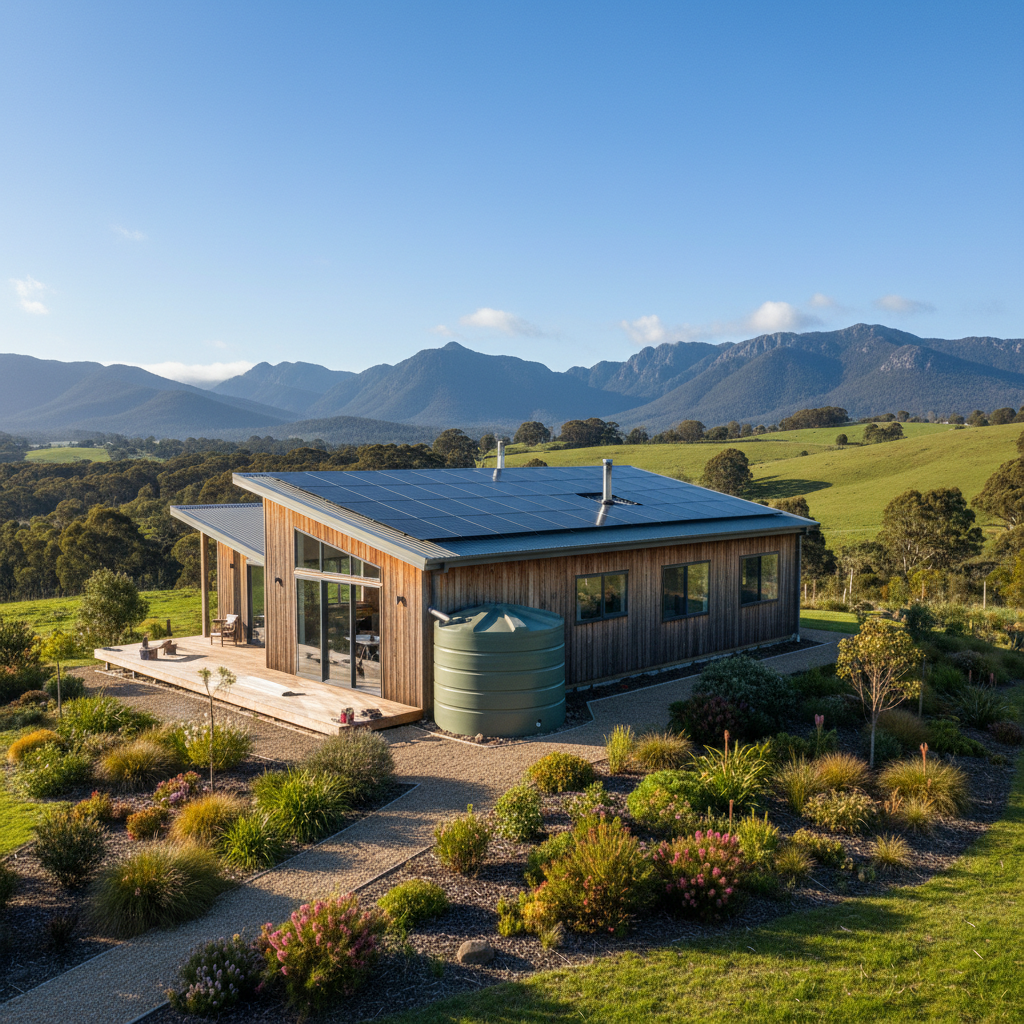
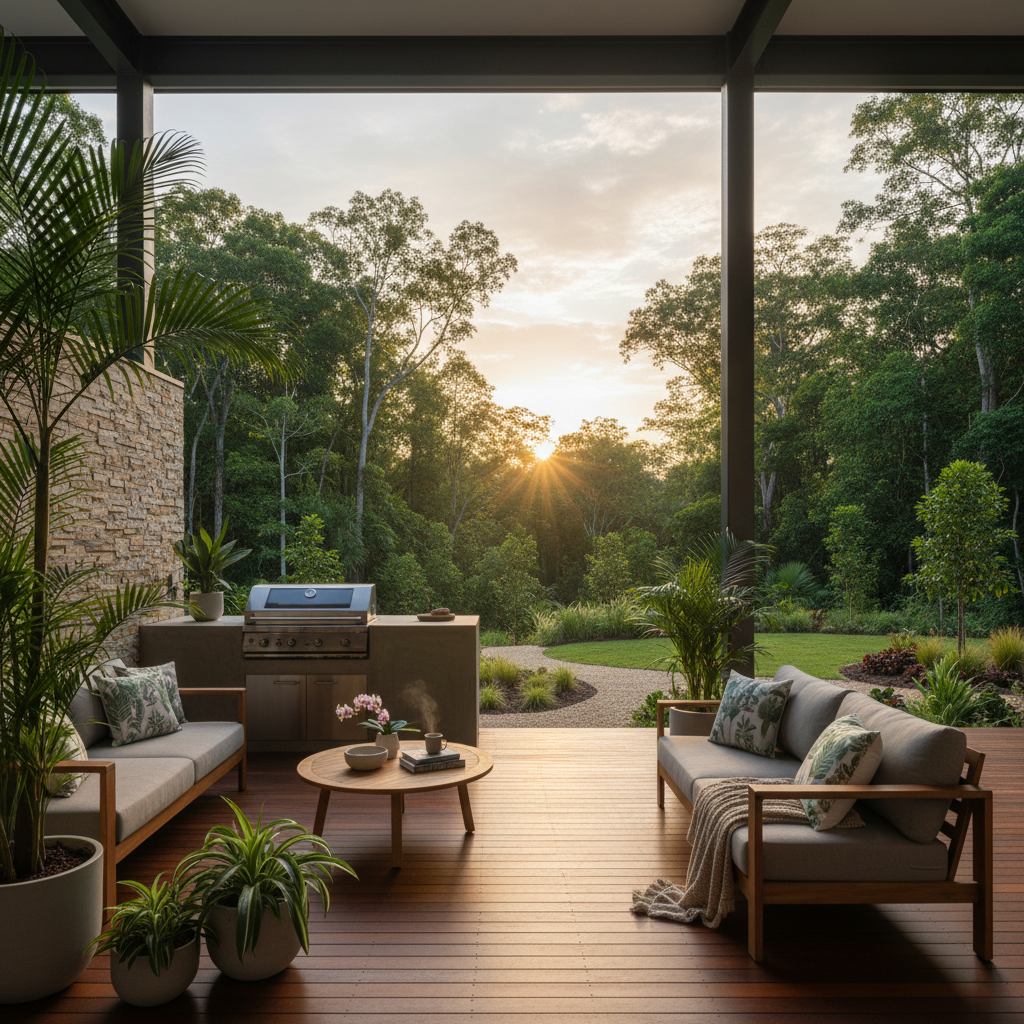
We're seeing a trend where people are moving away from the massive 400-square-meter mansions. They want smaller, smarter kit homes that leave more room in the budget for things like off-grid solar systems and massive water tanks. It's about independence. When you build a kit home, you aren't just buying a pile of materials. You're buying the ability to customize your lifestyle. Maybe that means adding a bigger deck for the arvo BBQ or ensuring the roof pitch is exactly right for a 10kW solar array. People are choosing quality over sheer size. They want a home that feels solid, looks modern, and doesn't cost the earth—literally or figuratively.
The kit home market in Australia is finally getting the respect it deserves. It’s no longer the cheap alternative; it’s the smart alternative for someone who wants a home that is termite-proof, fire-resistant, and tailored to their specific block of land. Whether you're building a granny flat in a suburban backyard or a three-bedroom retreat on a coastal ridge, the principles remain the same. Plan well, choose quality materials like Australian-made steel, and don't be afraid to get your hands dirty. It’s a steep learning curve, but walking into a house you've managed yourself, knowing every screw and bolt is where it should be, is a feeling you won't get from a standard builder. It's your home, built your way, for the long haul.