Building for the Aussie Sun
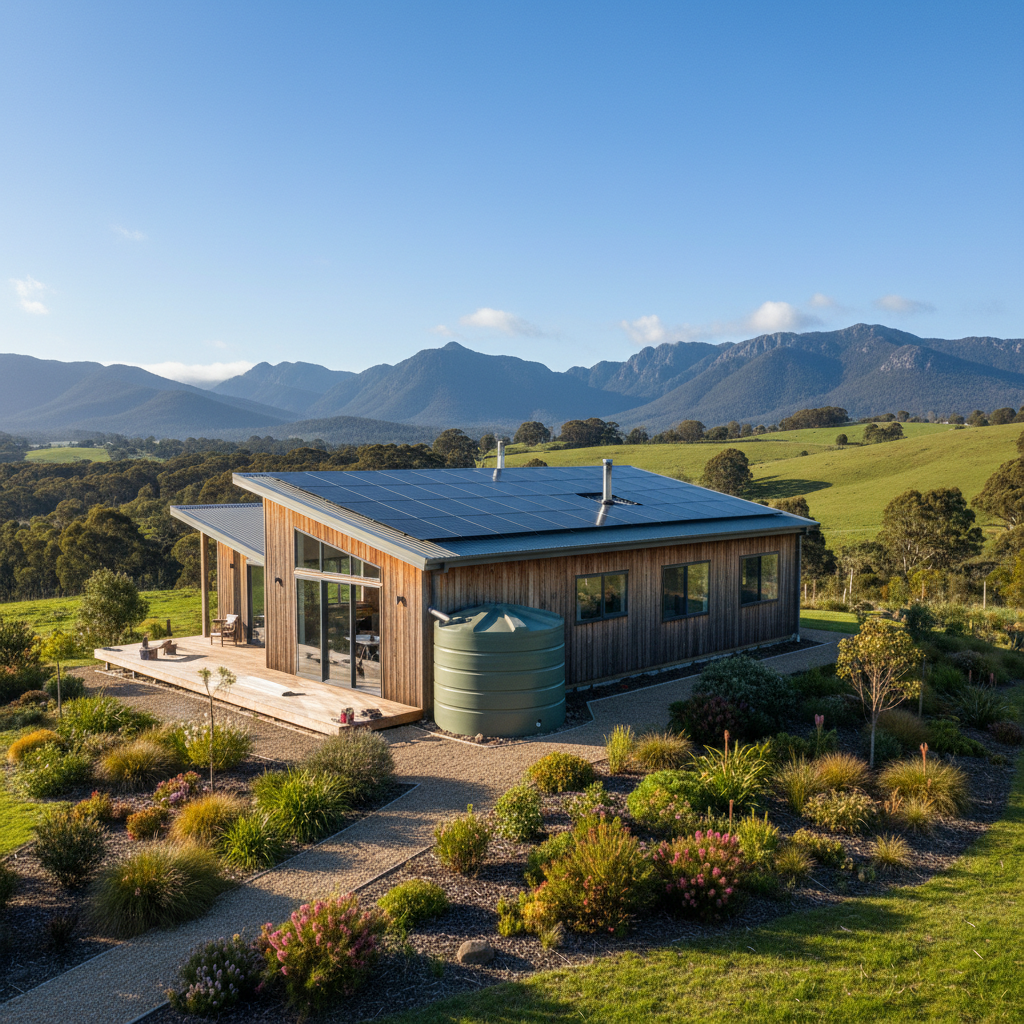
Most project homes in Australia are absolute ovens in February and ice chests in July. We've all walked into those new estates where every house faces the street regardless of where the sun actually sits. It's madness. If you're going down the kit home route, you've got a massive advantage because you're the one in the driver's seat. You get to decide how that floor plan sits on your block. It starts with orientation. North-facing living areas aren't just a fancy real estate term; they're the difference between needing the aircon on 24/7 and sitting in a house that breathes with the season. For a block in Wollongong or out past Dubbo, getting that northern light into your main living zones during winter while blocking the harsh western sun in the arvo is the first rule of sustainable design. Skip this, and you're fighting an uphill battle from day one.
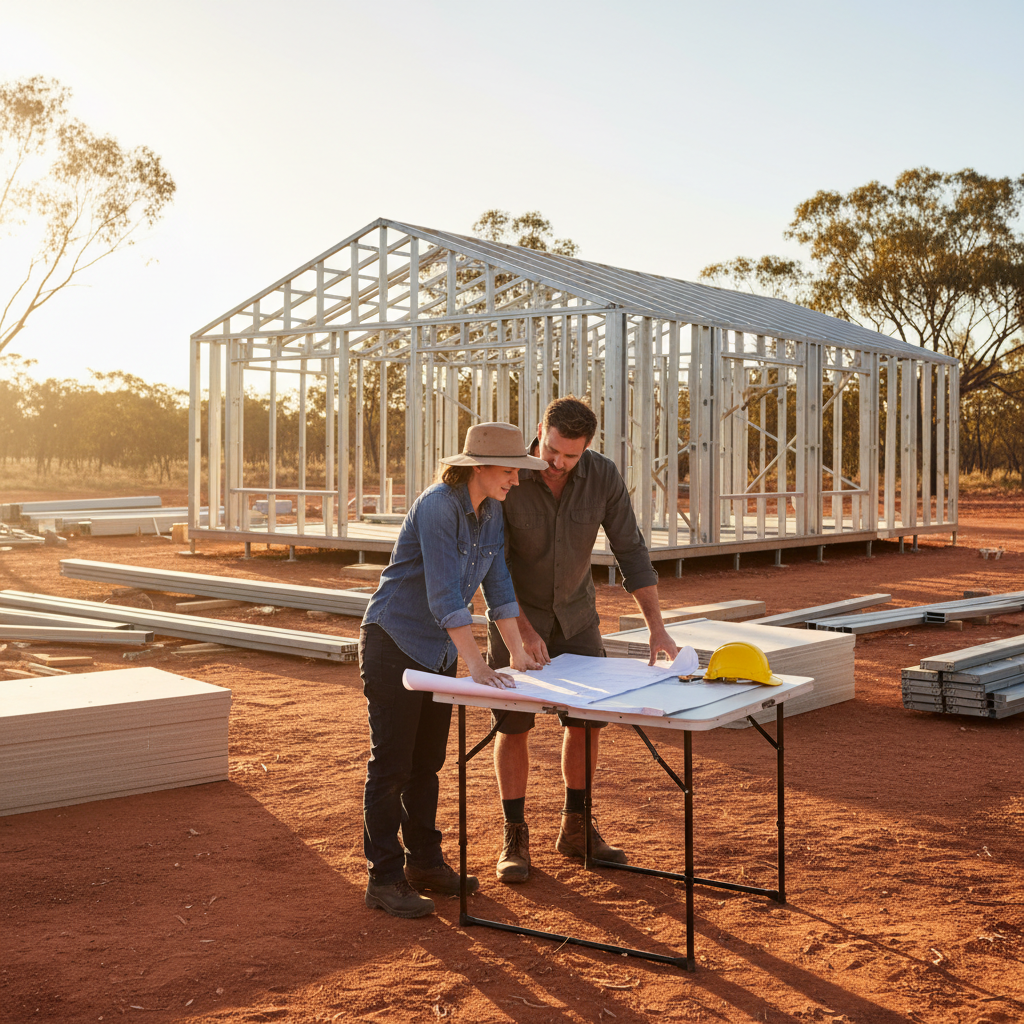
I've seen blokes spend sixty grand on high-tech battery systems and solar arrays while their house leaks heat like a sieve because they didn't think about eaves. It's backwards. You want to get the 'bones' right first. We use TRUECORE steel because it stays straight and true, which sounds like a bit of a marketing line, but it's actually vital for energy efficiency. Why? Because if your frame warps or twists as the timber dries out over five years, your window seals start to gap. Once you've got gaps, your expensive conditioned air is walking right out the door. Steel doesn't do that. It gives you a stable platform for high-performance insulation and double glazing that actually stays airtight for the life of the building.
The Thermal Envelope Matters More Than Your Taps
When you're picking out your kit, don't get distracted by the flick-mixers or the stone benchtops. Those are easy to change later. What you can't easily change is your insulation. Standard wall batts are often a joke. If you're building in a spot like the Blue Mountains or down in Tassie, you want to beef up those batts and look at your reflective foil layers. Most of our kits come with a solid insulation package, but as an owner-builder, you can always go that extra mile. Use a high-quality building wrap to reduce air infiltration. It's a cheap addition during the frame stage that pays for itself in about two winters. Because let's be honest, power prices aren't going down anytime soon.
Let's talk windows. Glass is basically a hole in your insulation. In a standard kit, you'll get decent aluminium frames, but if you're serious about the lifestyle side of things, look at thermally broken frames or double glazing. If the budget's tight, at least be smart with where you put the glass. Keep the big windows on the north side. Keep the south-side windows small to stop the heat escaping. And for heaven's sake, minimize windows on the west. A big sliding door on the western wall is basically a giant heater that you can't turn off in January. If you must have one for the view, you better have a massive verandah or some serious external shading ready to go before the slab even sets.
The Steel Frame Edge
Steel frames are a bit of a winner when it comes to long-term sustainability, and not just because they're 100% recyclable. Termites are a massive worry in most of Australia. If you use a steel-framed kit, you're removing the main food source for those little white ants. This means you aren't pumping heaps of nasty chemicals into the soil around your home every few years to keep the structure from being eaten. It's a cleaner way to build. Plus, steel is lightweight which makes transport to rural blocks much more efficient. Less weight means less fuel for the truck, and it often means the footings don't need to be as massive as they would for a heavy masonry build. It's all connected.
Owner Builder Tip: The Slab and Thermal Mass
If you're managing the project yourself, pay attention to the slab. In a temperate climate, an exposed polished concrete floor in a north-facing living room acts like a thermal battery. The sun hits the floor all day, the concrete soaks up the heat, and then it releases it slowly at night when the temperature drops. It feels incredible underfoot. But, and this is a big 'but', you have to shade that slab in summer. That's where your eave heights come in. You want to calculate the angle of the sun so the winter sun gets in deep, but the summer sun hits the dirt outside. There are heaps of free calculators online for this, or just ask your kit provider about the standard eave widths on your specific design.
Lifestyle and Open Plan Thinking
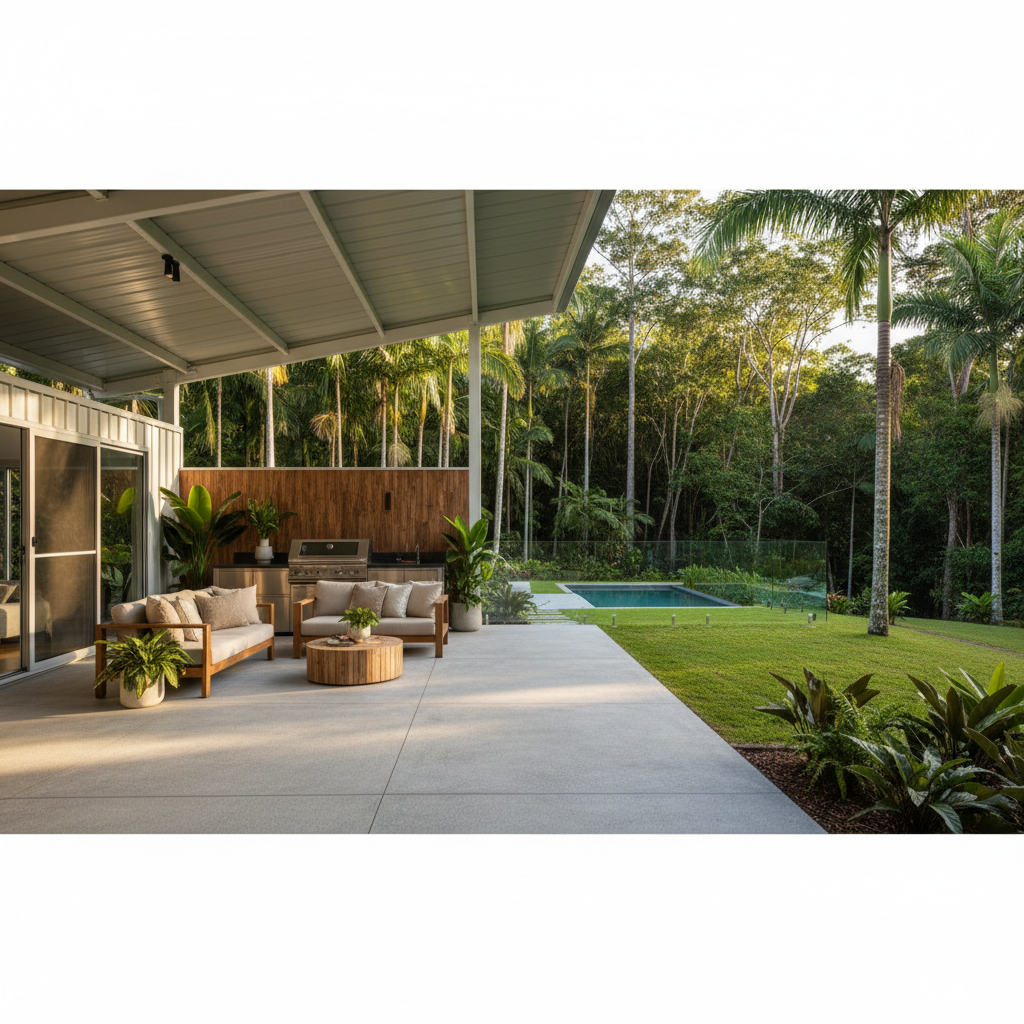
The way we live in Australia has shifted. We're moving away from those tiny, boxed-in rooms to big, airy spaces that flow outside. This is where kit homes really shine because the steel spans allow for those wide-open living areas without needing a forest of internal load-bearing walls. When you're looking at floor plans, think about cross-ventilation. Can you open a window on the windward side and one on the leeward side to get a breeze through? Louvres are great for this. They allow for massive airflow and you can tweak the angle to keep the rain out while the house cools down. I reckon a well-placed louvre gallery in a hallway can do more for your comfort than a two-kilowatt split system ever will.
Storage is another big one for the lifestyle side of things. Most people forget about where the vacuum, the surfboards, and the Christmas tree are going to live. When you're customizing your kit, look for 'dead' space in hallways or under rooflines. Adding a bit of extra storage during the design phase is almost free. Doing it later is a headache you don't need. Also, think about the mudroom. If you're building on an acreage or a regional block, you'll want a spot to kick off the boots before you hit the nice floorboards. A small tweak to the entry of a standard kit can make the house ten times more livable.
Bushfire Ratings (BAL)
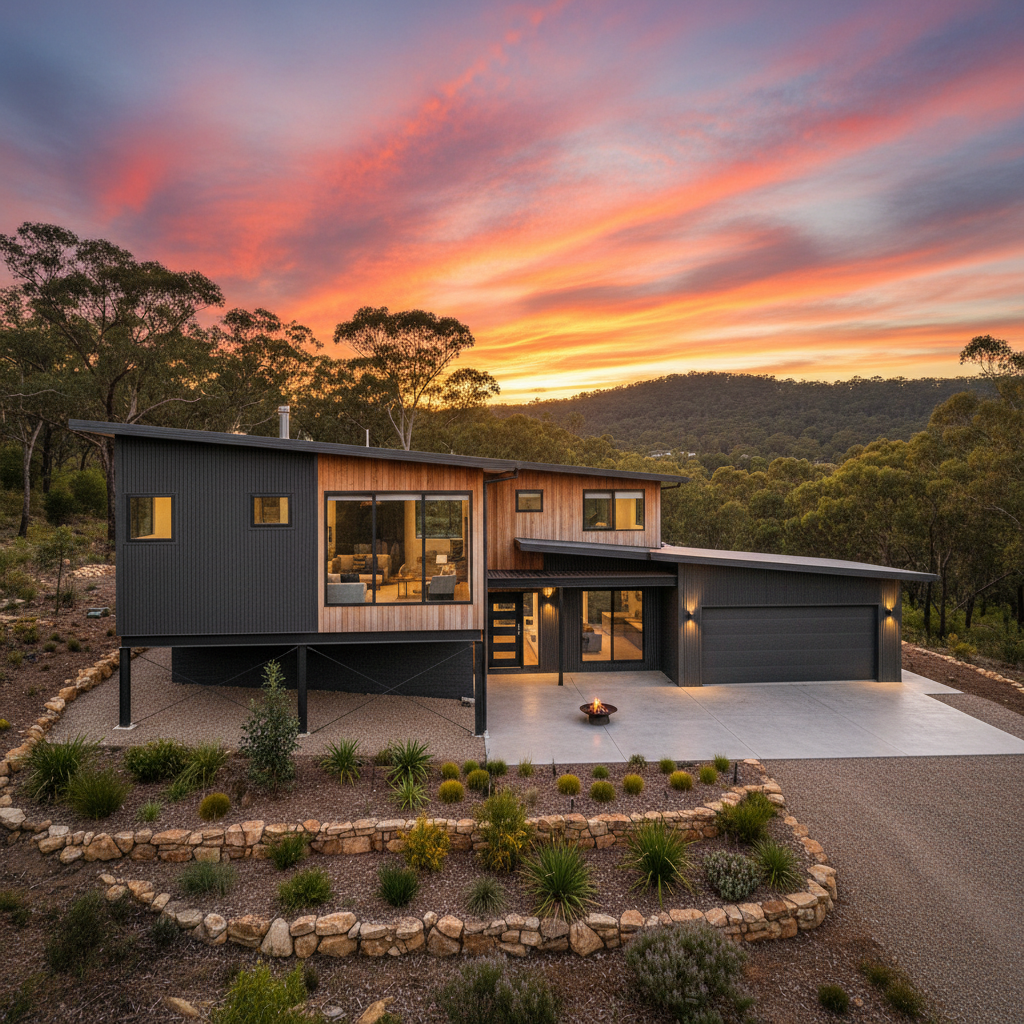
We can't talk about Australian building without mentioning bushfire levels. If you're on a block with a high BAL rating, steel is your best friend. It's non-combustible. Combined with non-combustible cladding like Colorbond steel or fibre cement, you're already miles ahead of a traditional timber build. You'll still need to suss out things like metal flyscreens and specialized seals, but the core of the house isn't going to contribute fuel to a fire. It's about peace of mind as much as it is about meeting the NCC Volume 2 requirements. Check your local council's overlay before you get too far into the design. It's better to know you're in a BAL-29 or BAL-40 zone early so the kit can be spec'd right from the start.
Final Thoughts for the DIYer
Managing your own build isn't a walk in the park, but it's the best way to get a house that actually fits your life. Don't be afraid to ask the technical questions about R-values or span tables. The more you know about how the kit goes together, the better you can manage your trades. When the sparky or the plumber turns up, you'll know exactly where the noggins are and how the service holes in the steel frames work. Stay organized, keep your site clean, and don't skimp on the stuff behind the walls. You can always upgrade your lounge suite in two years, but you only get one shot at the insulation and the frame. Get those right, and the rest will fall into place.