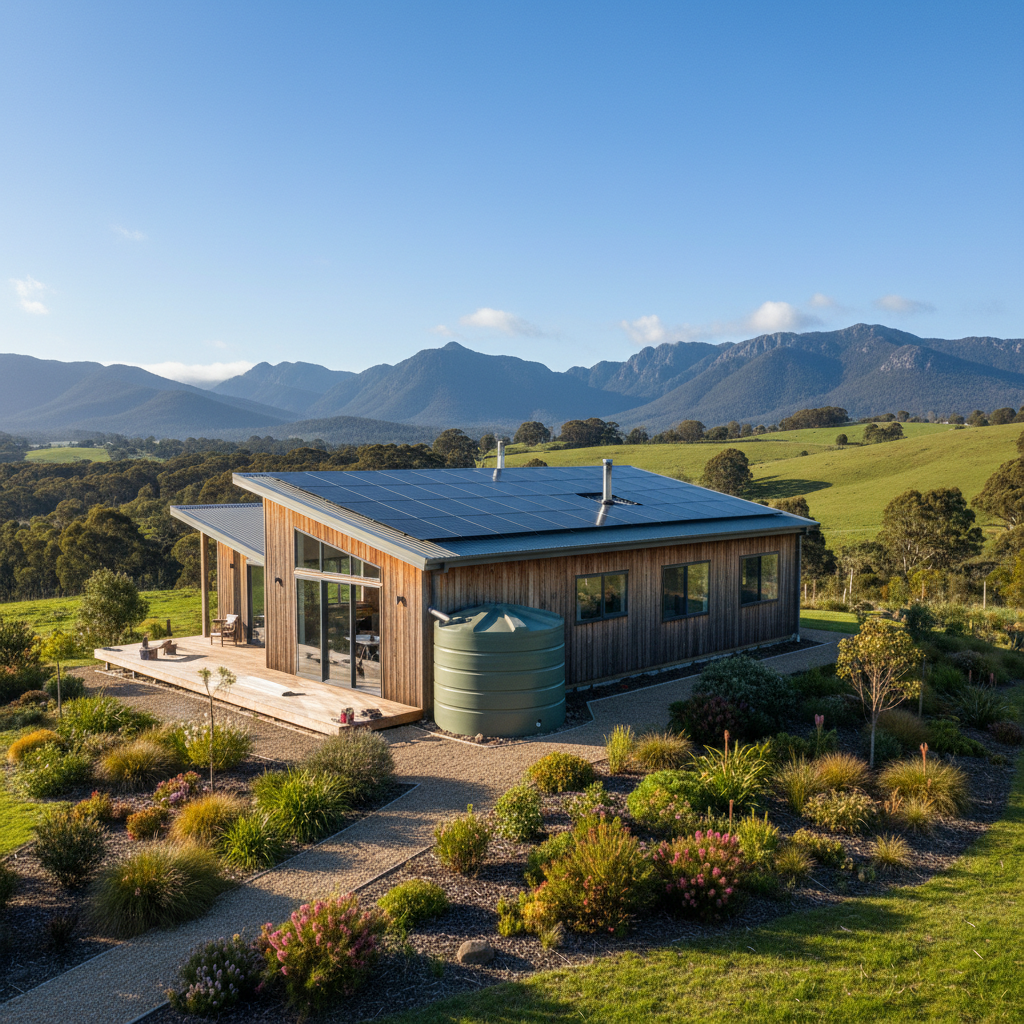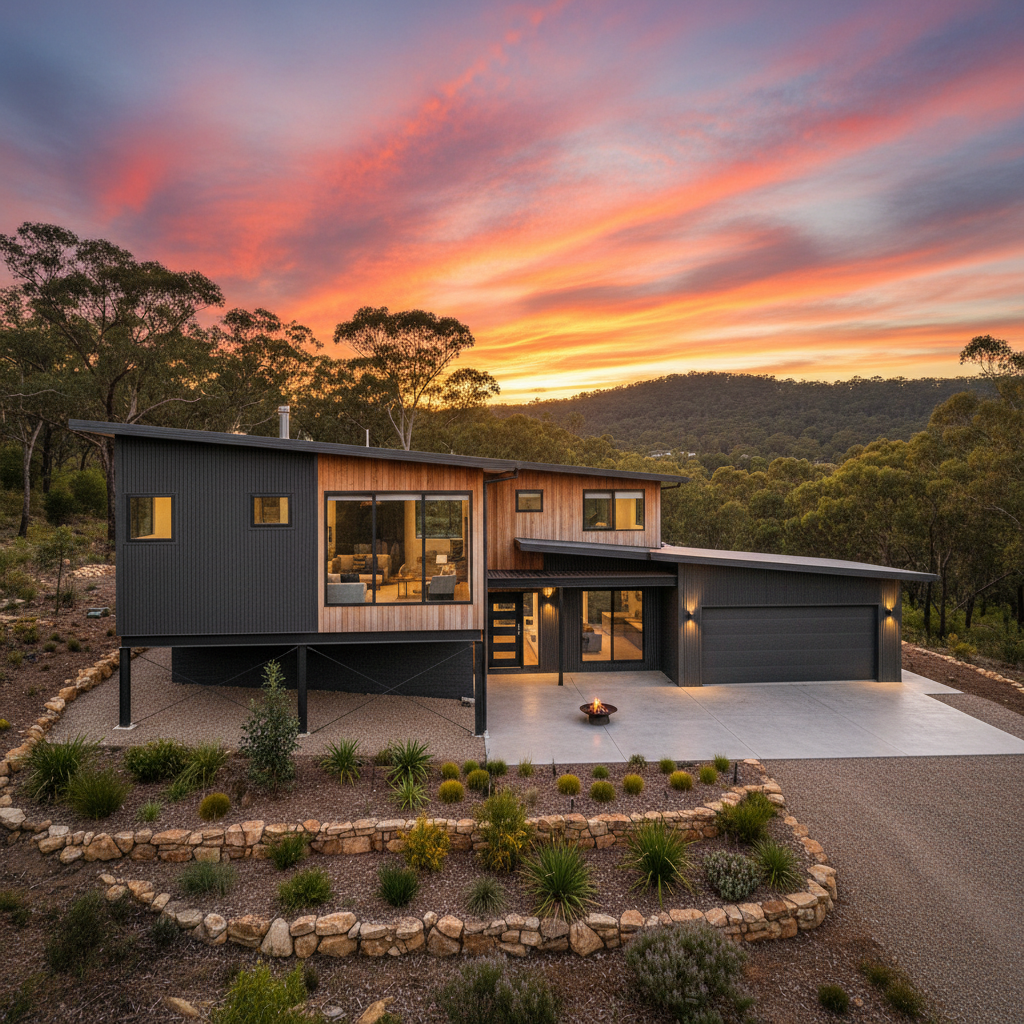
Strolling through a new estate in Western Sydney or the outskirts of Brisbane feels a bit like looking at a xerox copy of a copy. Rows of black-tiled roofs soaking up the 40-degree heat, windows that don't allow for a cross-breeze, and eaves so narrow they wouldn't shade a lizard. It is no wonder people are fed up. Thousands of Australians are currently ditching the cookie-cutter volume builders in favor of something that actually makes sense for our environment. They want houses that don't cost a fortune to cool, materials that don't rot when the humidity hits 90 percent, and the freedom to manage the project themselves. This change in Australian housing trends isn't just about saving a few dollars. It is a fundamental shift toward sustainable, long-term thinking.
The Steel Frame Revolution in Bushfire Zones
If you are building in a bushfire prone area, you already know the stress of looking at BAL (Bushfire Attack Level) ratings. It is enough to give anyone a headache. This is where the shift toward steel frames, specifically using BlueScope TRUECORE steel, is really gaining traction. Unlike timber, steel does not provide fuel for a fire. It stays straight. It stays true. When you are building a kit home in a place like the Blue Mountains or the Adelaide Hills, you want that peace of mind. Plus, termites do not eat steel. That is just a fact. I have seen old timber frames in Queensland that looked like Swiss cheese after six months of neglect. Choosing a steel-framed kit home means you are building something that will still be standing when your grandkids are chasing each other around the backyard.
Sustainability is More Than a Buzzword
We need to talk about thermal mass and insulation because most people get this wrong. A sustainable home in Australia needs to breathe. We are seeing a massive trend toward kit homes designed with passive solar principles in mind. This means orientation is everything. You want your living areas facing north to catch that winter sun, but you need decent eaves to block out the summer burn. Most kit homes we see these days come with comprehensive insulation packages including glass wool batts and reflective foil. When it is 42 degrees in Dubbo, that insulation is the only thing standing between you and a massive electricity bill for the air con.
And then there is the waste. Or the lack of it. Traditional building sites often have two or three massive skips overflowing with offcuts and smashed bricks. It’s a disgrace. Because a kit home is manufactured to specific measurements off-site, the waste is minimal. Everything shows up on the truck ready to be bolted together. If you are an owner-builder, this saves you thousands in tip fees alone. Plus, steel is 100 percent recyclable. If someone decides to tear the house down in a century, that frame can be melted back down and turned into something else. That is a circular economy in action, not just a marketing slogan.
Owner Builder Tips: Getting Your Hands Dirty
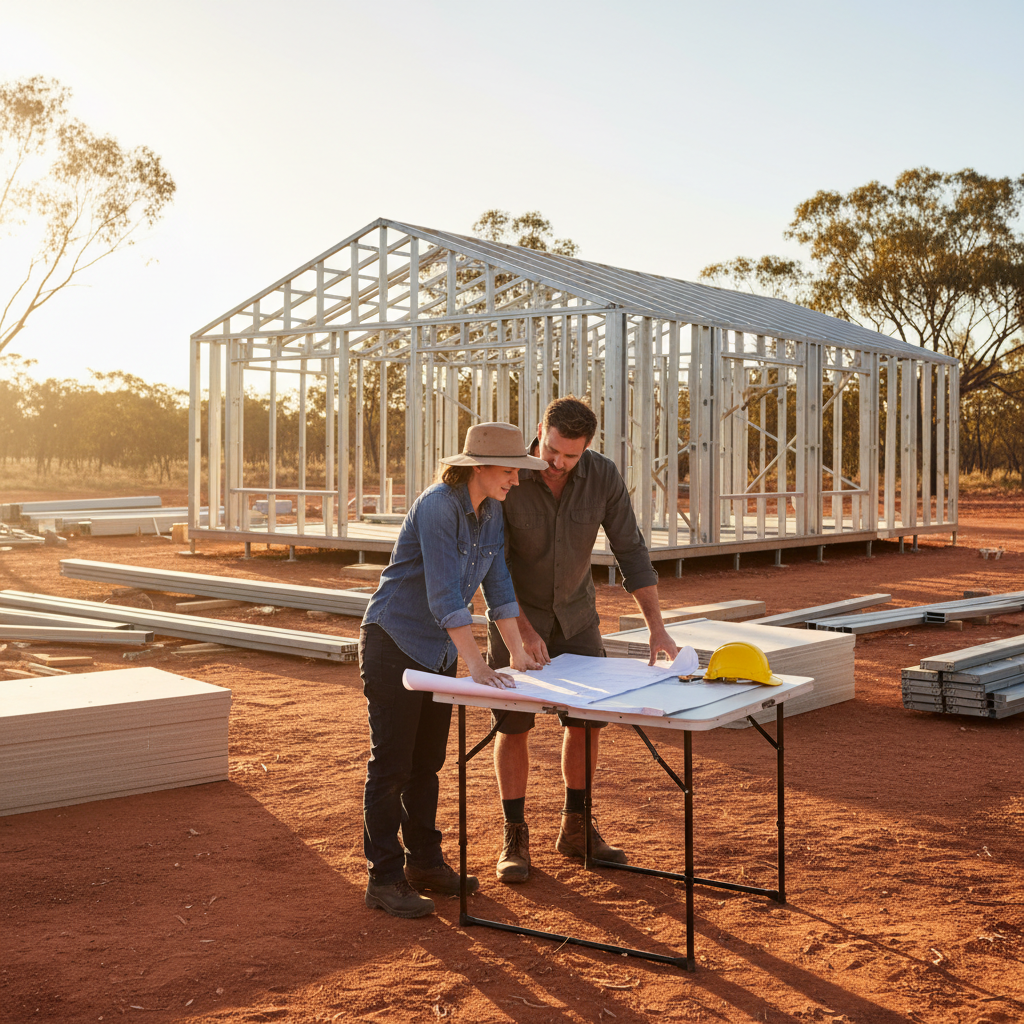
Managing your own build is not for the faint of heart, but it is incredibly rewarding. You aren't just a bystander; you're the project manager. Here are a few things I've learned from watching people do this for fifteen years:
- Get your White Card early. You need it to be on your own site legally once the tradies start showing up.
- Talk to your local council before you buy anything. Every council has different rules about DA (Development Application) and Complying Development. Don't assume your neighbor's approval means yours will be a breeze.
- Organize your site access. If a semi-trailer turns up with your steel frames and your driveway is a boggy mess, you're going to have a bad afternoon.
- Label everything. When the windows and doors arrive, keep the manifests handy.
One of the biggest mistakes people make is trying to wing it with the trades. When you're an owner-builder, you need a solid plumber and a reliable sparky who are happy to work on a kit home project. Some old-school blokes are hesitant because they don't understand how steel frames work. Find the ones who do. They'll appreciate how straight the walls are, which makes their job of running pipes and wires through pre-punched holes a whole lot easier.
The Design Shift: Smaller and Smarter
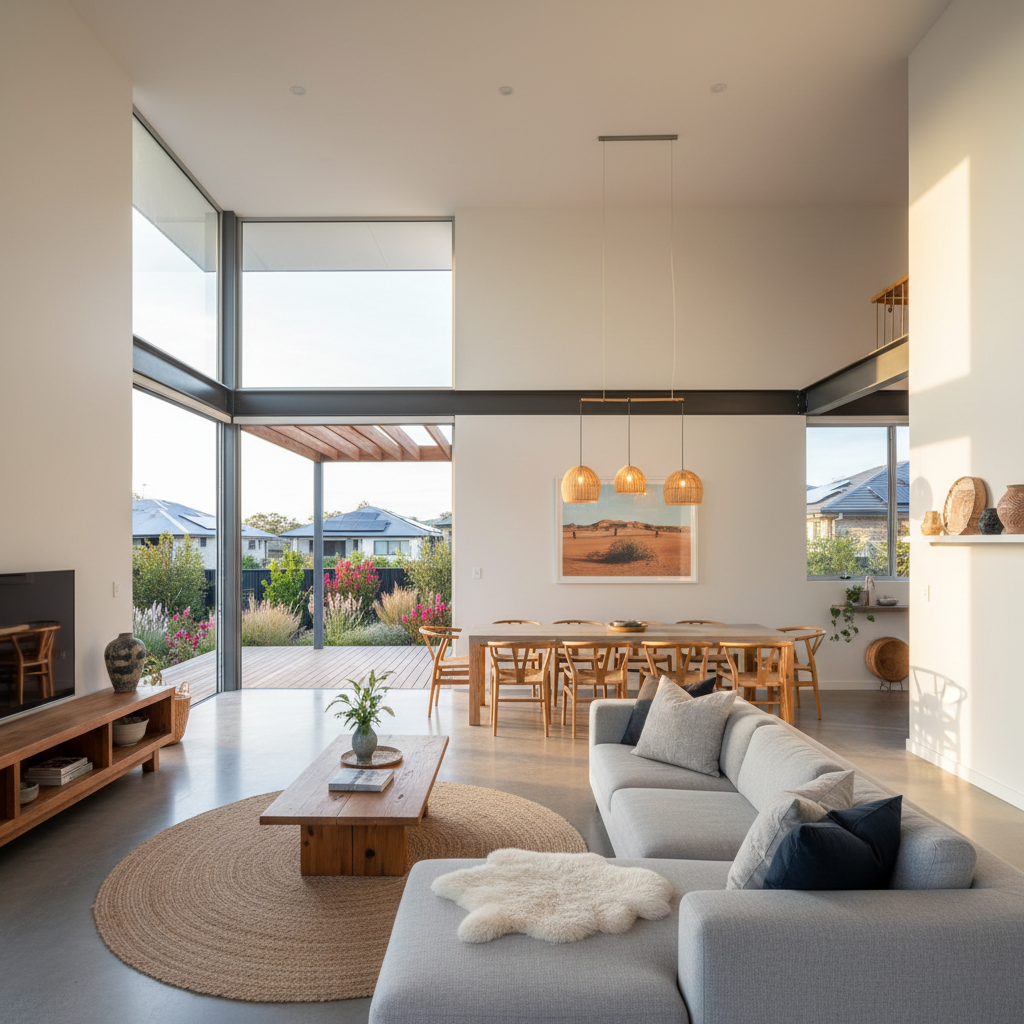
The Australian dream of the five-bedroom mansion on a quarter-acre block is dying, mostly because nobody wants to spend their whole weekend cleaning or mowing. The trend now is toward 'smart footprints'. People are choosing two or three-bedroom kit home designs that focus on high ceilings and open-plan living. They want the house to feel big without actually being big. This is a huge win for sustainability. A smaller house requires fewer materials to build and less energy to maintain. We are seeing heaps of people adding massive wrapping verandas to their kits. It creates that classic Australian look and acts as a natural cooling system by shading the external walls.
Building Techniques: What to Expect on Site
When the truck arrives at your site, it’s usually a mix of excitement and 'what have I done?'. Don't panic. The beauty of modern kit homes is the precision. We are talking about engineering that meets AS 4100 standards. The frames are light enough to be handled by a couple of people without needing a massive crane in most cases. You start with your slab or your floor system, then the wall frames go up following the layout plans. It’s a bit like a giant Meccano set for adults. Once the frames are braced and fixed, the roof trusses go on. Getting the structure 'under wrap' is the first major milestone. Once the roof and cladding are on, you can start breathing a bit easier because the weather won't stop the work inside.
But here is a tip for the newbies: check your levels constantly. If your slab is out by 20mm, your frames will let you know about it. Spend the extra time getting the foundations perfect. Everything else follows that line. If you mess up the base, you'll be fighting it all the way to the cornices.
The Lifestyle Factor
Why do people choose this route? It’s about more than just the building itself. It is about where the building sits. Most kit home buyers are looking to live in regional areas or on the fringes of the city where they can actually see some trees. They want a home that sits lightly on the land. By choosing cladding like Colorbond or weatherboards that can be easily painted to match the local eucalypts, these homes blend into the Australian bush rather than fighting against it. It's a lifestyle that prioritizes the outdoors. You build a kit home because you want a deck where you can sit with a cold drink at 5pm and watch the kookaburras, not because you want to show off a marble foyer to the neighbors.
People often ask if steel frames make noise at night. It's an old myth. With modern insulation and proper fixing techniques, you won't hear a peep. The frame doesn't shrink or swell with the seasons like timber does. This means you don't get those annoying cracks in the plasterboard or doors that stick every time it rains in February. It is just a solid, stable way to live. When you combine that stability with the environmental benefits of reduced waste and high-performance insulation, you've got a home that is ready for the next fifty years of Australian weather. It’s a practical, no-nonsense approach to building that finally puts the homeowner back in the driver’s seat.