The Shift Toward Conscious Construction in Australia
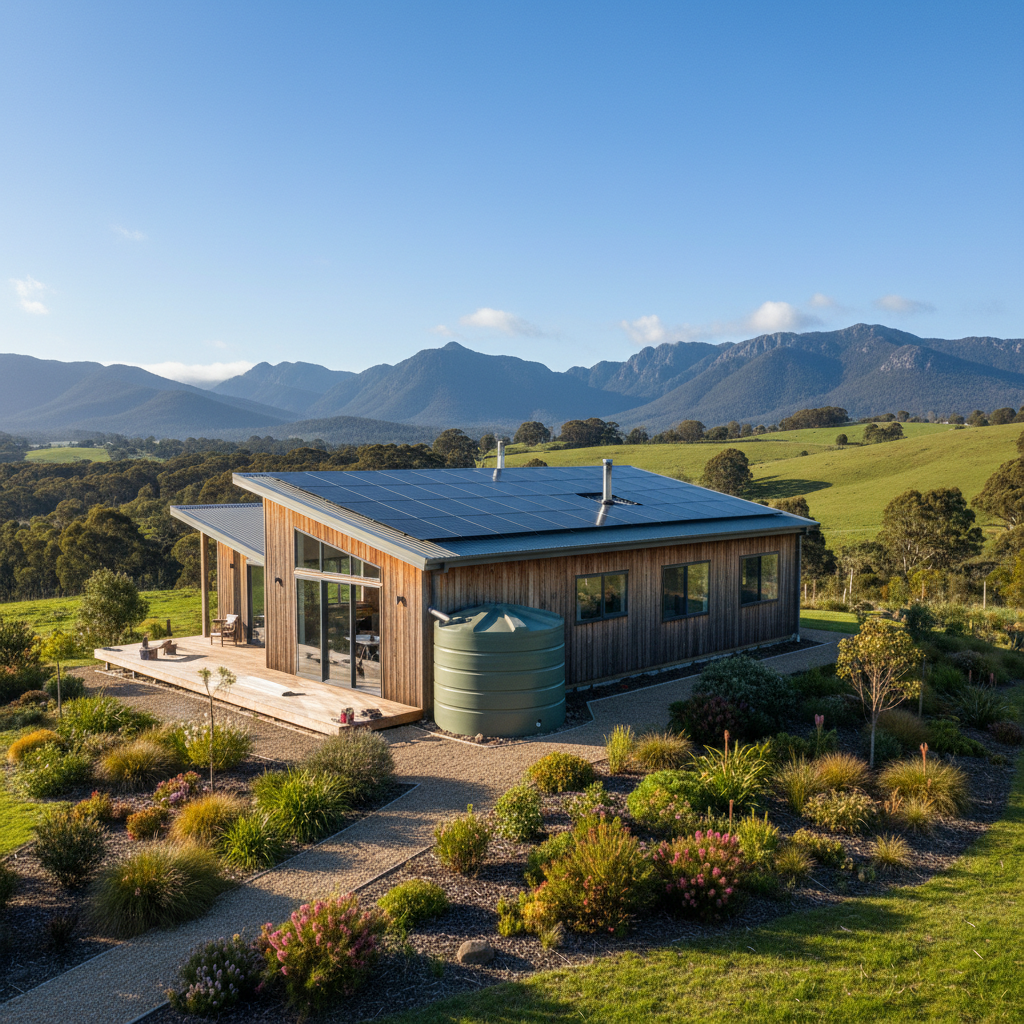
Australia is currently witnessing a significant shift in how we approach the Great Aussie Dream. For decades, the focus was primarily on size and speed. However, a new trend is emerging across the suburbs and rural heartlands of the country. Australian housing trends are leaning heavily toward sustainability, resilience, and personal involvement in the building process. At the forefront of this movement are kit homes, offering a path for owner builders to create dwellings that are as kind to the environment as they are to the soul.
This surge in sustainable building practices isn't just about installing a few solar panels or a rain tank. It is a holistic approach that considers the lifecycle of materials, the efficiency of the design, and the long term footprint of the household. As we navigate a changing climate and a desire for more meaningful lifestyles, the kit home model has become a beacon for those looking to build smarter, not just bigger.
Sustainability Meets the Kit Home Model
When we talk about sustainable building, we are looking at how a structure interacts with its environment. Modern kit homes are perfectly positioned for this because they allow for a high degree of customization and site specific orientation. Unlike mass produced development homes that are often plopped onto a block without regard for the sun, a kit home allows the owner builder to think critically about solar gain and natural ventilation.
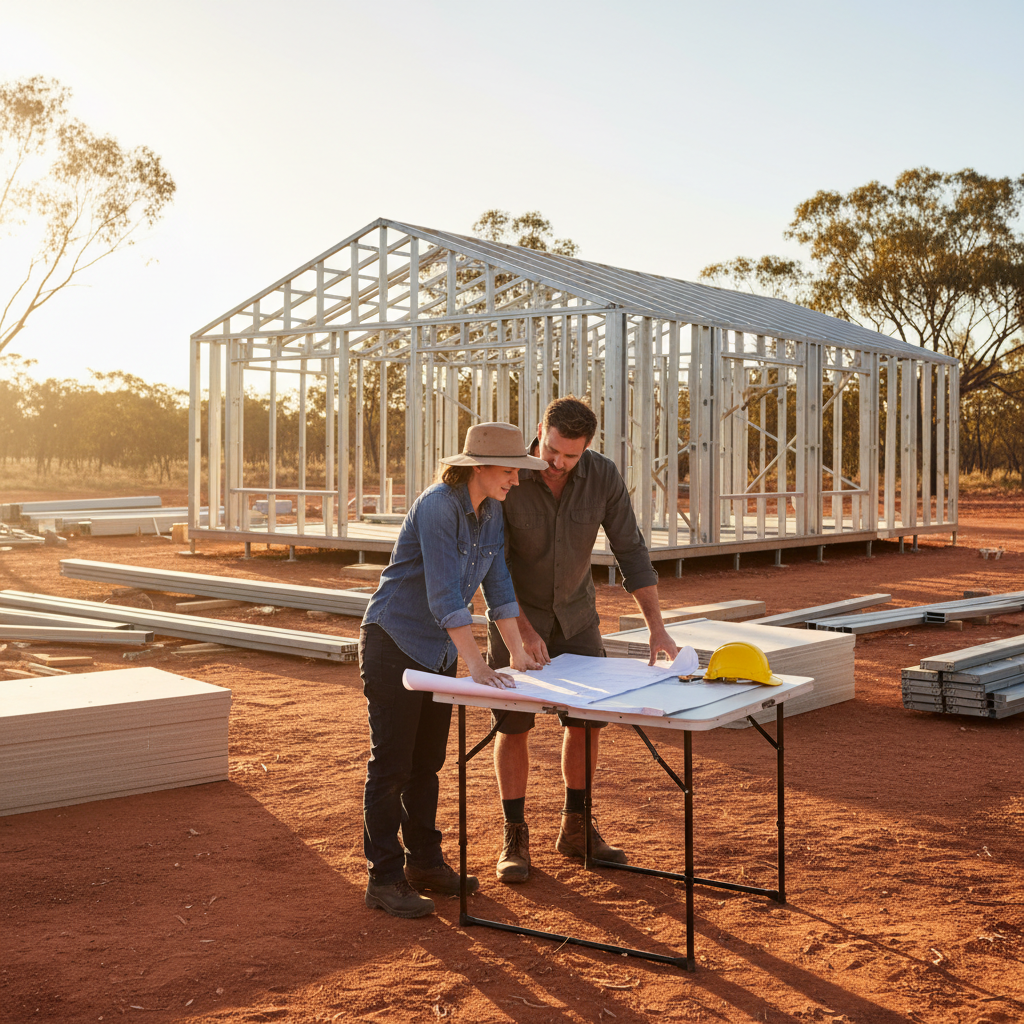
One of the most sustainable aspects of contemporary kit homes is the use of steel frames. Utilizing high quality products like BlueScope TRUECORE steel means building a skeleton for your home that is 100 percent recyclable. Steel is light, strong, and does not require the harsh chemical treatments often associated with termite protection in timber. This keeps the internal environment of the home healthier for the family while ensuring the structure can withstand the Australian elements for generations.
The Rise of the Informed Owner Builder
The Australian housing trend toward DIY and owner building is more than just a hobbyist pursuit. It is about a desire for transparency. When you act as the project manager for your own kit home build, you know exactly what is going into your walls. You control the quality of the insulation, the source of your cladding, and the efficiency of your windows.
Being an owner builder allows you to prioritize green features that might be overlooked by a commercial volume builder. You can choose to invest in higher R-value insulation or double glazed windows that significantly reduce the energy required to heat and cool your home. In the Australian context, where summer heat can be relentless, these choices make a massive difference in long term liveability.
Practical Tips for Planning Your Sustainable Kit Home
If you are looking to join the ranks of Australians building sustainably via the kit home route, here are some practical tips to keep your project on track and eco-friendly:
1. Prioritize Passive Design
Before the first truck arrives on site, look at your block. Position your living areas to face North to capture the winter sun. Ensure your kit home design allows for cross pollination of breezes. Even the most advanced technology can't beat the efficiency of a well-placed window that catches a cool afternoon wind.
2. Choose High Quality Materials
The sustainability of a home is tied to its longevity. Using durable materials like Australian BlueScope steel for the framing and roofing ensures your home survives the harsh UV rays and potential fire risks found in our landscape. Choose cladding that is rated for your specific weather zone to avoid premature degradation and waste.
3. Manage Your Waste
One of the hidden benefits of a kit home is the reduction in site waste. Because the frames and components are often engineered to precise measurements before arriving on site, there is far less off-cut waste compared to a traditional stick-build. As an owner builder, you can further this by carefully managing your site deliveries and recycling any packaging materials.
The Lifestyle Benefits of Sustainable Design
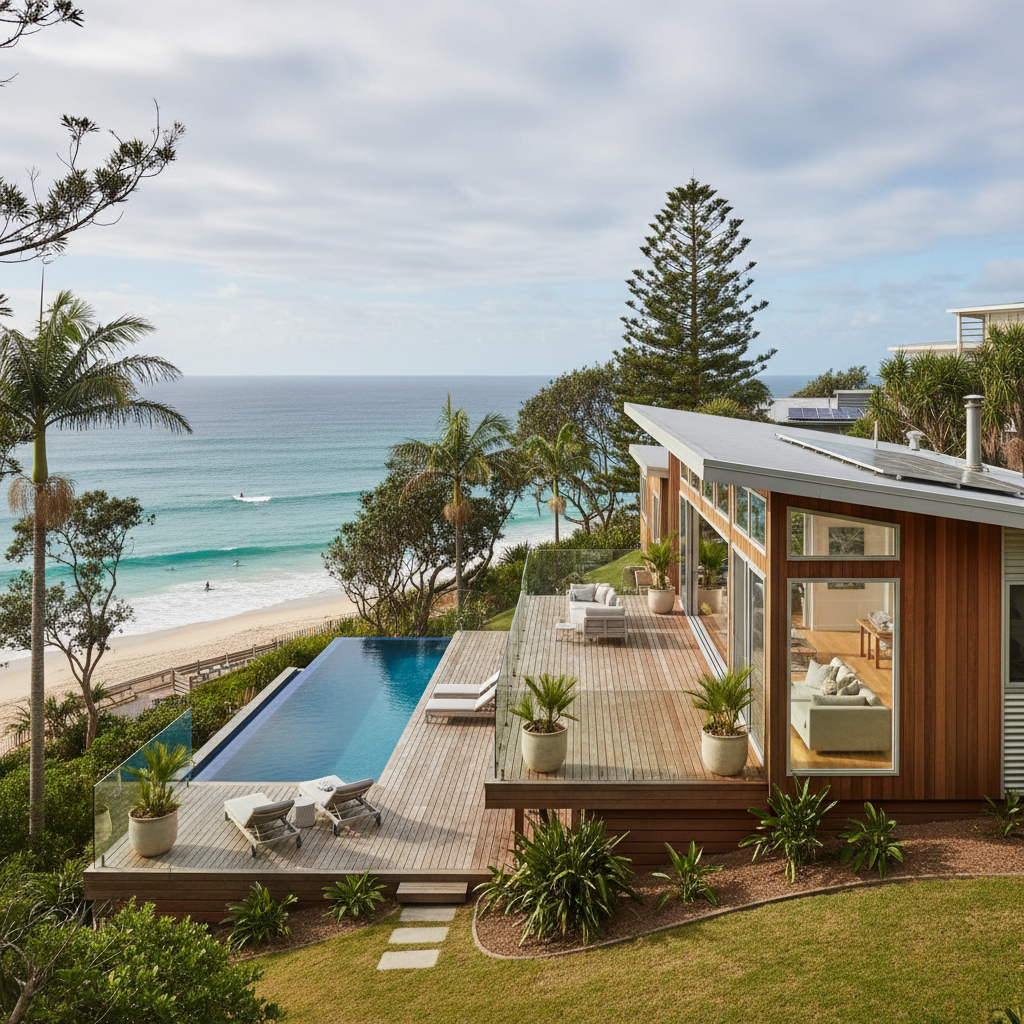
Building a sustainable kit home isn't just a win for the planet; it is a win for the people living inside. We are seeing a trend where Australian homeowners are prioritizing 'well-being' in their designs. This means plenty of natural light, non-toxic building materials, and a seamless connection between the indoors and the outdoors.
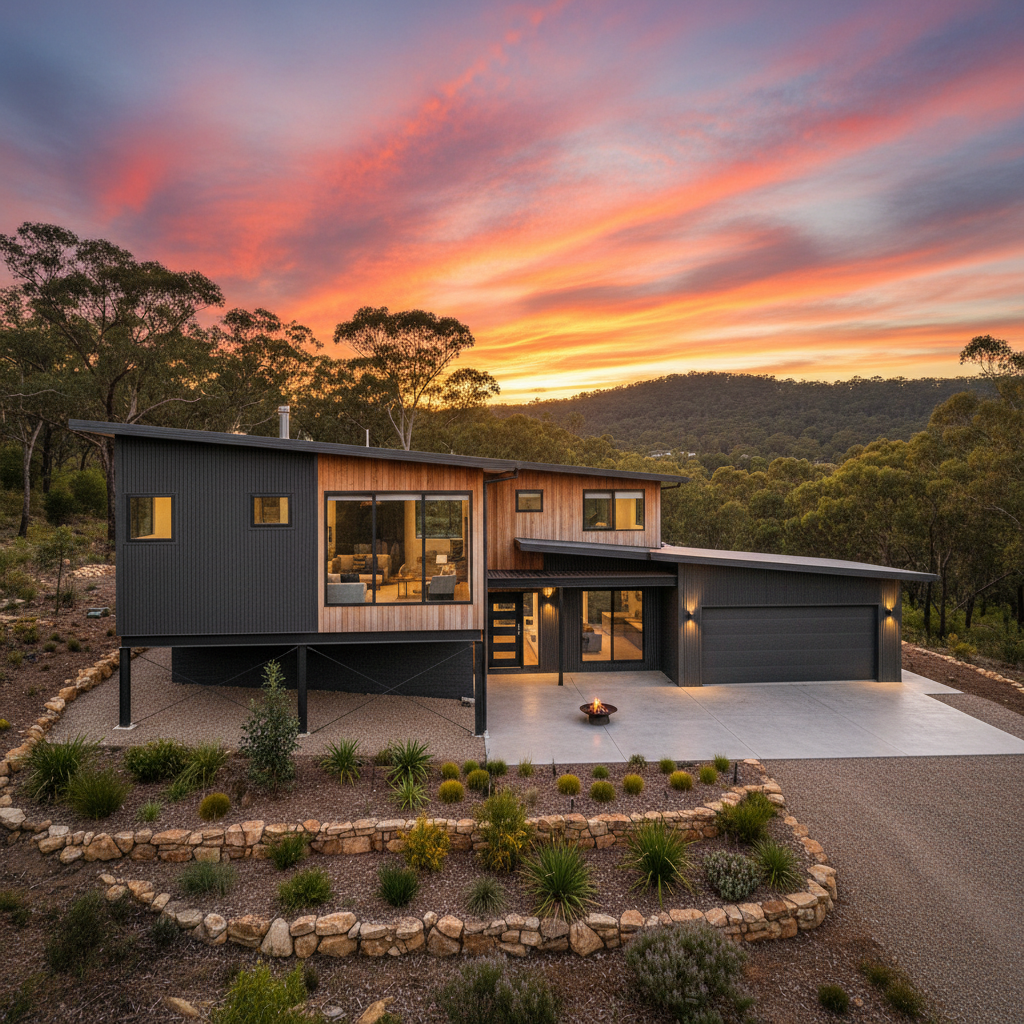
Kit homes are versatile enough to accommodate these lifestyle trends. Open plan living areas that flow out onto decks, Large windows that frame the Australian bush, and minimalist interiors that reduce clutter all align with the modern desire for a simpler, more intentional life. When your home is built with precision steel frames, you can achieve those wide, open spans and large window openings that define contemporary Australian architecture.
Owner Builder Tips: Navigating the Process
Taking on the role of an owner builder is an empowering journey, but it requires diligent preparation. Here is some hands-on guidance for managing your project successfully:
- Understand Your Site: Before ordering your kit, ensure your site works are completed. This includes a level building pad and clear access for delivery trucks. A well-prepared site prevents delays and extra costs.
- Vet Your Trades: Even if you are doing a lot of the work yourself, you will need licensed plumbers and electricians. Find tradespeople who are comfortable working with steel frames and who share your commitment to a high quality finish.
- Document Everything: Keep a detailed log of your build. Take photos of the frames before the cladding goes on, and keep all your certificates of compliance in one place. This is vital for your final occupancy permit and for future resale value.
The Enduring Appeal of Steel
In the world of kit homes, steel is often the silent hero. Beyond its environmental credentials, the technical benefits are hard to ignore. Steel frames stay straight and true. They don't warp, twist, or shrink over time, which means no cracked cornices or sticking doors down the track. For an owner builder, this precision is a godsend. It makes the installation of windows, doors, and internal linings much more straightforward, as you are working with a perfectly square structure.
Furthermore, in many parts of Australia, bushfire resilience is a non-negotiable. Steel is non-combustible and provides a robust foundation for building in high Bushfire Attack Level (BAL) zones. It is this combination of safety, sustainability, and structural integrity that keeps steel at the heart of Australian housing trends.
Conclusion: Shaping the Future of Australian Homes
The intersection of kit home flexibility and sustainable building practices is creating a new standard for Australian living. By taking the reins as an owner builder, you aren't just constructing a house; you are participating in a movement toward more responsible, resilient, and personalized housing. Whether it is the recyclability of a steel frame or the clever application of passive solar design, every choice you make contributes to a better way of living.
As we look to the future, the Great Aussie Dream is evolving. It is no longer just about owning a piece of dirt, but about what we build on that dirt and how it stands the test of time. With the right planning, a high quality kit, and a bit of DIY spirit, you can build a home that is beautiful, functional, and truly sustainable.