Stop building porches and start building rooms
Most people screw up their outdoor area before they even pour the slab. They treat the alfresco as an afterthought, a little 3x3 concrete square out the back where they'll eventually toss a rusted barbie and a couple of plastic chairs. It's a waste. If you're building a kit home in Australia, especially if you're pulling the owner-builder trigger, that outdoor space is actually your most valuable room. It's where you'll spend Christmas lunch and humid February nights. It needs to be part of the floor plan from day one, not a tacked-on extra.
I've seen too many DIYers get caught out by wind loads and sun angles. They buy a beautiful steel frame kit, get the house standing, and then realize the afternoon sun is going to bake their deck into a frying pan. You have to think about orientation before the first truck arrives on site. In most parts of Oz, you want that outdoor area facing South-East or North-East. Avoid the West like the plague. If you've got a Western facing deck, you're going to spend every afternoon behind a blind, and that's just a sad way to live.
The steel advantage for big spans
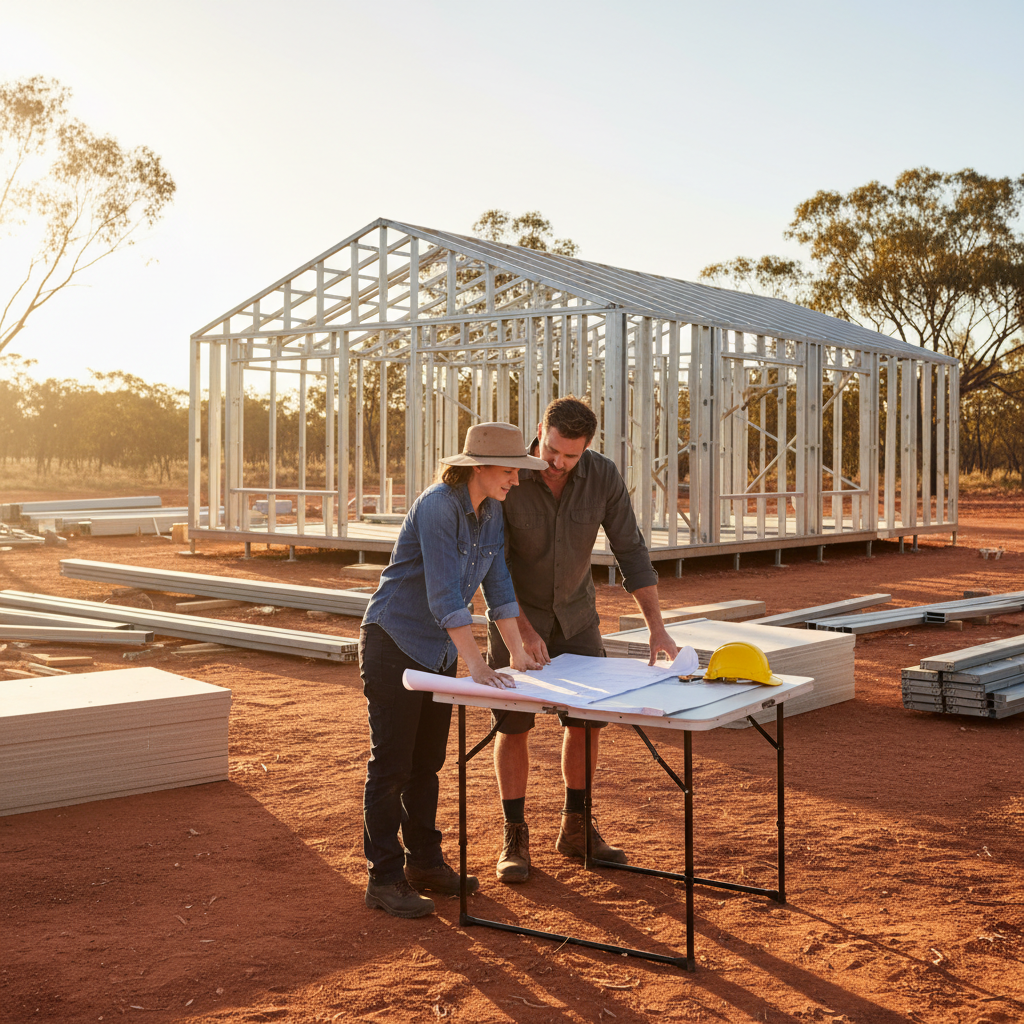
One reason kit homes work so well for lifestyle designs is the gear they're made from. We use BlueScope TRUECORE steel. Why? Because it's dead straight and it stays that way. When you're trying to create a massive, open-plan flow from your kitchen to your deck, you want wide spans. You don't want a forest of pillars blocking your view of the pool or the scrub. Steel has a strength-to-weight ratio that timber just can't touch for the same price point. You can get those big, clean openings that make a small footprint feel like a mansion.
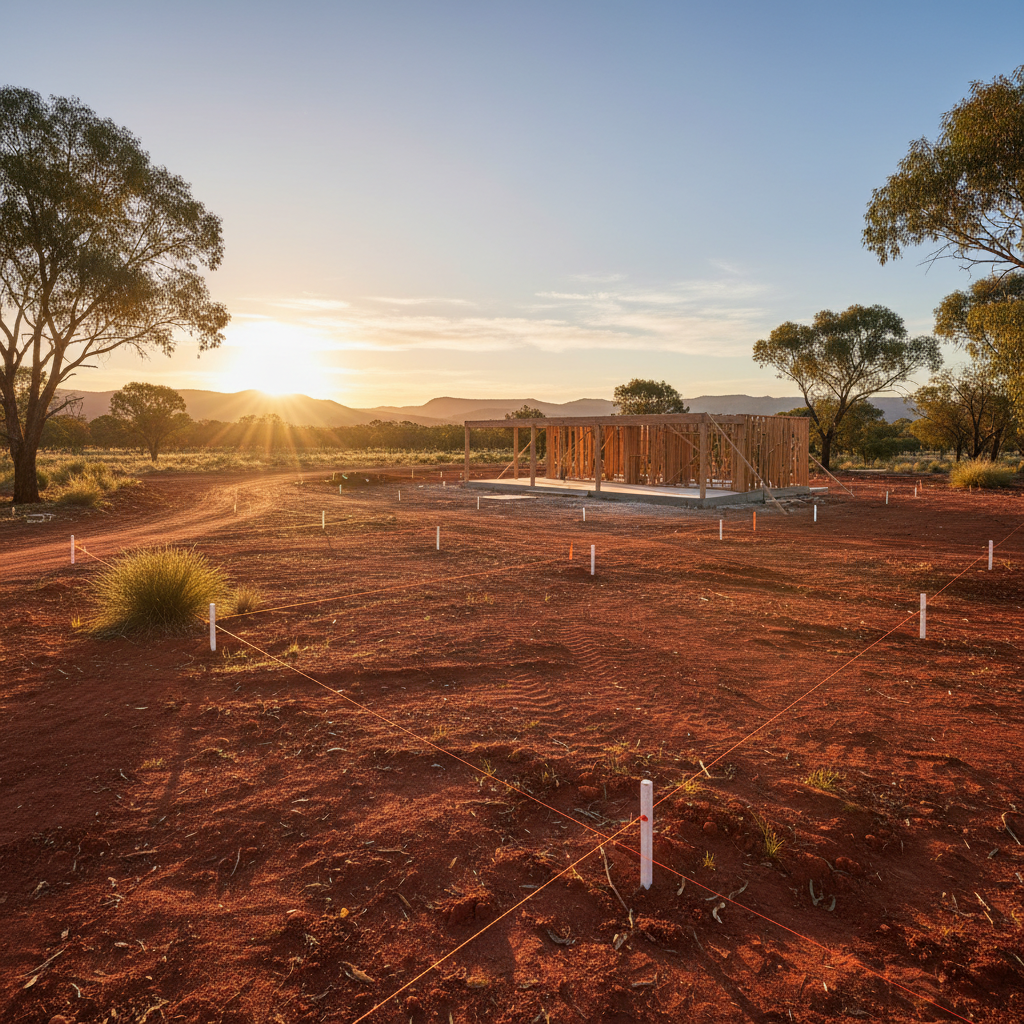
Plus, termites. If you're building in Queensland or the Top End, timber is basically a buffet. Using a steel frame for your kit gives you that peace of mind. It won't twist, warp, or rot when the humidity hits 90 percent. Just make sure when you're doing your site works, you've got your levels sorted so the transition from the internal floor to the alfresco is flush. Nobody wants a 100mm trip hazard when they're carrying a tray of drinks.
Dealing with the BAL rating headache
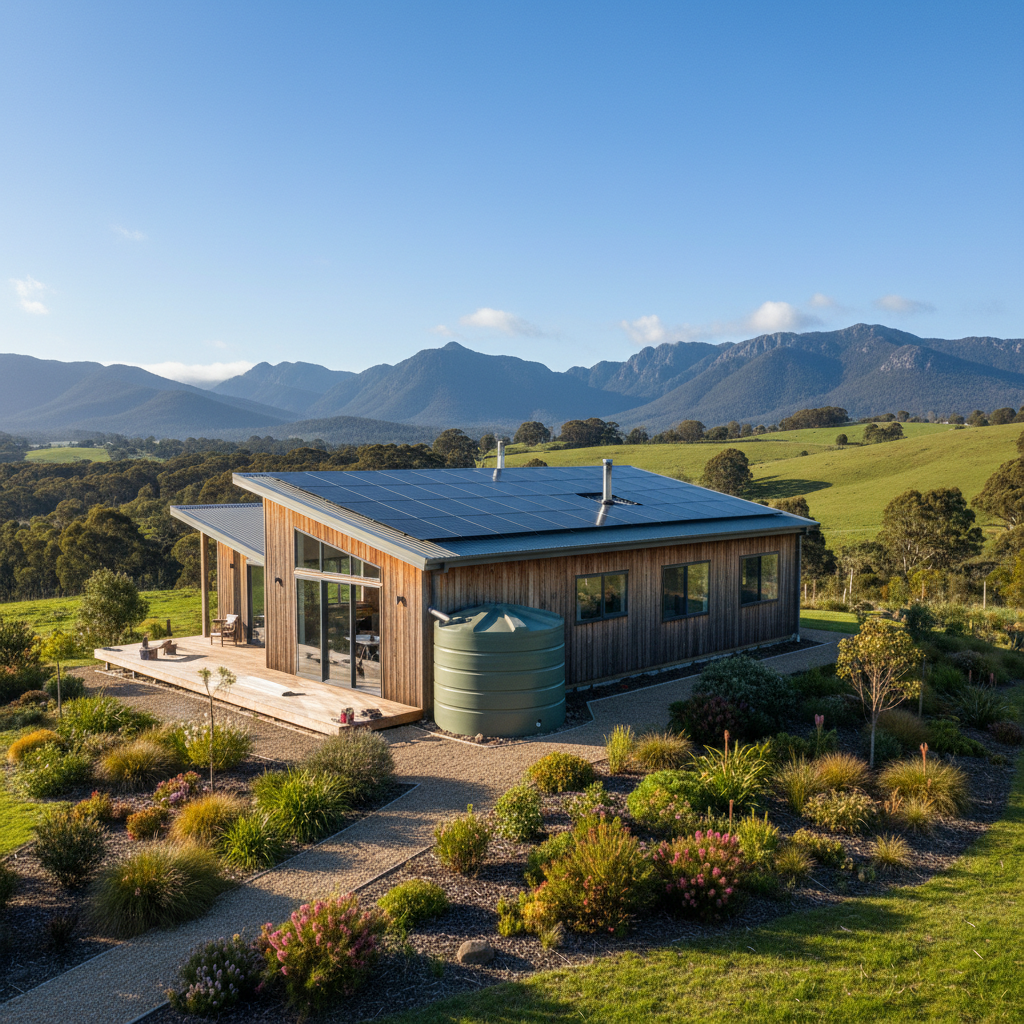
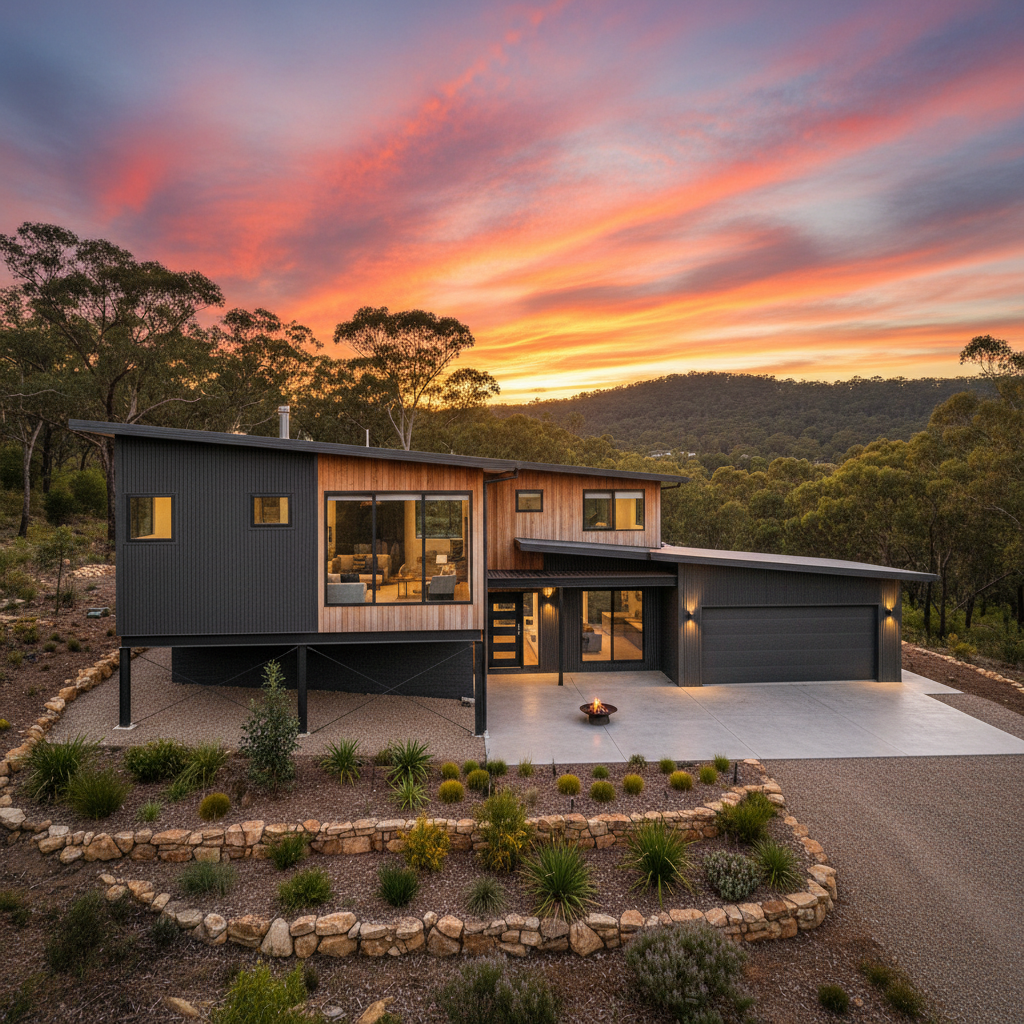
If you're building in the bush, or even on the fringes of the suburbs, you're going to hit a Bushfire Attack Level (BAL) rating. It's a fact of life now. This is where kit homes really shine. Because the exterior is often clad in steel or non-combustible materials, meeting your BAL-29 or even BAL-40 requirements is much simpler than traditional builds. But your alfresco needs to match. Do not go and spend fifty grand on a kit home only to deck it out with flammable timber that the council will knock back at the final inspection. Use composite decking or tiled concrete. Keep the fuel load away from the house walls. It's common sense, but you'd be surprised how many people forget the basics when they're looking at pretty pictures on Pinterest.
Light, air, and the 'Vernacular' feel
Let's talk about rooflines. A lot of kits come with a standard 22.5-degree pitch. That's fine for the house, but for the alfresco, you might want to consider a skillion or a raised fly-over roof. Why? Heat. Heat rises. If you trap it under a low, flat ceiling, you're going to sweat. A fly-over roof allows the hot air to escape and lets a breeze pull through the gap. It's an old-school Aussie building trick that works better than any fancy fan you can buy.
And speaking of fans, get them. Even if you think you don't need them. Get the electrician to wire up two or three big, industrial-sized fans in the ceiling during the rough-in. It's cheaper to do it while the frames are exposed than to try and retro-fit them later when you're sick of the flies. Pair that with some LED downlights on a dimmer, and you've got an area you can actually use at night without being blinded or eaten alive by mozzies.
The owner builder reality check
Being an owner-builder is a slog. I won't sugarcoat it. You're the one chasing the plumber at 6am on a Tuesday. You're the one making sure the windows arrive on the same day the glazed sliding doors do. For the alfresco, the trick is to treat it as a separate mini-project. Get your slab poured at the same time as the main house to save on the pump fee. It's usually a few hundred bucks for the pump to turn up, so if you can do the whole footprint in one hit, you're winning.
One thing I always tell people: don't skimp on the insulation. We include insulation in our kits for a reason. Even in the outdoor roof, it makes a massive difference. Without it, that metal roofing acts like a radiator. You'll feel the heat pulsing off it at 2pm in mid-January. A bit of blanket insulation under the sheets keeps the space ten degrees cooler. Easy win.
Materials that actually last
Australia is brutal on buildings. The UV is high, the rain is horizontal, and the salt spray eats everything if you're near the coast. When you're picking your finishes for the outdoor zone, look at the warranty. BlueScope steel is the gold standard here because it's tested at sites all over the country. If you're using Colorbond cladding for your kit, it’s going to hold its colour way longer than some cheap imported knock-off.
Think about the floors too. Polished concrete is popular because it's easy to hose down after a dusty weekend. If you go for tiles, make sure they have a high slip rating. I once saw a bloke spend three weeks tiling a beautiful outdoor area only to realize the first time it rained that he'd essentially built a 40-square-meter ice rink. He had to tear the whole lot up. Don't be that guy. Read the specs. Double check the R-rating on the box.
Kit home lifestyle tips for the long haul
Designing for the way you actually live means thinking about the small stuff. Where are the power points going? You need more than you think. One for the bar fridge, one for the BBQ igniter, and maybe a couple near the seating area for when everyone's phones are dying. It sounds trivial, but running extension leads across a deck is a great way to break a neck. Put them in the plan before the wall sheets go on.
Also, consider your plumbing. Even if you aren't doing a full outdoor kitchen right now, getting a cold water pipe and a waste outlet dropped into the slab while the plumber is on site is a pro move. It costs almost nothing at the start. It costs thousands once the concrete is dry. You might want a small sink later to wash your hands after gardening or to fill up the dog's water bowl. Planning for future-you is the smartest thing a builder can do.
The verdict
Building a kit home gives you a massive head start on getting a high-quality, durable structure. But the 'lifestyle' part of the equation? That's on you. Use the strength of that steel frame to open up the views. Be smart about the sun. Don't fight the Australian climate, because you'll lose every time. Work with it. Build a space that invites the breeze in and keeps the sun out. Do that, and you'll have more than just a house. You'll have a place where you actually want to spend your time. And isn't that why we build in the first place?