The New Australian Dream is Custom-Built
For decades, the Australian property market was defined by the suburbia sprawl of cookie-cutter project homes. However, the events of the last few years have triggered a profound shift in how we perceive our living spaces. No longer just a place to sleep and commute from, our homes have become offices, gyms, schools, and private sanctuaries. This evolution has led to a surge in interest in kit homes, as Australians seek more control over their environment, their floor plans, and their future.
At Australian Housing Trends, we are seeing a move away from rigid, one-size-fits-all layouts. Today’s homeowners are looking for flexibility, sustainable materials, and the satisfaction of being involved in the creation of their own dwelling. The rise of the owner-builder movement is not just about the finished product, it is about the journey of creating a home that reflects a specific lifestyle.
Designing for the Hybrid Lifestyle
The post-pandemic world has normalized remote work, and this is reflected in modern kit home designs. We are moving past the tiny laptop nook in the corner of the kitchen. Instead, Australians are opting for floor plans that incorporate dedicated home offices or studio spaces. These areas are often positioned away from the main living zones to ensure a clear boundary between professional tasks and family life.
Multipurpose rooms are also high on the priority list. A room that serves as a playroom during the day can transition into a guest bedroom or a hobby space. The beauty of the kit home model is that it allows for this level of customization at the planning stage. When you choose a design, you can ensure it caters to your specific needs rather than trying to fit your life into a pre-existing box.
The Shift Toward Regional and Rural Living
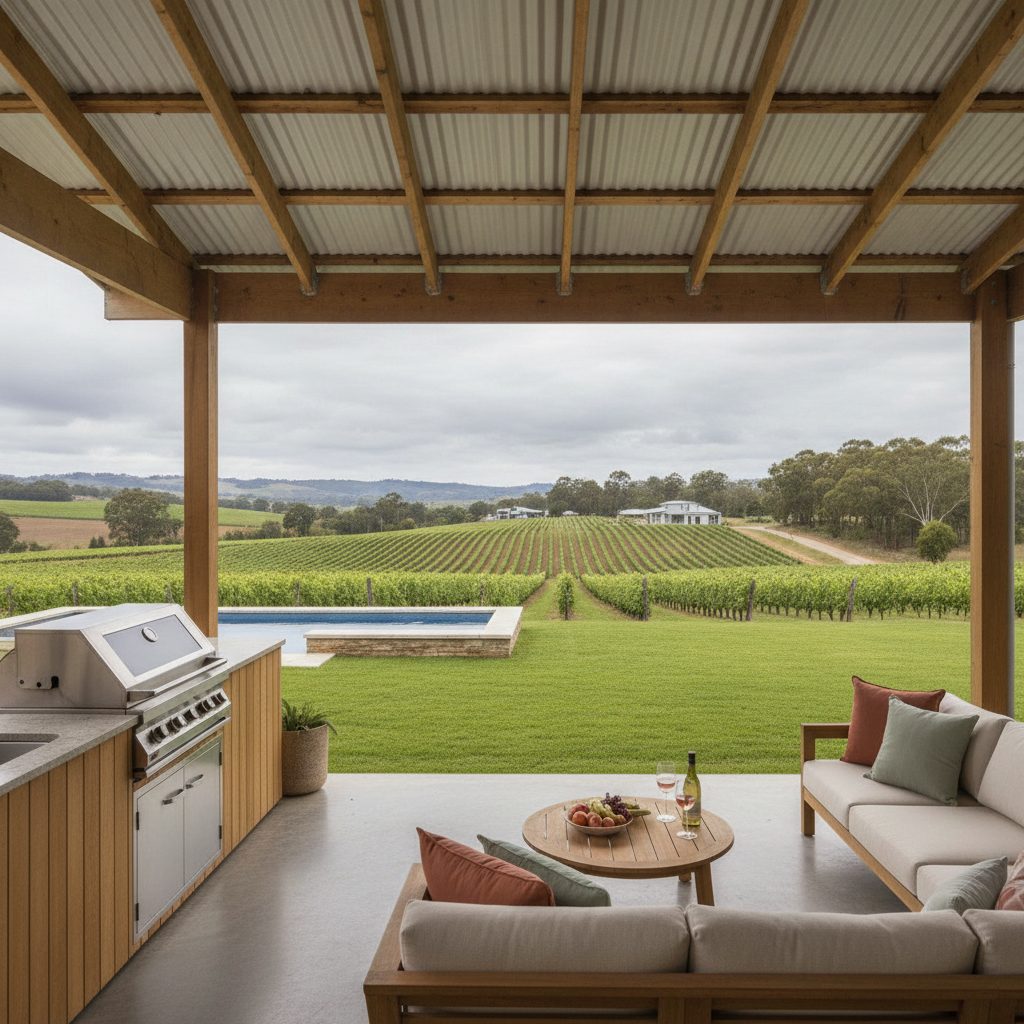
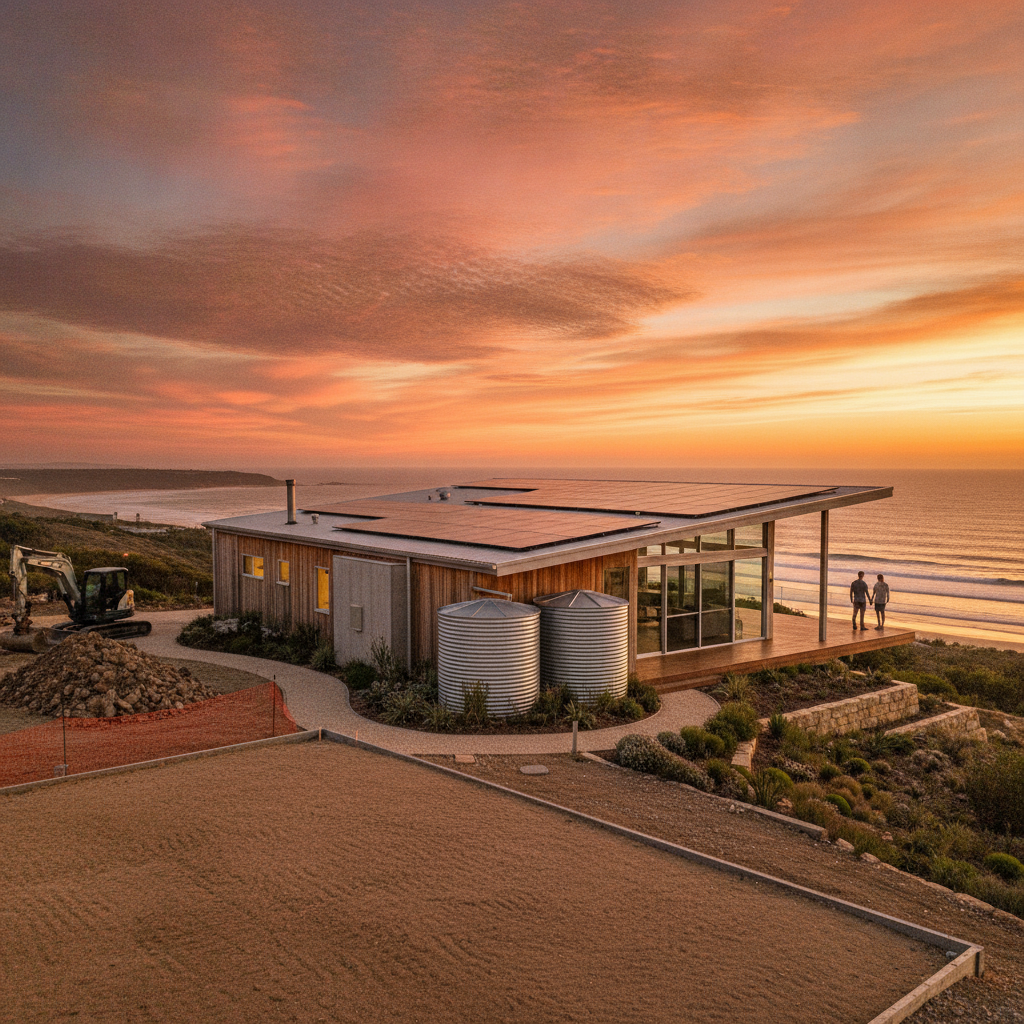
With the decentralization of the workforce, many Australians have traded the city lights for regional landscapes. This tree-change or sea-change movement has made kit homes an incredibly popular choice for those building on rural blocks. The logistical ease of having a home delivered as a comprehensive kit makes it much more manageable than traditional builds in remote areas where sourcing individual materials can be a nightmare.
These regional homes often focus on a connection to the landscape. Large windows, wide verandahs, and open-plan living areas that spill out onto decks are staples of the modern Australian aesthetic. By using high-quality materials like BlueScope TRUECORE steel for the framing, owners ensure their homes are sturdy enough to withstand the diverse Australian climate, from the intense sun to the occasional rugged storm.
Kit Home Tips: Planning for Success
If you are considering joining the growing number of Australians opting for a kit home, preparation is your best tool. Here are a few practical pointers to help you navigate the process:
- Evaluate Your Site First: Before settling on a design, understand your land. Consider the sun’s orientation, the slope of the block, and any local council overlays like bushfire attack levels (BAL). These factors will dictate your window placement and material choices.
- Check Your Local Regulations: Every council in Australia has different rules. Ensure your chosen kit home design meets the specific requirements for your zone. Most kit home providers will provide the necessary architectural drawings and engineering certificates to help you with the DA process.
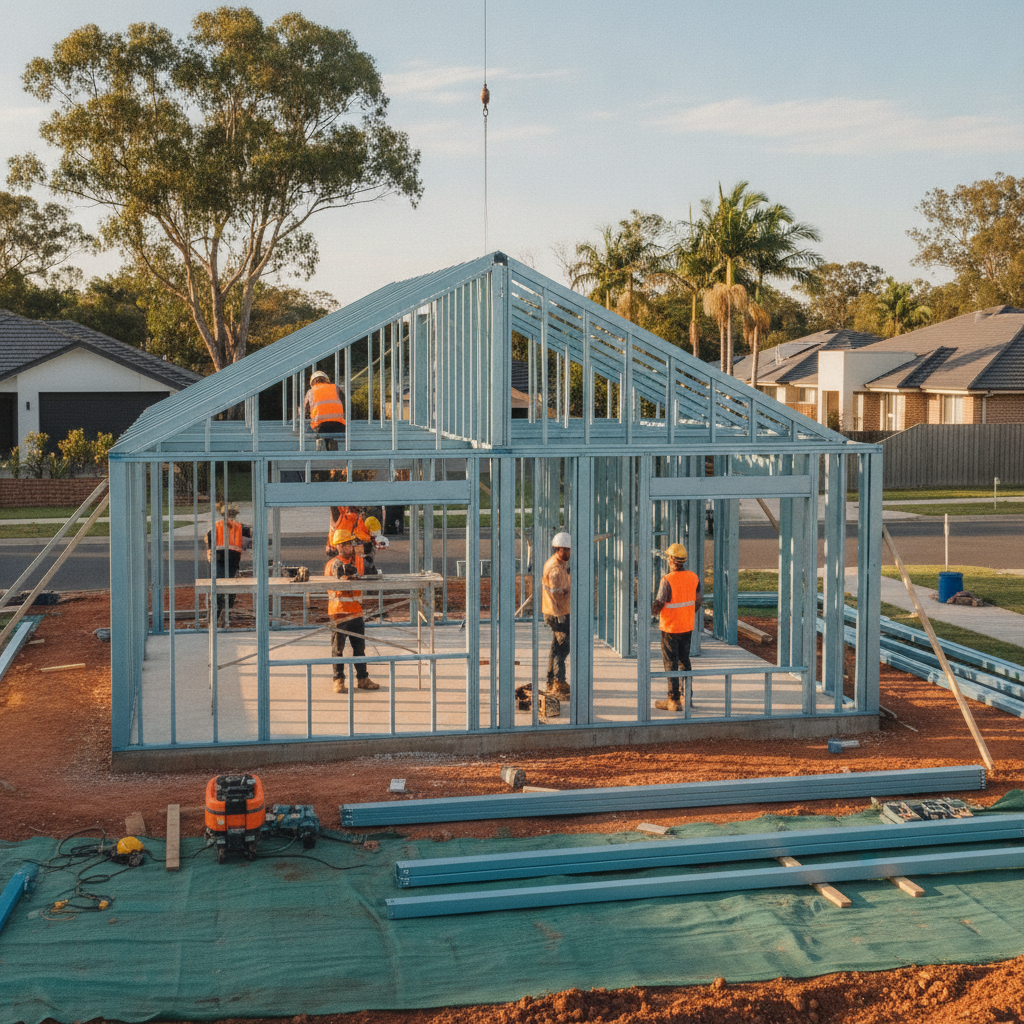
- Focus on the Envelope: A good kit usually includes the primary components, the steel frames, cladding, roofing, and windows. Think of this as the weather-tight shell of your home. Once this is up, you have the freedom to take your time with the internal fit-out.
The Rise of the Savvy Owner-Builder
There is a unique sense of pride that comes with being an owner-builder. While you don’t necessarily have to swing every hammer yourself, taking the role of the project manager allows you to hand-pick your trades and oversee every detail. This hands-on approach is a key trend in Australian housing, driven by a desire for transparency and quality control.
Owner-builders are increasingly tech-savvy, using project management apps to track progress and sourcing inspiration from social media to refine their interior design. They are looking for systems that simplify the heavy lifting, which is why pre-punched steel frames are so popular. They are lightweight, straight, and relatively easy to assemble, which takes a lot of the guesswork out of the structural phase.
Owner-Builder Tips: Managing Your Project
Managing your own build is a marathon, not a sprint. To keep things moving smoothly, keep these tips in mind:
- Build a Strong Trade Network: Even if you are doing much of the work yourself, you will need licensed plumbers and electricians. Start talking to local tradespeople early. Showing them your kit home plans can help them understand the scope of the project.
- Stay Organized: Keep a centralized folder for all your permits, site inspections, and material deliveries. A well-organized site is a safer and more efficient site.
- Don't Be Afraid to Ask Questions: Your kit provider is a wealth of knowledge. If you are unsure about how a specific component fits together, reach out. It is always better to double-check during the assembly phase than to fix a mistake later.
Design Trends: Aesthetics Meet Functionality
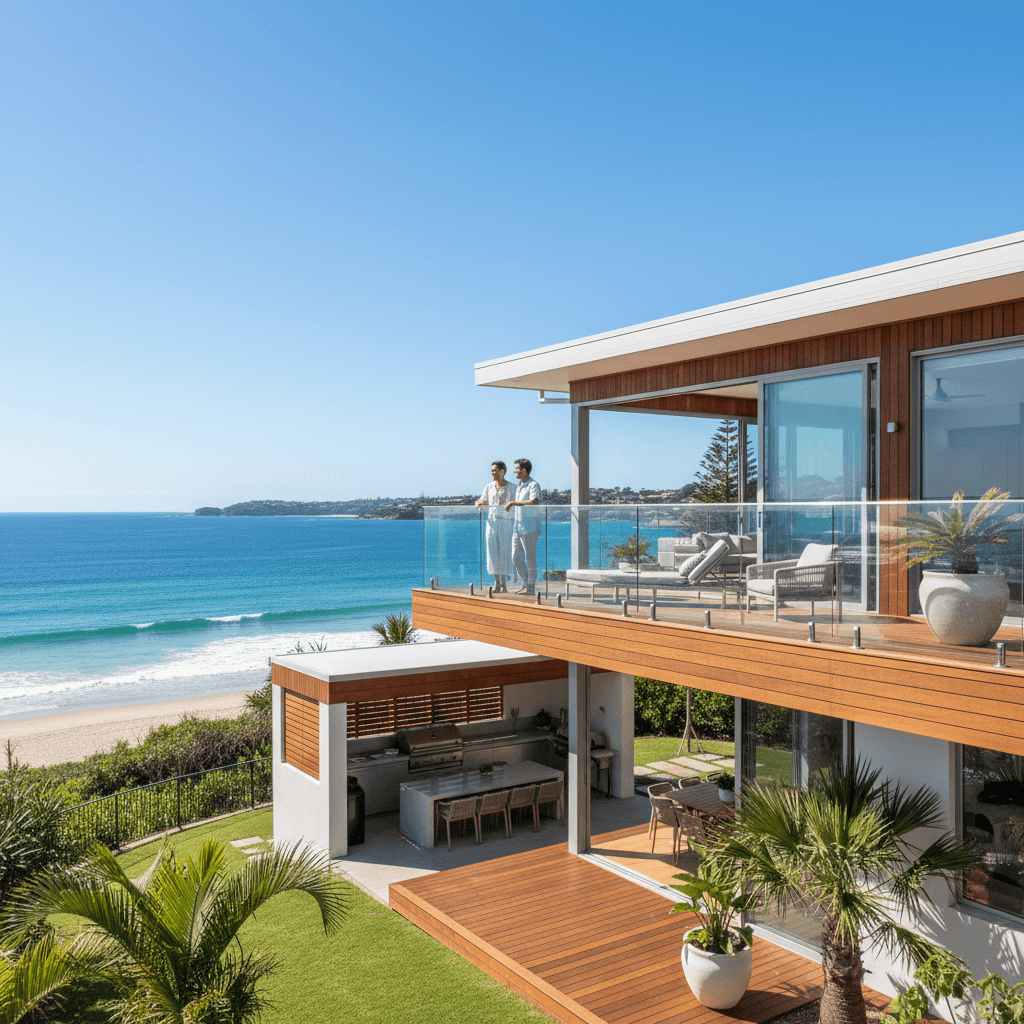
Current Australian design trends favor a mix of modern industrial and contemporary coastal styles. We are seeing a lot of corrugated steel cladding paired with timber accents to create a look that is both rugged and refined. Internally, the trend is toward minimalism with a focus on natural light. High ceilings and raked rooflines are being used to create a sense of space, even in smaller footprints.
Sustainability is no longer a buzzword, it is a requirement. Kit homes are leaning into this by incorporating high-quality insulation and double-glazed windows. Selecting a steel frame also aligns with these values, as steel is 100 percent recyclable and durable, meaning the home is built to last for generations without warping or attracting termites.
The Importance of Quality Foundations
While the design and layout are what you see, the structural integrity is what you live in. The preference for steel framing in Australia is growing because it offers a level of precision that traditional timber struggle to match. Steel frames are manufactured in a controlled environment to exact specifications. For an owner-builder, this means the walls are straight, the corners are square, and the windows fit perfectly every time. This precision simplifies the finishing stages, such as plastering and cabinetry, saving time and reducing frustration.
Conclusion: Creating Your Future
The Australian housing landscape is changing, and the rise of the kit home is a testament to our desire for independence and personalization. By embracing the role of the owner-builder, Australians are reclaiming the building process, creating homes that are perfectly tailored to their new, post-pandemic lifestyles. Whether it is a quiet retreat in the bush or a modern family home on the coast, the kit home offers a path to a bespoke living space that is built on a foundation of quality, flexibility, and personal pride.
As you embark on your building journey, remember that the most important element of any home is how it makes you feel. By taking control of the design and the build, you are not just putting up walls, you are crafting a backdrop for your life’s best moments.