The New Shape of the Australian Dream
For decades, the Australian Dream was a relatively static concept: a quarter-acre block, a brick-and-mortar bungalow, and a long commute to a central business district. However, recent years have triggered a seismic shift in how we view our living spaces. The post-pandemic landscape has forced us to reconsider what a home actually needs to do. No longer just a place to sleep, the modern Australian home is now a workplace, a sanctuary, a gym, and a sustainable retreat.
As Australians look for more control over their living environments, kit homes have emerged as a front-runner in this housing evolution. They represent a unique middle ground between the cookie-cutter suburban developer house and the prohibitively expensive bespoke architectural build. This shift isn't just about where we live, but how we build, leading to a massive resurgence in the owner-builder movement across the country.
Rethinking Design: The Post-Pandemic Priorities
Living through lockdowns changed our floor plan priorities almost overnight. The open-plan obsession of the early 2000s has been tempered by a need for functional zoning. People are now looking for dedicated home offices that offer acoustic privacy, rather than just a desk in the corner of the lounge room.
Australian housing trends are now leaning heavily toward versatility. Kit homes are uniquely positioned to meet this demand because they allow owner-builders to select designs that reflect these new realities. Common design shifts we are seeing include:
- The Multi-Purpose Mudroom: A transition space to kick off shoes and drop bags before entering the main living area.
- The Zoom Room: Purpose-built nooks with clean backgrounds and good natural lighting for remote work.
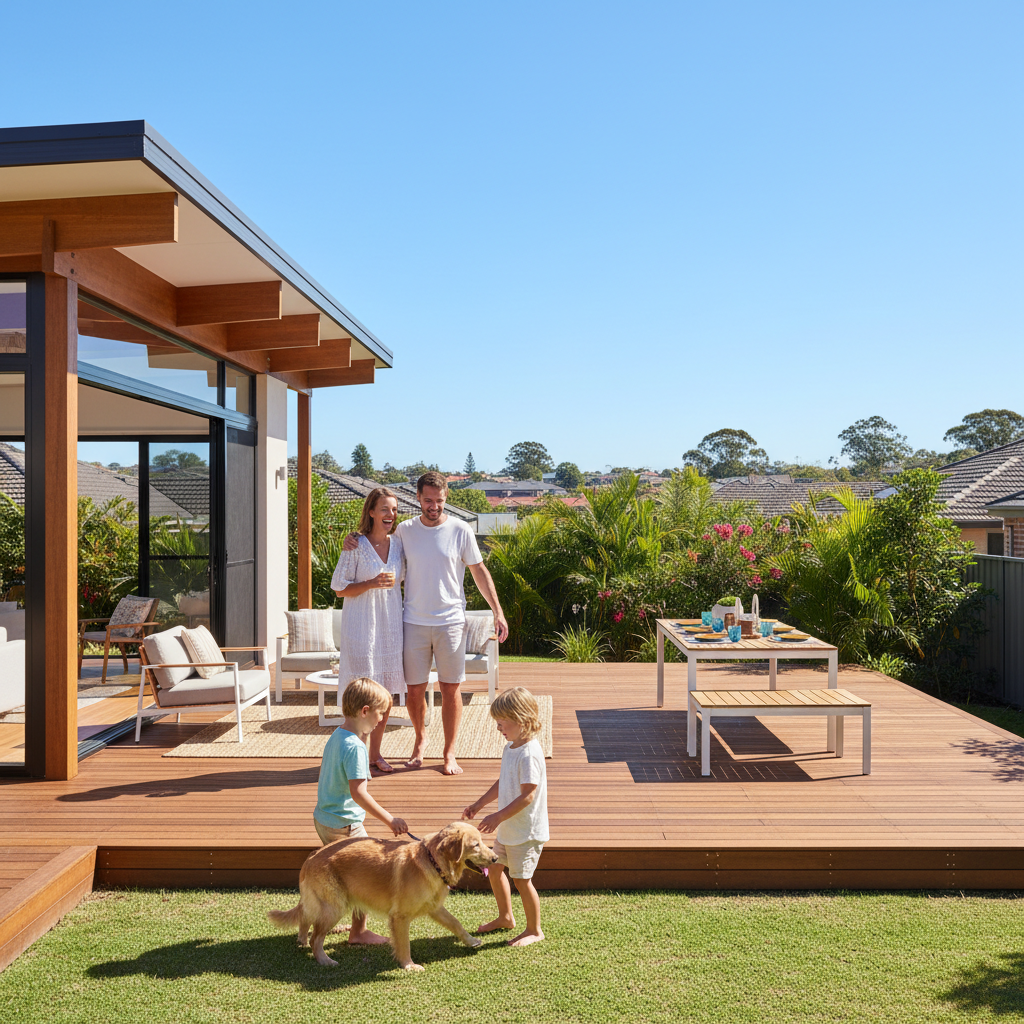
- Outdoor Integration: A deeper connection between the kitchen and the deck, treating the Australian climate as an extension of the living room.
- The Sanctuary Suite: Designing bedrooms as private retreats away from the main hubbub of the house.
The Rise of the Empowered Owner-Builder
One of the most exciting trends in the Australian housing market is the rise of the empowered owner-builder. Australians are notoriously handy, and with the wealth of information available online, more people are taking the reins of their own construction projects. Choosing a kit home is often the catalyst for this journey.
By opting for a kit home, you aren't just buying a house, you are buying a project where you are the project manager. This provides a level of transparency that is often missing in traditional building contracts. You know exactly what materials are going into your walls, from the high-quality BlueScope steel frames to the specific insulation and cladding systems. This hands-on involvement ensures that the quality meets your personal standards, not just the minimum building code.
Why Steel-Framed Kits are Winning
When looking at modern building techniques, the move toward steel frames, specifically products like TRUECORE steel, has become a hallmark of quality kit homes in Australia. There are several lifestyle and longevity reasons for this preference in the current market.
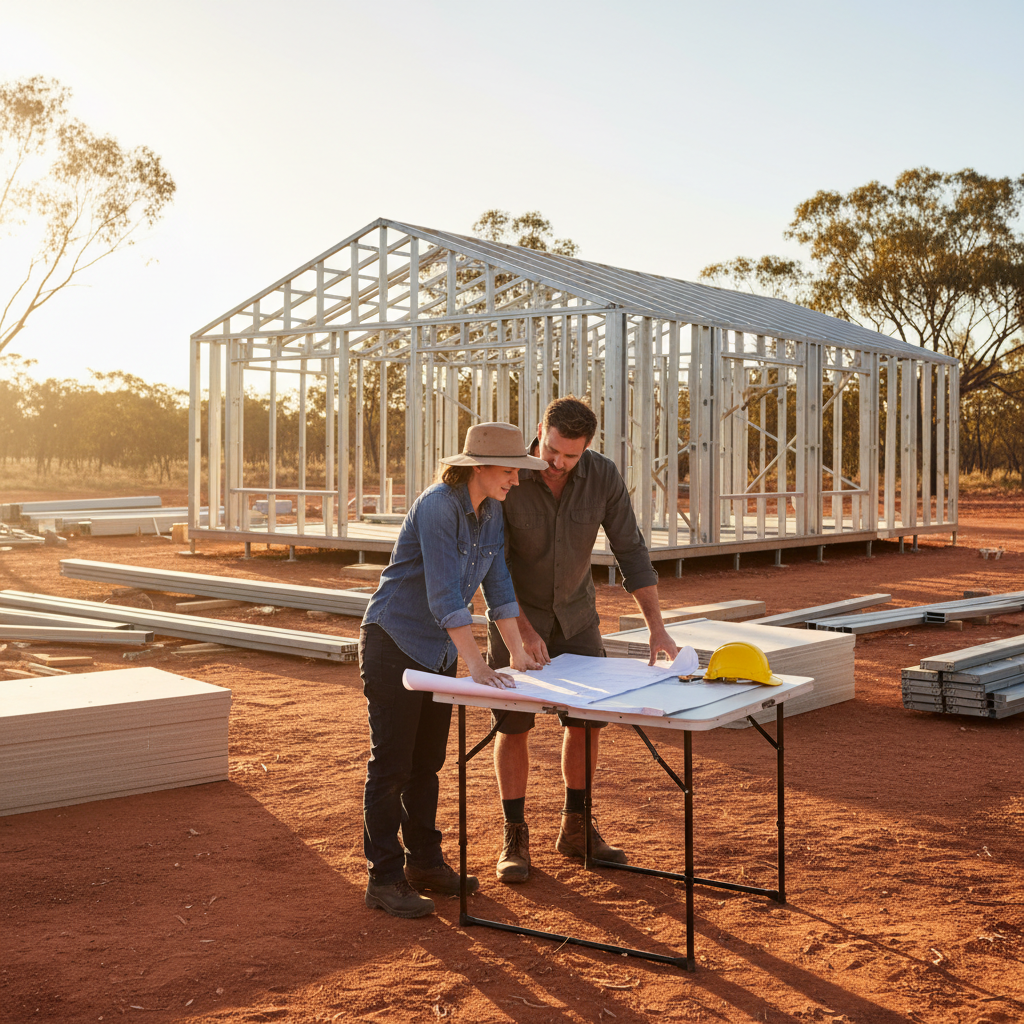
Firstly, steel frames are straight and true. For an owner-builder, this is a massive advantage. When the frames arrive on site, they provide a precise skeleton that makes the subsequent stages, like hanging internal plasterboard or installing cabinetry, significantly easier. Additionally, in many parts of Australia, the threat of termites is a constant worry. Steel frames provide a peace of mind that traditional timber simply cannot match, as they are 100 percent termite-proof.
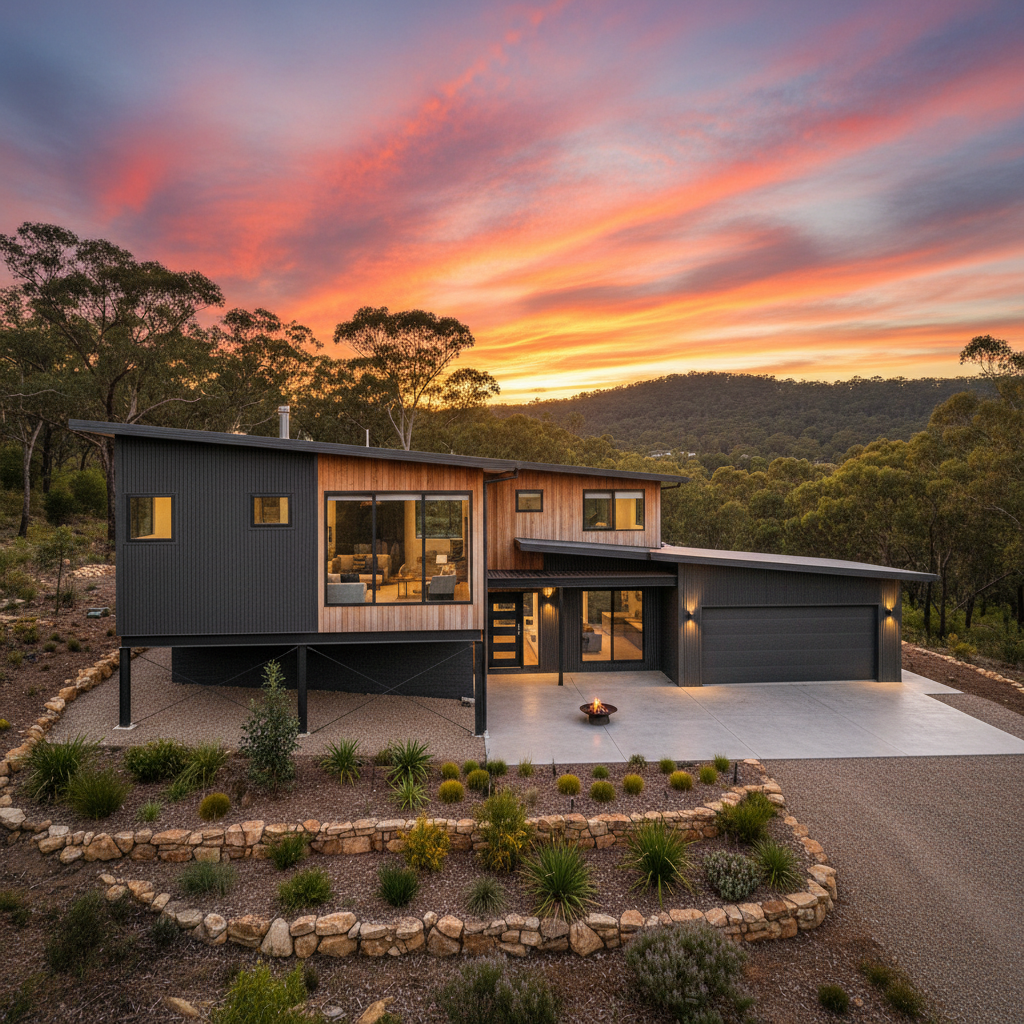
Furthermore, steel frames are non-combustible, which is an increasingly important consideration for Australians building in bushfire-prone areas. As we adapt our housing to a changing climate, using resilient materials like steel and high-quality cladding becomes a matter of long-term security and sustainability.
Practical Kit Home Tips for Success
If you are considering joining the growing number of Australians opting for a kit home, preparation is your best friend. Here are some actionable tips to ensure your project runs smoothly:
1. Research Local Council Requirements First
Before you fall in love with a specific design, talk to your local council or a private certifier. Every block has different constraints, from setbacks and height limits to bushfire attack levels (BAL). Knowing these constraints early will help you choose a kit that complies with local regulations without costly modifications.
2. Understand Your Site
A kit home provides the structure, but the site preparation is up to you. Get a proper soil test and contour survey done early. This will dictate the type of slab or flooring system you need and help you plan for site access, which is crucial when the delivery trucks arrive with your steel frames and materials.
3. Build Your Trade Team Early
Even if you plan on doing a lot of the work yourself, you will need licensed professionals for plumbing and electrical work. In the current Australian building climate, good trades are busy. Start conversations early so you can book them in well in advance of when your kit arrives.
Owner-Builder Tips: Managing the Modern Build
Taking on the role of an owner-builder is rewarding but requires a systematic approach. To manage your project like a pro, focus on the following:
Organization is Key
Keep a detailed project diary. Save every delivery docket, permit, and communication with your kit provider. Having a centralized place for all your technical drawings and installation guides will save you hours of frustration on-site.
Quality Over Everything
Since you are saving on the overheads of a volume builder, reinvest that value into quality components. This is why many kit home buyers opt for premium Australian-made materials like BlueScope steel and high-performance insulation. These choices pay dividends in the comfort and resale value of the home later on.
Safety First
Just because it is your own project doesn't mean you can skip safety. Ensure your site is secure, you have the right personal protective equipment (PPE), and you have obtained your White Card and owner-builder permit as required by your state's regulations.
Lifestyle and Design: Making it Your Own
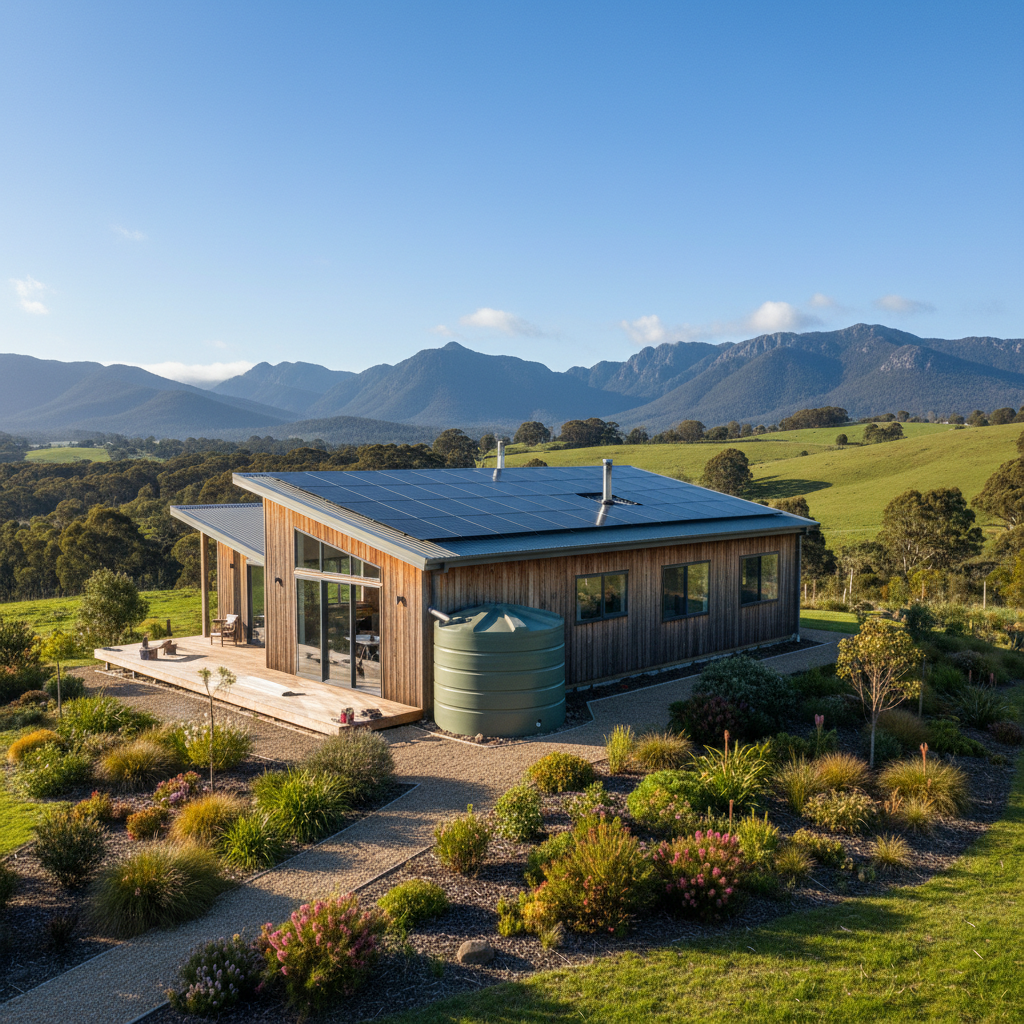
The beauty of the modern kit home is the ability to customize the finishing touches to suit your lifestyle. We are seeing a trend toward "Australian Scandi" and "Modern Farmhouse" aesthetics. These styles utilize the clean lines of steel-framed kits and pair them with textures like timber decking, stone features, and native landscaping.
Consider how natural light moves across your block. Because kit homes offer flexibility in window placement during the planning phase, you can orient your living spaces to capture the winter sun, reducing your heating and cooling needs naturally. This focus on passive design is a huge part of the contemporary Australian housing conversation.
Looking Ahead: The Future of Australian Living
The pandemic didn't just change where we work, it changed our fundamental relationship with our homes. We no longer want a house that someone else designed for a generic buyer. We want a home that reflects our values, our hobbies, and our specific family dynamics.
Kit homes, by their very nature, empower this level of personalization. They offer a structured, reliable way to build while leaving the creative control in the hands of the person who will actually live in the house. By combining modern building techniques with the timeless Australian spirit of DIY and independence, kit homes are paved to be the cornerstone of our housing future.
Technical Knowledge: The Kit Delivery Process
For those new to the concept, it's helpful to understand the flow of a kit home project. Typically, the kit provider focuses on the "envelope" of the house. You will receive the structural components, which include the flooring system (if not building on a slab), the wall frames and roof trusses made from durable steel, the external cladding, roofing iron, windows, and doors.
The owner-builder then manages the "fit-out." This includes the internal linings, kitchen cabinetry, bathroom fixtures, and all the floor coverings. This clear division of labor allows you to focus on the aesthetic and functional details that make a house a home, while the kit provider ensures the structural integrity and weather-tightness of the building.
Conclusion
The Australian housing landscape is evolving, and kit homes are at the forefront of this transformation. They provide an accessible path to homeownership for those willing to roll up their sleeves and take control of their destiny. By choosing high-quality materials, planning meticulously, and designing for the modern lifestyle, you can create a home that is not only beautiful but also resilient and perfectly suited to the unique Australian environment. Whether you are building a suburban family home or a rural getaway, the kit home path offers a level of satisfaction and agency that is hard to find anywhere else in the construction industry.