The Modern Tree Change: A New Chapter in Australian Living
There is a distinct shift happening across the Australian landscape. From the rolling hills of the Byron hinterland to the rugged beauty of the Victorian High Country, more people are trading the daily grind of metropolitan traffic for the quiet rustle of gum trees. This movement, widely known as the tree change, has evolved into a sophisticated lifestyle choice for families, retirees, and remote workers alike.
But as the demand for regional property grows, so does the challenge of building in remote or semi-rural locations. Traditional builders are often booked out for years, and the costs of transporting materials can be prohibitive. This is where kit homes have emerged as the leading solution for the modern tree-changer. By providing a streamlined, efficient, and flexible way to build, kit homes allow Australians to create their dream sanctuary without the typical headaches of regional construction.
Why Kit Homes Suit the Regional Lifestyle
Building in a regional area presents a unique set of variables. You might be dealing with sloping blocks, limited access for heavy machinery, or the need for a home that can withstand the harsh Australian elements. Kit homes are designed to address these challenges head-on.
One of the primary draws is the transparency and control they offer. Unlike traditional builds where you are at the mercy of a single builder's schedule, a kit home allows you to take the reigns as an owner builder. You receive the core components of the home, from the frames and trusses to the cladding and roofing, delivered to your site in a manageable package. This makes it much easier to coordinate logistics on a rural property where access might be tucked away down a long dirt track.
The Strength of Steel Frame Construction
When you move to the country, you quickly learn that the environment is your biggest neighbor. Whether it is the intense summer heat or the threat of local pests, your home needs to be resilient. This is why steel frame construction has become the gold standard for regional dwellings. Using high quality Australian steel, such as BlueScope TRUECORE, provides a level of peace of mind that is hard to match.
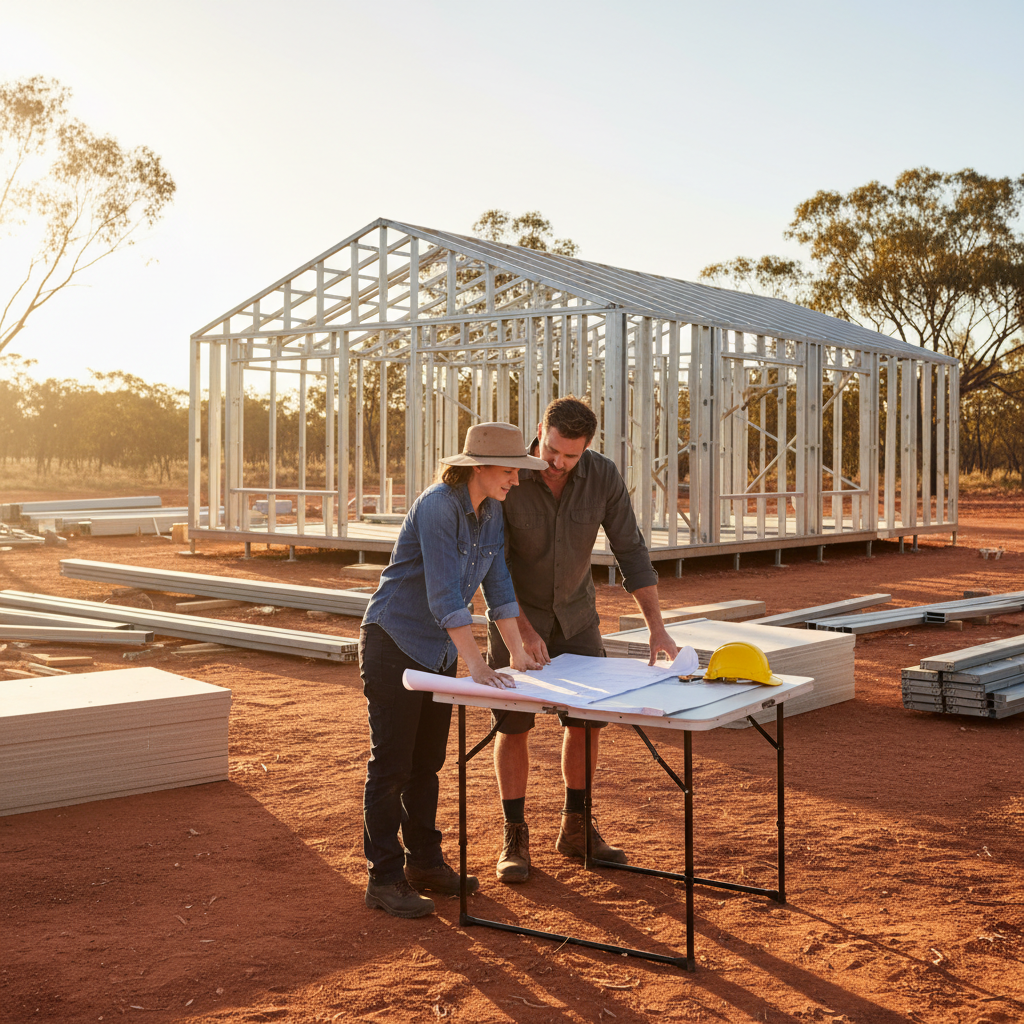
Steel frames are inherently straight and true. They do not warp, twist, or shrink over time, which is vital in regions where soil movement can be an issue. Perhaps most importantly for those moving to the bush, steel is non-combustible and 100 percent termite proof. In a country where these two factors are constant concerns, choosing a steel frame kit home is a practical, long term investment in the safety and structural integrity of your home.
Design Trends: Blending Innovation with the Landscape
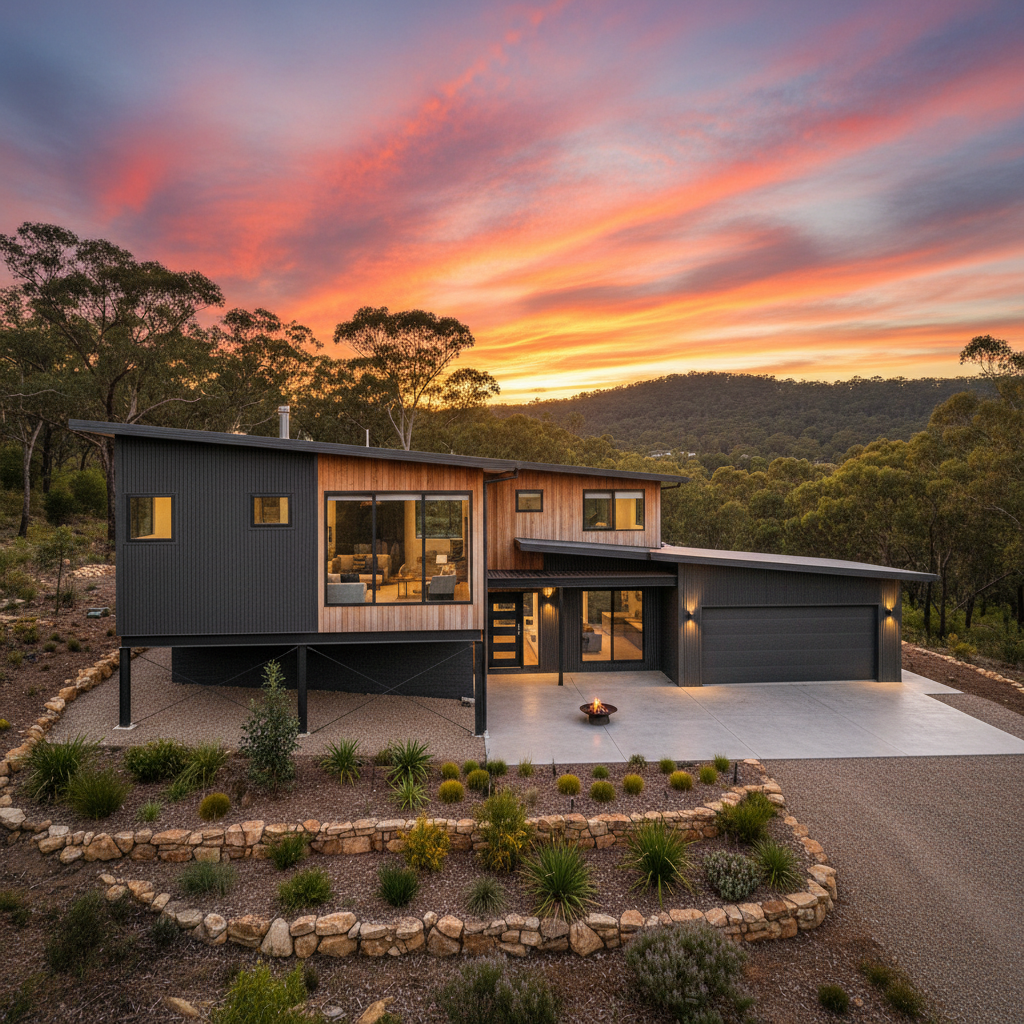
The aesthetic of the Australian country home has come a long way. The modern tree-changer is no longer looking for a basic cottage, but rather a design that embraces the natural surroundings. We are seeing a move toward open plan living areas that flow seamlessly onto expansive timber decks, blurring the line between indoors and out.
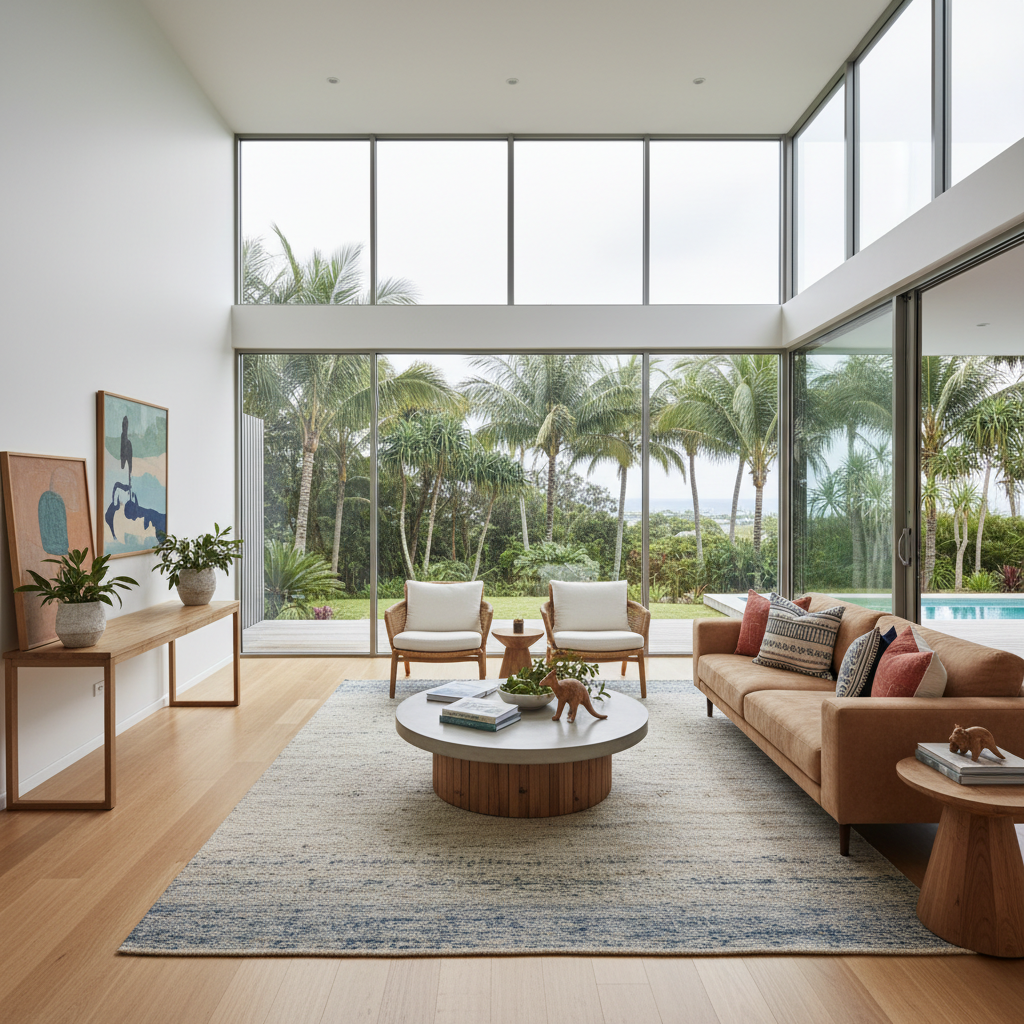
High ceilings and large windows are also trending, allowing for natural light to flood the home and providing a front row seat to those stunning regional views. Because kit homes offer a variety of floor plans that can be customized, homeowners can choose layouts that prioritize cross-ventilation, a crucial feature for staying cool during an Australian summer without relying solely on air conditioning.
Practical Kit Home Tips for Success
If you are considering a kit home for your tree change, preparation is your best friend. Here are some actionable tips to ensure your project stays on track:
- Site Orientation: Before you even choose a design, spend time on your block. Note where the sun rises and sets, and where the prevailing winds come from. Orienting your kit home to take advantage of passive solar heating will save you a fortune in energy bills later.
- Access and Storage: Ensure your site has a clear, accessible area for the delivery truck to unload your kit. You will also need a flat, dry space to store your materials, particularly the steel frames and insulation, until they are ready to be installed.
- Local Regulations: Every regional council has different rules regarding Bushfire Attack Levels (BAL) and wastewater management. Consult with your local council early in the process to ensure your design meets all necessary requirements.
Owner Builder Tips: Taking Control of the Project
Managing your own build as an owner builder is an incredibly rewarding experience, but it requires a disciplined approach. You are essentially the project manager, responsible for hiring trades, ordering site works like the slab or stumps, and overseeing the fit-out.
The key to success is clear communication. When hiring local trades like plumbers and electricians, ensure they are familiar with working on steel frame homes. Most modern tradespeople are well-versed in this, but it is always worth a conversation. Also, remember to create a realistic timeline. Regional areas operate at a different pace, and scheduling trades well in advance will help you avoid unnecessary delays.
Sustainability in the Country
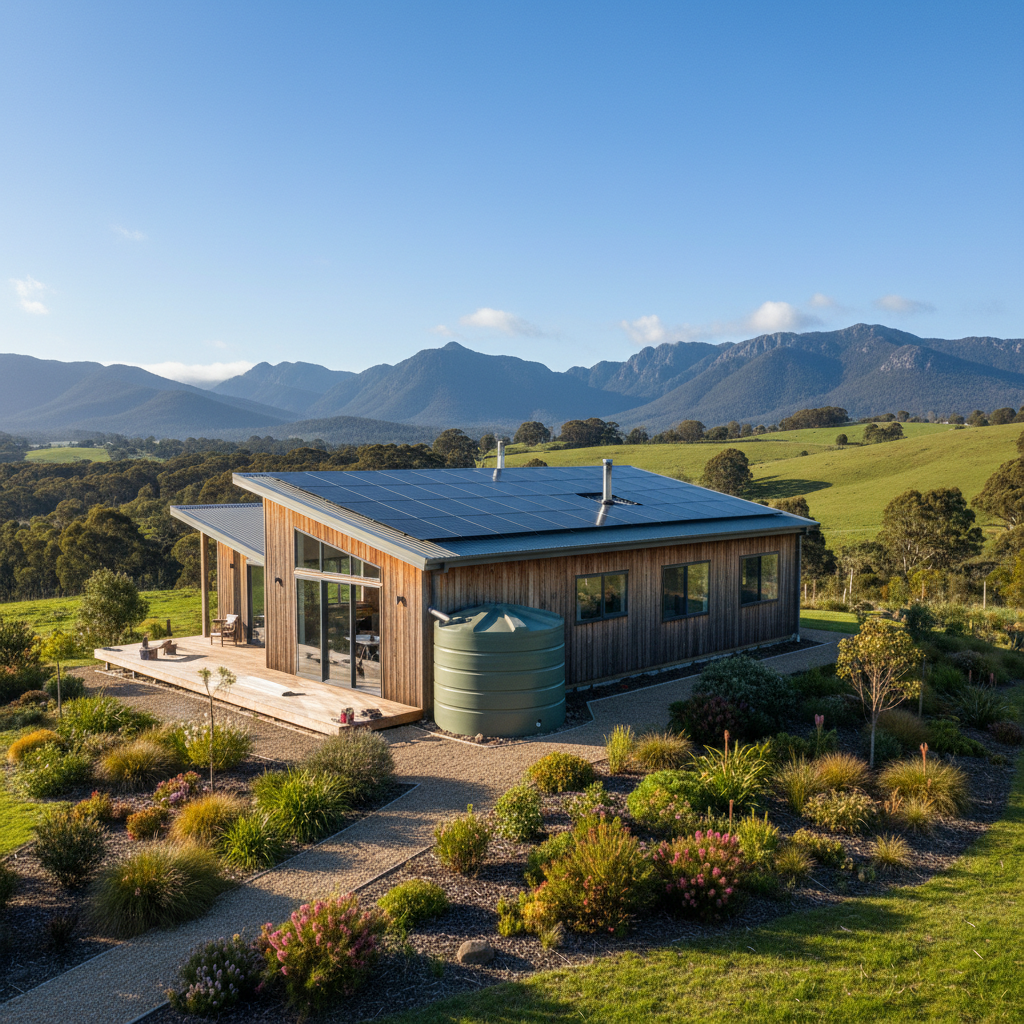
Living regionally often goes hand-in-hand with a desire for a more sustainable lifestyle. Kit homes are naturally suited to eco-friendly living. The precision of factory-cut steel frames means there is minimal waste on-site compared to traditional timber framing. Additionally, the ease of incorporating high quality insulation and double glazed windows into your kit ensures your home remains thermally efficient year-round.
Many tree-changers are also opting for off-grid solutions. With plenty of roof space provided by modern kit home designs, installing substantial solar arrays and rainwater harvesting systems becomes a straightforward process, allowing you to live more independently from urban infrastructure.
The Lifestyle Benefits: Why We Do It
Beyond the nuts and bolts of construction, the move to a kit home in a regional area is about the quality of life. It is about having the space for a vegetable garden, a workshop for your hobbies, and a safe place for kids or grandkids to explore. It is about the community spirit found in small towns and the quietude that only the Australian bush can provide.
By choosing a kit home, you are not just building a house, you are creating a bespoke lifestyle. You have the flexibility to choose the finishes that reflect your personality, from the type of cladding that blends with the local trees to the interior colors that mirror the earth.
Final Thoughts
The trend toward regional living shows no signs of slowing down. As Australians continue to seek balance and beauty in their lives, the kit home stands out as a practical, durable, and stylish way to make that dream a reality. By combining the strength of steel frame construction with the freedom of owner building, you can create a home that is perfectly suited to the unique demands of the Australian landscape.
Whether you are planning a coastal retreat or a mountain hideaway, the journey to your new regional life starts with a solid plan and the right foundation. The tree change is waiting for you, and with a kit home, you have the tools to build it exactly the way you imagined.