The New Australian Dream is Moving Inland
There is a quiet revolution happening across the Australian landscape. From the rolling hills of the Byron Bay hinterland to the rugged scrub of the WA Wheatbelt, more Aussies are packing up their city apartments and heading for the horizon. This 'tree-change' movement isn't just about escaping traffic, it is about reclaiming a sense of space, autonomy, and connection to the land.
However, building a life in regional Australia comes with its own set of challenges. Finding reliable builders in remote areas can be difficult, and transport logistics often send traditional construction timelines into a spin. This is where the kit home has emerged as a hero of the regional housing trend. For those looking to plant roots in rural soil, a kit home offers the perfect balance of architectural flexibility and logistical simplicity.
Why Kit Homes Complement the Regional Lifestyle
The appeal of regional living is often tied to the unique topography of the land. Whether you have bought a sloping block with valley views or a flat patch of red dirt, you need a home that works with the environment, not against it. Kit homes have evolved significantly from the basic shacks of yesteryear. Today, they represent a sophisticated housing trend that prioritises modern aesthetics and durable materials.
Adaptability for Diverse Climates
Australia is a land of extremes. If you are moving to the High Country, you need thermal efficiency. If you are heading to the tropical north, you need airflow. Kit homes are inherently adaptable. Because they are designed as a system of components, owner-builders can easily customise their cladding and insulation choices to suit their specific micro-climate. Using high quality materials like TRUECORE steel frames from BlueScope ensures the skeleton of the home is termite proof and non-combustible, which is a massive peace of mind in bushfire prone regional areas.
Logistical Ease in Remote Locations
One of the biggest hurdles for tree-changers is the cost and complexity of getting materials to a remote site. Traditional builds require dozens of different suppliers making hundreds of trips. A kit home streamlines this. The entire 'lock-up' stage, including the steel frames, roofing, cladding, windows, and doors, is coordinated and delivered. This reduction in traffic not only protects your rural tracks and driveways but also makes project management significantly easier for those far from major city centres.
The Owner-Builder Movement: Taking Control of Your Project
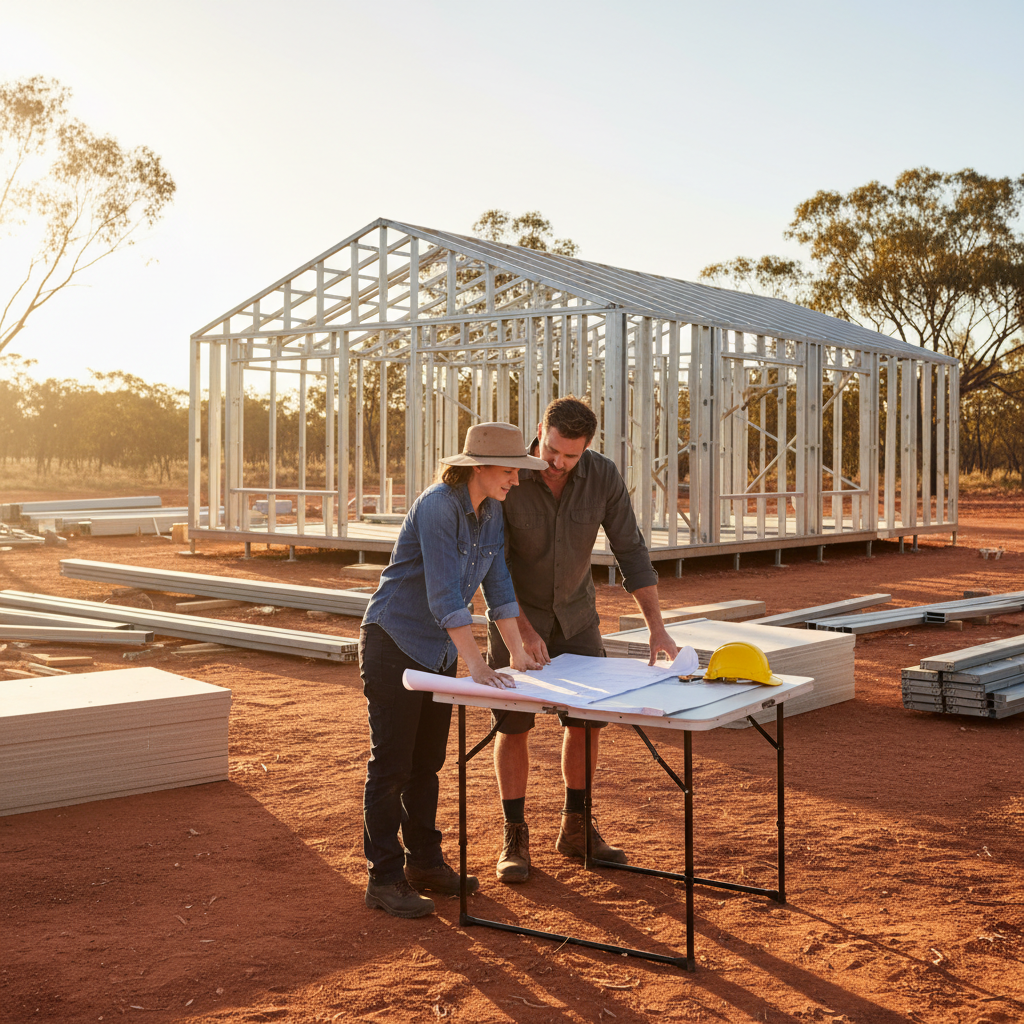
Many people moving to the country are looking for a project. They want to be 'hands-on' with their new lifestyle. The owner-builder path is a significant part of the Australian housing identity, allowing individuals to act as their own project manager. When you choose a kit home, you aren't just buying a house, you are buying a blueprint for a more involved way of living.
As an owner-builder, you take charge of the site works, the slab or floor system, and the hiring of local trades for the fit-out. This allows you to support the local economy in your new regional town by hiring local sparkies, chippies, and plumbers. It builds immediate connections in your new community, something that is vital for a successful tree-change.
Practical Tips for Your Regional Kit Home Journey
If you are planning to make the leap, here are some actionable tips to ensure your project stays on track and your new home fits the landscape perfectly.
1. Orientation is Everything
In the city, we are often at the mercy of small blocks and overshadowing neighbours. In the country, you have the luxury of space. Work with your kit provider to orient your home to maximize passive solar heating. Point your main living areas north to soak up the winter sun, and design wide eaves or verandahs to shade your windows during the harsh Australian summer. This doesn't just make the home more comfortable, it reduces your reliance on air conditioning.
2. Consider the 'Mud Room' Reality
Regional living is beautiful, but it can be messy. Whether it is red dust, coastal sand, or winter mud, your home design should account for the transition between outside and inside. Many kit home designs can be modified to include a dedicated entry or utility space where boots and coats can be left behind. This is a staple of Australian rural design that keeps the rest of the home pristine.
3. Think About Water and Waste
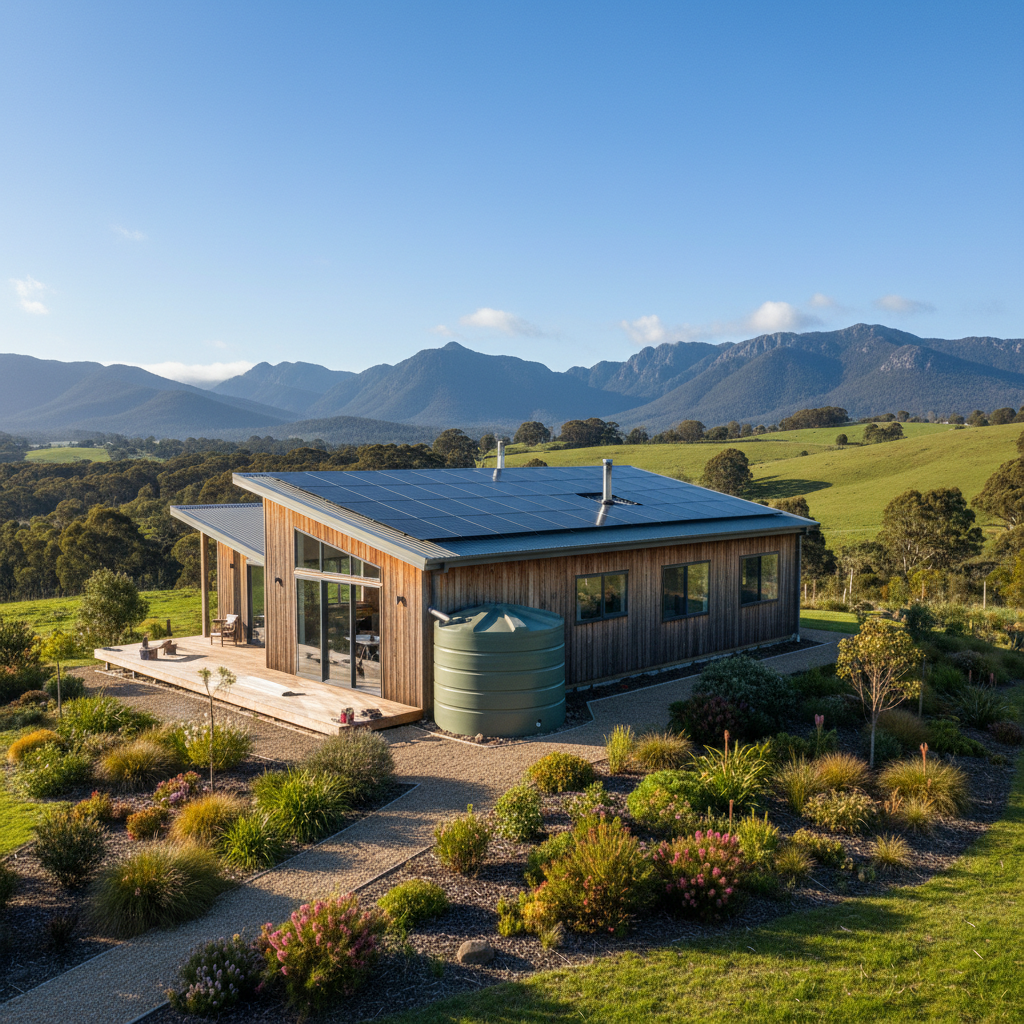
When you move away from the big smoke, you often move off-grid for your services. Ensure your kit choice includes a roof profile that is efficient for water catchment. Steel roofing is ideal for this, as it provide a clean surface for harvesting rainwater into tanks. You will also need to plan for your septic system or composting toilet early in the process, as this will dictate where on the block your home can be positioned.
The Benefits of Steel Frame Construction in the Bush
While the aesthetic of a regional home is often focused on timber decks and earthy colours, what goes on behind the walls is what matters for longevity. Steel frame construction has become a cornerstone of regional building for several technical reasons:
- Precision: Steel frames are manufactured to millimetre accuracy. This means when your kit arrives on-site, the walls are straight and the corners are square, making the rest of the DIY or trade work much faster.
- Termite Resistance: In many parts of regional Australia, termites are a constant threat. Steel frames are 100 percent termite proof, removing one of the biggest maintenance headaches for rural property owners.
- Lightweight Strength: Steel offers a high strength-to-weight ratio. This makes it easier to handle on-site, especially if you are working with a small team or managing parts of the assembly yourself.
Design Trends: From 'Modern Farmhouse' to 'Bush Minimalist'
The current trend in Australian regional housing is moving away from the 'heavy' traditional homestead and toward lighter, more integrated designs. The 'Modern Farmhouse' look is incredibly popular, featuring steep gabled roofs, vertical cladding, and large glass openings that blur the line between the indoor lounge and the outdoor landscape.
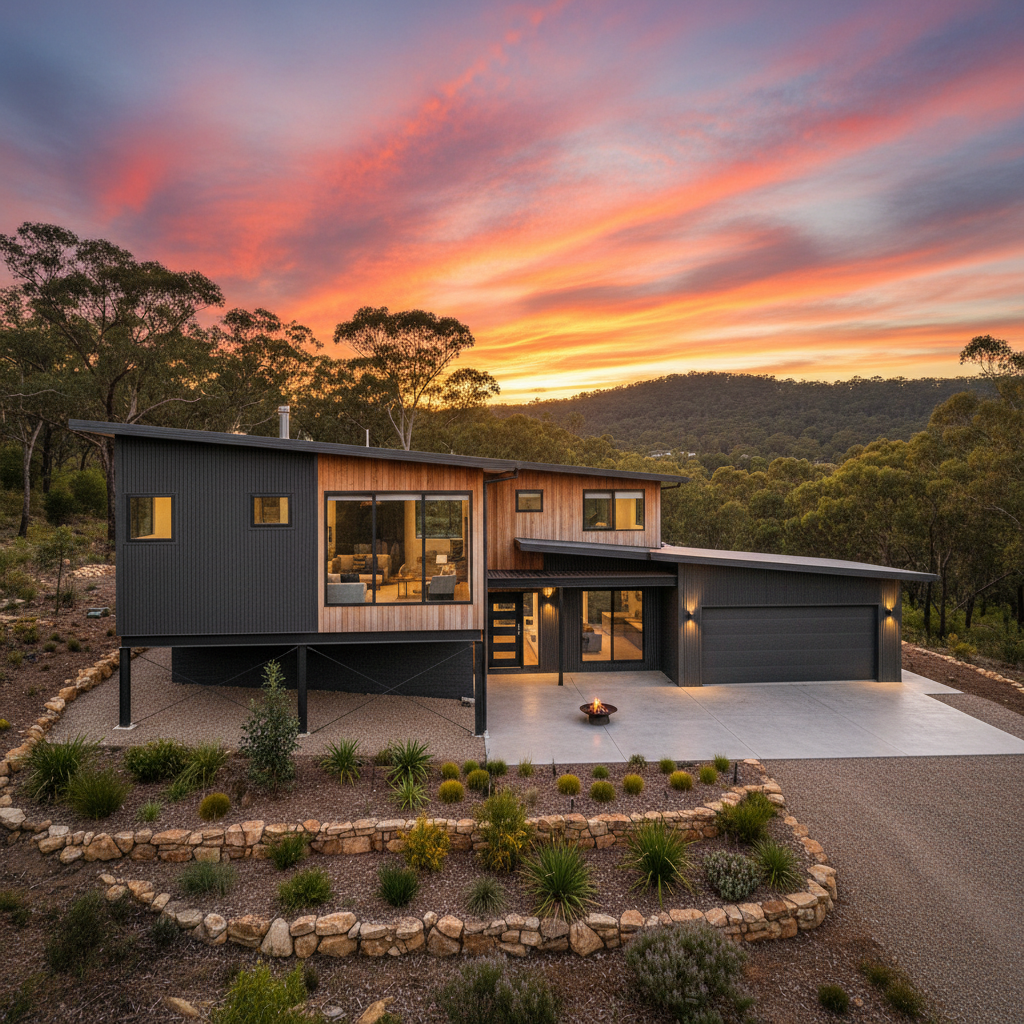
Another rising trend is 'Bush Minimalism'. This style uses simple, rectangular footprints and industrial materials like corrugated steel cladding to pay homage to the classic Australian shed, while the interior is filled with warmth and high-end finishes. Kit homes are perfectly suited to these trends because their modular nature allows for wide open plan living areas without the need for internal load-bearing walls, thanks to the strength of the steel roof trusses.
Final Thoughts for the Aspiring Tree-Changer
Moving to a regional area is about more than just a change of address, it is a change of pace. By choosing to build a kit home, you are opting for a path that rewards planning, involvements, and a bit of 'can-do' Aussie spirit. You get the benefit of a modern, engineered home system, while retaining the freedom to finish the house in a way that reflects your personal style and the character of your land.
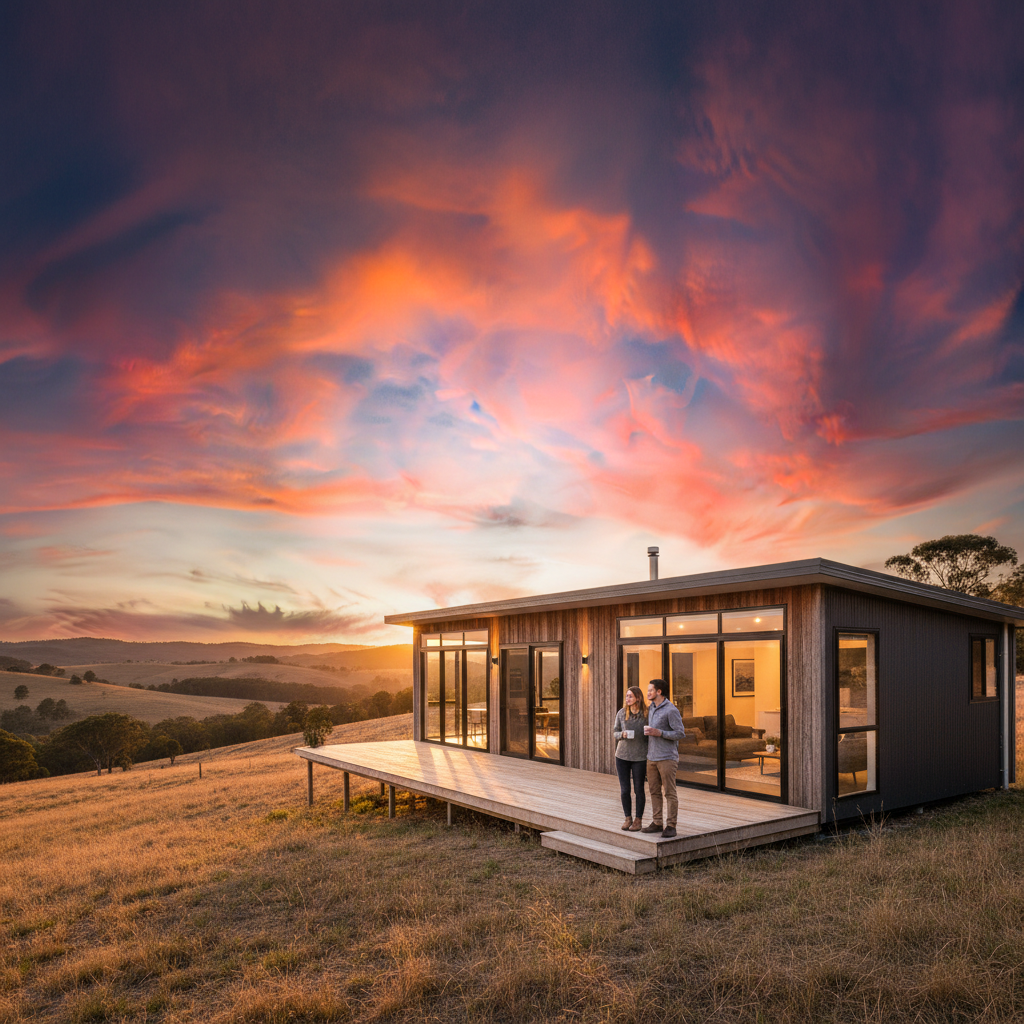
The journey of an owner-builder is a rewarding one. There is a unique sense of pride that comes from standing on your verandah, looking out over your piece of Australia, and knowing exactly how every bolt and sheet of cladding came together. If you are ready to trade the sirens for birdsong, a kit home might just be the most practical and inspiring way to get there.