The New Australian Dream: Swapping the Commute for Country Air
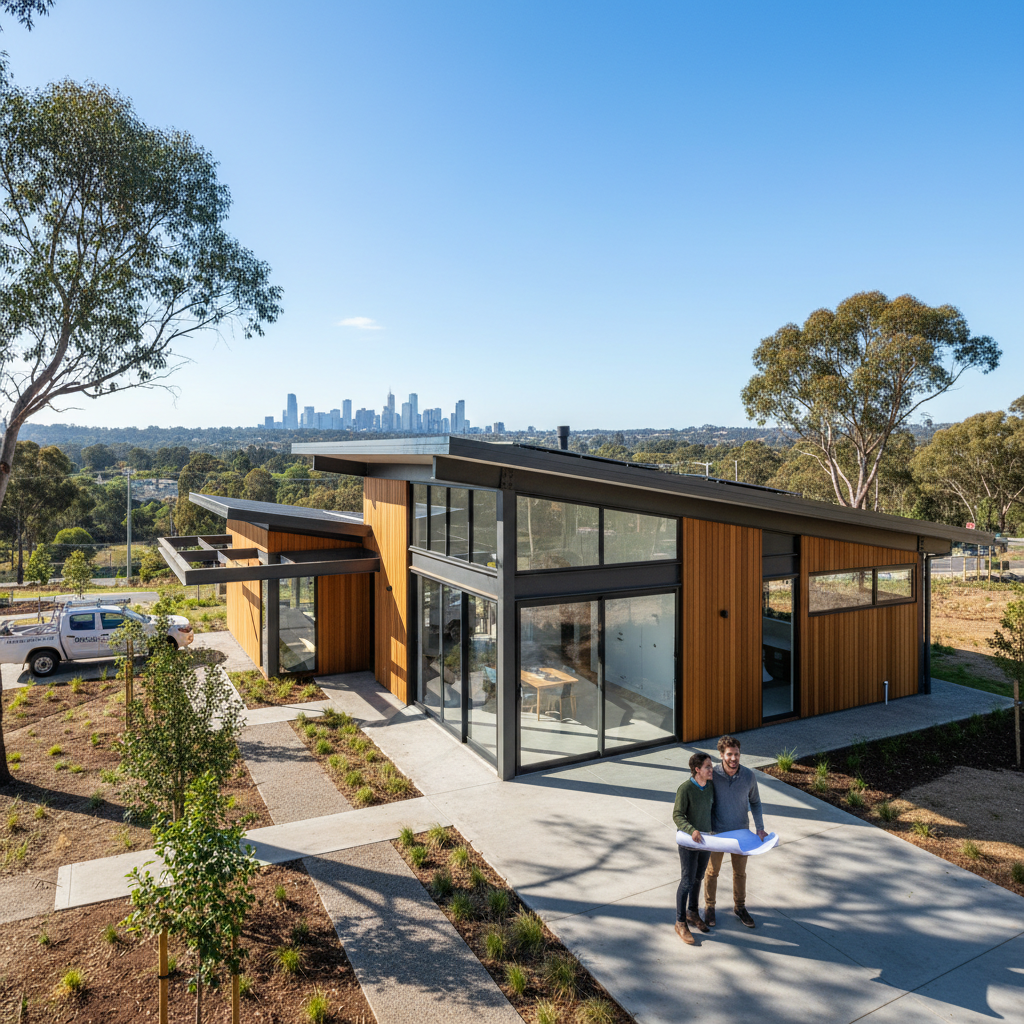
For decades, the Australian lifestyle was defined by the proximity of the suburban home to the city central business district. However, the last few years have witnessed a seismic shift in how we live and work. The 'death of the office' has birthed a new movement: a massive regional migration. Australians are no longer tethered to expensive city postcodes, and as a result, there is a surging interest in building custom, high quality homes on rural blocks. At the forefront of this trend is the modern kit home, providing a flexible and sustainable way for Australians to create their own sanctuary away from the hustle and bustle.
The appeal is simple. When you can work from a home office overlooking the rolling hills of the Sunshine Coast hinterland or the rugged beauty of the Victorian Highlands, the incentive to stay in a crowded suburb fades. This shift in lifestyle has led to a focus on housing that is adaptable, durable, and capable of being built in remote locations where traditional builders might be scarce or prohibitively expensive.
Why Kit Homes are Topping the Trends List
As we monitor Australian housing trends, one thing is clear: people want more control over their environment. The rise of the kit home as a preferred building method is largely due to the transparency and flexibility it offers. Unlike buying an established house where you inherit someone else's design choices, a kit home allows you to start with a blank canvas on a piece of land that truly inspires you.
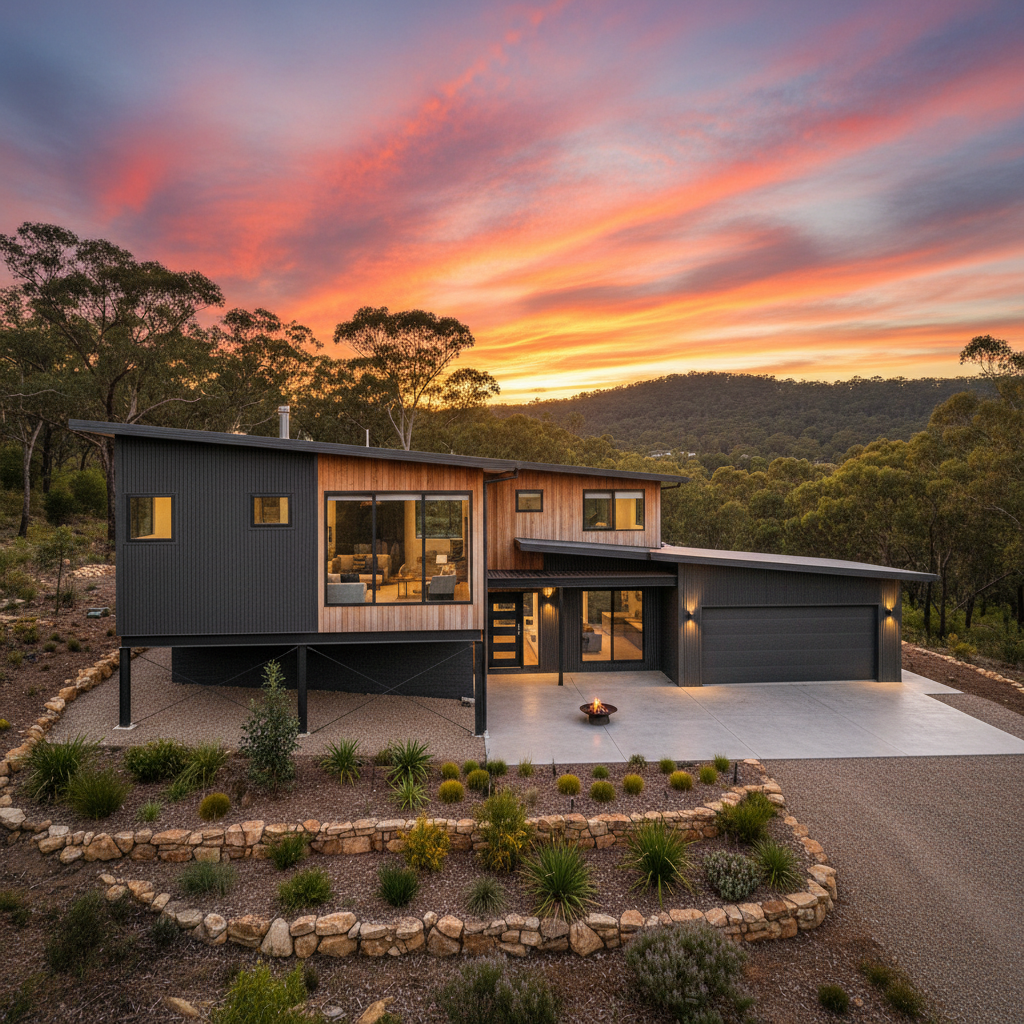
Current design trends are moving toward open-plan living, large windows that frame the natural landscape, and expansive decks that blur the line between indoors and outdoors. Kit homes are uniquely positioned to meet these demands because they allow for clever modifications to suit specific sites. Whether it is adjusting the orientation to capture the northern sun or choosing cladding that blends into the bushland, the versatility is a major drawcard for the modern tree change seeker.
The Strength of Steel in the Australian Landscape
In rural and remote Australia, the environment can be harsh. From the humidity of the tropics to the dry heat of the outback, building materials need to stand the test of time. This is where steel frame construction has become a non-negotiable for many regional builders. Using high quality BlueScope TRUECORE steel ensures that the skeleton of the home is straight, true, and incredibly resilient.
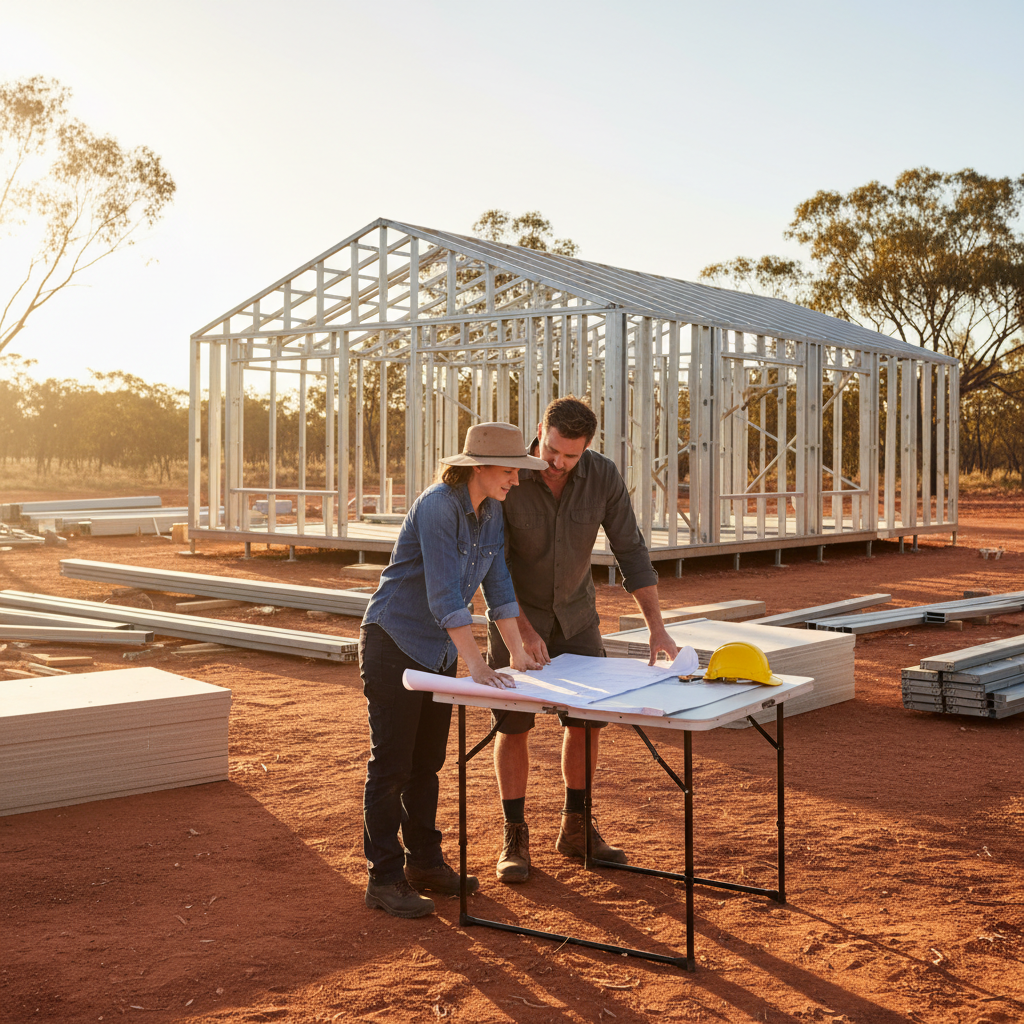
Steel frames offer a range of benefits that align perfectly with rural living. Firstly, they are termite-proof. In many parts of regional Australia, termites are a major concern for traditional timber structures. Secondly, steel is non-combustible, which is a vital consideration for anyone building in bushfire-prone areas. Beyond the safety aspects, the precision of steel frames makes the assembly process much smoother for those choosing the owner-builder path. When every piece is engineered to fit perfectly, the frustration of warped or twisted wall studs is completely removed from the equation.
Mastering the Owner-Builder Journey
Taking on an owner-builder project is a significant undertaking, but it is also one of the most rewarding ways to secure a home in the current market. By managing the project yourself, you aren't just a bystander, you are the conductor of the entire process. This hands-on approach is particularly popular among those moving to rural areas who enjoy the DIY lifestyle and the sense of accomplishment that comes with it.
Practical Kit Home Tips for Success
- Site Orientation is Everything: Before the kit even arrives, spend time on your block. Note where the wind comes from and how the sun moves throughout the day. Orienting your kit home correctly can dramatically improve your comfort and energy efficiency.
- Plan Your Delivery Access: Rural blocks can often have challenging access roads. Ensure that a crane truck can actually reach your building site. Overhanging branches or narrow gates can cause major delays on delivery day.
- Organize Your Trades Early: Even as an owner-builder, you will need licensed plumbers and electricians. In regional areas, these trades can be booked out for months. Start making connections as soon as you have your plans.
Designing for the Modern Remote Worker
The shift to remote work means that the 'home office' is no longer an afterthought or a desk tucked into a corner of the bedroom. It is now a primary focus of the floor plan. We are seeing a trend toward 'dual-core' homes, where one area is dedicated to living and family life, and another is a quiet, insulated professional space.
When selecting a kit home design for a rural block, consider adding extra insulation not just for the weather, but for sound. Using high quality cladding and insulation batts helps create a peaceful work environment, even if the rest of the house is busy. Additionally, consider the placement of windows in your workspace. Natural light is essential for productivity, but you want to avoid screen glare during your mid-afternoon Zoom calls.
The Importance of High Quality Inclusions
A kit home is only as good as the components that make it up. When looking at housing trends, there is a clear move away from cheap, disposable materials toward long-lasting, premium products. This is why many Australians are opting for kits that include trusted brands like BlueScope Steel for roofing and wall cladding. These materials are tested against the Australian sun and are designed to look great for decades with minimal maintenance.
By choosing a kit that provides the frame, roofing, cladding, windows, and doors, you ensure that the exterior shell of your home is cohesive and high performing. This allows you to focus your energy on the internal fit-out, where you can express your personal style through cabinetry, flooring, and lighting.
Sustainable Living in Regional Australia
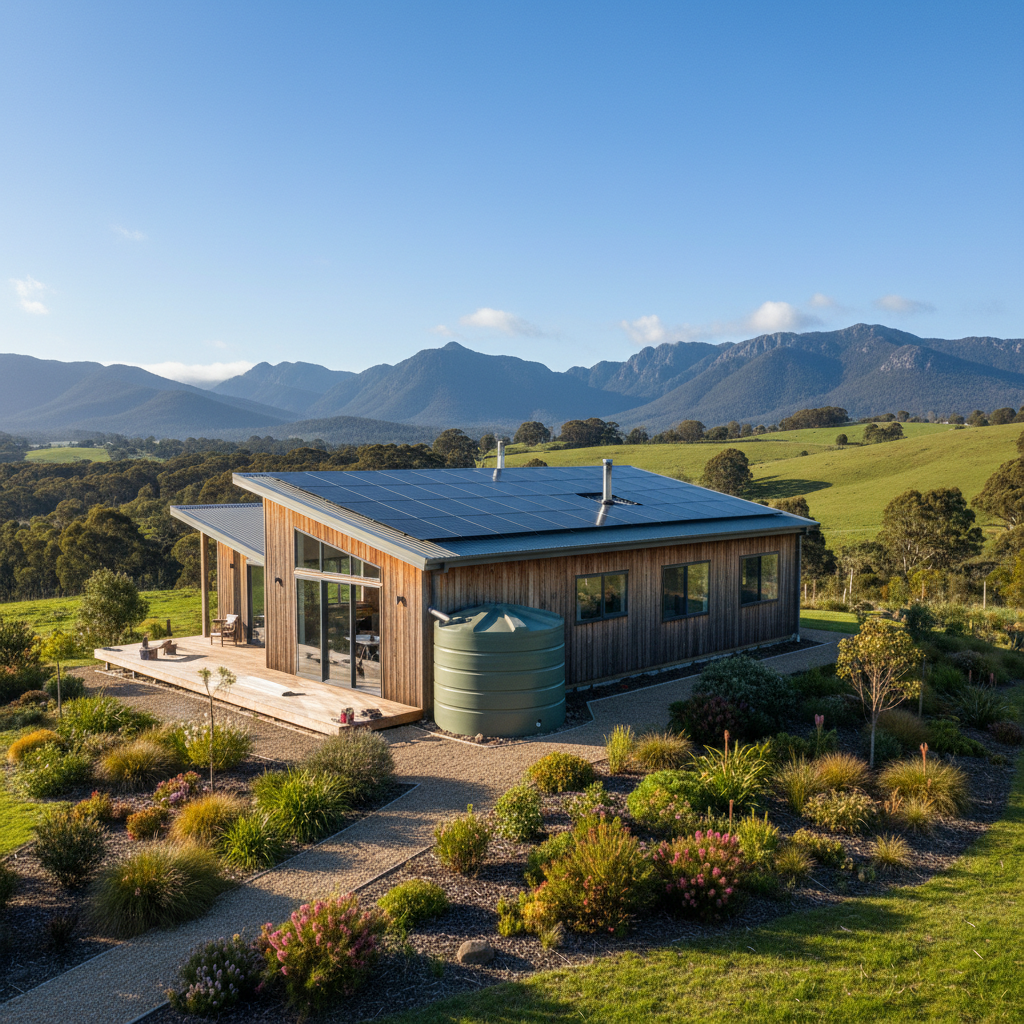
Living rurally often goes hand-in-hand with a desire for a more sustainable lifestyle. Many kit home owners are integrating off-grid features into their builds. Because steel frames are lightweight yet strong, they are ideal for supporting large solar arrays on the roof. Furthermore, the precision of a kit home build helps in creating a tight building envelope, which is the first step in achieving a high energy star rating.
Rainwater harvesting is another staple of the rural kit home. By choosing a kit with high quality steel roofing, you have a clean, reliable catchment area for your water tanks. It is these practical, integrated systems that make the rural lifestyle not just a dream, but a sustainable reality.
Final Thoughts: Embracing the Change
The migration to regional Australia is more than just a passing phase; it is a fundamental shift in how we value our time and our environment. The flexibility of kit homes, combined with the strength of steel frame construction, has made this dream accessible to thousands of Australian families. By taking the reins as an owner-builder, you can bypass the traditional constraints of the city housing market and build a home that is truly tailored to your new, regional lifestyle.
Whether you are looking for a small cabin to escape the city on weekends or a sprawling family home to begin your new life in the bush, the modern kit home offers a path to homeownership that is filled with potential. It requires planning, dedication, and a bit of Aussie grit, but the result is a home that stands as a testament to your vision and hard work.