The Shift to the Great Australian Bush
There has been a seismic shift in how Australians think about the concept of home. For decades, the magnetic pull of the city was undeniable, driven by the necessity of the daily commute and the proximity to corporate hubs. However, the last few years have rewritten the rulebook. The rise of remote work has untethered thousands of professionals from their office desks, sparking a movement we like to call the Great Rural Migration.
At Australian Housing Trends, we are seeing a significant spike in interest for regions once considered holiday destinations or retirement pockets. From the rolling hills of the Byron hinterland to the rugged beauty of the Wheatbelt in WA, Australians are looking for space, serenity, and a connection to the land. Central to this movement is the increasing popularity of kit homes Australia wide. They offer a unique blend of flexibility, high quality materials, and the opportunity for people to take a hands-on approach to creating their dream sanctuary.
Why Remote Work and Kit Homes are a Perfect Match
The transition to working from home requires more than just a laptop and a decent internet connection. It requires a dedicated space that fosters productivity and boundaries. This is where the kit home model shines. Unlike existing older homes that may have cramped, dark rooms, a kit home allows owner-builders to select a layout that prioritizes natural light and includes a dedicated home office or studio space away from the main living areas.
Furthermore, the logistical ease of transporting kits to regional and remote areas makes them a logical choice for those moving away from metropolitan centers. Because the components, such as the steel frames, cladding, and roofing, are delivered as a comprehensive package, it simplifies the supply chain in areas where sourcing individual materials can be a challenge.
The Appeal of Owner-Building in Regional Australia
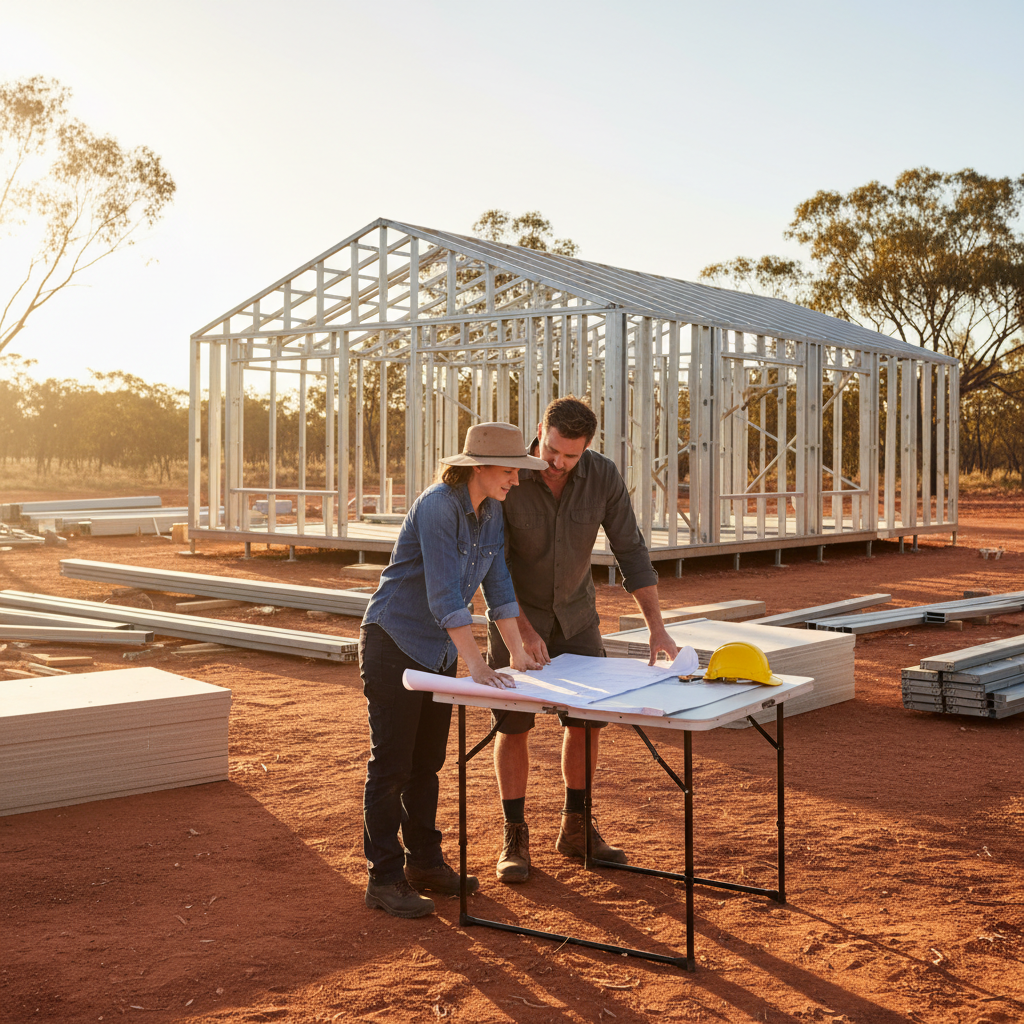
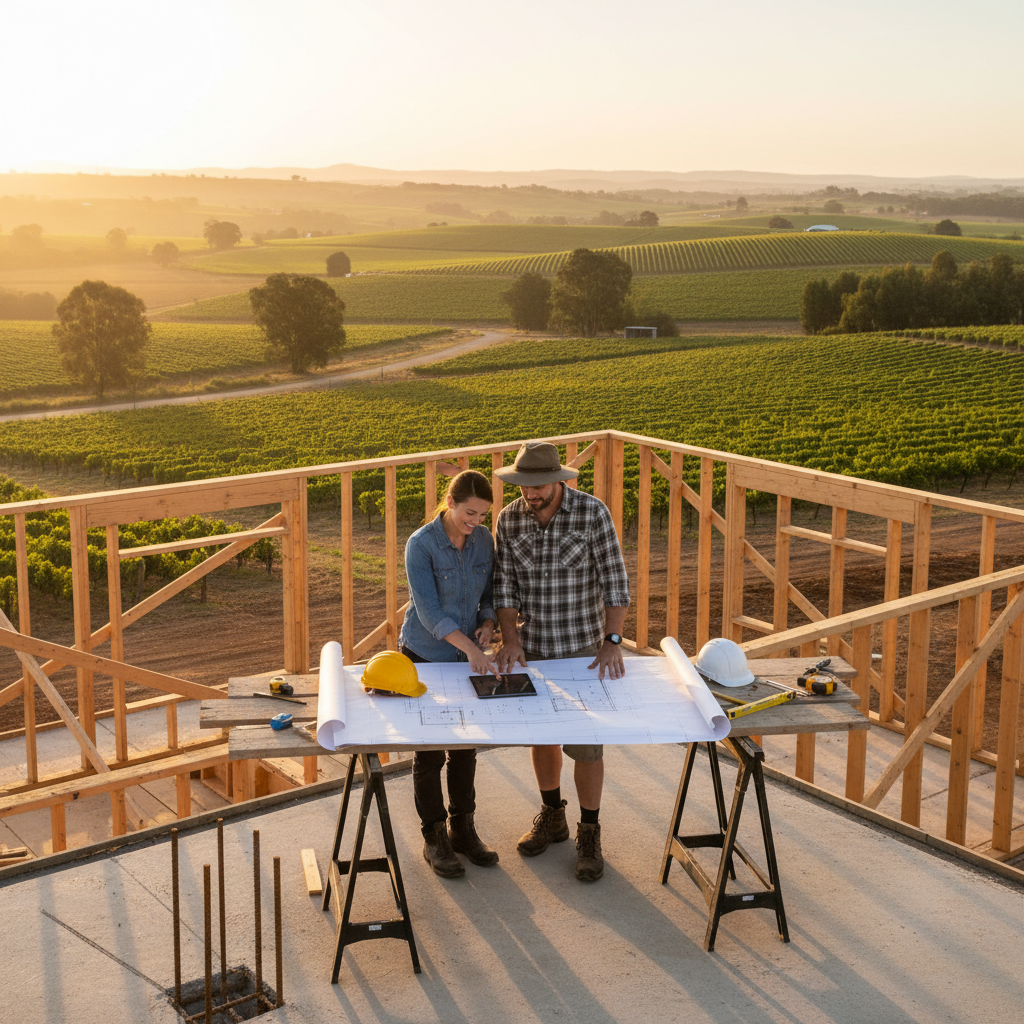
For many Australians making the move to the country, there is a deep seated desire to be more involved in the construction process. Becoming an owner-builder is an empowering journey that allows you to oversee the project from the ground up. While you are responsible for arranging the site works, the concrete slab, and the various trades like plumbing and electrical, the kit provides the high quality skeleton and skin of the home.
This hands-on approach is particularly appealing to those who want to ensure their new home meets their specific lifestyle needs. Whether it is positioning the house to capture the northern sun or ensuring the deck is large enough for outdoor entertaining, being an owner-builder puts you in the driver seat of your rural lifestyle transition.
Practical Kit Home Tips for Success
If you are considering joining the rural migration and building your own kit home, here are a few practical tips to keep your project on track:
- Research Local Council Requirements: Every local government area in Australia has its own set of rules regarding building setbacks, bushfire attack levels (BAL), and onsite wastewater management. Check these early in your planning phase.
- Site Accessibility: Ensure that your rural block has adequate access for heavy delivery trucks. This includes checking for low-hanging branches or narrow gates that might impede the delivery of your frames and roofing.
- Focus on Solar Orientation: One of the best parts of building on a larger rural block is the ability to orient your home perfectly. North-facing living areas will keep your home warmer in winter and cooler in summer, making the most of the Australian climate.
The Strength of Steel in the Australian Landscape
When building in regional Australia, durability is paramount. The environment can be harsh, with high UV levels, potential bushfire threats, and the presence of termites. This is why many Australians choose kit homes featuring steel frames, specifically those using BlueScope TRUECORE steel. Steel frames are straight, true, and are not a food source for termites, providing peace of mind for those building in wooded or remote areas.
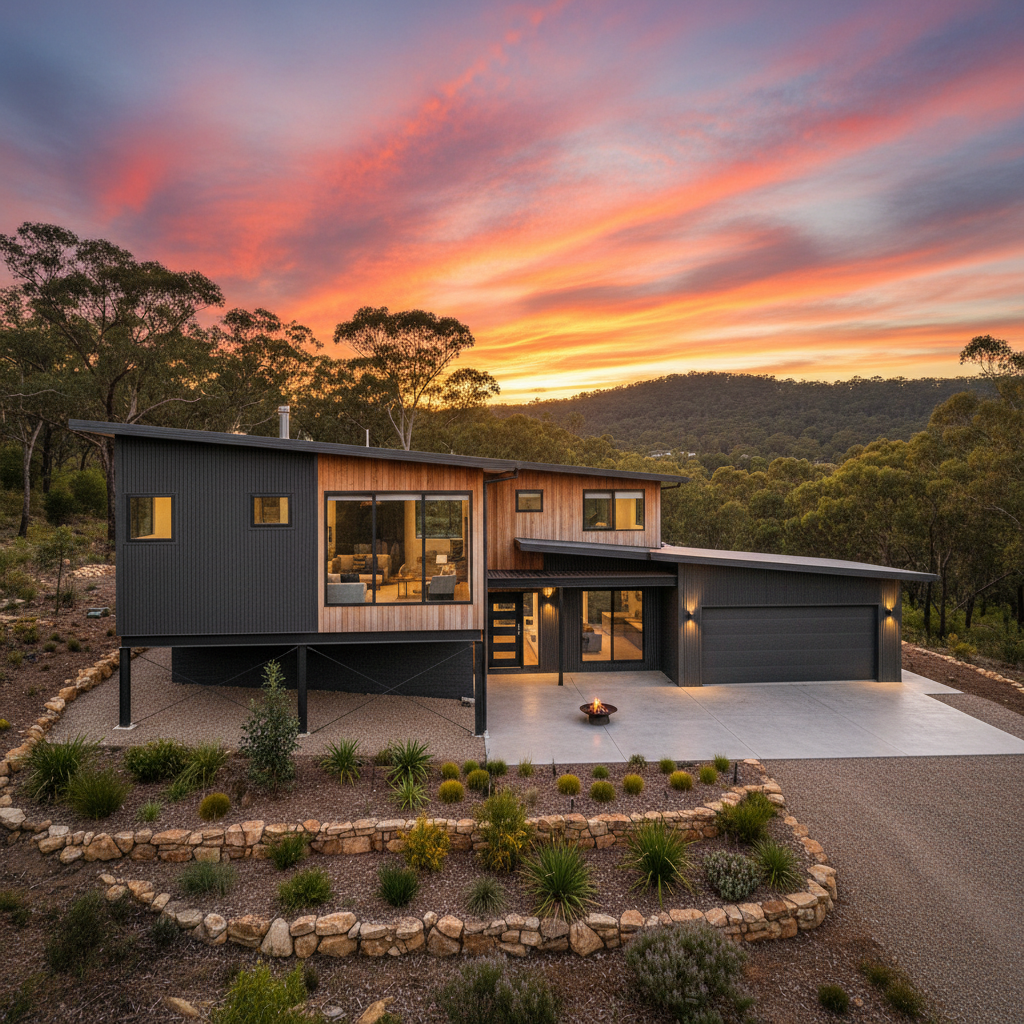
Using steel also allows for modern, open-plan designs with large windows and doors that celebrate the surrounding views. It is a material that feels right at home in the Australian landscape, offering a contemporary aesthetic that complements the natural environment while providing the structural integrity needed for decades of country living.
Owner Builder Tips: Planning Your Project
Stepping into the role of an owner-builder is an exciting challenge, but it requires meticulous organisation. Here is some guidance for managing your project effectively:
First, build a strong team of local trades. Even though you are the project manager, you will need reliable plumbers, electricians, and concreters. Engaging local trades is a great way to integrate into your new community and they often have valuable insights into local building conditions.
Second, manage your timeline carefully. Building in a rural area can sometimes lead to longer wait times for trades or weather delays. Having a flexible schedule and clear communication with your kit provider ensures that materials arrive when you are ready for them, avoiding clutter on your site.
Designing for a Rural Lifestyle
The shift to the country often comes with a shift in lifestyle. You might find yourself spending more time outdoors, gardening, or perhaps even hosting friends who are visiting from the city. This informs the design of your kit home. Wide verandas are an Australian classic for a reason, they provide shade and a place to sit and watch the sun go down.
Consider a mudroom or a utility space near the entry. When you are living on acreage, you will likely be bringing in a bit of nature on your boots. A dedicated space to drop off wet coats and dirty shoes helps keep your main living areas pristine. Additionally, think about the flow between your kitchen and outdoor spaces. A kitchen that opens onto a deck is perfect for the relaxed, informal entertaining that typifies Australian country life.
Sustainable Living in Your New Home
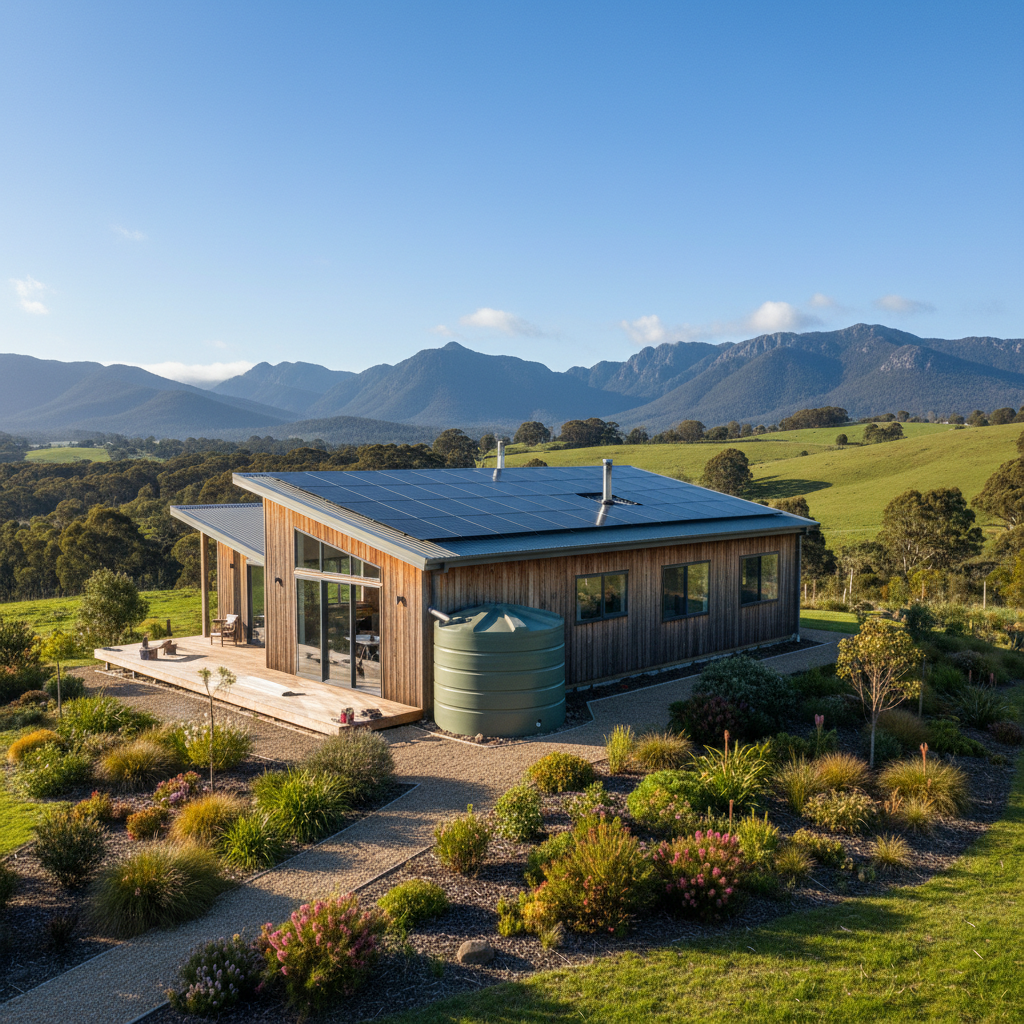
Many Australians moving to rural areas are also looking to reduce their environmental footprint. Kit homes are well-suited to sustainable living. The precision of steel frames means less waste on site, and the inclusion of high quality insulation in the kit helps maintain thermal comfort throughout the year. You can also easily integrate rainwater tanks and solar power systems into your build, making your home more self-sufficient and aligned with your new rural surroundings.
Conclusion: Embracing the Future of Housing
The trend towards remote work has opened up doors that were previously closed for many Australians. It has allowed us to reconsider what makes a home truly valuable, it is not just about the proximity to an office, but the quality of life, the connection to nature, and the satisfaction of building something for ourselves. Kit homes are at the forefront of this revolution, providing an accessible and robust solution for those ready to make the leap into the heart of Australia.
By taking on the role of an owner-builder and choosing a home that is designed for the Australian climate and lifestyle, you are not just building a house, you are crafting a future that prioritizes well-being, freedom, and the stunning beauty of our regional landscapes. Whether you are in the planning stages or just dreaming of a sea-change or tree-change, the path to your new rural life has never been clearer.