The Backyard Revolution: Redefining the Australian Dream
For decades, the Australian property dream was defined by the large family home on a quarter-acre block. But as our lifestyles evolve and our cities become more densely populated, that dream is shifting. We are currently witnessing a massive surge in the popularity of secondary dwellings, more affectionately known as granny flats. This backyard revolution is being driven by a desire for flexibility, family proximity, and the creative use of existing land.
At the heart of this movement is the kit home. Australian homeowners are increasingly looking for ways to add value to their properties without the complexity of traditional bespoke builds. By opting for a kit home, owner-builders are taking the reins, transforming underutilised lawn space into high-quality, permanent residences that serve a variety of modern needs.
The Changing Face of the Australian Granny Flat
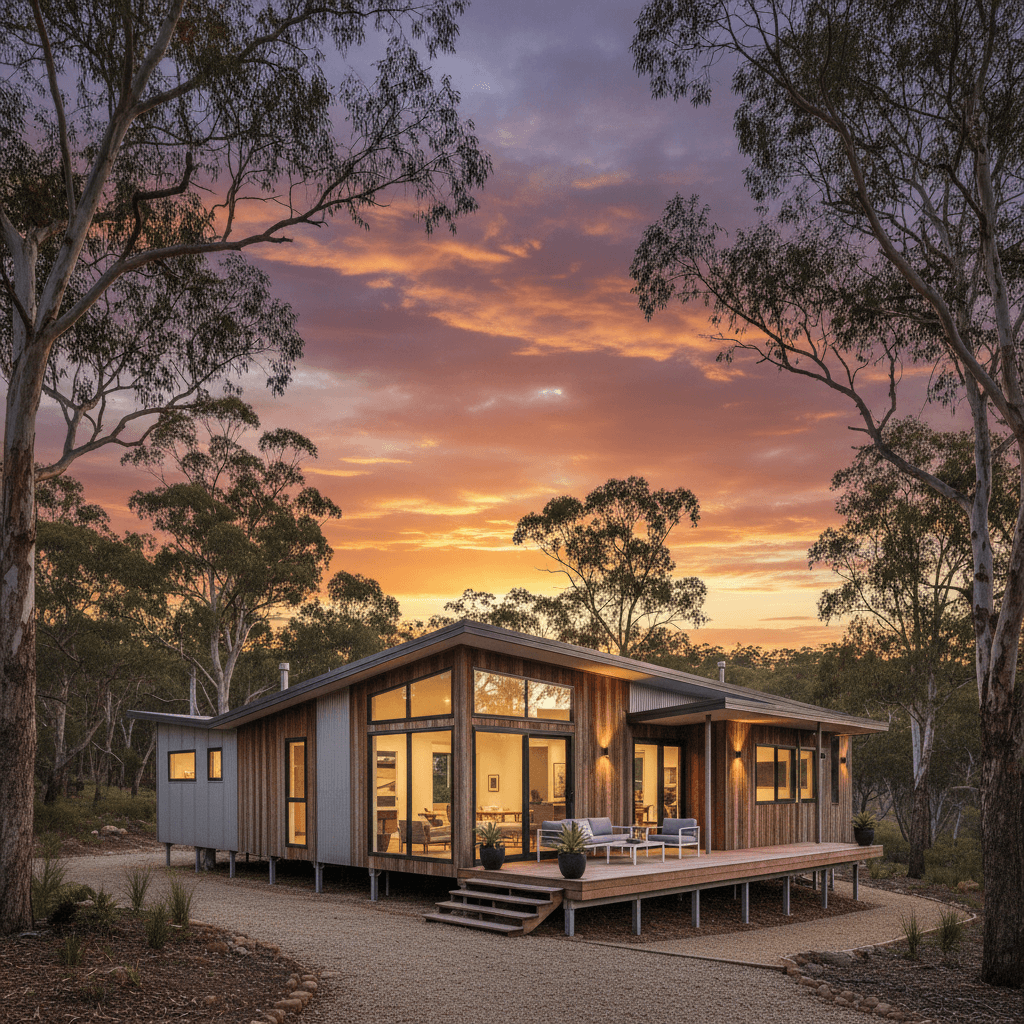
Forget the image of a dusty, cramped donga at the back of the yard. Today's secondary dwellings are architectural gems. The current trend in Australian housing focuses on sleek lines, sustainable materials, and clever floor plans that maximise every square metre. Whether it is a minimalist studio for a freelance designer or a fully self-contained two-bedroom home for aging parents, the modern kit home is a far cry from the outbuildings of the past.
One of the primary drivers for this trend is multi-generational living. With housing accessibility shifting, many families are looking for ways to keep their loved ones close while still maintaining privacy. A well-designed kit home provides that perfect balance. It allows adult children to save for their own future or grandparents to age in place, surrounded by family, while having their own front door and kitchen.
Why Kit Homes are Leading the Charge
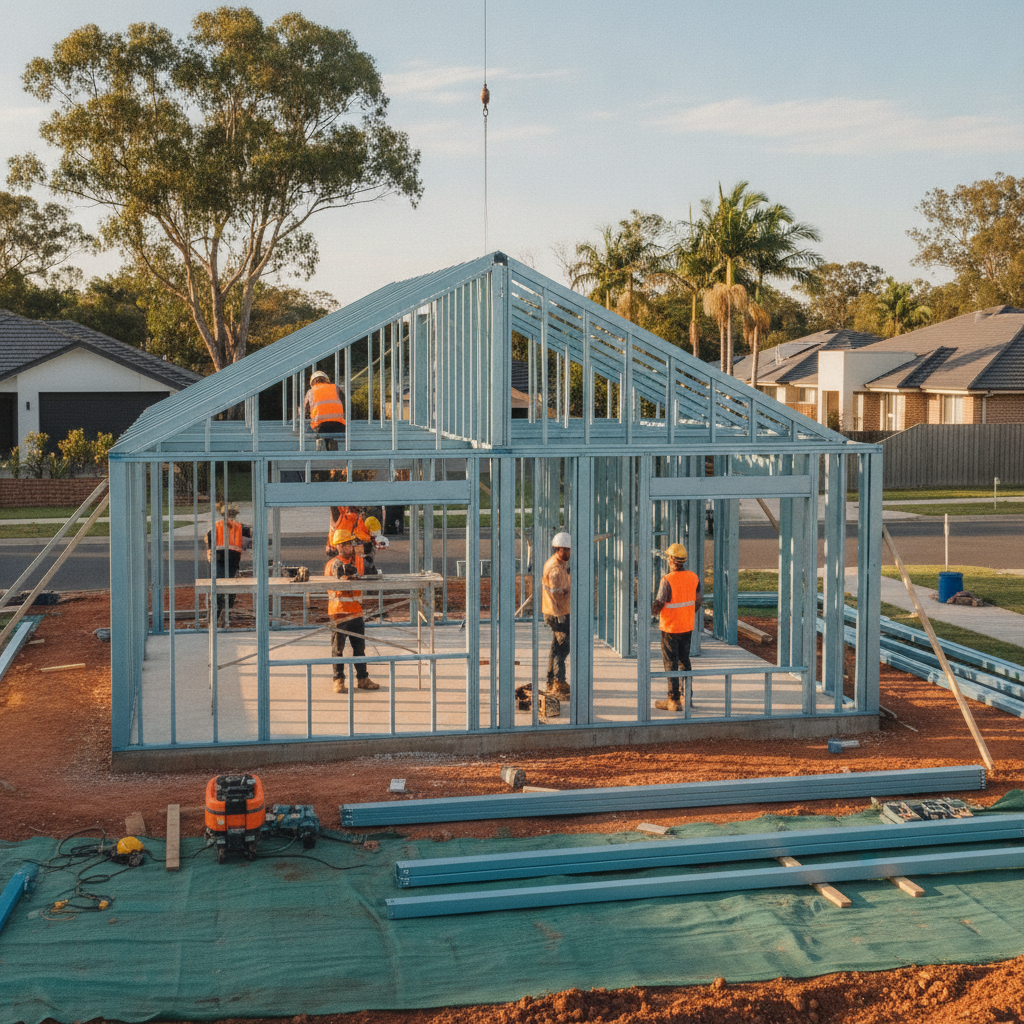
The transition toward kit homes as the preferred method for building secondary dwellings is no accident. The kit home model empowers the owner-builder. When you choose a kit, you receive a precision-engineered package that includes the structural essentials, such as the steel frames, roofing, cladding, windows, and doors. This removes the guesswork from the initial phase of construction.
Using BlueScope TRUECORE steel for the framing is a particular trend we are seeing across the country. Australian builders prefer steel because it is termite-proof, straight, and true, which is vital when you are working on a smaller footprint where every millimetre counts. Steel frames do not warp or twist over time, ensuring that the sleek, modern lines of a new granny flat stay crisp for decades.
Practical Tips for Planning Your Secondary Dwelling
If you are considering adding a kit home to your property, preparation is your best friend. Here are some actionable tips to help you navigate the process as an owner-builder:
1. Check Your Local Council Regulations
Every local government area in Australia has different rules regarding secondary dwellings. Some councils have relaxed their laws to encourage backyard builds, while others have strict requirements regarding block size, setbacks from fences, and floor area limits. Always make the council your first port of call before you fall in love with a specific design.
2. Consider Site Access
Unlike a new build on an empty block, you are likely navigating an existing backyard. Think about how materials will be delivered. Kit homes are advantageous here because the components, like the steel frames and cladding, can often be carried through side gates or smaller openings where large machinery might struggle to go.
3. Orientation and Passive Design
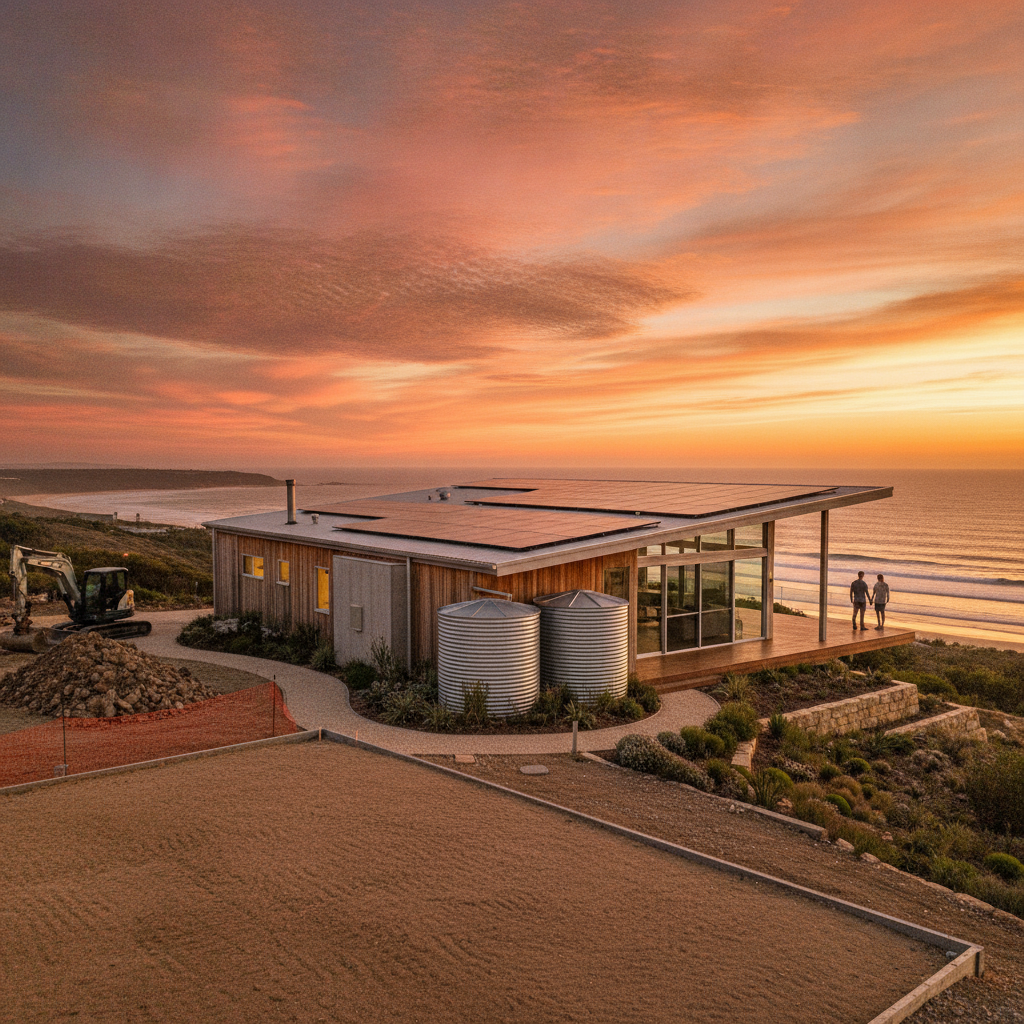
To make a small space feel large and comfortable, focus on orientation. Position your windows to catch the winter sun and use eaves or awnings to block the harsh summer heat. This not only makes the home more liveable but also reduces the long-term energy requirements for heating and cooling.
The Owner-Builder Advantage
Taking on the role of an owner-builder for a kit home project is an incredibly rewarding experience. It gives you total control over the finished product. While the kit provides the high-quality shell, including the insulation and external finishes, the interior is a blank canvas. This is where you can truly let your style shine through the fit-out, choosing the cabinetry, flooring, and fixtures that match your vision.
Being an owner-builder means you are the project manager. You will coordinate the site works, the slab pour, and the various trades like plumbers and electricians. This hands-on approach is what makes the project feel authentic. There is a unique sense of pride that comes from standing in a completed home and knowing you were the driving force behind its creation.
Design Trends: Making Small Spaces Feel Grand
Current Australian design trends for secondary dwellings focus on 'the big house feel' in a smaller footprint. Here is how to achieve it:
- High Ceilings: Increasing the ceiling height by even a small amount can make a compact room feel airy and expansive.
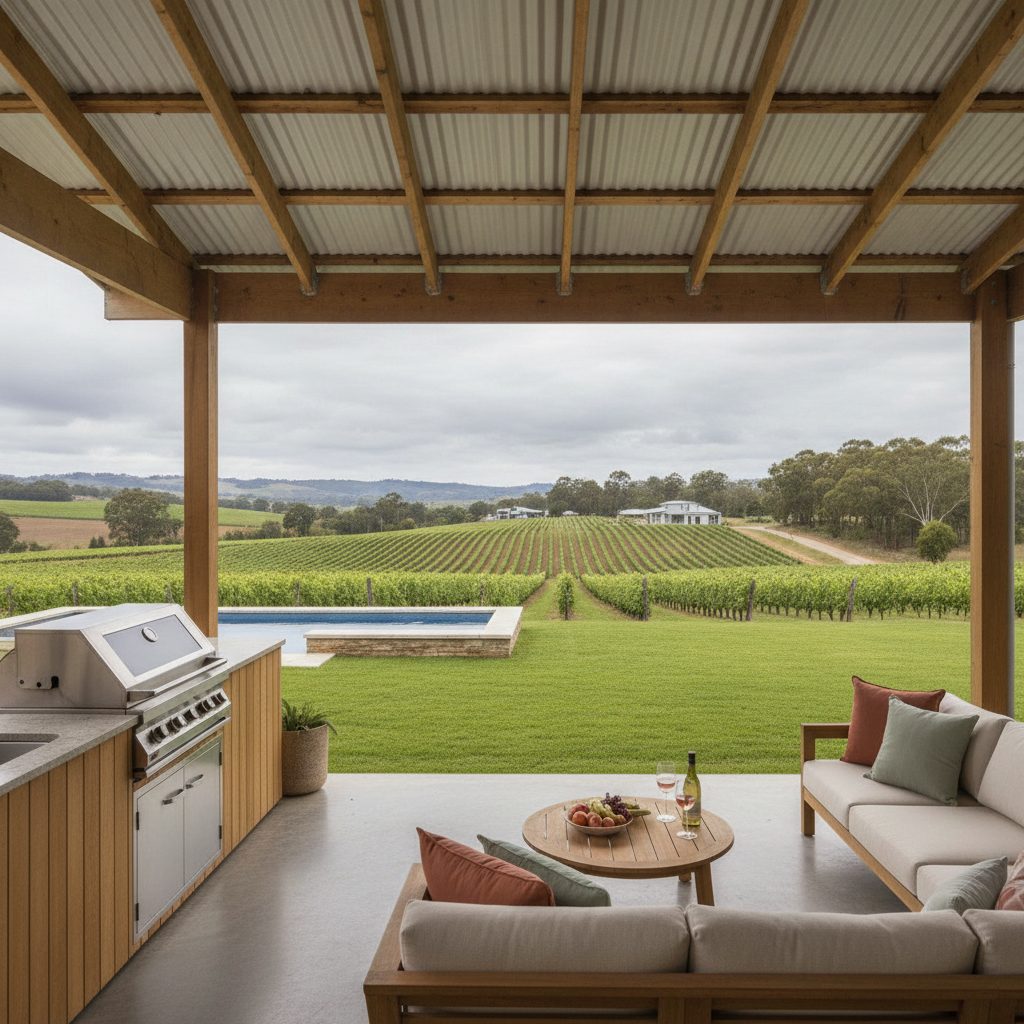
- Indoor-Outdoor Flow: Use large sliding doors that lead out onto a deck. In the Australian climate, your deck becomes a second living room, effectively doubling your usable space.
- Lighter Palettes: Using light colours for your internal walls and external cladding helps reflect light, making the dwelling look more prominent and inviting.
- Smart Storage: Integrated joinery and loft spaces are becoming staples in kit home designs, ensuring that clutter is kept at bay.
The Technical Edge: Steel Framing in the Australian Climate
When we look at building techniques that stand the test of time, steel framing is a clear winner for the Australian environment. For a backyard project, the lightweight nature of steel makes it easier to handle on-site. Furthermore, because the frames are manufactured to precise specifications, they arrive ready to be bolted together. This accuracy is a massive benefit for owner-builders who want to ensure their walls are perfectly square before the windows and doors are installed.
The durability of steel is also a major factor. In many parts of Australia, termites are a constant threat. By using a steel-framed kit, you are building in a layer of resilience from day one. It is about peace of mind, knowing that the structural integrity of the secondary dwelling is protected against pests and the elements.
Lifestyle Benefits Beyond Extra Bedrooms
While many people build kit homes for family members, we are seeing a trend toward 'lifestyle' dwellings. These are spaces dedicated to hobbies, wellness, or professional work. The rise of remote work has led many Australians to move out of the spare bedroom and into a dedicated backyard office. Building a separate kit home creates a physical and mental boundary between work life and home life, which is essential for long-term well-being.
Others are using these spaces as creative studios, yoga retreats, or even high-end guest houses for visiting friends. The flexibility offered by a secondary dwelling means your property can grow and change as your life does.
Wrapping Up the Backyard Revolution
The landscape of Australian housing is changing, and the rise of the kit-built secondary dwelling is a testament to our ingenuity and adaptability. By taking the owner-builder path, Australians are creating bespoke, high-quality living spaces that cater to the needs of modern families and individuals alike.
Whether you are looking to support your family, create a professional workspace, or simply add value and versatility to your property, a steel-framed kit home offers a durable, stylish, and practical solution. As we continue to rethink how we use our land, the humble backyard is no longer just a place for a lawnmower, it is a place for discovery, connection, and the future of Australian living.