The Great Australian Backyard Evolution
Walk through any suburban street in Brisbane, Melbourne, or Sydney lately, and you might notice something shifting. The traditional quarter-acre block, once defined by a lonely hills hoist and a patch of buffalo grass, is being reimagined. We are currently witnessing a significant shift in Australian housing trends, where the humble backyard is becoming the site of some of the country’s most innovative small-scale architecture. The rise of the kit home granny flat is no longer just about housing an elderly relative, it is about creating flexible, high-quality living spaces that adapt to our changing lives.
Whether it is to provide a launchpad for adult children who are finding the rental market a bit too tight, or a sophisticated home office away from the chaos of the main lounge room, secondary dwellings are the new must-have. And for many Australians, the path to achieving this is through kit homes. By choosing a kit, owner-builders are finding they can manage their own projects and create a custom space that matches the aesthetic of their primary residence without the complexity of a completely bespoke architectural build.
Why Granny Flats are Dominating the Australian Housing Landscape
The popularity of secondary dwellings has exploded over the last few years, and for good reason. Legislative changes in various states have made it easier than ever to get approval for these structures. In many cases, if you have the space, you have the opportunity. But beyond the red tape, the trend is being driven by lifestyle. As more of us work from home, the need for a dedicated, professional environment has skyrocketed. A kit home allows for a separate entrance and a distinct mental boundary between work life and home life.
We are also seeing a return to multi-generational living. Australians are finding value in keeping families close. A well-designed kit home provides the perfect balance of proximity and privacy. It allows for independent living while sharing the same patch of dirt, fostering a sense of community that many traditional suburban layouts lack.
The Strength of Steel: Why Materials Matter
When looking at modern housing trends, the move toward steel frame construction is impossible to ignore. In Australia, our homes have to stand up to some pretty harsh conditions, from the humidity of the tropics to the intense sun of the southern states. This is where using BlueScope Steel, specifically brands like TRUECORE, really makes a difference for the owner-builder.
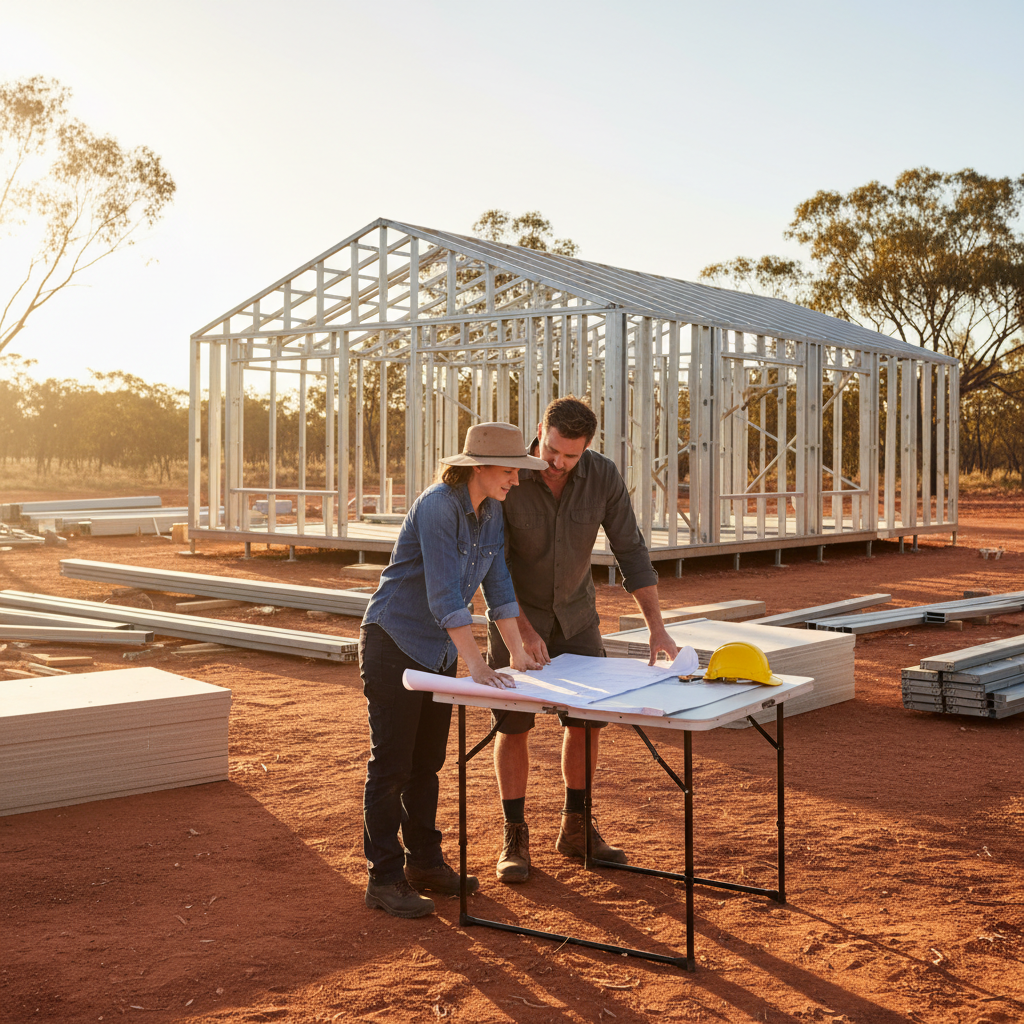
Steel frames offer a level of precision that is incredibly beneficial for a kit home project. Because the frames are engineered to exact specifications, they arrive on-site straight and true. This means no warping, twisting, or shrinking over time. For the owner-builder, this precision makes the subsequent stages of the build, like installing windows, doors, and internal linings, much smoother. Furthermore, in a country where termites are a constant concern, the peace of mind that comes with a termite-proof steel frame is a significant drawcard for long-term investment.
Designing for Small Spaces
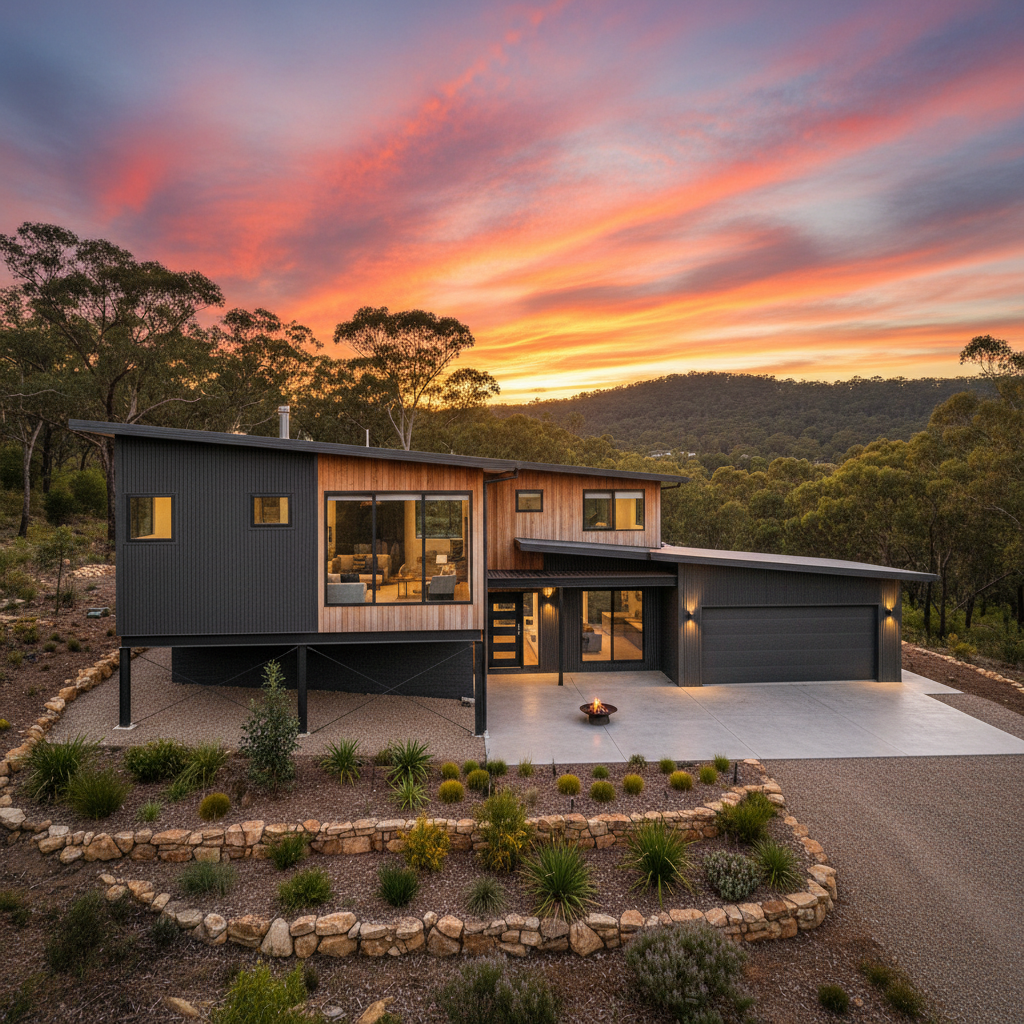
One of the most exciting aspects of the current granny flat trend is the focus on clever design. Just because a space is small doesn't mean it should feel cramped. Current Australian design trends for secondary dwellings focus on high ceilings, large windows, and open-plan layouts that flow seamlessly into outdoor areas.
When planning your kit home layout, consider the following:
- Natural Light: Use large windows and glass sliding doors to blur the lines between inside and out. This makes a small footprint feel much larger.
- Orientation: Work with your site’s natural orientation to capture northern sun in winter and exclude it in summer.
- Storage: Built-in robes and clever cabinetry are essential when every square metre counts.
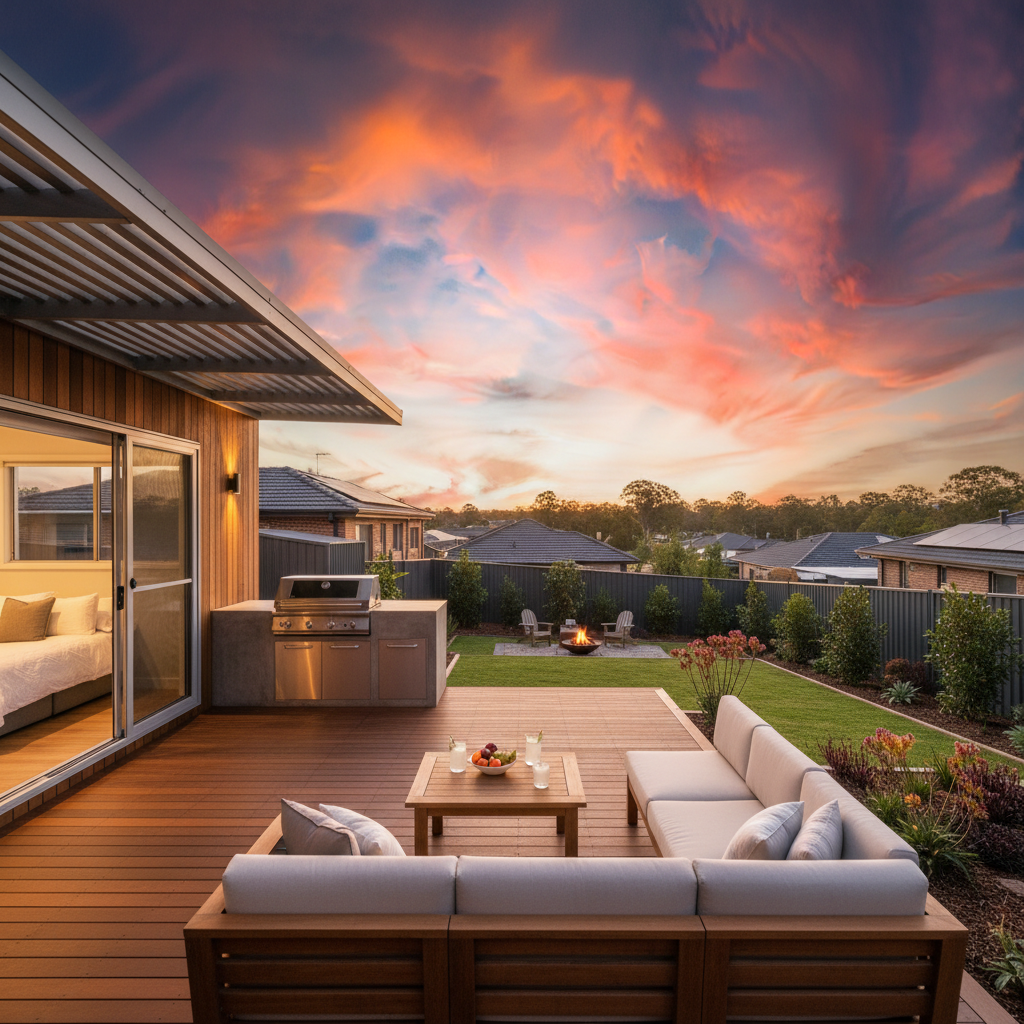
- Decking: Adding a generous deck to your kit home effectively doubles your living space and provides that quintessential Australian outdoor lifestyle.
Tips for the Aspiring Owner-Builder
Taking on a kit home as an owner-builder is a rewarding journey, but it requires a solid plan. Unlike other construction methods, a kit home gives you the components, like the frames, roofing, cladding, and insulation, but you are the project manager who brings it all together.
First, get familiar with your local council's regulations. Every council has different rules regarding the size, height, and placement of secondary dwellings. Understanding these early will save you a lot of headaches later on. Secondly, build a good relationship with your local trades. Even if you plan on doing a lot of the work yourself, you will still need licensed plumbers and electricians to sign off on those critical stages.
Another tip is to prepare your site thoroughly. A level, well-prepared slab or sub-floor is the foundation of a successful build. When your steel kit arrives, you want to be ready to start standing frames immediately rather than faffing around with site works that should have been finished weeks ago.
Sustainability and Longevity
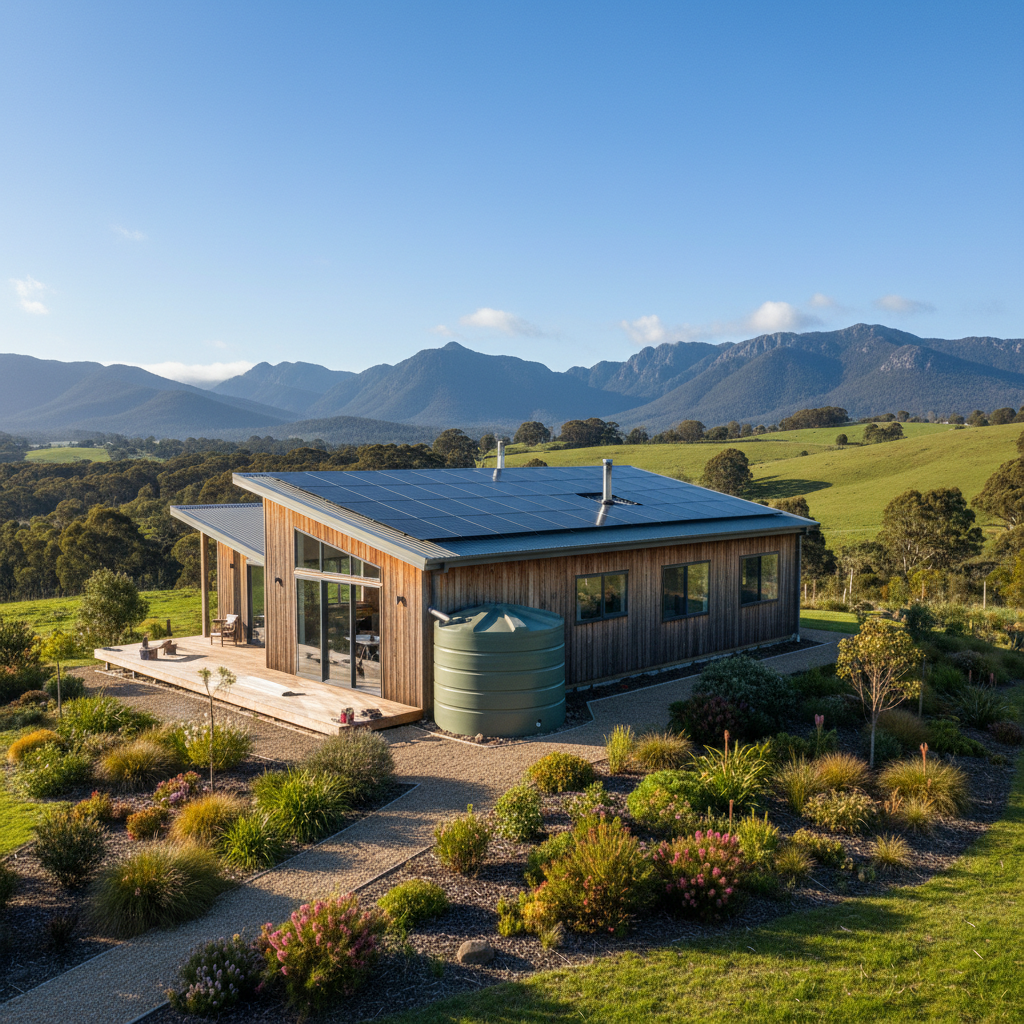
Modern Australian housing trends are increasingly focused on sustainability. Using steel frames is a great choice here because steel is 100 percent recyclable. Additionally, the kit home model reduces waste on-site, as the materials are delivered in the exact quantities required for the design. When paired with high-quality insulation and double-glazed windows, these secondary dwellings can be incredibly energy-efficient, staying cool in summer and warm in winter without heavy reliance on air conditioning.
The Future of the Backyard
As we look ahead, it is clear that the secondary dwelling trend isn't just a flash in the pan. It represents a fundamental change in how Australians think about their property. We are moving away from the idea of a house as a static object and toward the idea of a property as a flexible asset that can grow and change with our needs.
The kit home model is the engine behind this change. It empowers homeowners to take control of their building projects, offering a structured and manageable way to add significant value and utility to their land. Whether it is a studio, a guest house, or a full two-bedroom granny flat, the potential is limited only by your imagination and the size of your backyard.
Conclusion
Embracing the kit home lifestyle is about more than just adding a building to your yard, it is about creating a space that enhances your lifestyle and provides for your family’s future. By choosing high-quality materials like steel frames and focusing on smart, functional design, Australian owner-builders are leading the way in modern, sustainable, and flexible housing. If you have been dreaming of that extra space, there has never been a better time to explore the possibilities of a kit home. Your backyard might just be the most valuable piece of real estate you own.