The Backyard Revolution: Australia's Shift Toward Secondary Dwellings
Walk through almost any established Australian suburb lately and you will likely notice a change. Beyond the Hills Hoist and the patch of lawn, a new structure is rising. The traditional Australian backyard is undergoing a significant transformation, driven by a desire for more flexible living arrangements and the clever use of existing land. We are seeing a massive surge in the popularity of secondary dwellings, commonly known as granny flats, and they are no longer just for grandma.
As our lifestyles evolve, so does our need for space. Whether it is a home office that offers true separation from the main house, a retreat for teenagers, or a way to keep family close while maintaining independence, the kit home approach to secondary dwellings has become a go-to solution for thousands of homeowners across the country.
The New Face of the Granny Flat
Gone are the days when a secondary dwelling was a cramped, dark shed at the bottom of the garden. Today, Australian housing trends show a shift toward sophisticated, architecturally inspired designs that complement the main residence. These modern additions are being used for everything from creative studios and gyms to guest houses and primary residences for young adults saving for their first home.
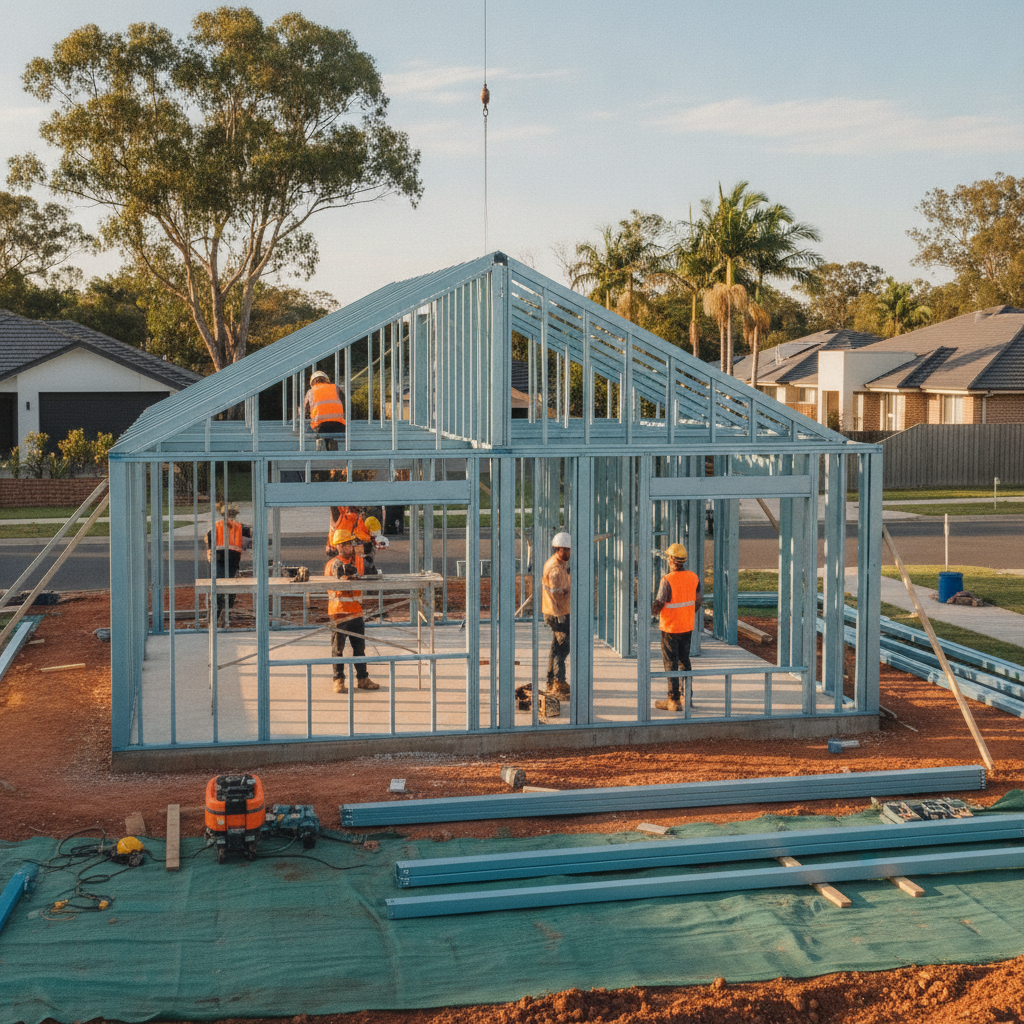
The beauty of a kit home in this context is the flexibility it provides. Because the components are delivered to the site ready for assembly, homeowners can navigate tight backyard access that would make traditional heavy construction difficult. Using high quality materials like BlueScope TRUECORE steel frames ensures these structures are built to last, offering termite resistance and straight, true lines that stay that way for decades.
Why More Australians are Choosing the Kit Home Path
The rise of the owner-builder movement in Australia has been a significant driver of the kit home trend. People are increasingly looking to take control of their building projects, and for a secondary dwelling, the kit home model is perfectly scaled. It allows you to manage the process, from selecting your design to coordinating the final fit-out, giving you a sense of pride and a deep connection to the finished space.
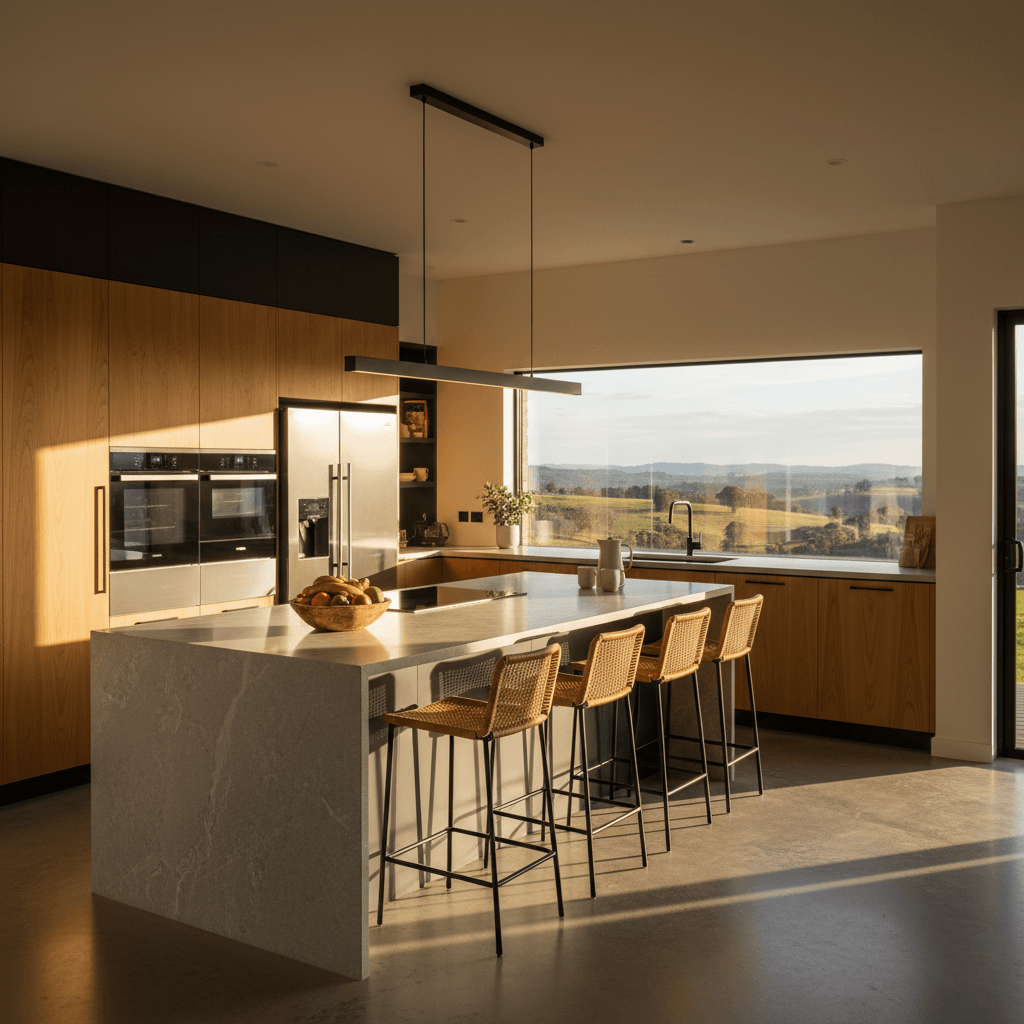
When you choose a kit home, you are essentially getting the 'bones' of the building. This includes the steel frames, roofing, cladding, windows, and doors. This leaves the creative part, the interior styling, the flooring, and the kitchen and bathroom finishes, entirely up to you. It is this balance of structure and creative freedom that appeals to the modern DIY enthusiast.
Streamlining the Process for Owner-Builders
One of the biggest hurdles in any construction project is coordination. By opting for a kit home, much of the guesswork is removed from the structural phase. The frames are engineered to precise specifications, meaning everything fits together exactly as intended. For an owner-builder, this level of predictability is invaluable. It allows you to focus your energy on managing the site works, the concrete slab, and the skilled trades like plumbers and electricians who will bring the home to life.
Design Trends: Small Spaces with Big Personalities
In the world of secondary dwellings, bigger isn't always better. The trend is currently leaning toward compact, highly efficient floor plans that maximize every square metre. Here are some of the design elements we see gaining traction across Australia:
- High Ceilings and Natural Light: Using raked ceilings and large windows to create a sense of volume in a small footprint.
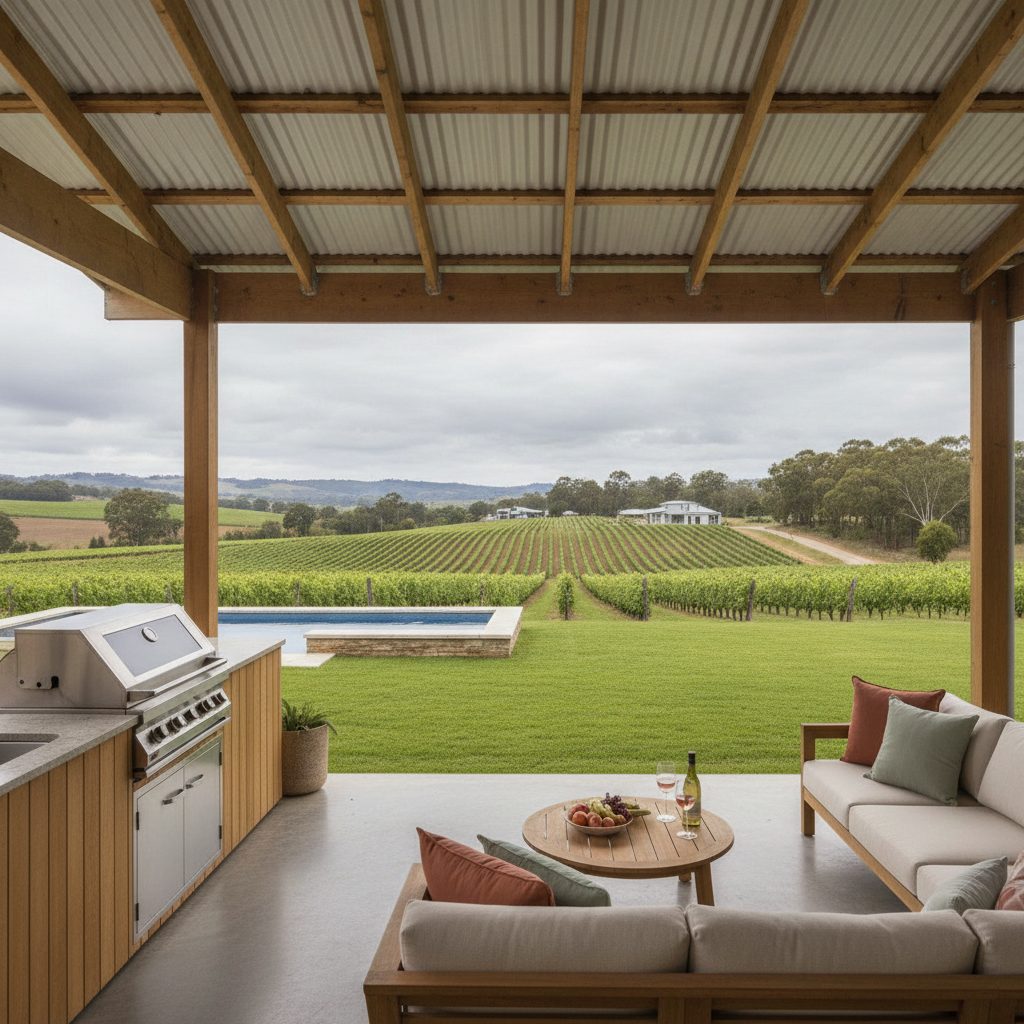
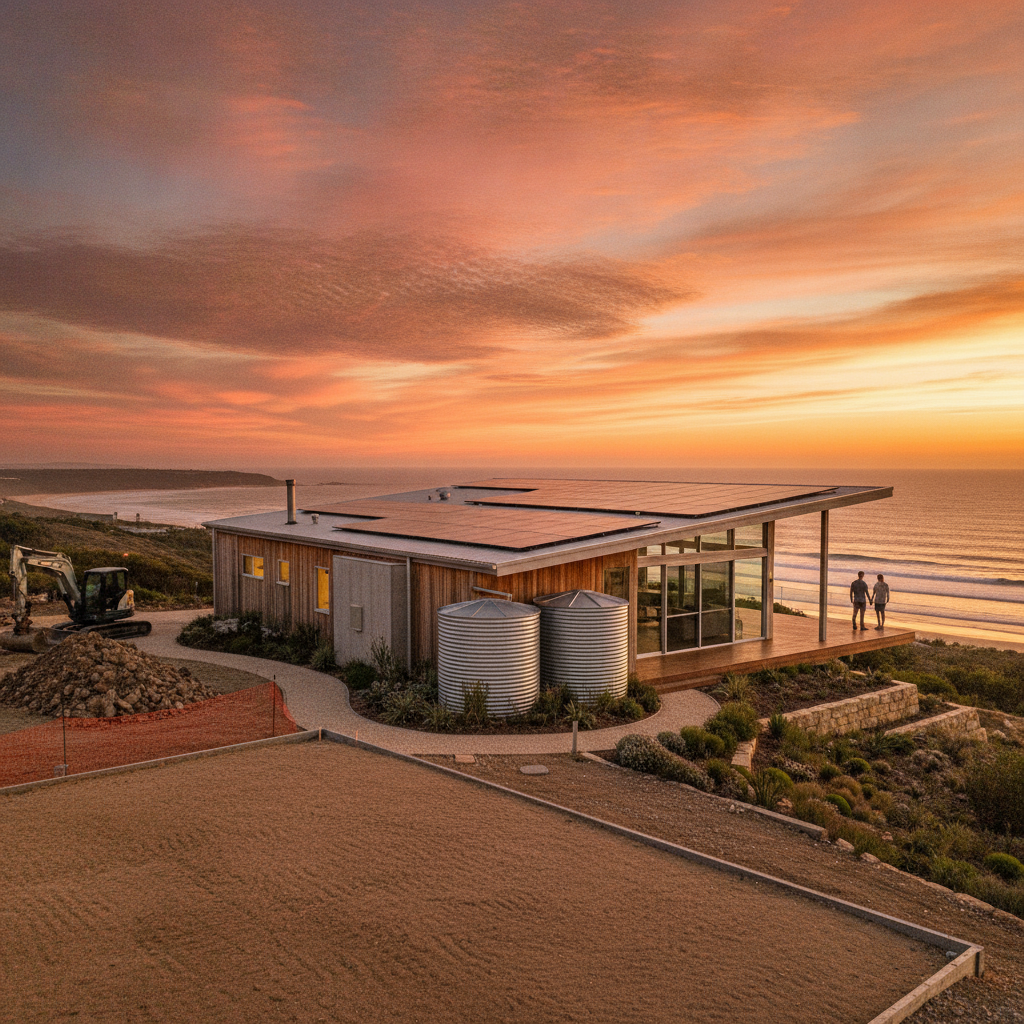
- Outdoor Integration: Large sliding doors that open onto decks, effectively doubling the living space during the warmer months.
- Mixed Cladding: Combining different textures, such as horizontal weatherboards with sleek metal finishes, to create a contemporary look.
- Minimalist Interiors: Clean lines and integrated storage solutions that keep the space clutter-free.
Practical Tips for Planning Your Secondary Dwelling
If you are considering adding a kit home to your property, there are several practical steps you should take to ensure your project is a success. Building a secondary dwelling is an exciting journey, but it requires careful preparation.
1. Understand Your Local Regulations
Every local council in Australia has its own set of rules regarding secondary dwellings. Some are very progressive, encouraging backyard builds to increase housing density, while others may have stricter requirements regarding setbacks, height limits, and floor area. Before you fall in love with a specific kit home design, check with your local planning department to see what is permitted on your block.
2. Site Orientation and Access
Where you place your kit home on your block matters. Consider the sun's path to ensure you get plenty of natural light in winter while being protected in summer. Also, think about the logistics of delivery. Kit home components are usually delivered on a truck, so you will need a clear path for the materials to be brought onto the property. If your backyard access is limited, discuss this with your supplier early on.
3. The Importance of a Quality Slab
Your kit home is only as good as the foundation it sits on. Hiring a professional to pour a precise, level concrete slab is non-negotiable. Because steel frames are manufactured to such exact tolerances, even a small deviation in the slab can cause headaches during assembly. Investing in a quality slab is the best way to ensure the rest of your build goes smoothly.
The Steel Frame Advantage in Modern Construction
While the aesthetic of the home is what you'll enjoy every day, what is inside the walls matters just as much. Steel framing has become the gold standard for kit homes in Australia for several reasons. For one, it is completely termite-proof, an essential consideration for many regions across the country. Additionally, steel does not warp, twist, or shrink over time, which means your doors and windows are more likely to stay square and your plasterwork is less likely to crack.
Using BlueScope TRUECORE steel ensures that the skeleton of your secondary dwelling is robust and durable. It provides the peace of mind that comes with knowing your investment is protected against the harsh Australian environment.
The Lifestyle Impact: More Than Just Four Walls
Ultimately, the popularity of the modern granny flat is about more than just construction, it is about lifestyle. We are seeing a shift toward more communal living where multiple generations share a property but enjoy their own private spaces. This "together, but separate" approach is helping families support each other while maintaining the independence that is so important to the Australian identity.
For some, it is the opportunity to work from a dedicated garden office, away from the distractions of the kitchen table. For others, it is the chance to have a hobby room or a guest suite for visiting friends. The versatility of these spaces is what makes them so attractive.
Taking the Leap as an Owner-Builder
Stepping into the role of an owner-builder is a rewarding challenge. It requires organization, a bit of grit, and a willingness to learn. However, the result is a home that you have played a direct role in creating. When you manage the site and see the steel frames go up, you gain a deep understanding of your home's anatomy.
Practical advice for new owner-builders: stay organized with your paperwork, maintain clear communication with your trades, and don't be afraid to ask questions. There is a vast community of DIY builders in Australia who are often happy to share their experiences and tips.
Conclusion
The rise of secondary dwellings and kit homes represents a clever, sustainable, and flexible way to address our changing housing needs. By utilizing the space we already have and embracing the owner-builder spirit, Australians are creating beautiful, functional homes that serve a variety of purposes. Whether it is for family, work, or leisure, the modern kit home is a testament to the creativity and resourcefulness of Australian homeowners. If you have been dreaming of more space, perhaps the answer is waiting right there in your own backyard.