Embracing the Great Australian Outdoor Lifestyle
There is something uniquely Australian about the desire to blur the lines between inside and out. Whether it is a Sunday afternoon barbecue, a quiet morning coffee listening to the magpies, or hosting the whole extended family for Christmas lunch, the alfresco area is the true heart of the modern Australian home. When you are planning a kit home, you have a golden opportunity to bake this lifestyle into your floor plan from day one.
Building a home today is about more than just four walls and a roof. It is about how those spaces make you feel and how they adapt to our sometimes harsh, always beautiful environment. In this guide, we will explore how to design an outdoor living space that works with the Australian climate, enhances your kit home design, and provides that seamless transition we all crave.
Orientation: The Secret to Year-Round Comfort
Before you even look at furniture catalogs or outdoor kitchens, you need to look at the sun. In Australia, orientation is everything. A poorly positioned alfresco area can become a furnace in January or a freezing wind tunnel in July. When positioning your kit home on your block, consider the path of the sun throughout the seasons.
Ideally, an alfresco area should be located on the north or north-east side of the home. This allows you to catch the gentle morning sun while being protected from the harsh, biting heat of the western afternoon sun. If your block forces a western orientation, you will need to invest in vertical shading solutions, like outdoor blinds or deciduous plantings, to keep the space usable during those golden hour drinks.
Seamless Transitions: Creating the Indoor-Outdoor Flow
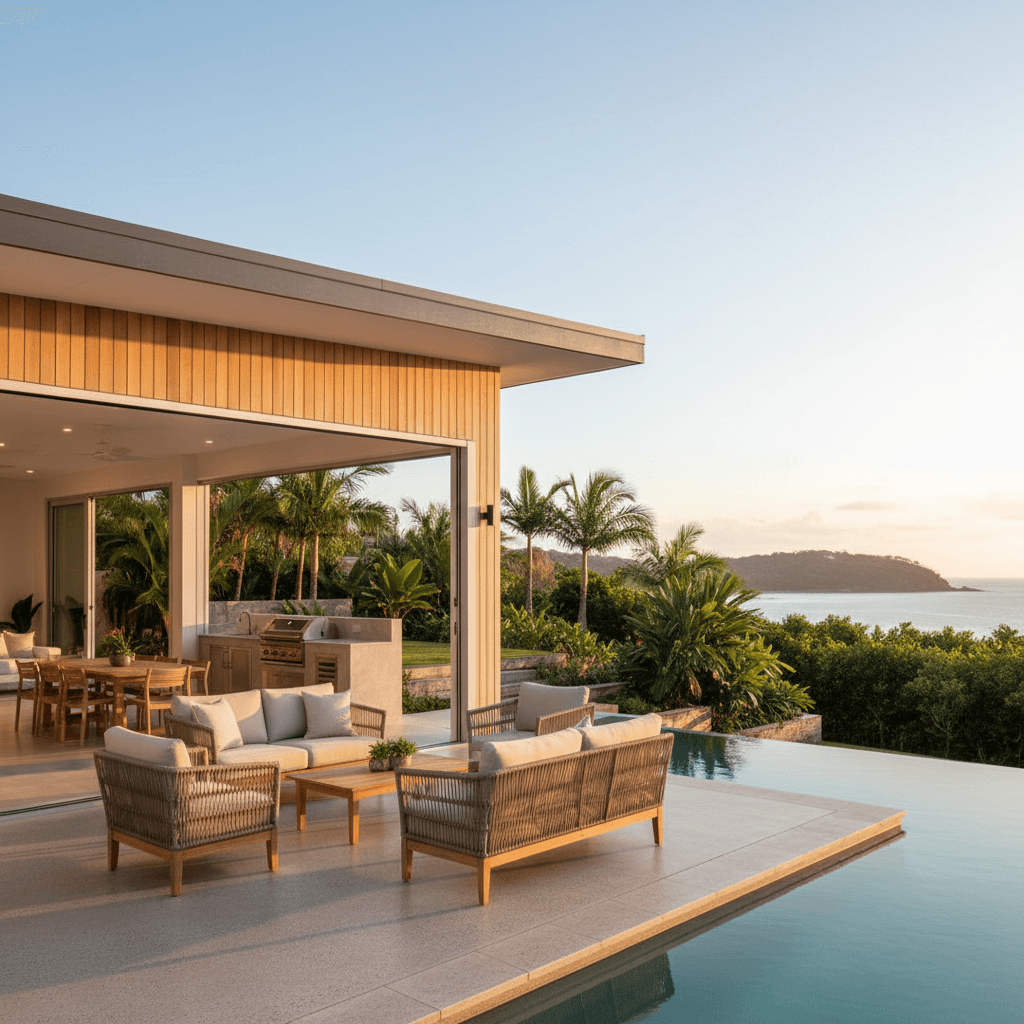
The hallmark of a well-designed modern home is the feeling that the living room doesn't really end, it just changes texture. To achieve this in your kit home project, focus on the thresholds. Using wide stacker doors or bifold doors can effectively remove an entire wall, merging your kitchen and dining area with your deck or patio.
A great tip for owner-builders is to keep the floor levels as consistent as possible. By choosing a flooring material inside that can be mirrored or complemented outside, you trick the eye into seeing one massive continuous space. Many modern tiles come in both internal and external finishes, allowing you to maintain the same aesthetic while ensuring the outdoor section is slip-resistant and durable against the elements.
Building for the Elements: Durability and Style
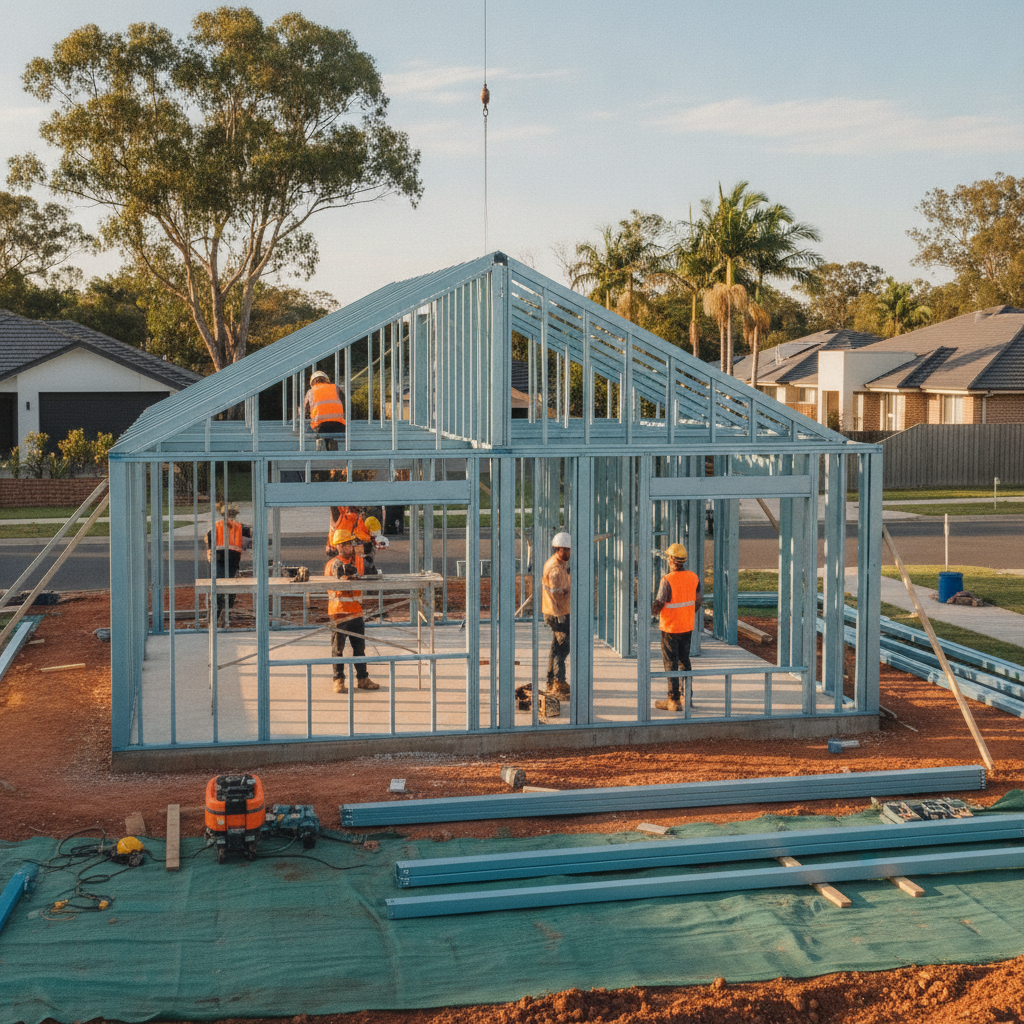
Australian weather is famously unpredictable. We deal with intense UV rays, heavy downpours, and in many areas, the constant threat of bushfires or coastal salt spray. This is where the structural integrity of your kit home plays a vital role. Utilizing high-quality materials, such as BlueScope steel frames, provides a level of precision and straightness that makes installing large-scale glass doors and intricate rooflines much easier for the owner-builder.
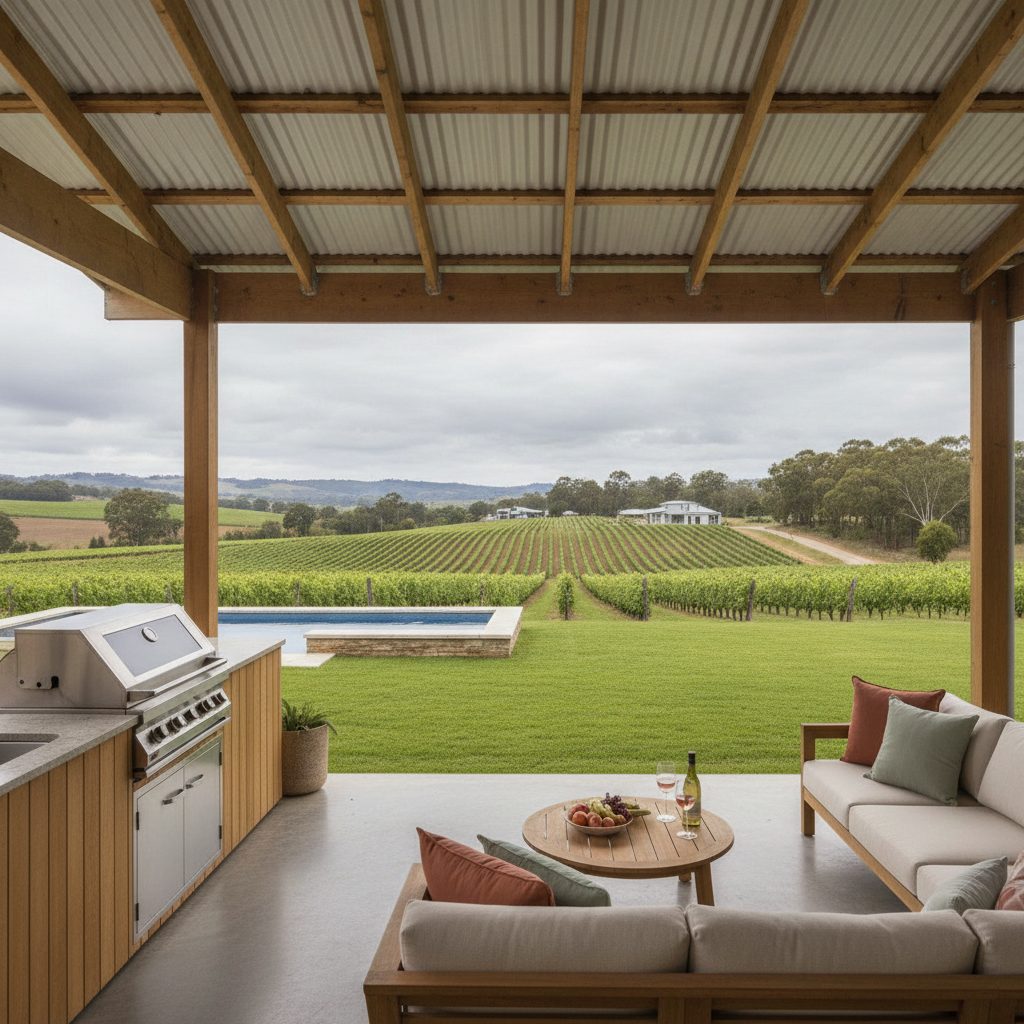
For the roof of your alfresco area, consider extending the main roofline of the house rather than adding a separate pergola later. This creates a more cohesive architectural look and provides better weather protection. Using steel roofing is a popular choice across Australia because it reflects heat efficiently and stands up to the battering of hailstorms and falling branches.
Owner-Builder Tip: Planning Your Electricals Early
Nothing ruins the vibe of a beautiful deck like messy extension cords running through a doorway. As an owner-builder, you have the power to plan your electrical layout during the framing stage. Think about including:
- Outdoor-rated ceiling fans to keep the air moving on humid days.
- Dimmable LED downlights or strip lighting to set the mood at night.
- Weatherproof power points for outdoor fridges or speakers.
- Electric strip heaters for those crisp autumn evenings.
The Outdoor Kitchen: More Than Just a BBQ
The Australian barbecue has evolved. While a portable kettle grill is a classic, many kit home owners are now opting for fully integrated outdoor kitchens. If you enjoy entertaining, consider a layout that includes a built-in grill, a small bar fridge, and perhaps a sink with cold water access. This keeps the cook involved in the conversation and prevents constant trips back to the main kitchen.
When designing this space, ensure you have plenty of bench space next to the barbecue. Stainless steel or stone benchtops are excellent choices for their ability to withstand the sun and rain. Just remember to check your local council regulations regarding gas plumbing and drainage if you are going for a full plumbed-in setup.
Landscaping: The Final Layer of Comfort
Your alfresco area doesn't exist in a vacuum, it is part of your garden. Strategic landscaping can significantly improve the performance of your outdoor living zone. Planting tall, leafy trees to the west can provide natural cooling through transpiration and shade. Using native Australian plants not only supports local biodiversity but also ensures your garden can survive on minimal water once established.
Consider the use of vertical gardens or trellises to create privacy from neighbors. A wall of star jasmine or native climbing peas adds a beautiful scent and a soft, green texture that balances the clean lines of a modern steel-framed home.
Trends in Australian Outdoor Design
Currently, we are seeing a move toward "Zoned Living" in outdoor spaces. Rather than one large open deck, homeowners are creating distinct areas: a dedicated dining space under the main roof, a sun-drenched nook for reading, and perhaps a fire pit zone further into the yard for winter nights. This makes even a modest-sized kit home feel much larger by creating multiple destinations within the property.
Another major trend is the use of dark, moody colors for cladding and roofing. Deep greys and charcoals are incredibly popular as they allow the home to recede into the landscape, making the green of the garden pop. When choosing your kit home colors, think about how they will look under the bright Australian sun, which can often wash out lighter shades.
Practical Advice for the DIY Enthusiast
If you are taking the owner-builder route, the alfresco area is often the most rewarding part of the project, but it requires careful coordination. Ensure your concrete slab or timber sub-floor for the deck is perfectly level and integrated with the house frames. Using steel floor joists can be a lifesaver here, as they won't warp or twist, providing a perfectly flat surface for your final decking material.
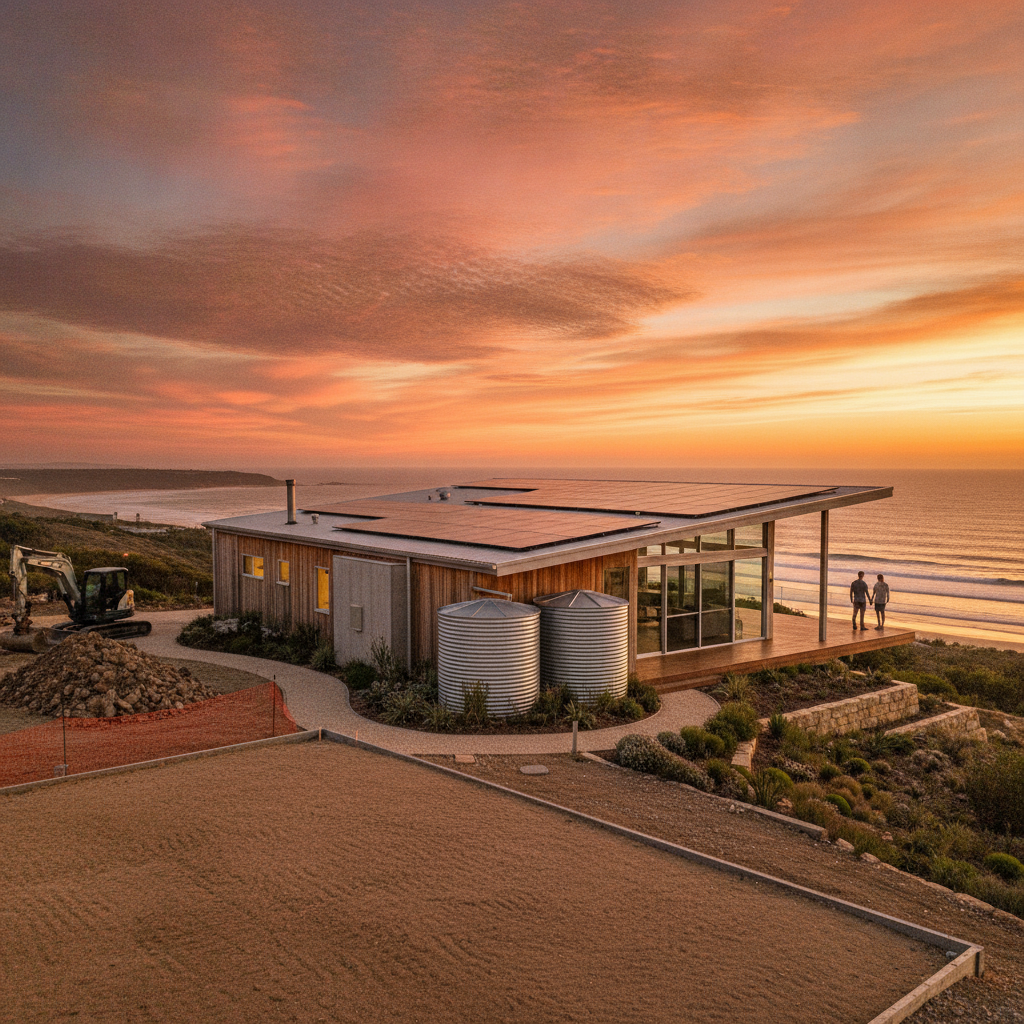
Work closely with your suppliers to ensure that the windows and doors included in your kit are specified for the correct wind rating for your area. This is particularly important for those building in cyclonic regions or exposed coastal clifts where the alfresco area will bear the brunt of the weather.
Creating Memories Under the Rafters
At the end of the day, a kit home provides the canvas, but your lifestyle provides the color. By putting thought into your alfresco design during the planning phase, you are not just adding value to your property, you are creating a space where memories are made. From the first quiet coffee in your new home to the many celebrations to come, a well-designed outdoor area makes every day feel a little bit more like a holiday.
Building your own home is a journey of choices. By choosing durable materials, smart orientation, and a layout that prioritizes the way you actually live, you can create an Australian sanctuary that stands the test of time and becomes the favorite part of your home.