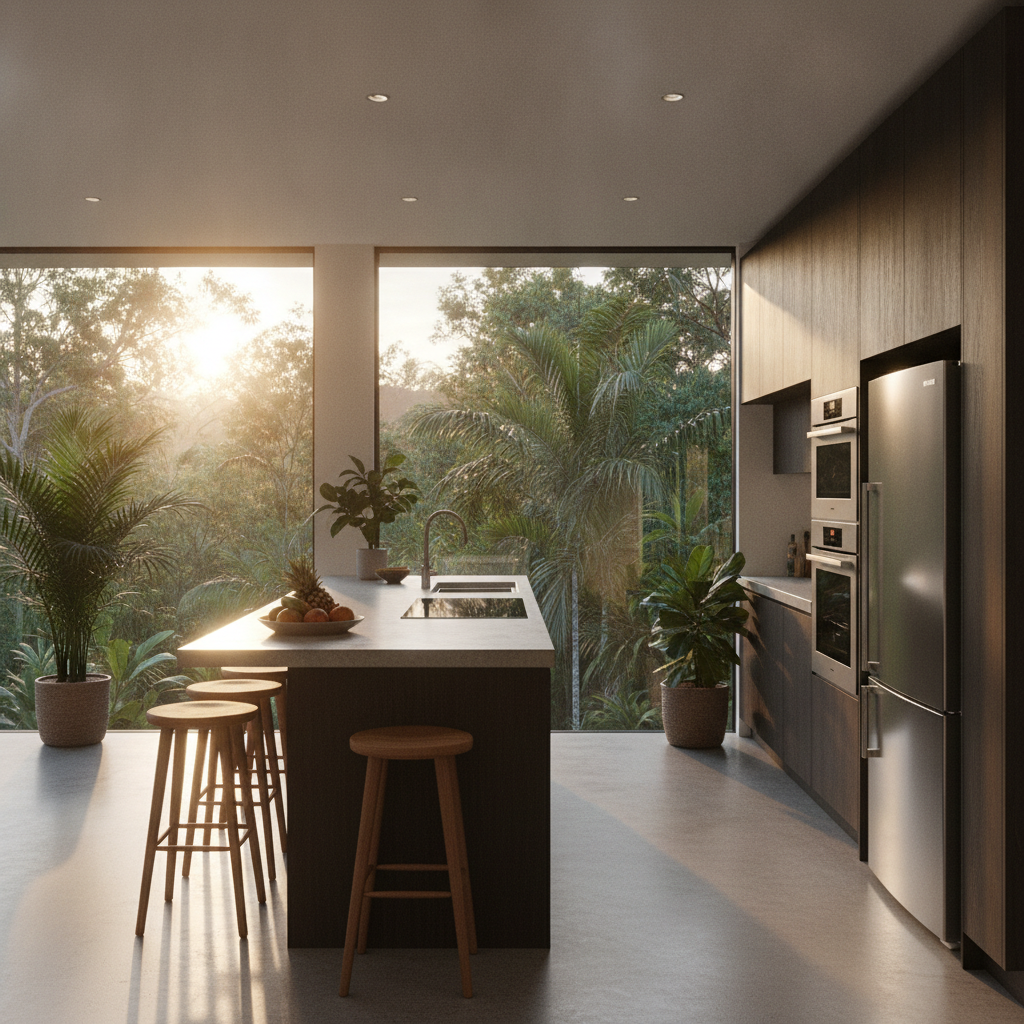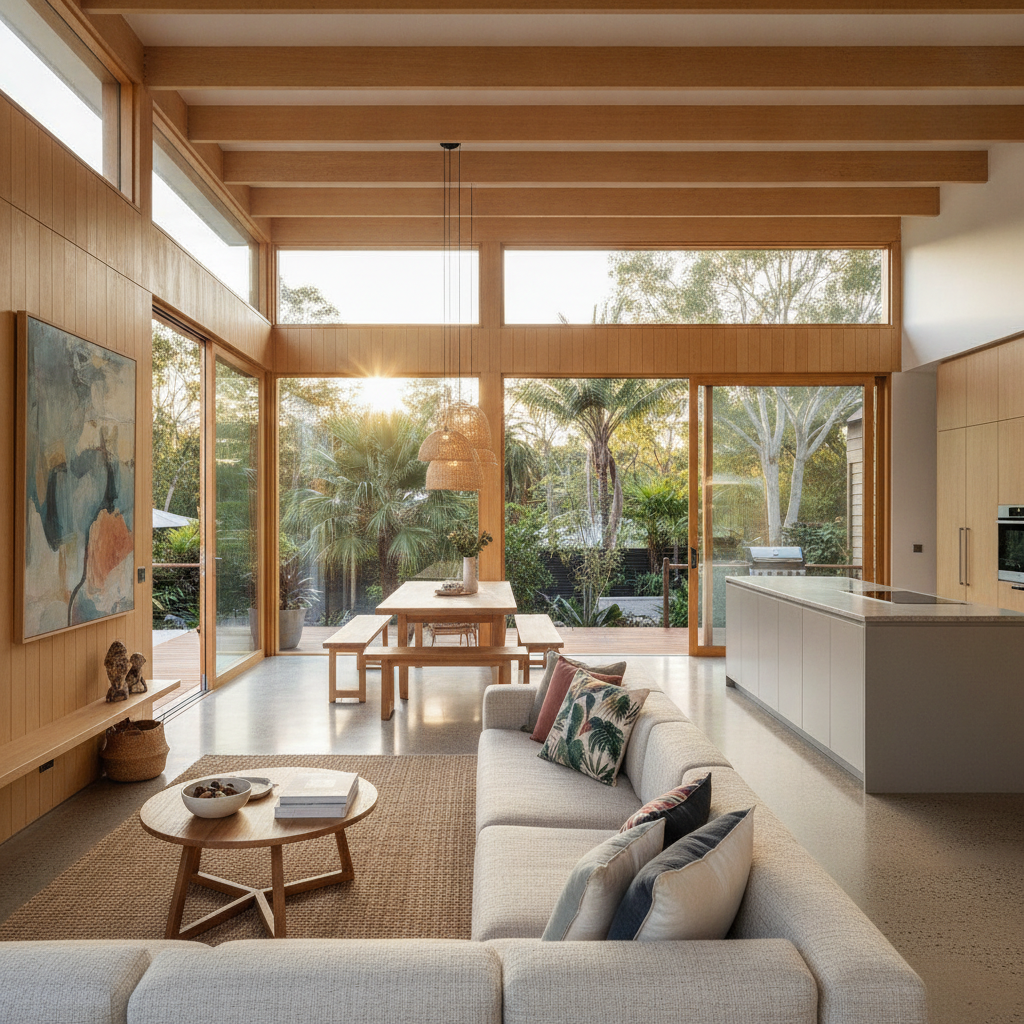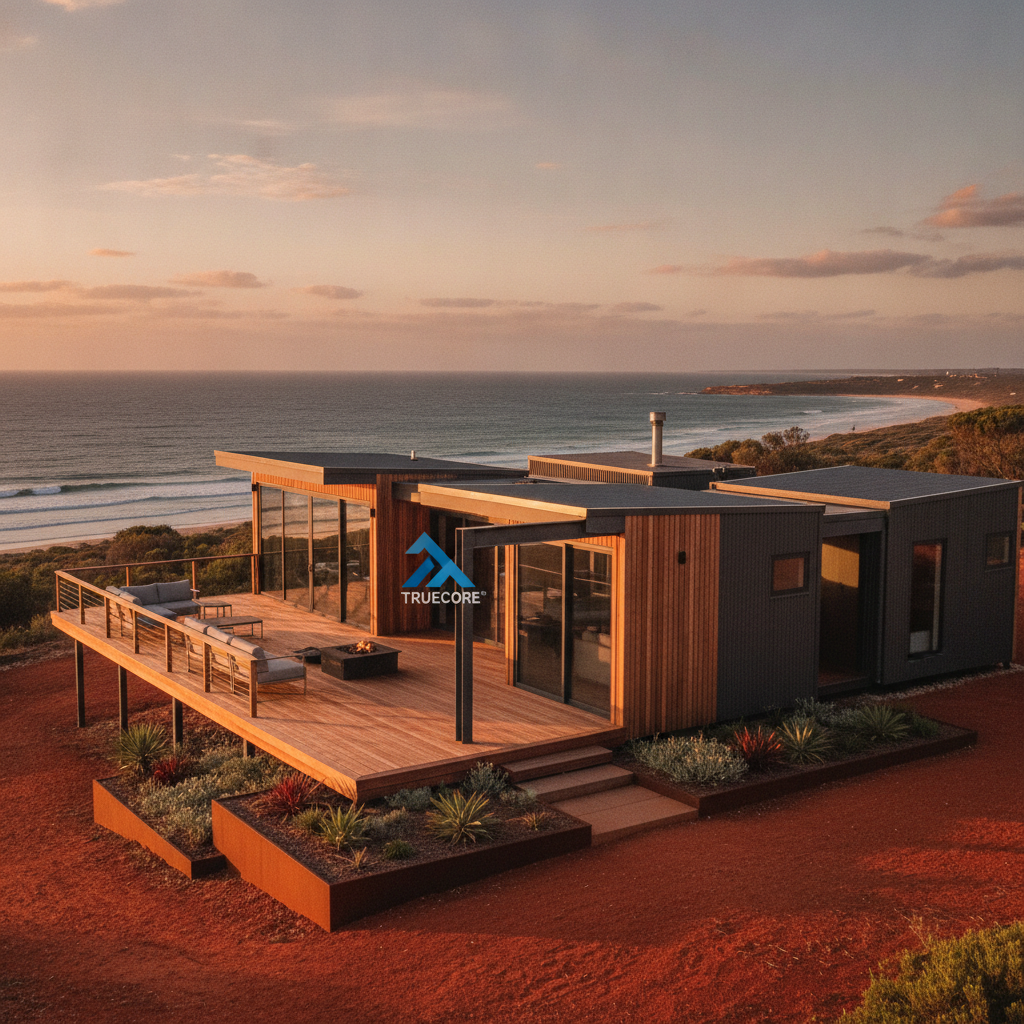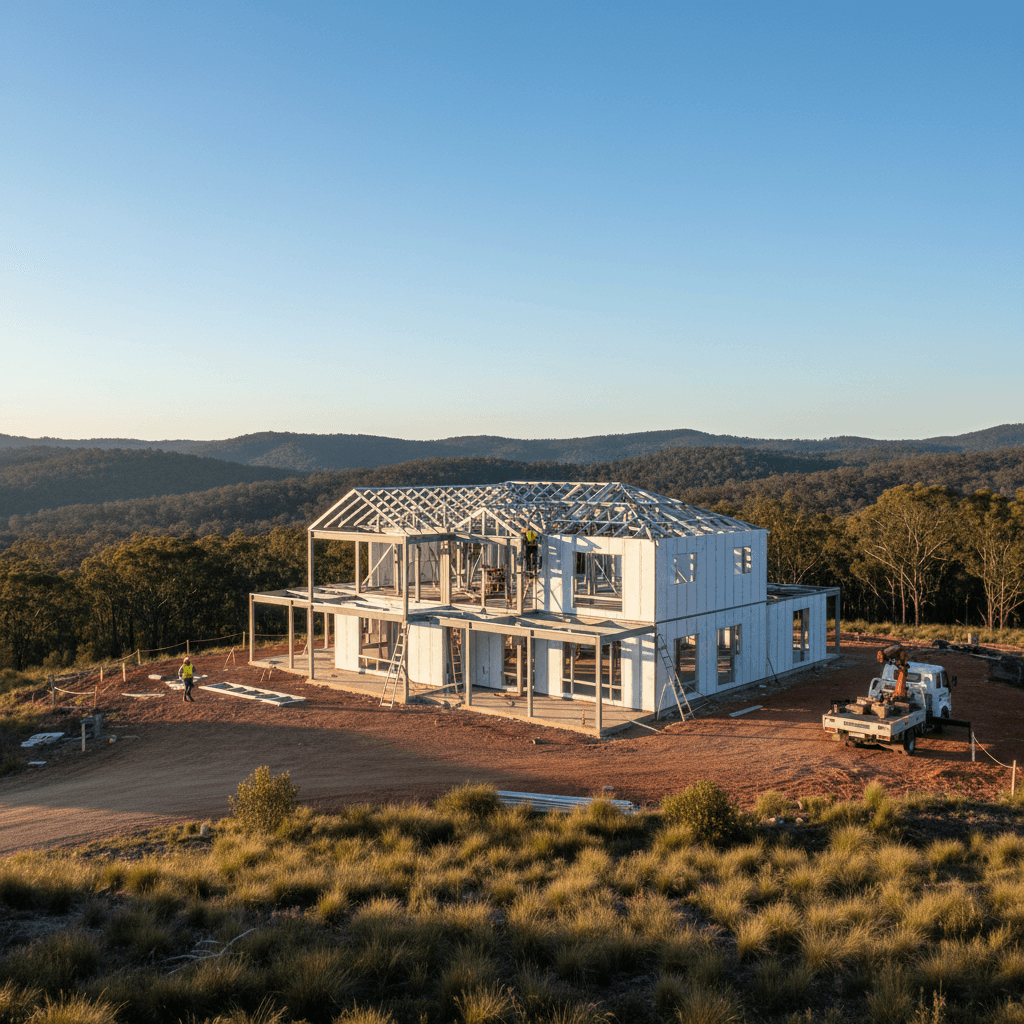
Introduction: The Rise of the Kit Home in Australia
Australia is currently facing a unique set of housing challenges. With traditional construction costs soaring and the 'Great Australian Dream' feeling increasingly out of reach for many, a modern solution is reclaiming the spotlight: the kit home. Far from the basic prefabricated sheds of the past, today’s kit homes are architecturally designed, highly customizable, and-most importantly-built to withstand the harsh Australian climate.
Specifically, the shift toward steel frame kit homes has revolutionized the owner-builder market. Whether you are looking to build a secluded rural retreat, a secondary dwelling (granny flat) for multi-generational living, or a primary family residence, understanding the benefits of steel frame construction is essential. In this comprehensive guide, we will explore why steel is the gold standard for Australian kit homes and provide practical tips to help you navigate your building journey.
What is a Kit Home?
At its core, a kit home is a dwelling where the various components are manufactured off-site and delivered to your property as a pre-packaged suite of materials. As the buyer, you generally receive the structural frame, external cladding, roofing, windows, and doors, along with the necessary architectural plans and instructions.
One of the primary misconceptions is that kit homes all look the same. In reality, modern Australian manufacturers offer everything from sleek, minimalist pavilions to traditional homestead designs. The flexibility of the kit model allows you to act as an owner-builder (subject to state regulations), saving significantly on labor costs, or hire a licensed contractor to manage the assembly for you.
Why Choose Steel Frame Construction?
While timber has historically been the go-to material for residential framing, steel-specifically high-tensile, galvanized light-gauge steel-has become the preferred choice for premium kit homes in Australia. Here is why:
1. Termite and Pest Resistance
Australia is home to some of the most destructive termite species in the world. For homeowners in Queensland, New South Wales, and Western Australia, timber rot and pest infestation are constant concerns. Steel is naturally 100% termite-proof. Choosing a steel frame eliminates the need for toxic chemical barriers and provides long-term peace of mind regarding the structural integrity of your home.
2. Fire Safety and Resilience
With many kit homes being built in regional or bushland areas, fire safety is paramount. High-quality steel frames are non-combustible. While no home is entirely fire-proof, a steel-framed structure does not provide fuel for a fire, potentially offering better protection and structural stability during a bushfire event. This can also have positive implications for your Bushfire Attack Level (BAL) compliance and insurance premiums.
3. Precision Engineering and Durability
Modern steel frames are fabricated using computerized numerical control (CNC) technology. This means every component is cut to the exact millimeter, ensuring a perfectly square and straight finish. Unlike timber, steel will not warp, twist, shrink, or sag over time. This precision prevents common issues like cracked cornices, jammed doors, or sticking windows as the house settles.
4. Environmental Sustainability
Steel is one of the most recycled materials on earth. Most Australian steel used in construction contains a significant amount of recycled content and is fully recyclable at the end of its life cycle. Furthermore, the precision of kit home manufacturing means there is minimal waste on-site compared to traditional 'stick-built' construction.
Planning Your Kit Home: 5 Essential Tips for Success
Building a home is likely the biggest investment you will ever make. To ensure your project stays on track and within budget, follow these practical steps:
Tip 1: Understand Local Council Regulations
Before you fall in love with a floor plan, contact your local council. Every Local Government Area (LGA) in Australia has specific requirements regarding zoning, setbacks, and heritage overlays. You will need to obtain Development Approval (DA) or a Complying Development Certificate (CDC) before construction begins. Ensure your kit provider provides the necessary engineering drawings to assist with this process.
Tip 2: Hidden Costs to Budget For
The price tag on a kit home package is rarely the 'final' price of the finished house. As a buyer, you must budget for:
- Site preparation: Earthworks, clearing, and leveling your land.
- Foundation: Concrete slabs or steel piers/stumps.
- Connections: Electricity, plumbing, sewage, and water tanks.
- Internal fit-out: Kitchen cabinetry, bathroom fixtures, flooring, and painting (unless included in a 'full' kit).
- Council and Permit fees: DA applications and long-service levies.
Tip 3: The Importance of a Soil Test
The type of soil on your block (classified from Class A to Class P) dictates the type of foundation you need. A 'reactive' soil that expands and contracts with moisture will require a more robust-and expensive-engineered footing system. Getting a soil test early will prevent unexpected costs once you start digging.
Tip 4: Evaluate Your Own Skills
Are you truly ready to be an owner-builder? While it can save you up to 30% on construction costs, it requires a significant time commitment and the ability to manage various trades (electricians, plumbers, etc.). If you aren't handy with a drill or don't have the time to supervise a site, consider hiring a 'Project Manager' or a builder who specializes in kit assembly.
Tip 5: Opt for Australian Steel
When selecting a supplier, ask where their steel is sourced. Australian-made steel (such as TrueCore® by BlueScope) is specifically designed for local conditions and meets stringent Australian Standards (AS1397 and AS2728). Using locally sourced materials also ensures that replacement parts or additional components are easily accessible if needed.
Designing for the Australian Climate
A great kit home isn't just about the frame; it's about livability. When choosing your design, consider passive solar design principles:
- Orientation: Position your living areas to the North to capture winter sun while using eaves to block the harsh summer heat.
- Ventilation: Australia can be humid. Ensure your design allows for cross-ventilation to reduce reliance on air conditioning.
- Insulation: In a steel-framed home, 'thermal bridging' can occur. Ensure your kit includes high-quality reflective foil and bulk insulation to maintain a comfortable temperature year-round.
Conclusion: Is a Kit Home Right for You?
The Australian kit home industry has come a long way. By leveraging the strength, precision, and durability of steel frame construction, homeowners can now achieve a high-end finish at a fraction of the cost of traditional builds. The journey requires careful planning, a solid understanding of your local regulations, and a realistic budget-but the reward is a bespoke home tailored perfectly to your lifestyle.
If you are ready to take the next step, start by researching reputable Australian kit home suppliers who specialize in steel frames. Ask for testimonials, visit display homes if possible, and ensure they provide the technical support you need to turn your vision into a reality. With the right kit and a clear plan, your dream Australian home is closer than you think.