Taking the Reins: Your Journey as an Australian Owner Builder
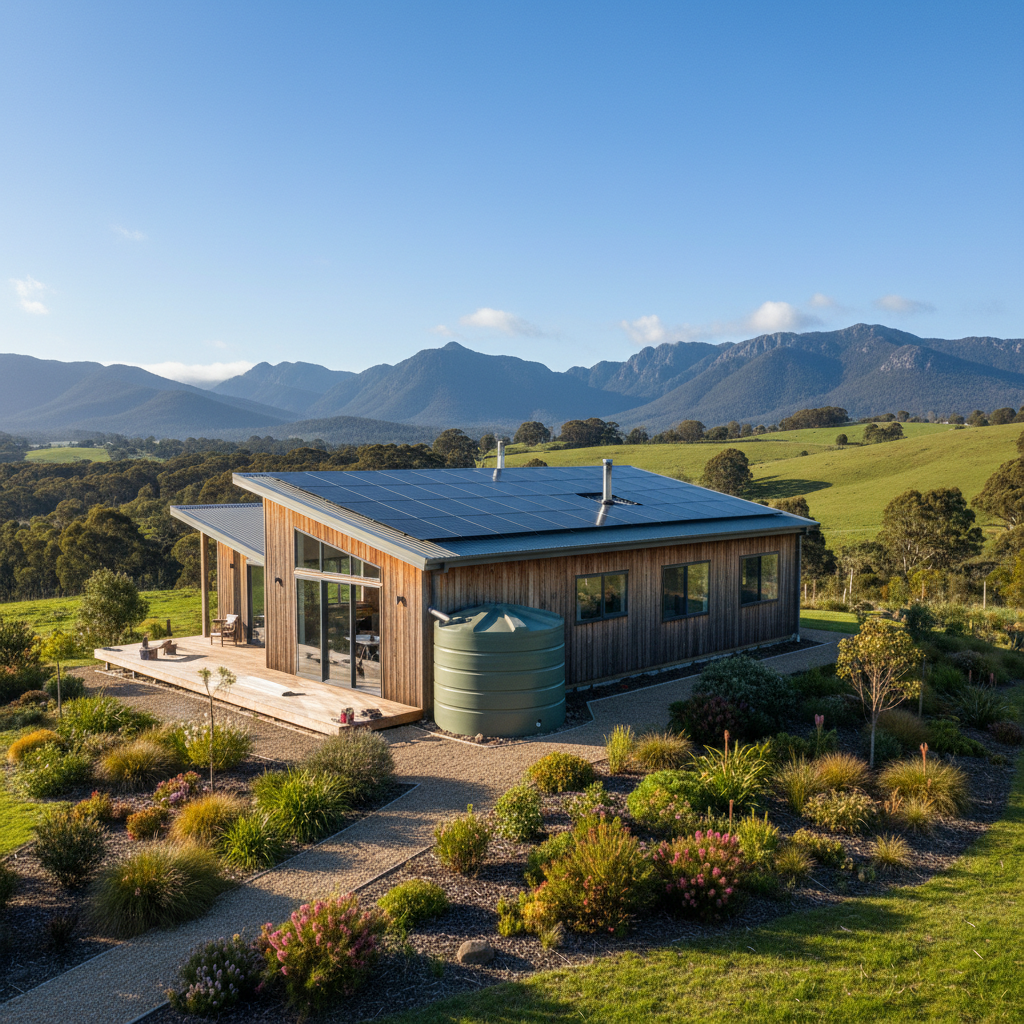
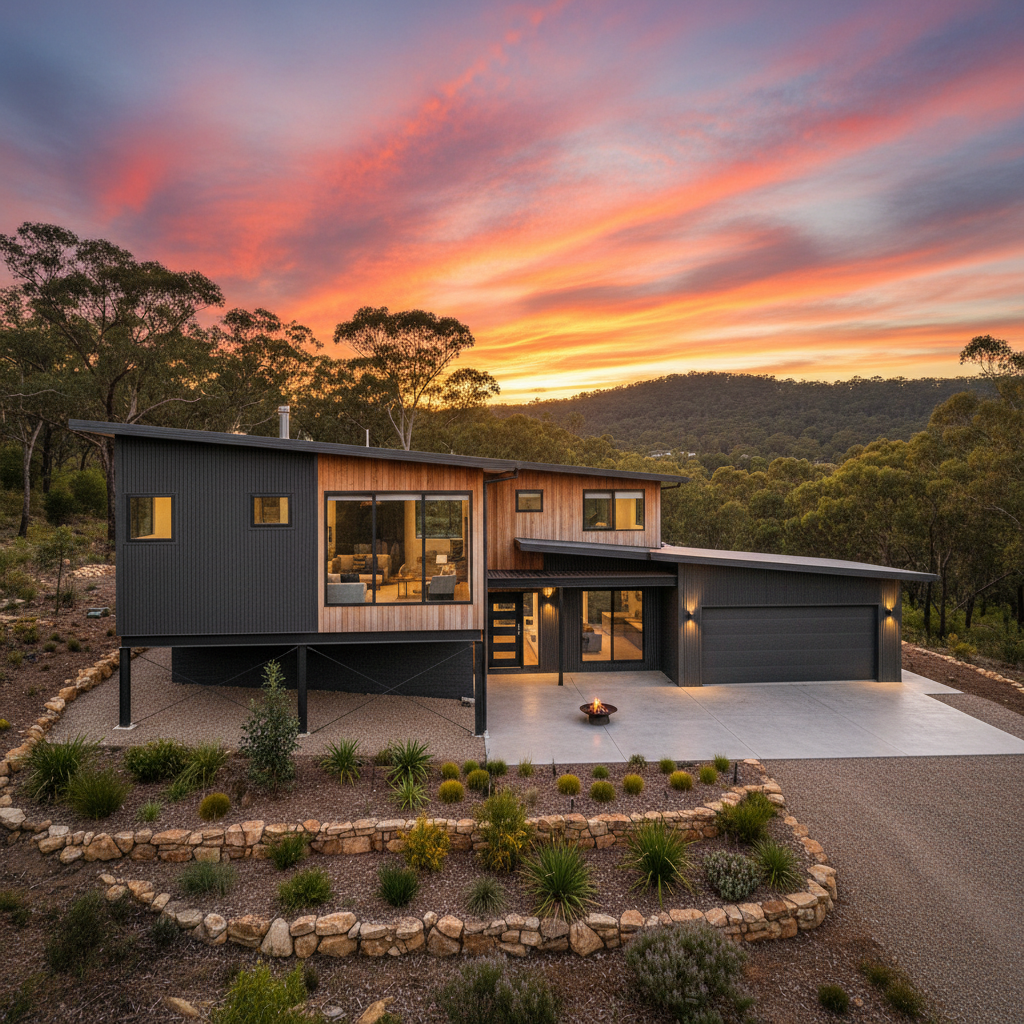
There is something uniquely Australian about the desire to build your own home. It is about more than just a roof over your head, it is about the sweat equity, the creative control, and the immense satisfaction of seeing a structure rise from the dirt because of your management and hard work. For many, a kit home is the perfect vehicle for this ambition. By providing a high-quality components package, including durable BlueScope Steel frames, roofing, and cladding, the kit home model removes the guesswork of structural engineering while leaving the project management firmly in your hands.
However, being an owner builder is a significant undertaking. It requires organization, a bit of grit, and a very clear roadmap. This guide serves as your comprehensive checklist to navigate the process from the initial dream to the final walkthrough, ensuring you stay on track and compliant with Australian standards.
Phase 1: Pre-Construction and Compliance
Before any steel arrives on site, the most critical work happens on paper. Rushing this stage is a common mistake that can lead to costly delays later.
1. Obtain Your Owner Builder Permit
In most Australian states, if the value of your domestic building work exceeds a certain threshold (usually between $11,000 and $20,000 depending on your state), you must obtain an owner builder permit. This usually involves completing a short course to ensure you understand your legal obligations, safety responsibilities, and insurance requirements.
2. Council Approvals (DA and CC)
You cannot build without the green light from your local council. This typically involves a two-step process: Development Application (DA) and Construction Certificate (CC). Your kit home provider will supply the technical plans for the structure, but you will need to provide site-specific information like solar orientation, drainage plans, and landscaping details.
3. Soil Testing and Site Survey
Knowing what is under your feet is vital. A geotechnical engineer must conduct a soil test to determine the site classification. This tells you how much the soil is likely to move, which dictates the type of slab or flooring system required. Simultaneously, a land surveyor will mark your boundaries to ensure your home is positioned exactly where the plans say it should be.
Phase 2: Site Preparation and Foundation
With permits in hand, it is time to get some dirt moving. This is where your role as a project manager truly begins, as you will need to coordinate with earthmovers and plumbers.
4. Earthworks and Services
The site needs to be leveled, and any necessary excavation for the driveway or building pad must be completed. This is also the time to bring in your primary services. Your plumber and electrician will need to install underground pipes and conduits before any concrete is poured. Tip: Always double-check your service locations against your kit plans to avoid "breaking" concrete later.
5. The Slab or Flooring System
Most Australian kit homes are built on a concrete slab or a raised flooring system. If you are opting for a slab, ensure your concretor is familiar with the specific dimensions of your steel frame kit. Precision is key here; a slab that is even slightly out of square can make the frame assembly significantly more difficult.
Phase 3: Receiving and Raising the Frame
This is the most exciting stage for any owner builder. Your kit arrives, and the skeleton of your home starts to take shape.
6. Inventory Audit
When the truck arrives with your kit, do not just sign the delivery docket and wave them off. Take the time to count your components. Your kit usually includes the TRUECORE steel frames, trusses, roofing, cladding, windows, and doors. Cross-reference everything with the delivery manifest while the driver is there if possible.
7. Standing the Frames
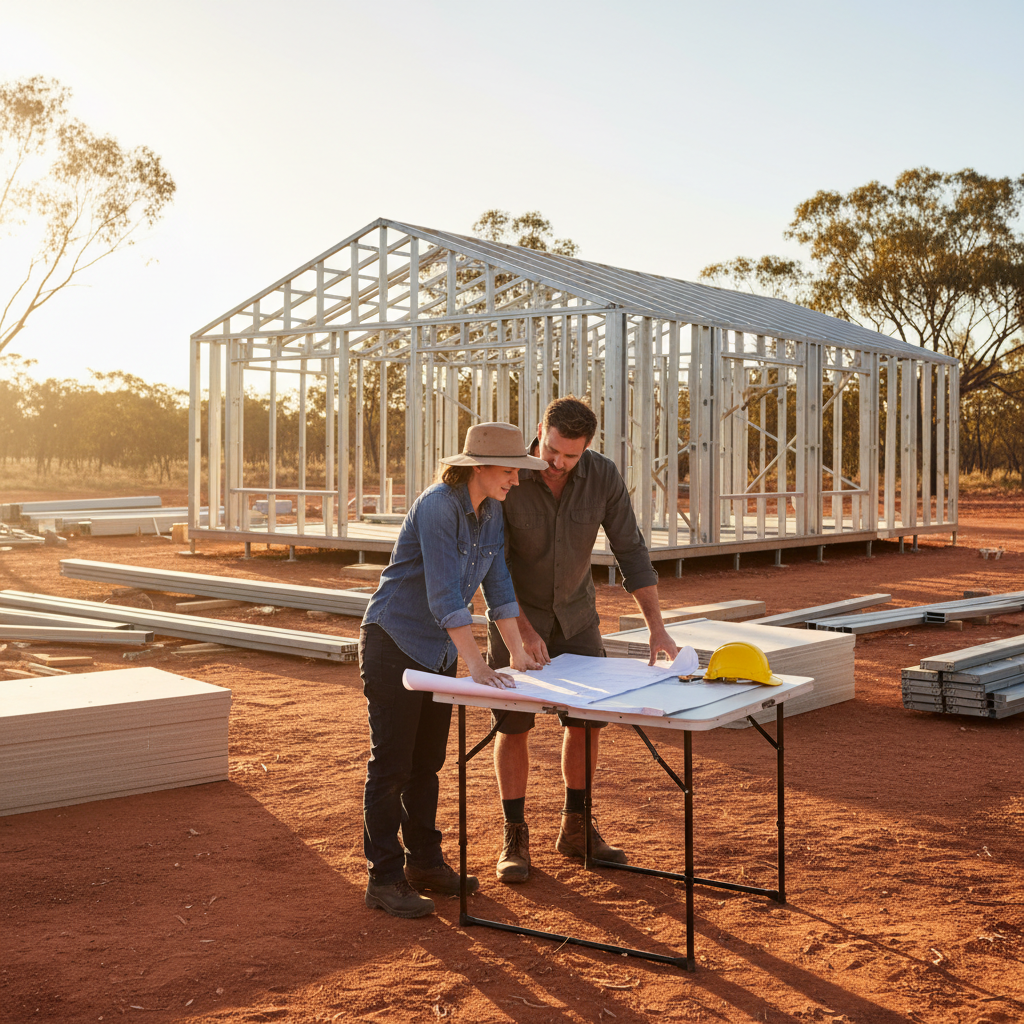
Because steel frames are relatively lightweight compared to timber or masonry, they are an excellent choice for DIY enthusiasts. Start by fixing your bottom plates to the slab or sub-floor. Modern steel kits are often pre-punched with holes for electrical and plumbing, which saves hours of drilling later. Ensure every wall is plumb and level before moving on to the roof trusses.
8. The Roof and Outer Skin
Once the frame is braced and secure, the roof should go on as soon as possible to provide a dry workspace. Install your sarking (insulation wrap), followed by the roofing sheets and flashing. Next, move to the external cladding and windows. Achieving a "lock-up" stage, where the home is weather-tight and secure, is a major milestone for any owner builder.
Phase 4: The Internal Fit-Out
Now that the weather is no longer an issue, you can focus on making the house a home. This stage involves the most coordination of different trades.
9. Rough-in (Electrical and Plumbing)
Your licensed Sparky and Plumber will return to run the wiring and pipes through the internal walls. Since you are using a steel frame kit, remind your trades to use plastic grommets where wires pass through the steel to prevent any chafing over time. This is a small but essential detail for a quality build.
10. Insulation and Lining
In the Australian climate, high-quality insulation is non-negotiable. Once the rough-in is inspected, install your wall batts. Following this, the internal plasterboard or lining boards can be fixed to the frames. Many owner builders choose to do the insulation themselves but hire professionals for plastering to ensure a smooth, paint-ready finish.
11. Wet Areas and Tiling
Waterproofing is a critical step that must be done correctly to meet Australian Standards (AS 3740). Once the waterproofing is certified, tiling can begin in bathrooms and kitchens. This is often the stage where the home starts to reflect your personal style and design choices.
Phase 5: Completion and Occupation
The finish line is in sight, but there are a few final hurdles to jump before you can move in.
12. Final Trade Connections
Your plumber will install the toilets, taps, and hot water system. Your electrician will fit the lights, power points, and appliances. Ensure you receive certificates of compliance from all licensed trades, as these are required for your final inspection.
13. Final Inspection and Occupancy Certificate
Your building certifier will conduct a final walkthrough to ensure the home is safe, habitable, and built according to the approved plans. They will check things like stair handrails, smoke alarms, and energy efficiency compliance. Once they are satisfied, they will issue an Occupancy Certificate (or your state's equivalent).
14. Practical Completion and Handover
This is your personal checklist. Walk through every room. Check that doors swing freely, windows lock correctly, and there are no scratches on your cladding. Clean the site of any remaining construction debris and take a moment to appreciate what you have achieved.
Practical Tips for Success
- Document Everything: Keep a dedicated folder for all your permits, receipts, and certificates of compliance. Photograph every stage of the build, especially things that will be covered by plasterboard.
- Communication is Key: Treat your trades with respect. Clear communication about schedules and expectations will prevent 90 percent of common building headaches.
- Safety First: As an owner builder, you are responsible for site safety. Ensure everyone on site has their White Card and that you have adequate site fencing and toilet facilities.
- Be Patient with the Process: Delays are part of building. Whether it is weather or a trade running behind, maintain a flexible mindset.
Conclusion
Building an Australian kit home as an owner builder is an empowering way to enter the property market or create a dream lifestyle. By choosing a system that utilizes high-quality steel frames and high-performance cladding, you are setting yourself up with a durable, termite-proof foundation. Following this checklist won't eliminate every challenge, but it will give you the structure and confidence to navigate the journey from the first sod turned to the day you turn the key in the front door. Happy building!