Building for the Australian Landscape
When you decide to embark on the journey of building a kit home in Australia, you are not just choosing a floor plan, you are choosing the backbone of your future life. Our unique climate presents a set of challenges that few other places on earth can match. From the blistering heat of the Pilbara to the humid coastal stretches of Queensland and the freezing winters of the Victorian High Country, your home needs to stand up to a lot. Traditionally, timber was the go-to for residential framing, but as building technology has evolved, steel has emerged as the clear winner for durability, precision, and longevity.
Specifically, BlueScope TRUECORE steel has become the industry benchmark. For an owner builder, selecting the right materials is the most critical decision you will make. It impacts everything from the ease of the build to the long term maintenance of the property. In this deep dive, we look at why steel framing is the superior choice for kit homes and how it provides peace of mind in the harsh Australian environment.
The Termite Factor: Steel's Greatest Advantage
Ask any Australian homeowner what their greatest fear is regarding their property, and termites will likely be at the top of the list. These silent destroyers cause hundreds of millions of dollars in damage across the country every year. While timber frames require chemical treatments and ongoing physical barriers that must be maintained and inspected annually, steel offers a much simpler solution.
Steel frames are 100 percent termite proof. They are also resistant to European House Borers and other wood-eating pests. For a kit home owner, this means one less massive headache to worry about. By choosing TRUECORE steel, you are building a structure that is naturally unappetizing to pests. This does not just save you money on chemical treatments, it provides a level of structural security that timber simply cannot match. You can rest easy knowing that the skeleton of your home remains untouched, regardless of how many termite mounds are in the surrounding bushland.
Precision Engineering for the Owner Builder
One of the biggest hurdles for an owner builder is ensuring that everything is level, square, and plumb. Timber is an organic material, which means it is susceptible to knots, twists, and bowing. Even if a timber stud is perfectly straight when it leaves the yard, it can warp as it dries out or reacts to humidity on site.
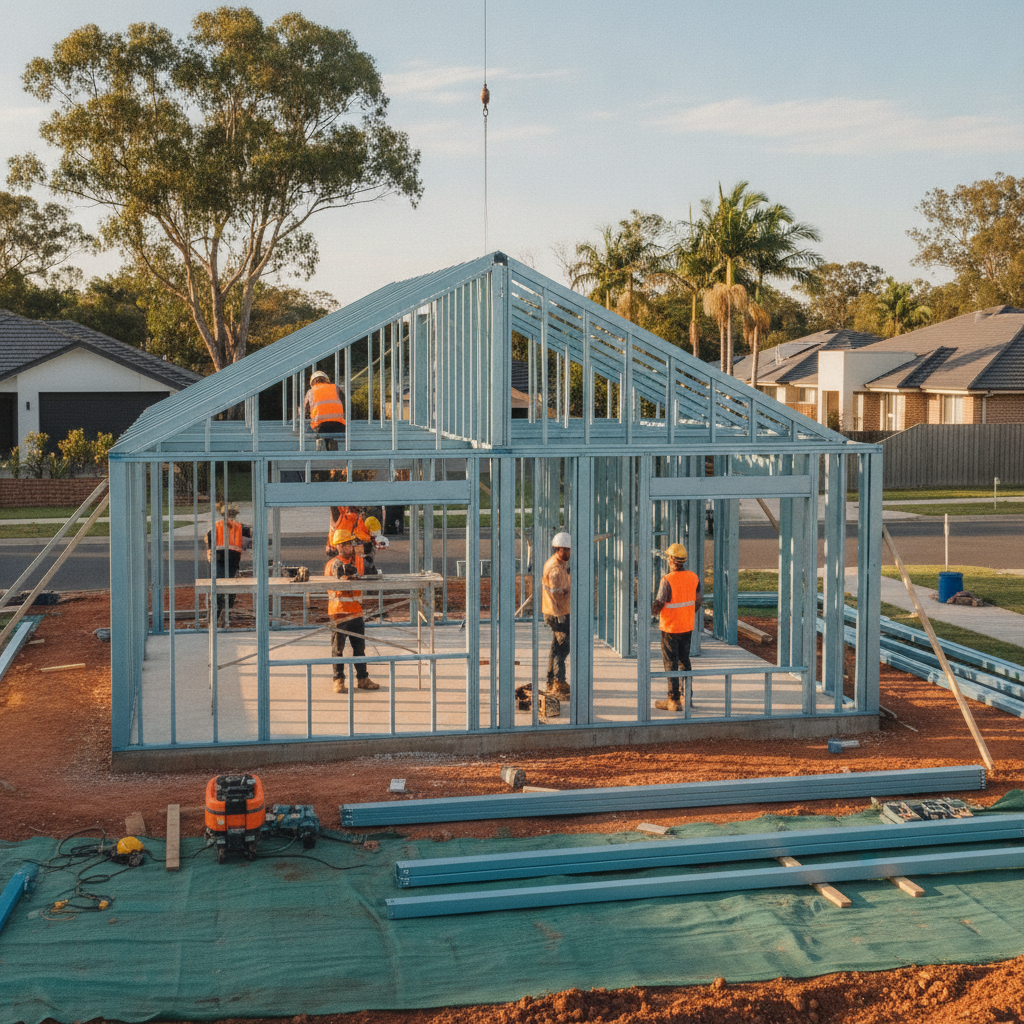
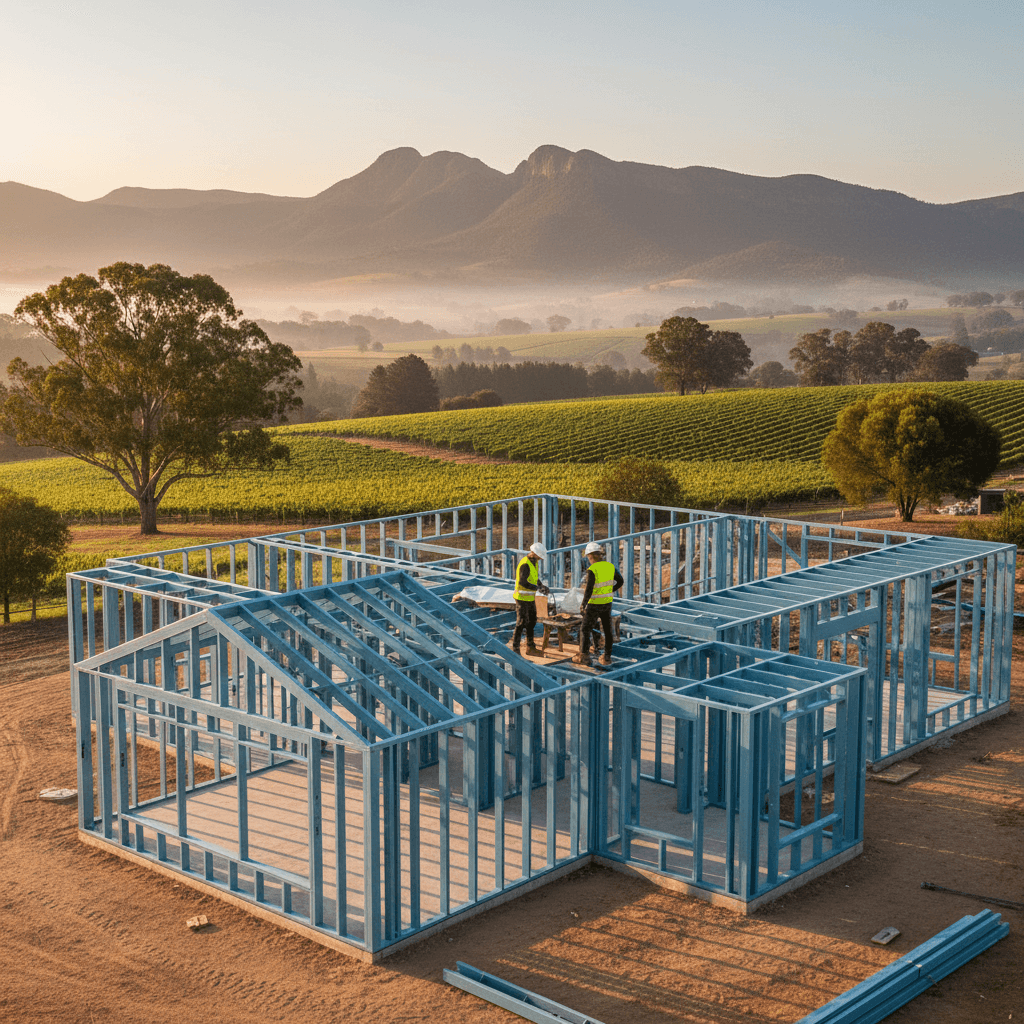
TRUECORE steel is different. It is precision engineered to millimetre accuracy. Because steel is a manufactured product, every piece is straight and true. This makes the assembly process for a kit home significantly easier for those taking a DIY approach. When your frames arrive, you know they will fit together exactly as designed. This precision flows on to every other trade. Your windows will fit perfectly, your plasterboard will have a flatter surface to adhere to, and your kitchen cabinetry will be much easier to install against perfectly straight walls. This lack of movement also means you are far less likely to experience the common annoyances of new builds, such as sticking doors, jamming windows, or unsightly plaster cracks.
Standing Up to the Australian Heat
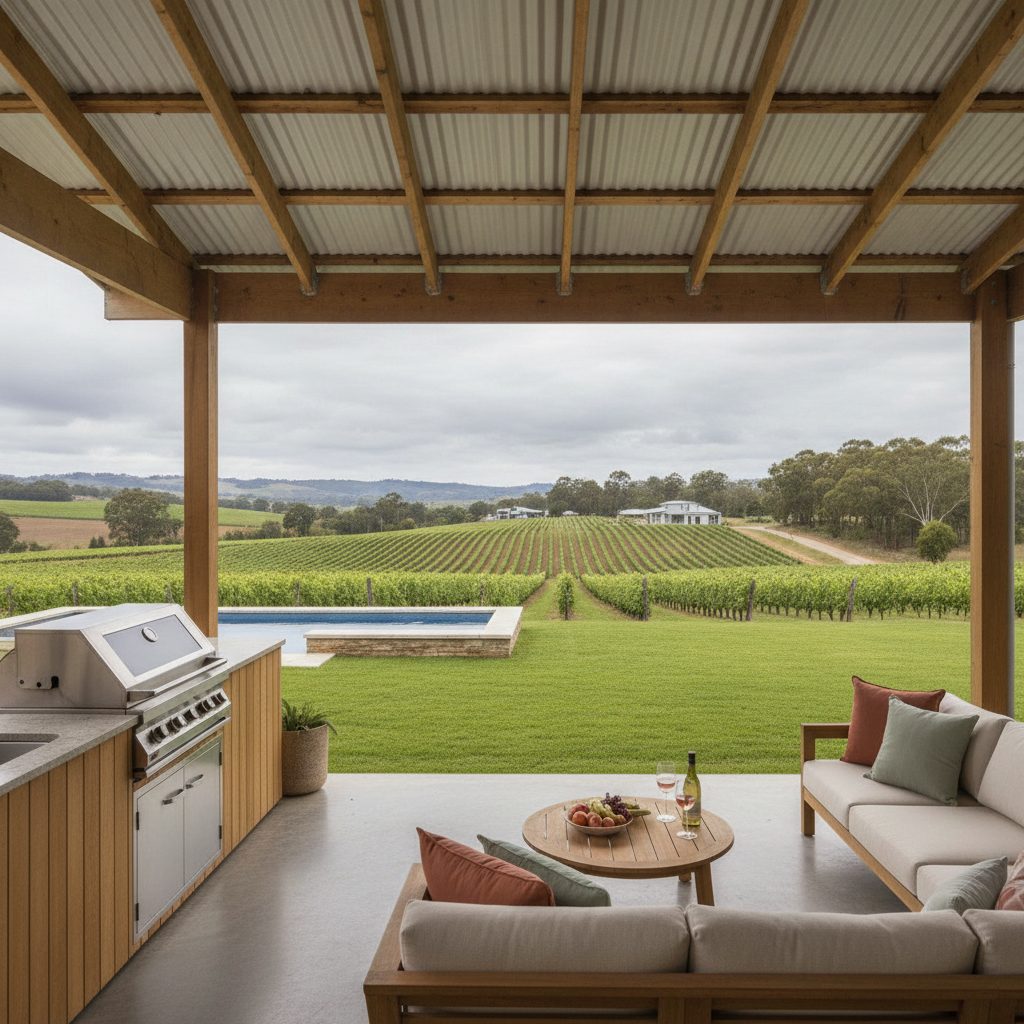
Our sun is unforgiving, and the thermal expansion of building materials is a real factor in home design. Steel has a high strength to weight ratio, meaning it can achieve large spans and open plan designs without the need for bulky supporting columns. This is particularly useful for modern Australian kit home designs that prioritise light, airy spaces and seamless indoor-outdoor living.
Furthermore, steel frames do not contribute to the fire load of a building. In a country where bushfire safety is a vital consideration, using non-combustible materials provides an essential layer of protection. While a steel frame alone does not make a home bushfire proof, it is a significant component of a holistic fire safety strategy. It won't ignite or fuel a fire, which is a major benefit for those building in regional or rural areas.
Sustainability and the Lifecycle of Steel
Modern builders are increasingly conscious of their environmental footprint. Steel is one of the most recycled materials on the planet. When you choose a kit home with a BlueScope steel frame, you are choosing a product that is designed for a long life and is fully recyclable at the end of its utility. Additionally, the precision of the manufacturing process means there is very little waste on site. Each component is cut to length in the factory, reducing the amount of offcuts that end up in landfill. For the eco-conscious owner builder, this efficiency is a major drawcard.
Practical Tips for Working with Steel Frames
If you are planning to manage your own kit home project, here are some practical tips for handling steel frames on site:
- Use the right tools: Ensure you have a high quality cordless drill and the correct self-tapping screws. Because the frames are pre-punched for services, you won't need to do much drilling into the steel itself, but having the right bits makes the assembly a breeze.
- Safety first: Always wear gloves when handling steel components. While the edges are generally smooth, thin steel can be sharp. Protective eyewear is a must when using any power tools.
- Protect the coating: The galvanised or alloy coating on TRUECORE steel is what prevents rust. If you do need to cut a piece on site, be sure to treat the base metal with a cold galvanising spray to maintain its corrosion resistance.
- Coordinate your trades: Ensure your plumber and electrician know they are working with a steel frame. Most modern trades are very comfortable with steel, as it has pre-punched holes for wiring and piping, often featuring plastic grommets to protect lines from abrasion.
The Myth of the Noisy House
A common misconception about steel frames is that they are noisy, with people often worrying about creaking or popping sounds as the house warms up and cools down. In the early days of steel housing, this was occasionally an issue, but modern design and fixing techniques have virtually eliminated this. When a kit home is properly insulated and the thermal breaks are installed correctly, a steel framed home is just as quiet as a timber one. In fact, because the steel does not shrink or swell with moisture levels, you avoid the seasonal groans and creaks that timber frames often produce as they age.
Longevity and Resale Value
Building a home is an investment. By using premium materials like BlueScope TRUECORE steel, you are building value into your property. Potential future buyers recognise the quality associated with the BlueScope brand and the benefits of a termite-proof, straight, and durable structure. It is a mark of quality that says the home was built to last.
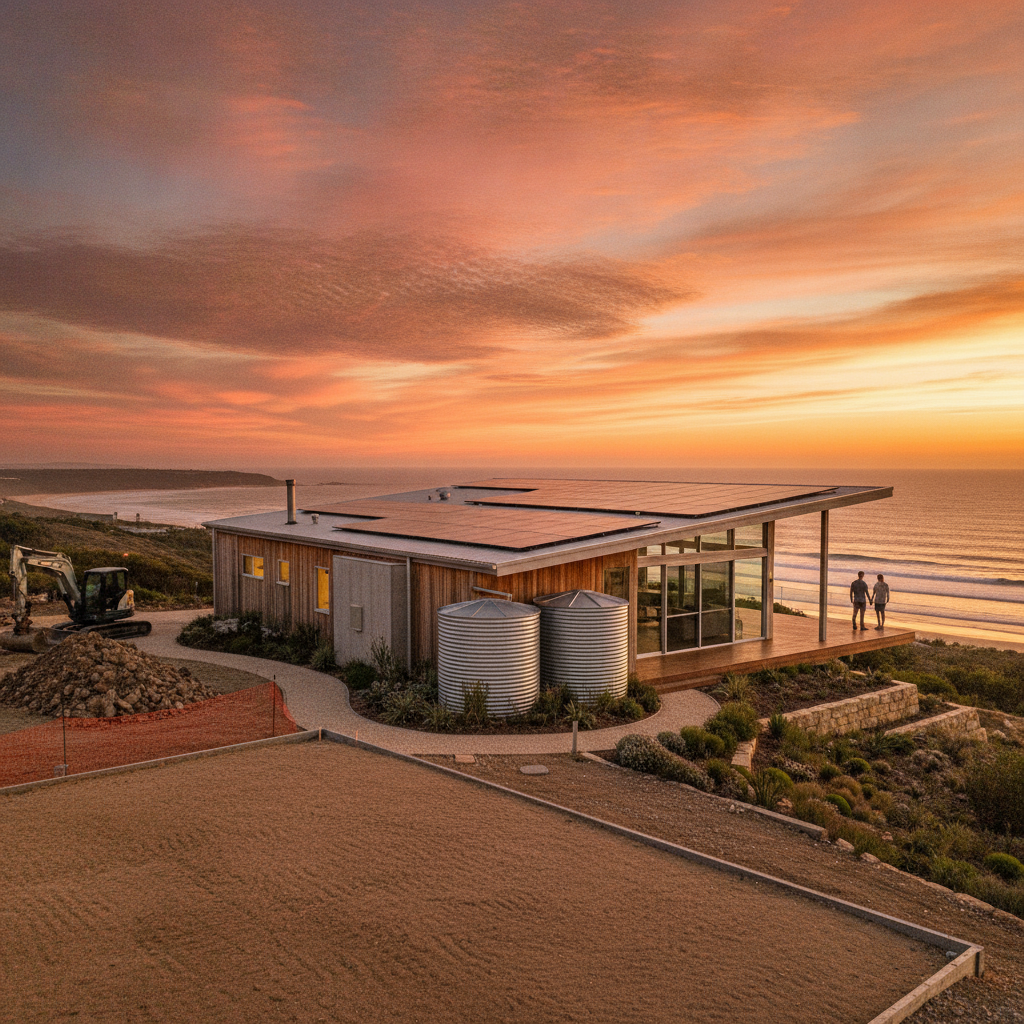
For the kit home enthusiast, the combination of steel's strength and the flexibility of kit designs allows for beautiful, bespoke living spaces. Whether you are building a seaside cottage, a rural homestead, or a primary suburban residence, the structural integrity provided by steel is the foundation of a high quality lifestyle.
Conclusion
Choosing between timber and steel is one of the first major decisions you will face in your kit home journey. While timber has its place in history, the advantages of steel in the modern Australian context are overwhelming. From the peace of mind offered by termite resistance to the sheer ease of assembly provided by precision engineering, steel frames empower owner builders to achieve a professional, high quality result.
By opting for a kit home that features a BlueScope TRUECORE steel frame, you are investing in a structure that is purpose built for our environment. It is a choice that rewards you during the build process and continues to provide value for decades to come. As you plan your project, remember that the best homes aren't just built to look good, they are built to endure.