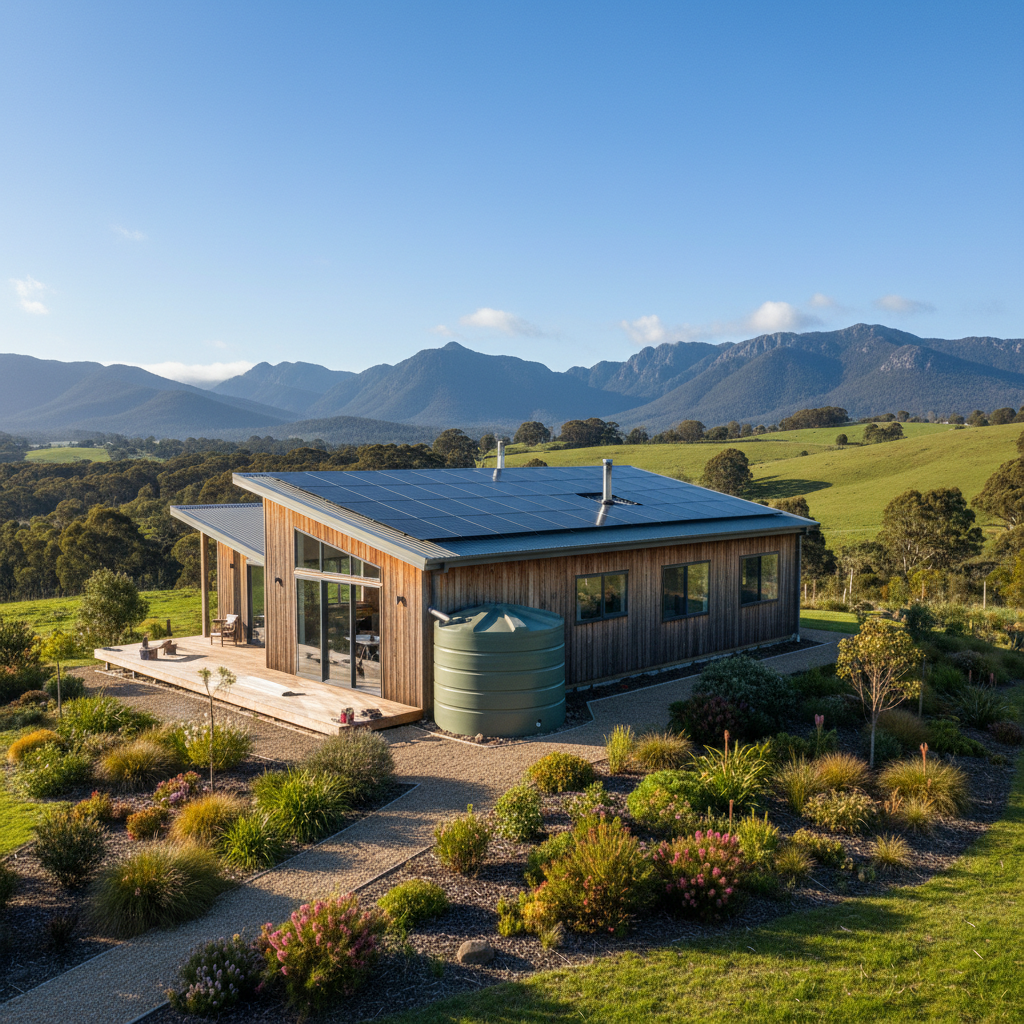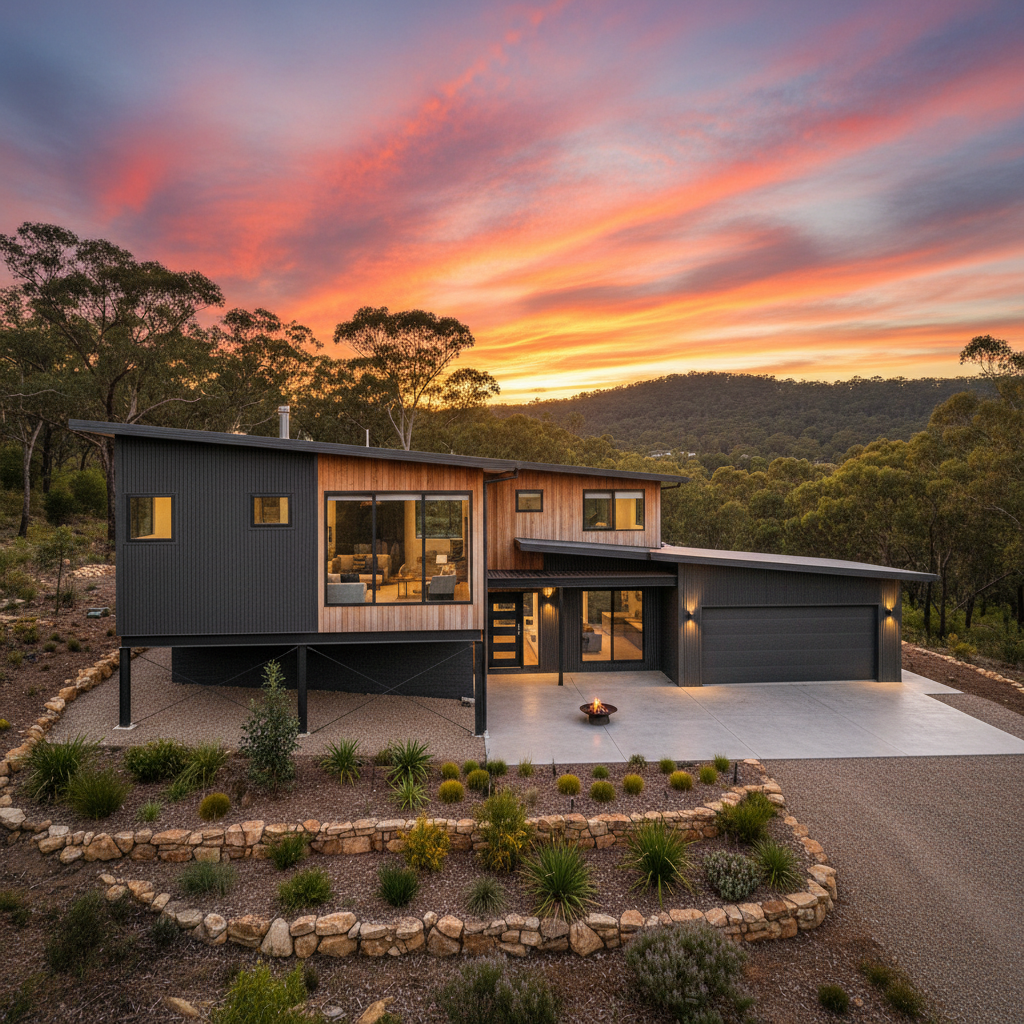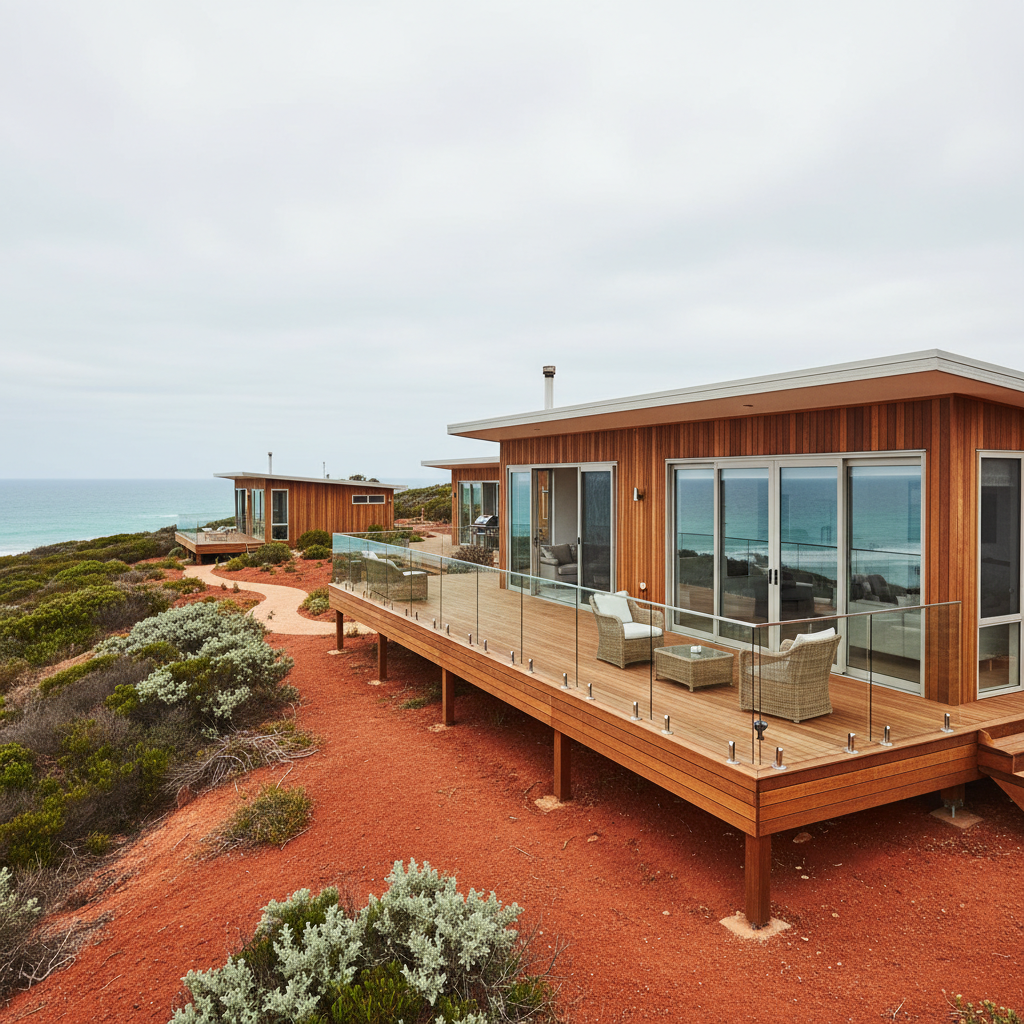
Walk down any suburban street in Newcastle, Geelong, or the outer suburbs of Brisbane on a Saturday morning and you'll hear it. The sharp crack of a nail gun or the scream of a circular saw. It isn't just basic bathroom renos anymore. Australian backyards are shrinking, but not because of bigger pools. We are in the middle of a massive spike in secondary dwellings. Some call them granny flats, others call them studios or tiny houses, but whatever the label, they're popping up everywhere. And for good reason.
The Multi-Generational Squeeze
It's not exactly a secret that housing in Australia has gone a bit mad. I've seen it first hand over 15 years in the trade. People are stuck. You've got 25 year olds who can't find a rental, let alone a deposit, and you've got parents who want their independence but don't want to end up in a high-rise retirement village. So, folks are looking at that patch of buffalo grass out the back and seeing a solution. A self-contained kit home tucked behind the main house lets families stay together without being under each other's feet. It's about privacy. Nobody wants to share a kitchen with their mother-in-law for three years straight. Building a separate unit changes the whole dynamic. Plus, it adds serious value to the dirt you already own.
Why Steel Frames Make Sense for the Backyard
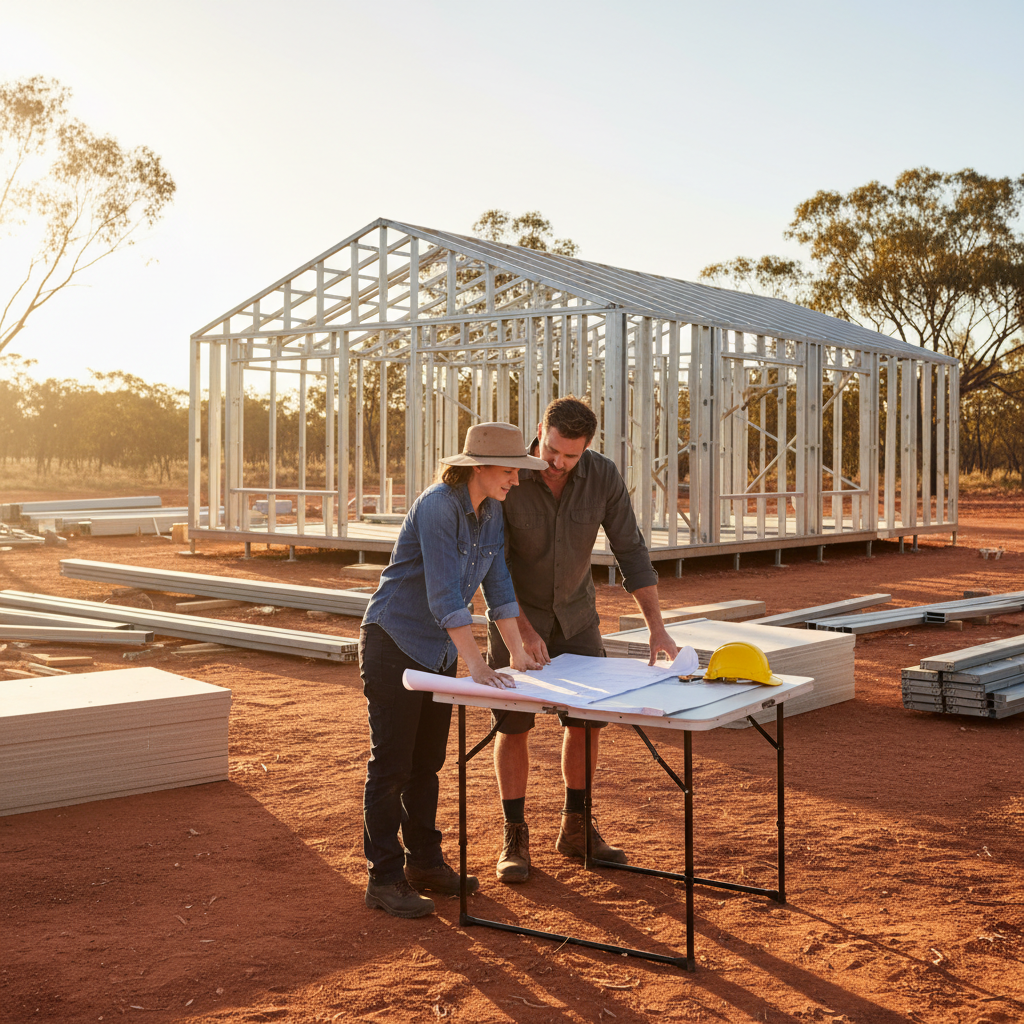
If you're building in a tight spot, you don't want a massive pile of timber sitting in the rain for three weeks while you wait for a chippy. That's where steel frames, specifically stuff like BlueScope TRUECORE, really shine for the owner-builder. They arrive on site as a pack of parts. Everything is straight. It's square. Termites won't touch it, which is a massive win in places like Queensland or the North Coast of NSW where those little blokes can head through a house faster than a bushfire. Because the frames are light, you and a mate can usually manhandle them into place without needing a crane to lift over the main roof. It saves heaps of hassle. But a word of warning. If you're building with steel, make sure you've got a decent impact driver and the right tech screws. Don't try and cheap out on the bits or you'll be stripping heads all day and swearing at the sky.
Dealing with the Council Headache
Before you get too excited about floor plans, you've got to suss out your local LEP. Every council has different rules about secondary dwellings. Some are legends and make it easy through Complying Development (CDC). Others will make you jump through hoops for eighteen months. You need to check your setbacks. Usually, you're looking at a three-metre gap from the back fence, but that changes depending on your bushfire (BAL) rating. If you're in a BAL-29 or BAL-40 zone, your kit home needs to be built with specific materials. This is another spot where steel helps. It's non-combustible. Pair it with James Hardie cladding and some toughened glass, and you're halfway to meeting those nasty fire regs without blowing the budget.
The Owner Builder Reality Check
Being an owner-builder isn't just about wearing a high-vis vest and looking busy. It's about coordination. You're the conductor of a very noisy, very expensive orchestra. When we send out a kit, it includes the frames, the roof, the windows, and the cladding. But that's just the shell. You've got to find the sparky, the plumber, and the guy to pour the slab. Pro tip: get your plumber in early. Like, before the slab is even a thought. They need to run their 'roughs' under the concrete. If they miss a pipe by six inches, you'll be paying a bloke to jackhammer your brand new slab on a Monday morning. Nobody wants that bill. Also, don't forget insulation. For a small secondary dwelling, it'll turn into an oven in January if you don't spec decent batts and an anti-glare wrap under the tin.
Design Trends: Small but Not Cramped
The best granny flats I've seen lately use high ceilings to trick your brain. A 2.7m ceiling height makes a 60sqm unit feel like a palace. Skip the hallway. Hallways are wasted space in a small build. Go straight from the entry into an open plan living area. Use big sliding doors to a deck. It blurs the line between inside and out. We've noticed heaps of people opting for the 'Pod' style look - skillion roofs and mixed cladding like Scyon Axon paired with some corrugated iron. It looks modern and doesn't feel like a cheap shed at the bottom of the garden. Because let's be honest, if it looks like a shed, you won't want to live in it.
Technical Bits You Can't Ignore
When you're looking at kit home plans, pay attention to the NCC Volume 2 requirements for ceiling heights and slab rebates. If you're doing a DIY slab, make sure your vapor barrier is taped properly. A damp floor is a nightmare to fix later. Steel frames are great, but you need to understand thermal bridging. Use a thermal break strip between your frame and your external cladding. It's a simple sticky-back foam tape, but it stops the heat transferring through the metal and making your house hot. Small details like this separate the pros from the blokes who just wing it. And if you're hanging a heavy TV or kitchen cabinets later? Note down where your noggins are before you put the plasterboard up. Take photos of every single wall before the sheets go on. You'll thank me when you aren't drilling holes blindly trying to find a stud.
Building a kit home as a secondary dwelling is a massive undertaking, but it's the smartest way to beat the housing crunch. You get a solid, engineer-designed home and the satisfaction of knowing you managed the build. Just take it one step at a time. Get your site works sorted, get your slab level, and the rest is just a big meccano set for adults. It's a great way to keep the family close while giving everyone their own front door.