Walk around any established street in suburbs like Marrickville or Coorparoo right now and you'll hear it. The rhythmic thud of a nail gun and the screech of a drop saw coming from behind the main house. It's the sound of the Australian backyard changing forever. We aren't just putting up pergolas or potting sheds anymore. The secondary dwelling, or the humble granny flat if you want to be traditional about it, has become the go-to solution for families squeezed by rising costs and the lack of space.
It's not just about shacking up the in-laws either. I've seen customers in Townsville building two-bedroom kits to use as high-end home offices because they're sick of the commute. Others in the Margaret River region are putting up steel frame kits to run as short-term rentals for tourists. The shift in lifestyle is real. We've moved past the era of the 'sleep-out' made of leftover fibro. Today's kits use BlueScope TRUECORE steel and high-spec glass that makes the old 1970s structures look like dog kennels. If you're looking at your backyard and seeing unused grass, you're looking at a missed opportunity.
The Design Shift: Small Footprints, Big Volume
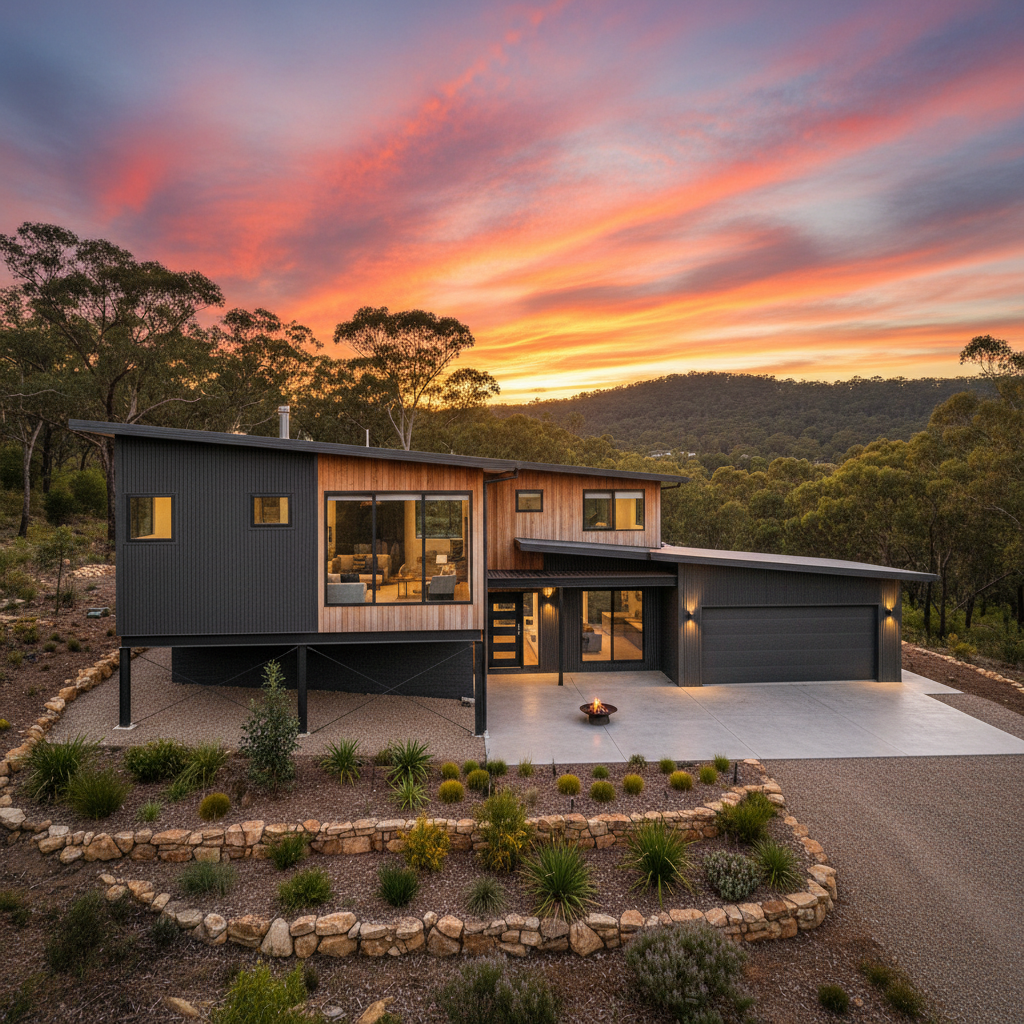
Designing a secondary dwelling is actually harder than a full-sized house. You've got constraints. Usually, you're looking at a 60 square metre limit depending on your local council's DCP (Development Control Plan). Because the floor area is tight, you have to be smart with volume. I always tell people to skip the 2.4m ceilings. Go for a skillion roof. It lets you push that high side up to 3m or more, allowing for clerestory windows. It's the difference between feeling like you're in a shoebox and feeling like you're in a high-end studio. High windows let the light in but keep the neighbors out, which is vital when you're building three meters from a fence line.
Layout is everything. Don't waste space on hallways. If I see a 60sqm plan with a hallway, I want to bin it. Your living area should be the hub that everything else connects to. Use pocket doors that slide into the wall. They save about a square meter of swing space per door, and in a small kit, that's enough room for a bigger fridge or a proper pantry. Plus, it looks better. Clean lines. Modern.
The Reality of Being an Owner Builder
Most of the people I talk to want to go down the owner-builder path. It makes sense. You save on the builder's margin, and you get to control the quality. But don't go into it thinking it's just a weekend project for you and a couple of mates. You need your White Card and, depending on your state like NSW or QLD, you'll need to complete an owner-builder permit course. It's not rocket science, but it’s stuff you need to know. You're the project manager. You're the one calling the plumber when he doesn't show up on a Tuesday morning.
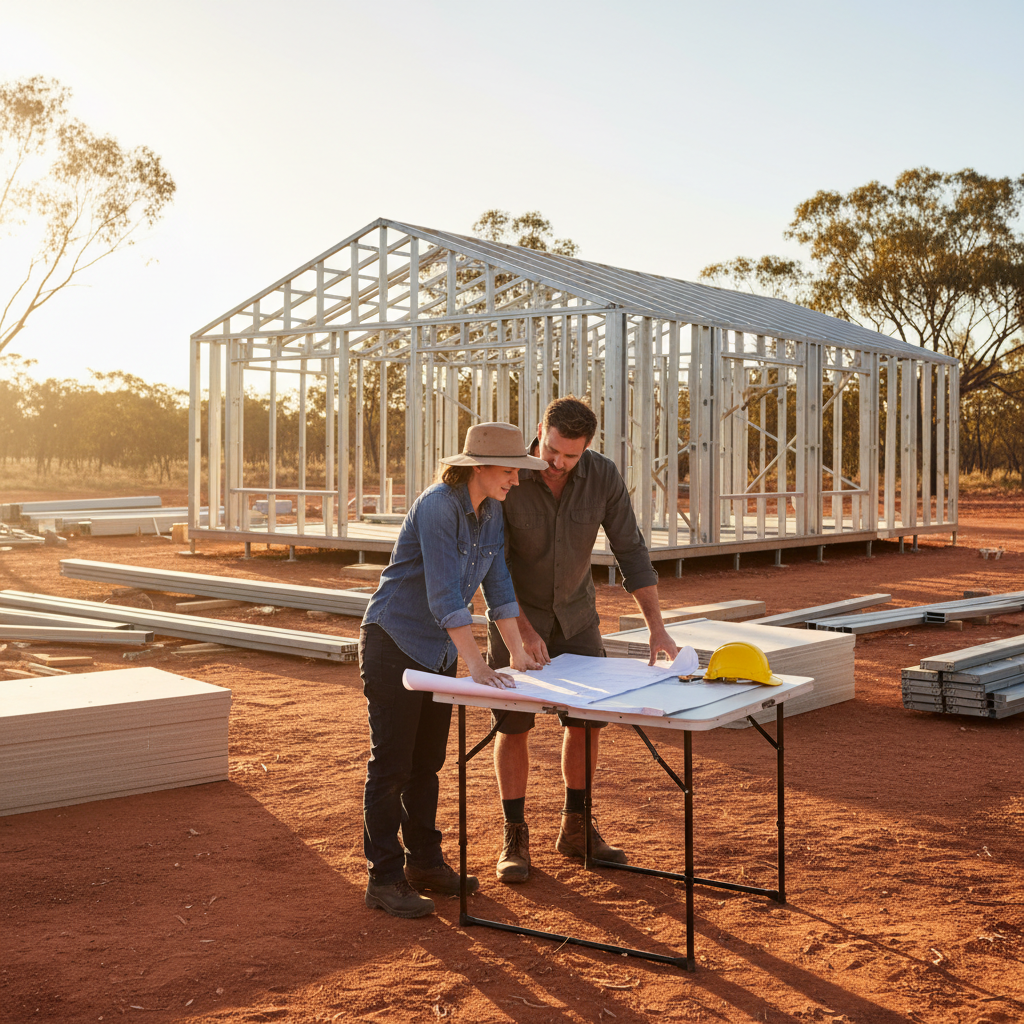
The kit shows up on a Hiab truck, and suddenly you've got a pile of steel frames and roofing sheets on your lawn. It's daunting. But that's the beauty of steel kits. Everything is pre-punched for your electrical and plumbing. No dragging a heavy drill around to make holes for the sparky. It's all there. You just have to follow the plans. But here's a tip: get your slab right. If your concrete is out by 10mm, your steel frames won't sit flush, and you'll be swearing at the sky for three days straight. Get a pro to pour the slab. Don't DIY the footings unless you've done it before.
Technical Specs: Why Steel and Not Timber?
In Australia, we have termites. It's a fact of life. You can treat timber, sure, but steel is just easier. It's light, it's straight, and it stays straight. A timber stud can bow or twist after it gets wet in a storm during the build. Then, when you go to put your plasterboard up, you've got bubbles and bumps everywhere. Steel doesn't do that. We use TRUECORE steel because it sits flat. And for secondary dwellings, often tucked away in corners of the lot, being lightweight is a massive win for the poor buggers who have to carry the frames from the driveway to the back of the block.
Another thing to check is your BAL (Bushfire Attack Level) rating. If you're building in a leafy area, your council might slap you with a BAL-29 or even BAL-40 rating. This dictates what kind of windows and cladding you can use. Steel frames and metal roofing give you a head start here. They're non-combustible. It’s one less thing to worry about during your DA process.
Lifestyle Benefits of the Backyard Build
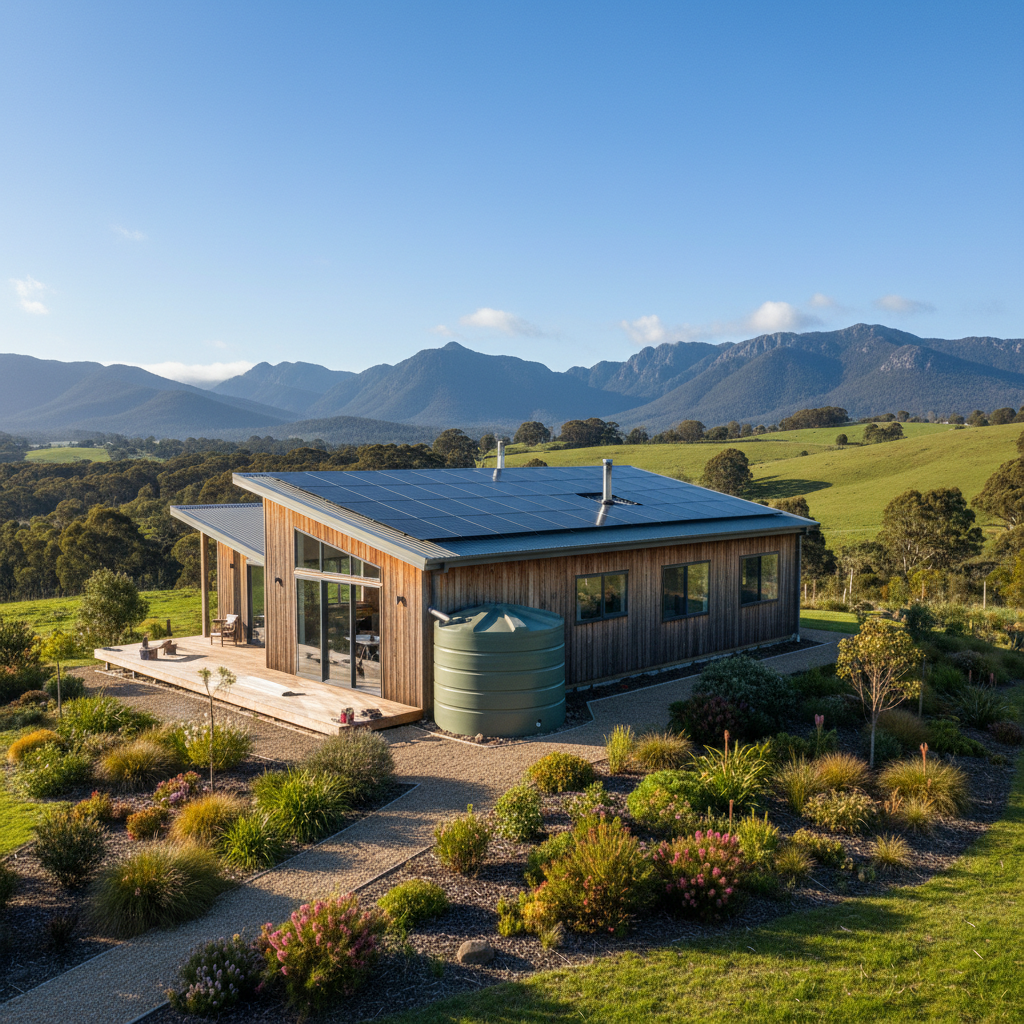
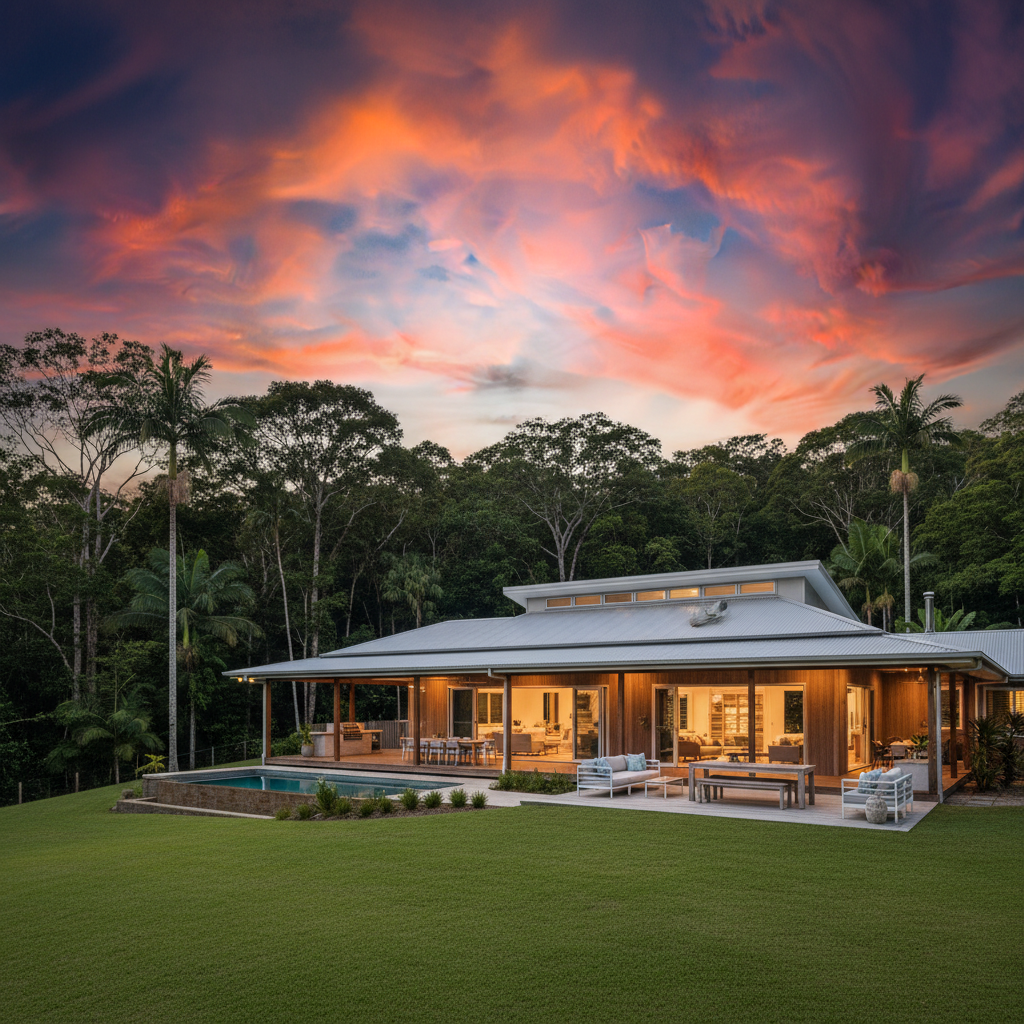
The best designs I've seen recently aren't just houses; they're extensions of the garden. Large sliding doors that open onto a deck. If you build a 40sqm kit but add a 20sqm deck, your 'living' space is now 60sqm. It’s about the Australian lifestyle. We spend half our time outside anyway. Choosing a kit with a generous eave or an integrated verandah helps with solar gain, too. Keep that hot summer sun off the glass but let the winter sun in to warm up the slab.
I spoke to a bloke in Penrith last month who put in a small kit for his teenage kids. He told me it saved his marriage. No more noise, no more mess in the main house, but they’re still under the same roof-line, technically. It’s that flexibility that makes these projects so popular. You aren't just building a room; you're building an asset that's flexible. If the kids move out, it becomes an Airbnb. If a parent needs care, they move in. It’s future-proofing your life.
Practical Tips for New Buyers
Don't just buy the first kit that looks pretty in a brochure. Think about the site. Where's the sun coming from? Which way does the wind blow? If your kit comes with windows, make sure they aren't facing a brick wall or the blazing afternoon sun in the west. Mention this to your kit provider early. Most of the time, we can flip a floor plan or move a window to suit your specific dirt. It costs nothing at the design stage but saves you a fortune in air conditioning later.
- Check your access. Can a 10-tonne truck get close to the build site? If not, you're hand-carrying steel. Invest in a good pair of gloves.
- Talk to your neighbors early. A secondary dwelling can be a point of friction if it blocks someone's view or overlooks their pool. A beer and a chat goes a long way.
- Suss out your services. Where's your sewer line? If you have to pump sewage uphill to the main line, that's a cost you need to know about before you start.
- Insulate like your life depends on it. Go beyond the minimum requirements. R2.5 in the walls and R4.0 or higher in the ceiling. It’s cheap to do at the start and impossible to fix later.
Managing the Trades
When you're an owner-builder, you're only as good as your trades. You want the 'Tradie Trifecta': shows up on time, does what they say, and doesn't leave a mess. Hard to find? Maybe. But if you treat them well, pay them fast, and have the site ready when they arrive, they'll stick with you. Have the kit components organized. Don't have the plumber digging around a pile of roofing iron to find a pipe. A clean site is a fast site.
So, is it worth it? Yes. Even with the headaches of permits and the sore back from shifting frames. Building a secondary dwelling is one of the few things you can do to your property that fundamentally changes how you live. It provides options. And in Australia today, having options is the ultimate luxury. Just do your homework, get your owner-builder ducks in a row, and don't be afraid to get your hands dirty. The result is a space that's yours because you made it happen.