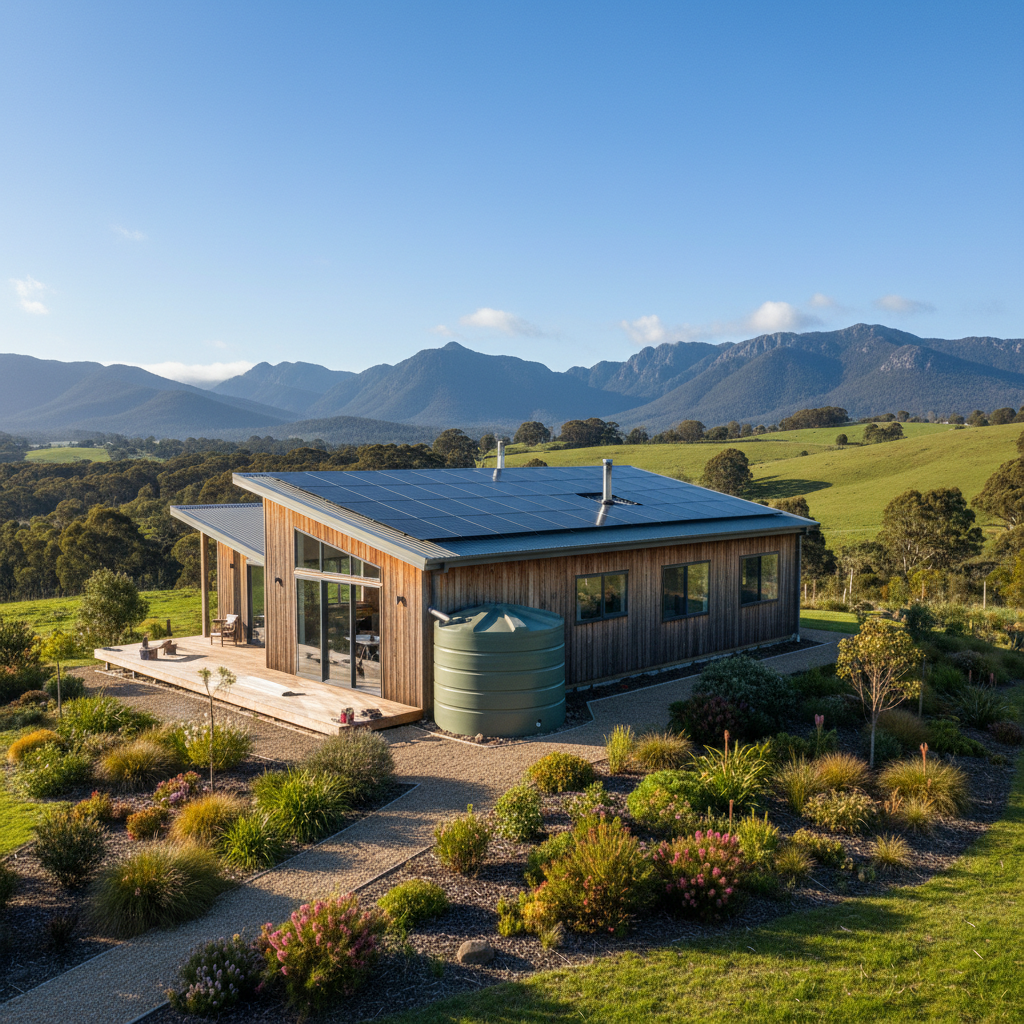
Twenty years ago, a sustainable house usually meant a mud-brick shack in the middle of nowhere with a leaky composting toilet. Times have changed. Walk onto any modern building site in the hills behind the Gold Coast or out toward the Hunter Valley, and you'll see a shift toward high-performance materials that actually stand up to the Aussie sun. People are waking up to the fact that sticking with traditional timber frames isn't always the smart play when you're looking at long-term durability and environmental impact.
The Sustainability Shift Under the Australian Sun
Sustainability is a word that gets tossed around until it loses all meaning. But for someone looking to build their own place, it comes down to three things: less waste on site, a house that doesn't rot, and keeping the internal temperature decent without smashing the air con. These kit homes are hitting the sweet spot because the logic is baked into the design before the first truck arrives. Most people don't realize that standard residential construction in Australia can waste up to 20 percent of materials. That's a huge pile of offcuts heading straight to landfill. Because kit homes are pre-engineered, everything is measured to the millimeter. No guesswork. No piles of wasted wood scraps sitting in the mud for six months.
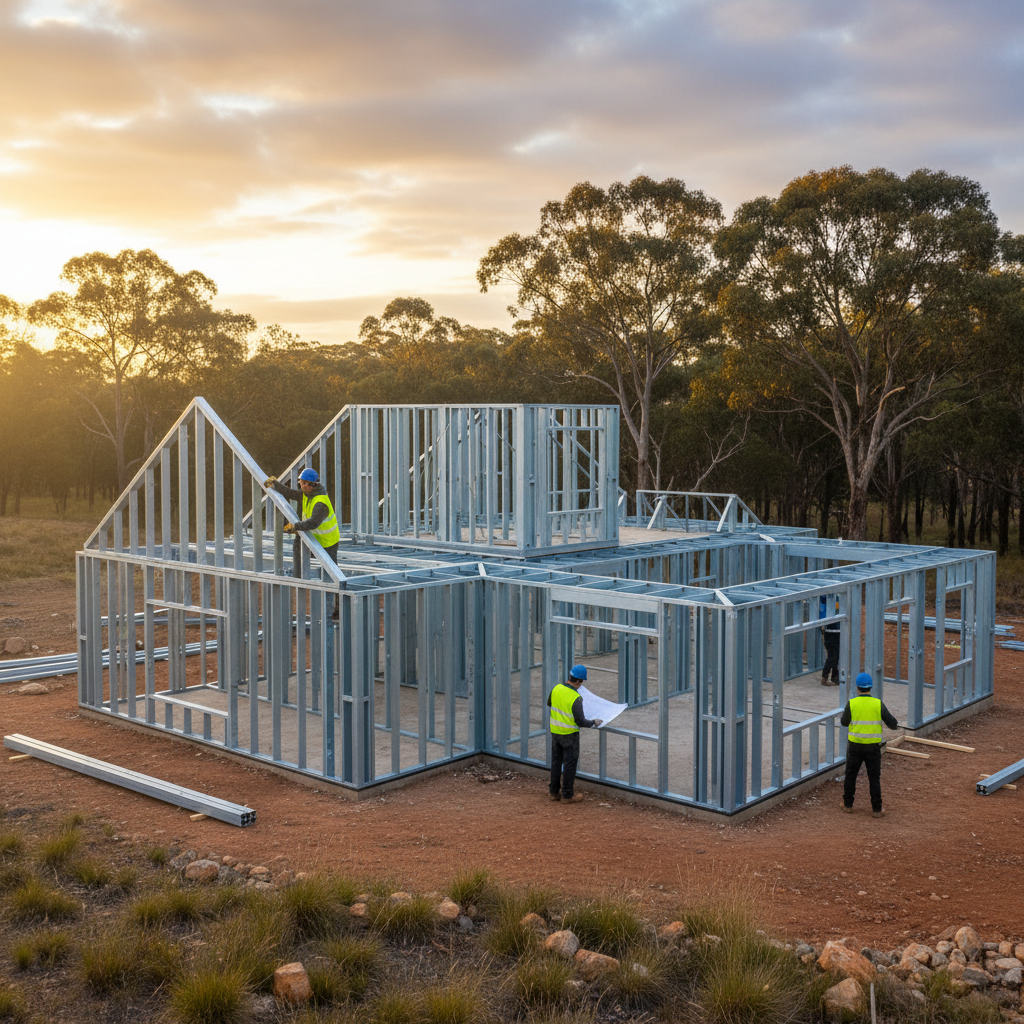
And let's talk about the frames. Using Australian-made steel like TRUECORE means you're building with a 100 percent recyclable material. It's tough. It’s straight. It doesn't warp when the humidity hits 90 percent in January. When you use steel frames, you're also avoiding the nasty chemical treatments needed to stop termites from eating your house. That's a huge win for the soil quality around your home and the air quality inside it.
Thermal Performance and the NCC 2022 Reality
The National Construction Code (NCC 2022) recently upped the ante on energy efficiency, and a lot of traditional builders are scratching their heads. They're struggling to hit those 7-star energy ratings without spending a fortune. But if you’re smart about how you orient your kit home on your block, you’re halfway there. You want the long side of the house facing North to soak up that winter sun. Simple stuff, but often missed.
Insulation is where the real work happens. We include high-spec insulation in our kits because a steel frame house needs to be wrapped properly to avoid thermal bridging. Think of it like a big esky. If you wrap it well, it stays cool. We use a combination of bulk insulation and reflective barriers. It’s about creating a tight envelope. If you're building in a place like Wagga Wagga where it's 40 degrees one day and freezing the next, you’ll thank yourself when your power bill reflects the house doing the heavy lifting instead of the reverse cycle system.
Owner-Builder Tips: Getting Your Hands Dirty Without the Chaos
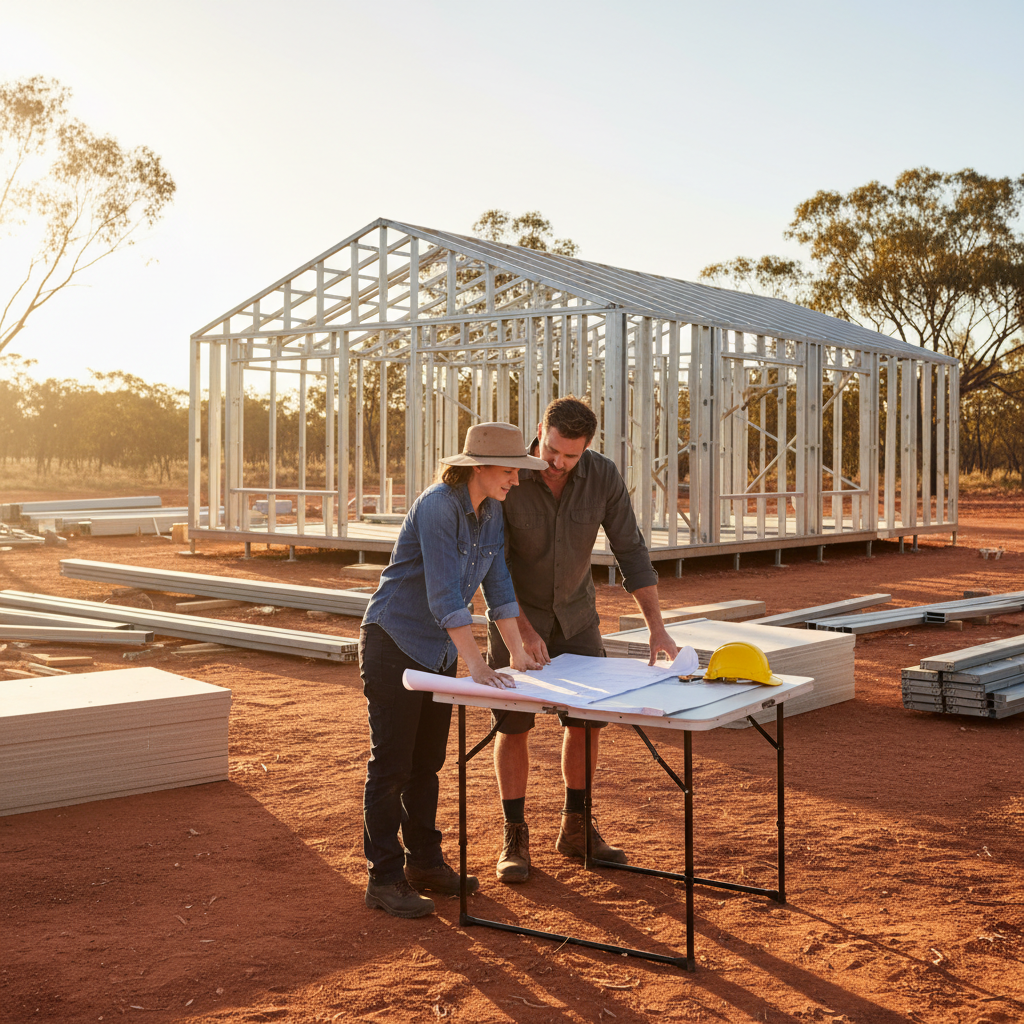
If you're going down the owner-builder path, you've got to be a bit of a control freak. But the good kind. You aren't just swinging a hammer; you’re a project manager. The first thing you need to suss out is your Council's DA or CDC process. Some local councils are a breeze, others will make you jump through hoops regarding bushfire ratings (BAL). If you're in a high BAL zone, steel is your best mate. It's non-combustible. It won't be the fuel that keeps a fire going.
Here is a quick checklist for your first few weeks on site:
- Get your temporary power and water sorted before the slab goes down. Trying to run a site on a generator is a headache you don't need.
- Talk to your plumber and electrician early. Show them the steel frame plans. They need to know they'll be working with pre-punched holes in the studs for their lines. Most sparks love it because it’s cleaner than drilling through timber all day.
- Keep your site tidy. A messy site is a dangerous one, and it slows down your trades. When the steel frames arrive and get stood up, you'll be amazed how quickly it looks like a real house. It’s a huge morale boost.
The Design Trend Toward Minimalist Living
We’re seeing a massive move toward smaller, more efficient floor plans. People are over the 400-square-meter mansions that take four hours to vacuum. They want open-plan living that spills out onto a deck. The beauty of steel frames is the strength-to-weight ratio. You can have wide spans without needing massive, expensive timber beams. This allows for those big sliding doors and high ceilings that make a 100-square-meter kit feel like twice the size. Plus, the lines are dead straight. If you've ever tried to hang kitchen cabinets on a wonky timber wall, you know why tradespeople prefer working with steel.
Bushfire Resilience and Termite Protection
It’s a fact of life in Australia. If you aren't worrying about fire, you're worrying about termites. Often both. Traditional homes rely on chemical barriers that you have to pay to have inspected every single year. Steel frames don't need it. Termites can't eat steel. Period. This isn't just about saving money on pest control; it's about peace of mind. You could head off on a three-month caravanning trip and not worry that your house is being hollowed out while you’re gone. When it comes to fire, the steel won't ignite. It adds an extra layer of protection to the structure. It’s basically common sense for rural builds.
Technical Realities of Modern Kits
Let's get technical for a second. We adhere to AS 4100 for steel structures and the NASH Standard for residential steel framing. This isn't just some backyard shed turned into a house. These are engineered systems designed to withstand wind loads that would flatten older homes. If you’re building in a cyclonic region up north, the tie-down requirements are intense. Steel makes meeting those NCC Volume 2 requirements a lot more straightforward.
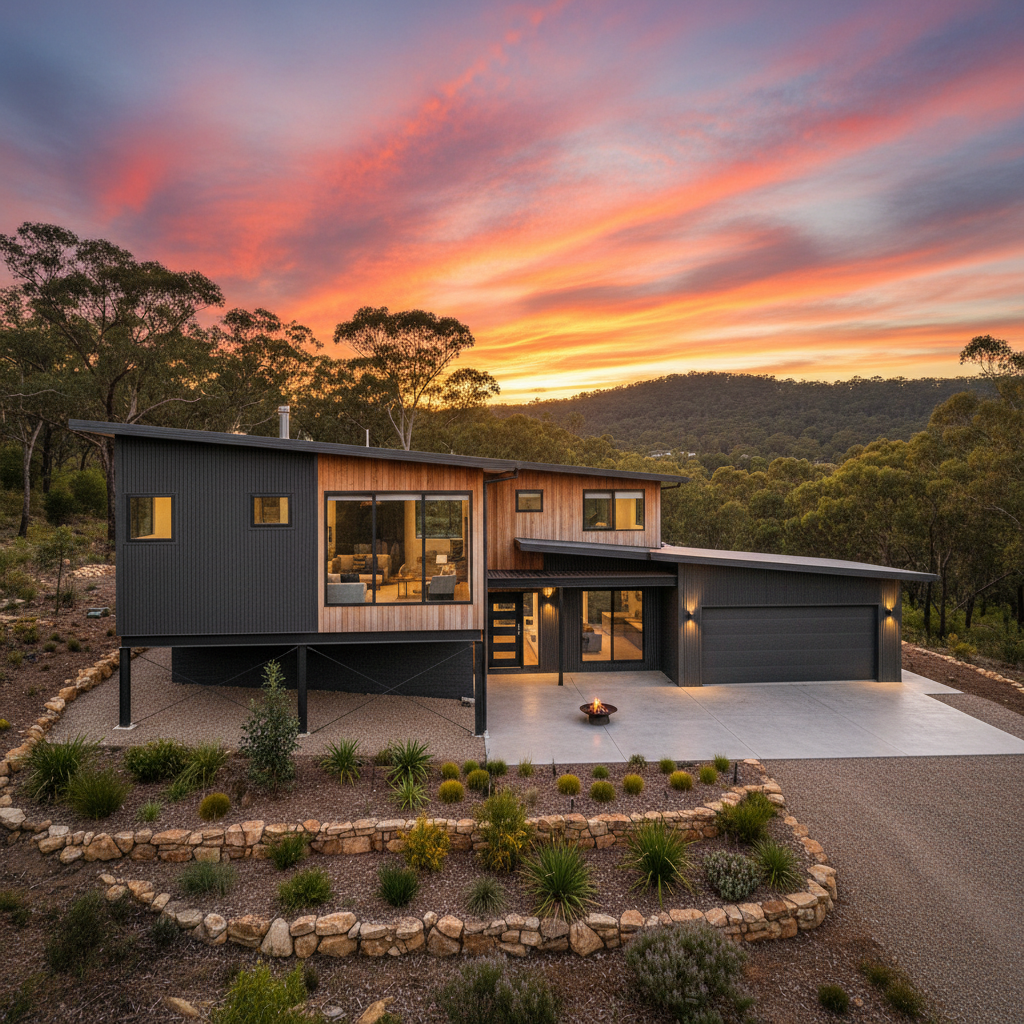
One thing to watch out for as an owner-builder is your floor level. If you're building on a slope, don't just default to a massive cut-and-fill. It wrecks the site's natural drainage and costs a bomb in retaining walls. Steel sub-floors on piers are a fantastic alternative. They let the air flow under the house, which helps with cooling, and you leave a much smaller footprint on the land. It feels more like the house is sitting in the landscape rather than forcing itself onto it.
Finishing Touches and Longevity
The exterior cladding you choose will dictate the maintenance for the next thirty years. Colorbond steel roofing and cladding are the gold standard here for a reason. They don't need painting every five years like weatherboards do. You hit them with a hose once in a while to get the salt or dust off, and they're good to go. This low-maintenance lifestyle is a core part of the sustainable trend. Sustainability isn't just about the build; it's about the home's life cycle. A house that doesn't need constant repairs and chemical treatments is much better for the planet and your wallet in the long run.
Building your own home is a massive undertaking. It’s stressful, dusty, and you’ll probably have a few arguments over tile colors. But when you’re sitting on that deck on a Friday arvo, looking at a house you managed yourself, built with materials that are meant to last, it’s worth it. Steel frame kit homes aren't just a trend; they’re a logical response to the Australian environment. They’re fast, they’re tough, and they respect the land they sit on. That’s about as sustainable as it gets.