The Shift Toward Smaller Footprints
Your backyard isn't just a place for the Hills Hoist and a patchy lawn anymore. Walk down any street in suburban Brisbane or the outer fringes of Sydney and you'll see it happening. Fences are moving, skips are filling up with dirt, and small scale construction is popping up behind the main house. The secondary dwelling, or what most of us call the granny flat, has moved on from being a cramped donga for Nana. It's now a legitimate way to keep the family together or get a bit of extra space without the nightmare of a full scale traditional build.
Because let's be honest. Buying a new house right now is a tall order. Instead of fighting the market, people are looking at the dirt they already own. Putting a kit home in the backyard makes sense once you realize you don't have to hire a bespoke architect just to get a one or two bedroom layout that actually works. We're seeing a massive uptick in owner builders taking the reins, choosing steel frames over timber because they don't want to be worrying about termites in five years time. Plus, a steel frame won't twist or warp while it sits on your site waiting for the roof to go on.
Why Steel Kits are Reshaping the Secondary Dwelling Market
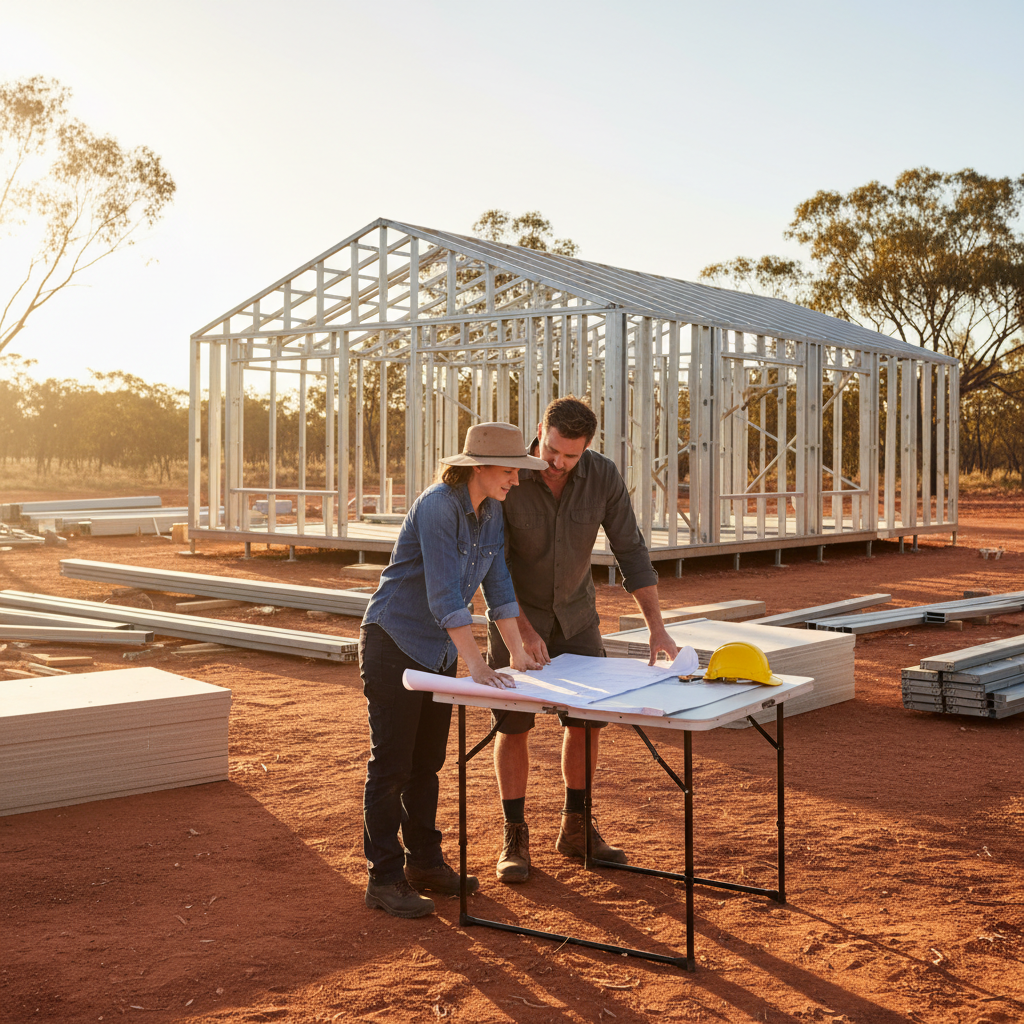
If you've ever tried to stick-build a small structure from scratch, you know the frustration of waste. You order too much timber, half of it's bowed like a banana, and you spend three days just cutting studs to length. Kit homes changed that. When a delivery truck drops off a pile of TRUECORE steel frames, every piece is exactly the right size. It's like a giant Meccano set. You're not guessing where the windows go or if the roof pitch is right. It's all in the plans.
But it isn't just about speed. It's about consistency. Australian weather is brutal. One day it's 40 degrees in the shade and the next you're getting smashed by an East Coast Low. Steel doesn't care. It stays straight and true. For an owner builder who might only be working on the project on weekends between their actual job and the kids' Saturday sport, that's a massive win. You can leave the frames standing while you wait for the plumber to show up and they won't rot or move an inch. Most Aussie kits come with the BlueScope steel frames, the Lysaght roofing, and all the cladding and windows you need to get to lock up. It's a contained system that takes the guesswork out of the shell of the building.
Navigating the Council Maze
Before you get too excited and start digging holes for piers, you've got to deal with the Council. Every local government area in Australia has its own weird little rules about secondary dwellings. In some parts of NSW, you can get away with a Complying Development Certificate (CDC) which skips the long DA queue, provided you meet the criteria. In other spots, they'll count your rainwater tank as part of your site coverage and knock you back. Always check your setbacks. Usually, you're looking at a 3 metre gap from the back fence, but that can change depending on your block size and the height of the roof.
Don't just trust a verbal word from a guy at the front desk. Get it in writing. Ask about the NCC Volume 2 requirements for your specific site. If you're in a bushfire prone area, your BAL rating will dictate everything from the thickness of your glass to the type of mesh on your vents. Steel frames are a huge advantage here because they're non-combustible. It doesn't mean the whole house is fireproof, obviously, but it's a solid foundation for a bushfire resistant design.
Design Trends: From 'Granny Flat' to 'Garden Suite'
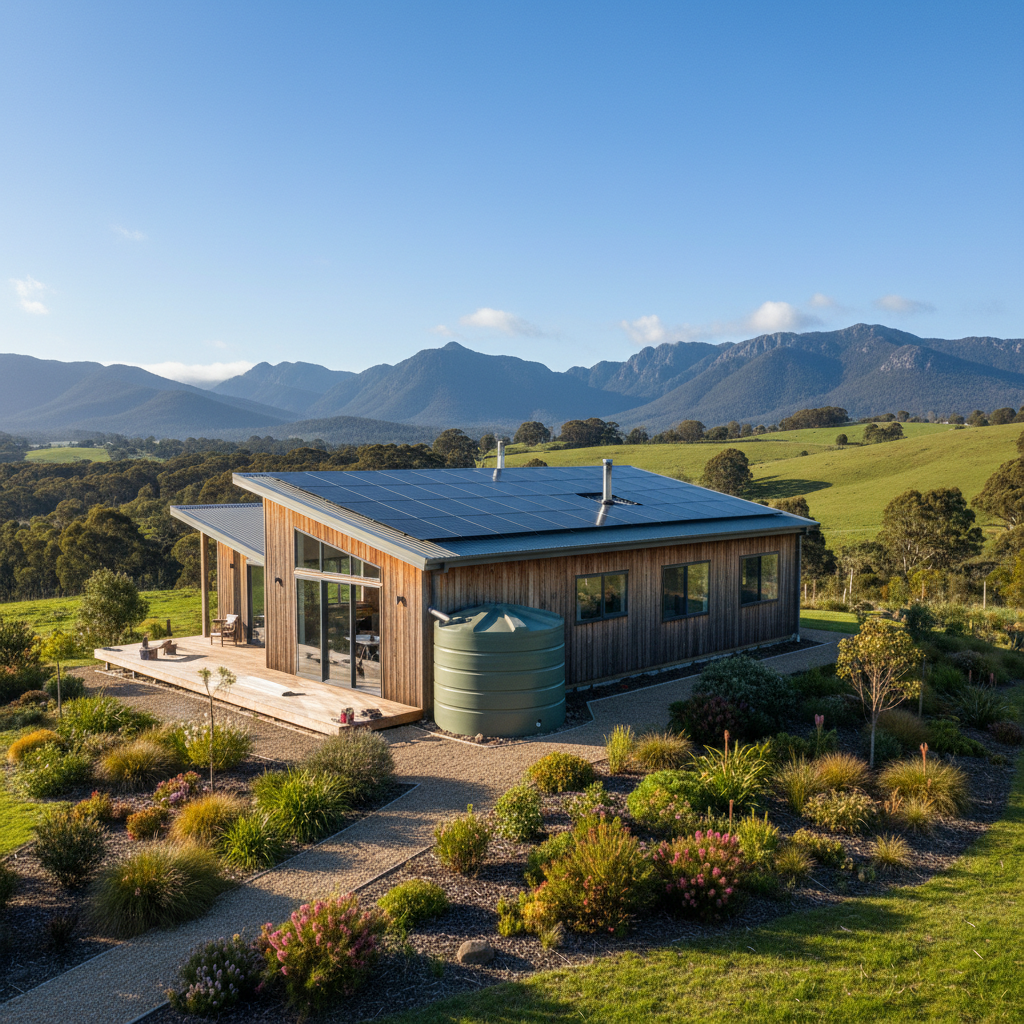
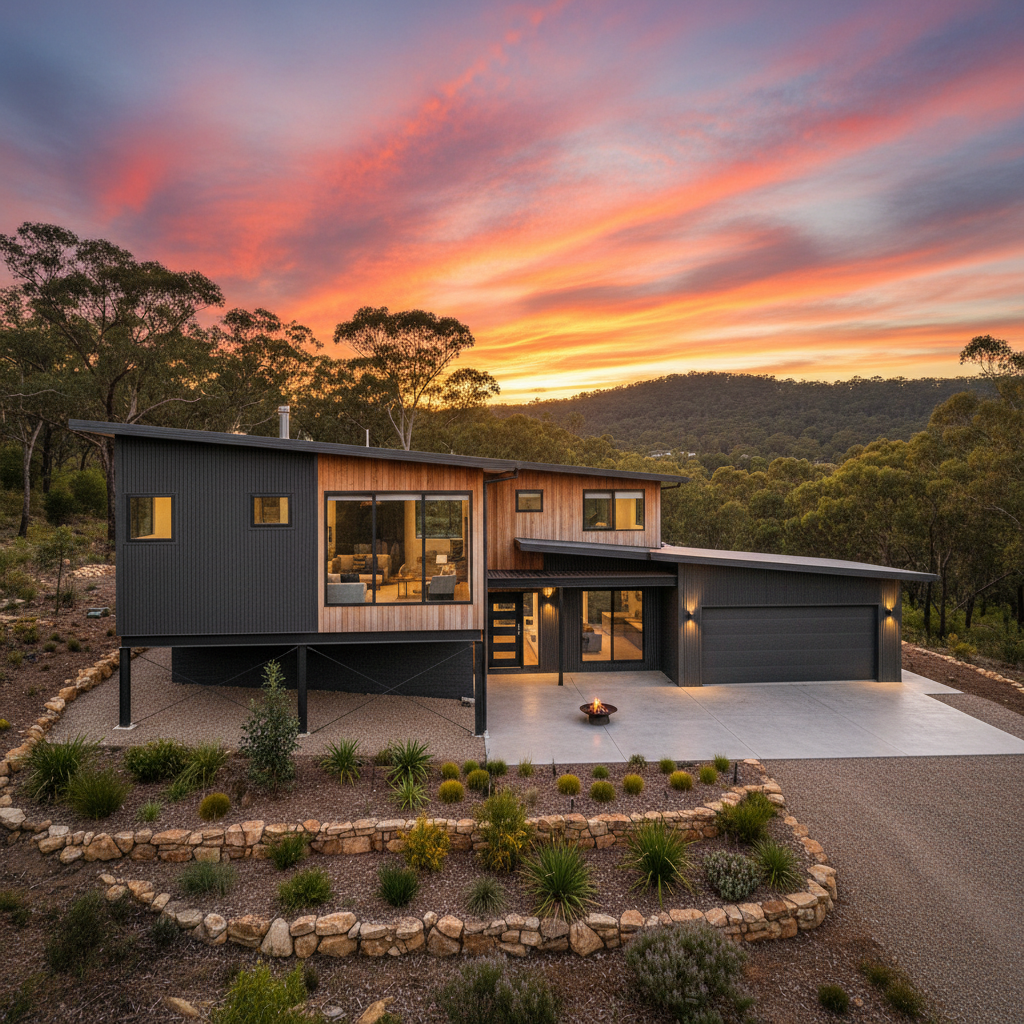
The design aesthetic is shifting. We're moving away from that cheap, demountable look and toward buildings that actually complement the main house. Skillion roofs are everywhere right now. They look modern, they're easier to install than a complex hip and valley roof, and they allow for high highlight windows that let in heaps of northern sun. It's a clever way to make a 60 square metre footprint feel like a mansion.
Open plan is still the king. In a small kit home, corridors are the enemy. They're wasted space. You want your kitchen to flow straight into the living area, with maybe a large sliding door opening out onto a deck. This creates an indoor-outdoor flow that makes the small dwelling feel twice as big. We're seeing more people opt for vertical cladding like Colorbond Enseam or even weatherboards to give it a bit of texture. It's about pride of place. If you're going to live in it, or put your kids in it, you want it to look like a home, not a shed with a bed.
The Owner Builder Reality Check
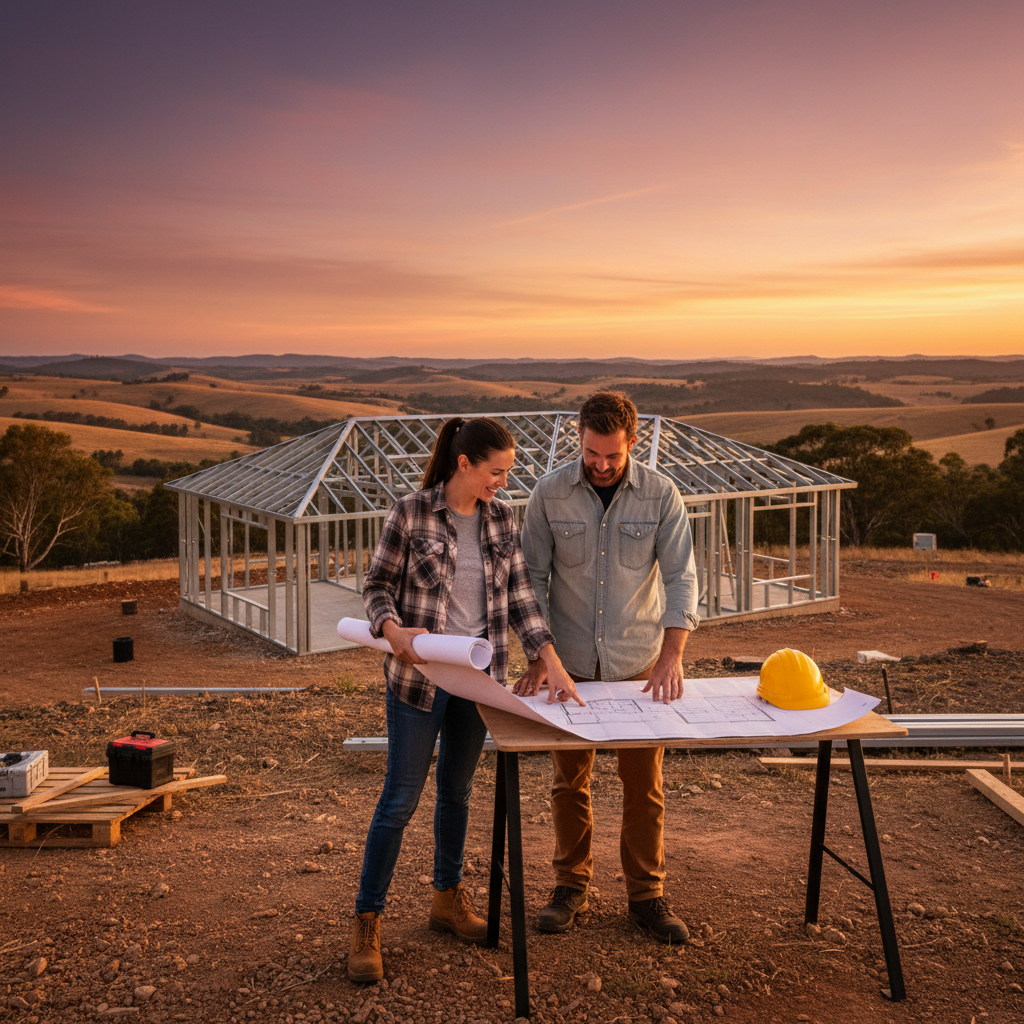
Being an owner builder is rewarding, but it's a lot of legwork. You're the project manager. You're the one calling the sparky at 7am to make sure he's actually coming. Unless you're a licensed trade yourself, you aren't doing the plumbing or the electrical work. In Australia, that's illegal and it'll void your insurance faster than you can blink. Your job is coordination. You organize the slab or the footings first. Then the kit arrives. You and a couple of mates can usually get the frames up in a few days if you're handy with a cordless drill and follow the layouts.
Once the frame is up, the windows go in and the cladding goes on. This is where your kit really starts to look like a house. Insulation is a step people try to skimp on, but don't. Spend the extra bit on high quality batts and a good wrap. Steel frames need that thermal break to keep the heat out in summer. If you do it right, the place will be whisper quiet and easy to cool. If you rush it, you'll be living in an oven.
Practical Tips for a Smooth Build
- Site access is everything. If the truck can't get within 20 metres of your backyard, you're going to be carrying steel frames by hand. Believe me, that gets old real quick.
- Check your slab levels three times. If your concrete is out by 10mm, your steel frames will show it. You can't just plane down a steel stud like you can with wood.
- Keep your site clean. Sounds simple, but a messy site leads to lost bolts and tripped-over cladding. A morning spent tidying is an afternoon spent building faster.
- Organize your trades early. Good chippies and plumbers are booked out months in advance. Don't wait until the kit arrives to start calling around.
- Expect the rain. Have some tarps ready. Even though the steel won't rot, your tools and your pride will get soggy if you aren't prepared for a sudden Sydney downpour.
The Future of Backyard Living
We're seeing a permanent change in how Australians think about their blocks of land. The idea that you only build one house on one block is dying out. Whether it's for an aging parent, a teenager who won't leave home, or just a home office that isn't the kitchen table, the secondary dwelling is the hero of the modern backyard. By using a kit home with a steel frame, you're getting a structure that's engineered for Australian conditions without the overheads of a volume builder. It's a hands-on way to add value to your life and your property. Just make sure you do your homework, talk to your council, and get a good cordless impact driver. You're going to need it.