The Rise of the Backyard Secondary Dwelling
Walk down any street in suburban Brisbane, Melbourne, or Sydney right now and you will hear a nail gun firing. It is the sound of the Australian backyard changing. For decades, the quarter-acre block was about a Hills Hoist and maybe a shed for the mower, but those days are gone. We are seeing a massive pivot toward secondary dwellings, or what most of us just call granny flats. But these aren't the cramped, dark boxes from thirty years ago. They are high-spec, architecturally designed small homes that people actually want to live in.
Pressure on the housing market is the obvious driver, yet it goes deeper than that. People want flexibility. I have seen families in Dubbo building kits to house parents who are aging but still want their own front door. Then you have the work-from-home crowd who realized after three years of sitting at the kitchen table that they desperately need a detached office. Kit homes have become the go-to for these projects because they cut out the middleman and give the owner-builder some actual control over the timeline. Plus, you aren't paying a builder's margin on every single stick of timber or sheet of iron.
The Steel Advantage in Modern Kits
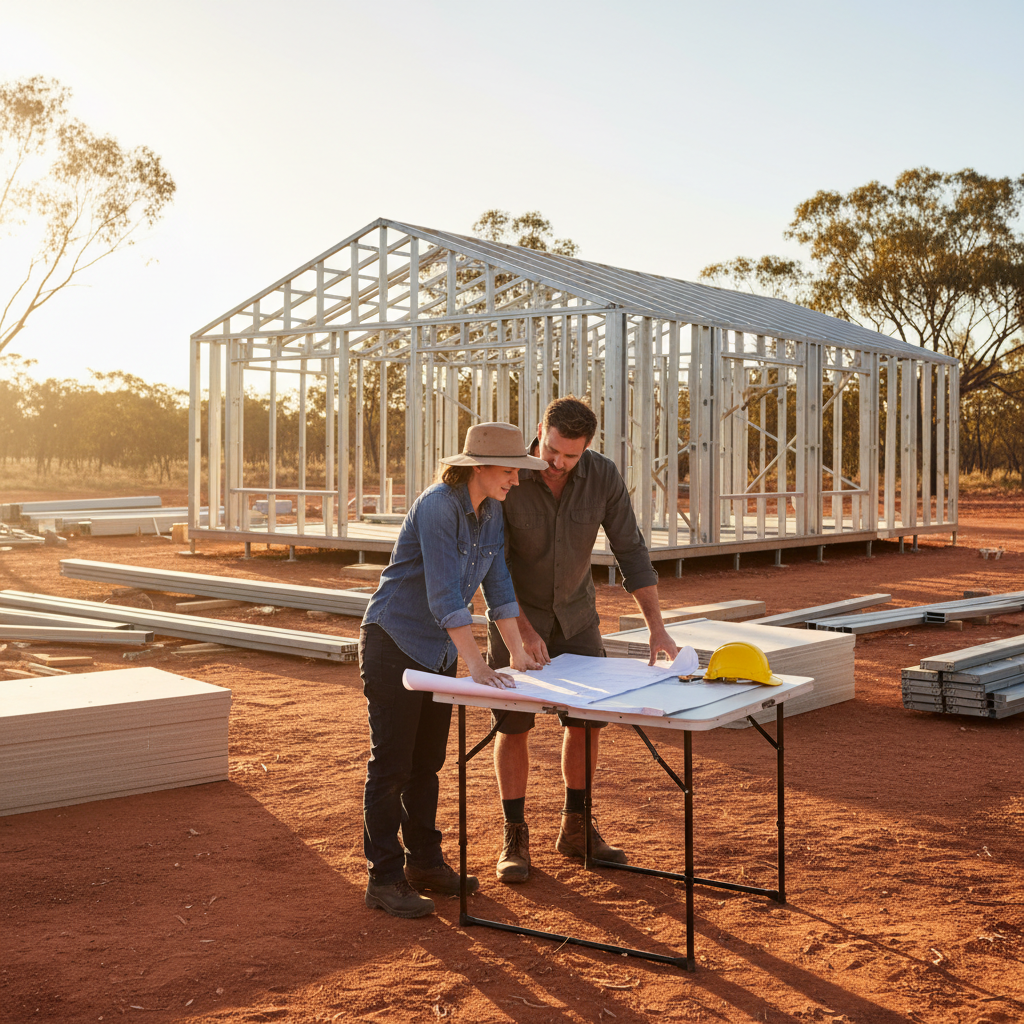
If you are building in Australia, you have to talk about termites and fire. It is that simple. I always tell people that if you're putting a secondary dwelling in the back corner of a block, usually near trees or old fences, you are basically ringing the dinner bell for white ants if you use a soft timber frame. This is why we bank on BlueScope TRUECORE steel. It's straight. It stays straight. When you're an owner-builder trying to hang internal doors or fit off architraves, you will thank yourself for choosing steel. There is nothing worse than fighting a warped stud that looked fine three weeks ago when it was delivered but has since decided to turn into a banana in the afternoon sun.
Steel frames also help with your BAL (Bushfire Attack Level) ratings. If your block is backed onto bushland, your local council is going to have something to say about your material choices. Using non-combustible materials for the skeleton of the build gives you a massive leg up during the DA process. It's one less thing for a certifier to get cranky about.
Owner Builder Realities: Site Prep and Slabs
One thing people often gloss over is the site works. You can order the most beautiful kit in the world, but if your slab is out by 20mm or your site isn't levelled properly, you're in for a world of hurt. Don't just trust the bloke with the bobcat when he says it's 'near enough'. Get your levels checked properly. Most kit homes are designed to sit on a concrete slab or a raised floor system, and the tolerances are tight. If you're building on a slope in a place like the Blue Mountains, you'll likely be looking at a pier and steel sub-floor setup instead of a slab. It's often cheaper than trying to cut and fill a steep site and deals with drainage issues much better.
And remember, as an owner-builder, you are the project manager. You need to coordinate the plumber and sparkie to get their 'rough-in' done before the internal linings go on. I've seen blokes forget to tell the plumber when the kit is arriving, and suddenly they're standing around with a pile of steel frames and no pipes in the ground. It's a logistical dance. You need to be three steps ahead of the delivery truck.
Design Trends: Small Footprints, Big Feel
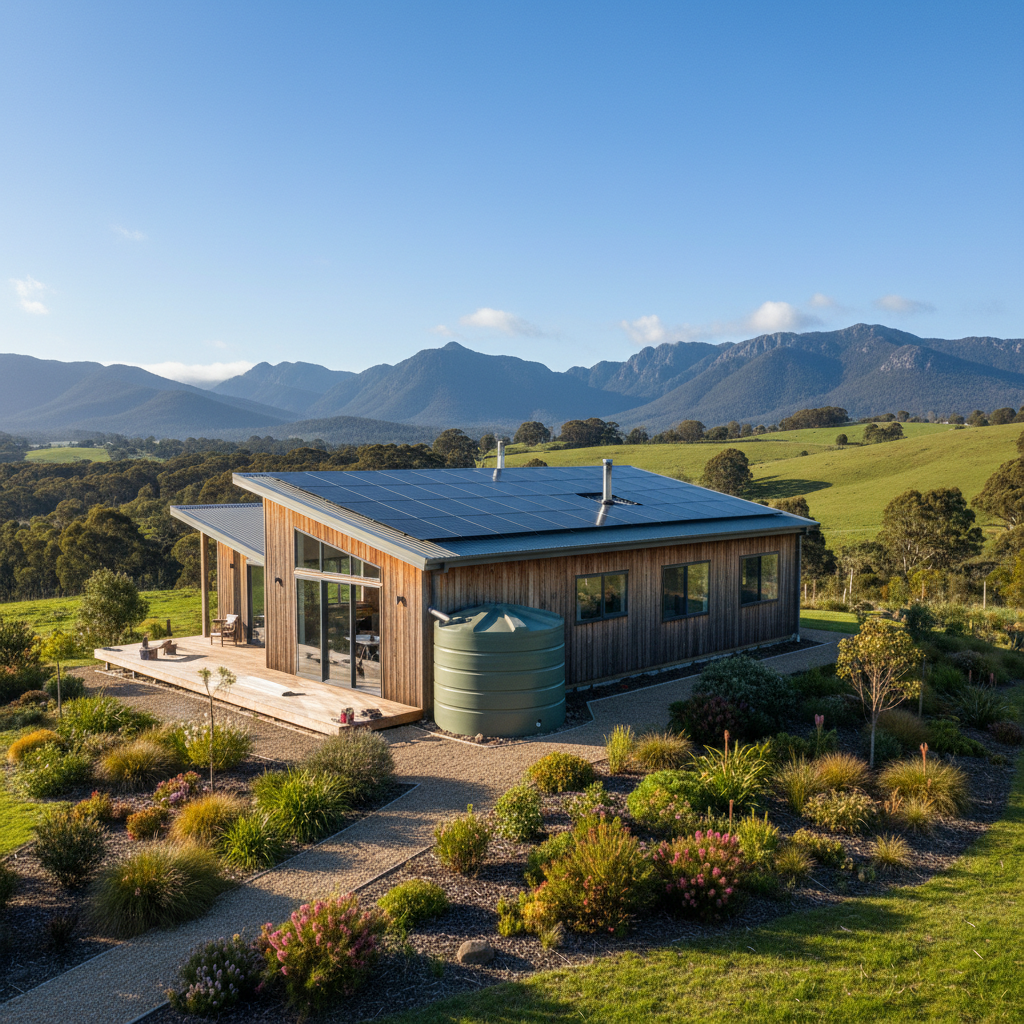
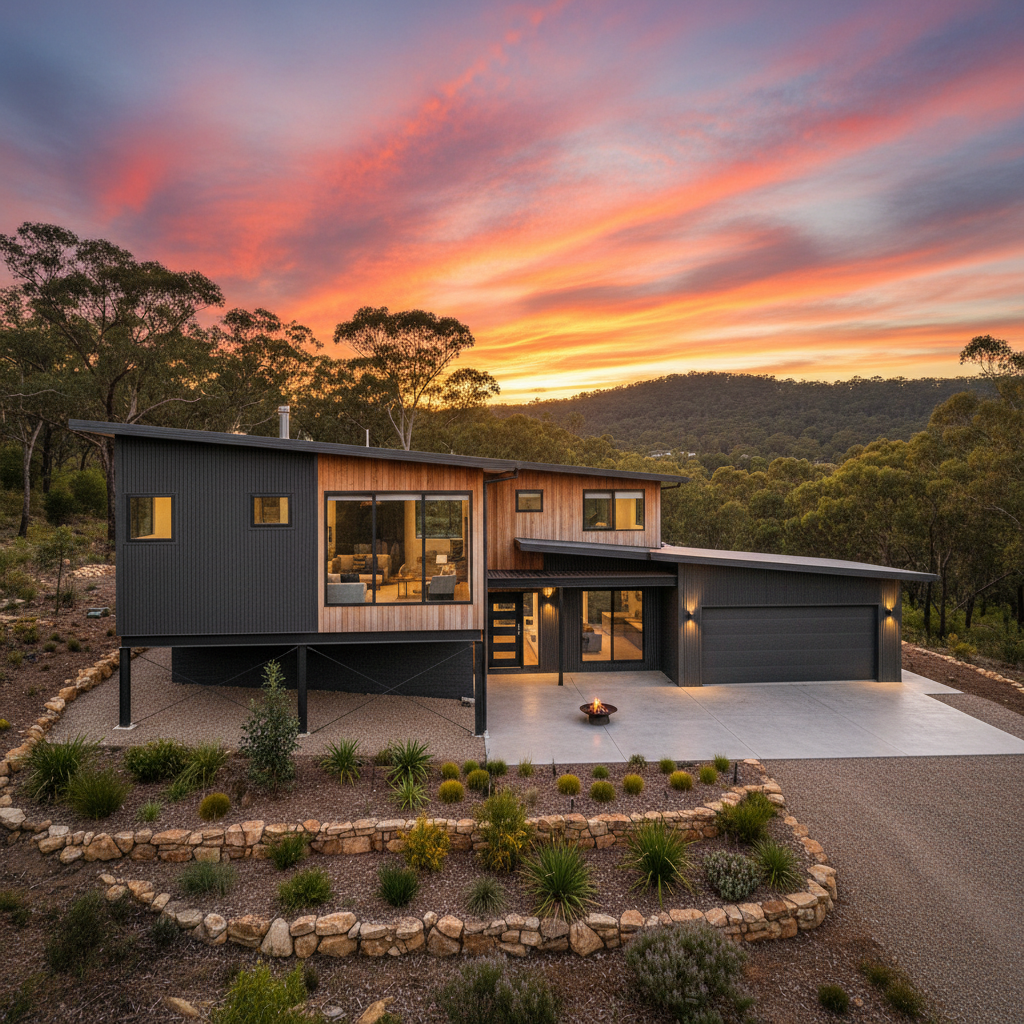
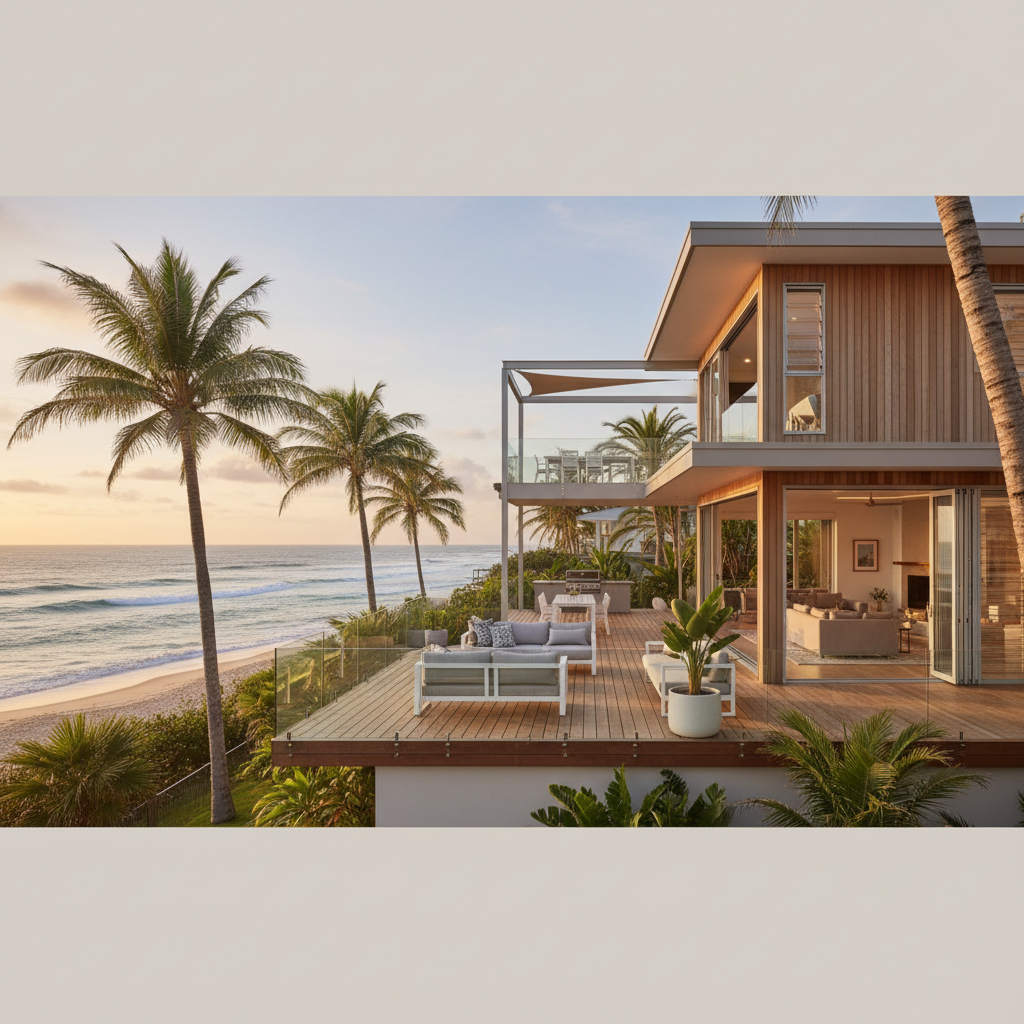
Modern kit home design is moving away from the 'tiny house' gimmick and toward functional small-scale living. We are seeing a lot of demand for high ceilings and large windows. Because the floor area is often limited by council to 60 or 70 square metres for a secondary dwelling, you have to use vertical space to stop it feeling like a shoebox. Skillion roofs are huge right now. They look modern, they're easy to install, and they allow for highlight windows that bring in heaps of natural light without sacrificing privacy from the main house.
Cladding choices are also shifting. While traditional corrugated iron is still a staple for that classic Aussie look, we're seeing more people mix textures. Using a vertical profile cladding on the front face and standard horizontal boards on the sides can make a simple rectangular kit look like a custom architectural build. It's about clever finishes. You buy the bones, but you choose the skin.
Regulatory Hurdles and Council Wins
Before you get too excited and start digging holes, you have to suss out your local LEP (Local Environmental Plan). Every council has different rules. Some are great and allow secondary dwellings as 'complying development' which skips the long DA queues. Others are a nightmare. Generally, you're looking at things like setback requirements, which dictate how close to the fence you can build, and private open space requirements. Don't assume that because your neighbor built one, you can too. Their block might be 10 square metres larger, putting them into a different category.
Also, think about access. A kit home arrives on a truck. Can that truck get near your backyard? If not, you're hand-carrying steel frames down a side path. I've done it. It builds character, but it's hard work. Ensure you have a clear plan for where the materials will be dropped. Keep them off the ground and covered. If you leave your plasterboard out in a Queensland storm because the truck couldn't get up the driveway, that's an expensive mistake.
Practical Tips for the DIY Enthusiast
If you're taking this on yourself, here is some straight talk:
- Buy a high-quality impact driver. Not the cheap one. You'll be driving thousands of screws into steel, and your wrists will feel every single one of them.
- The insulation that comes with your kit is vital. Don't skip the thermal break. Steel conducts heat, so you need that barrier between the frame and the cladding to keep the place cool in February.
- Get your windows ordered early. Even if they are part of a kit package, confirm the lead times. You don't want a finished frame sitting open to the weather for six weeks while you wait for glass.
- Check your AS 1684 compliance if you're doing any timber work, or stick strictly to the engineering plans provided with your steel kit. The engineering is your bible. If it says 12 screws in a bracket, don't use 8.
Building a secondary dwelling as an owner-builder is probably the most rewarding way to add value to your property. You get to see exactly what goes into the walls. No hidden shortcuts. No dodgy framing. Just a solid, steel-framed addition that will still be standing perfectly straight long after we're all gone. It's about more than just extra square footage. It's about building something yourself that actually lasts.
Start by looking at your site's orientation. Where is the sun coming from? Position your kit to catch the winter sun on the glass and you'll save a fortune on heating. It's the simple things that make a kit home successful. Success isn't just finishing the build; it's living in a space that works.