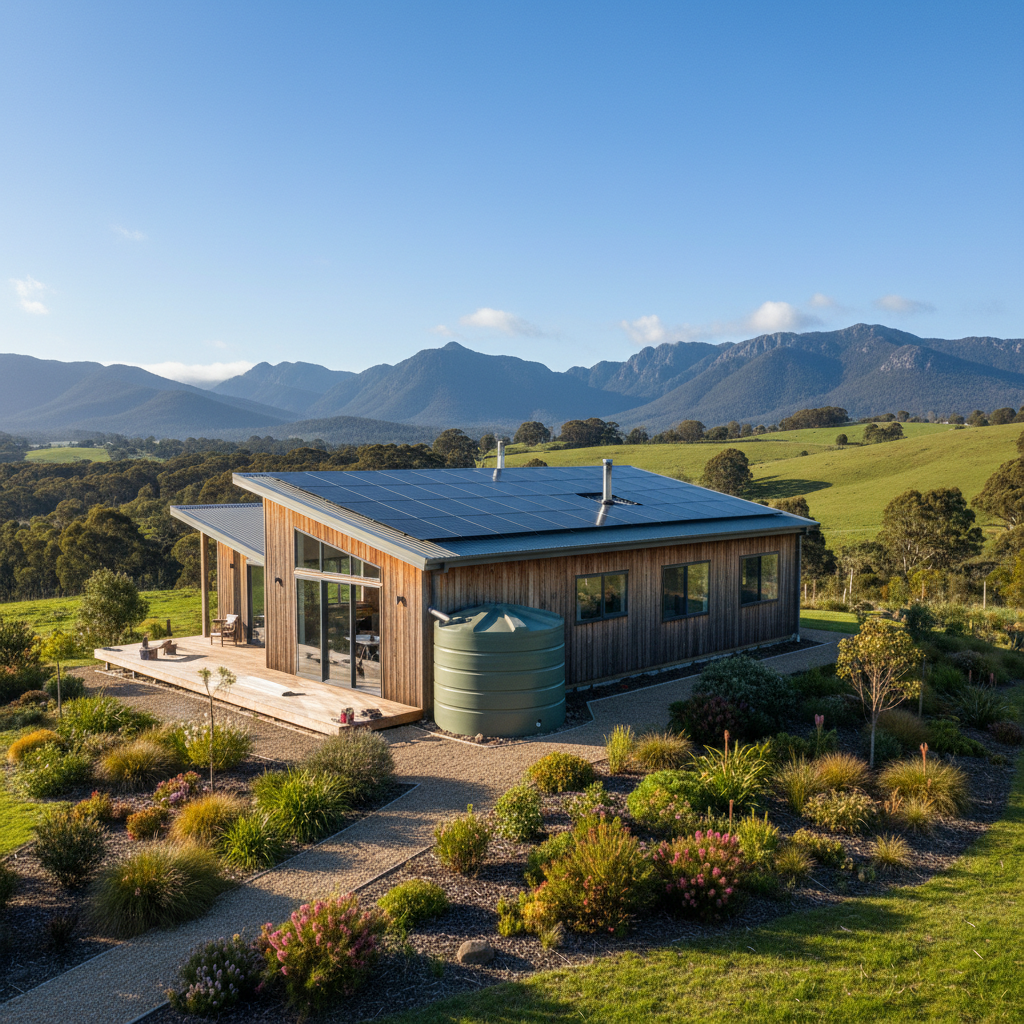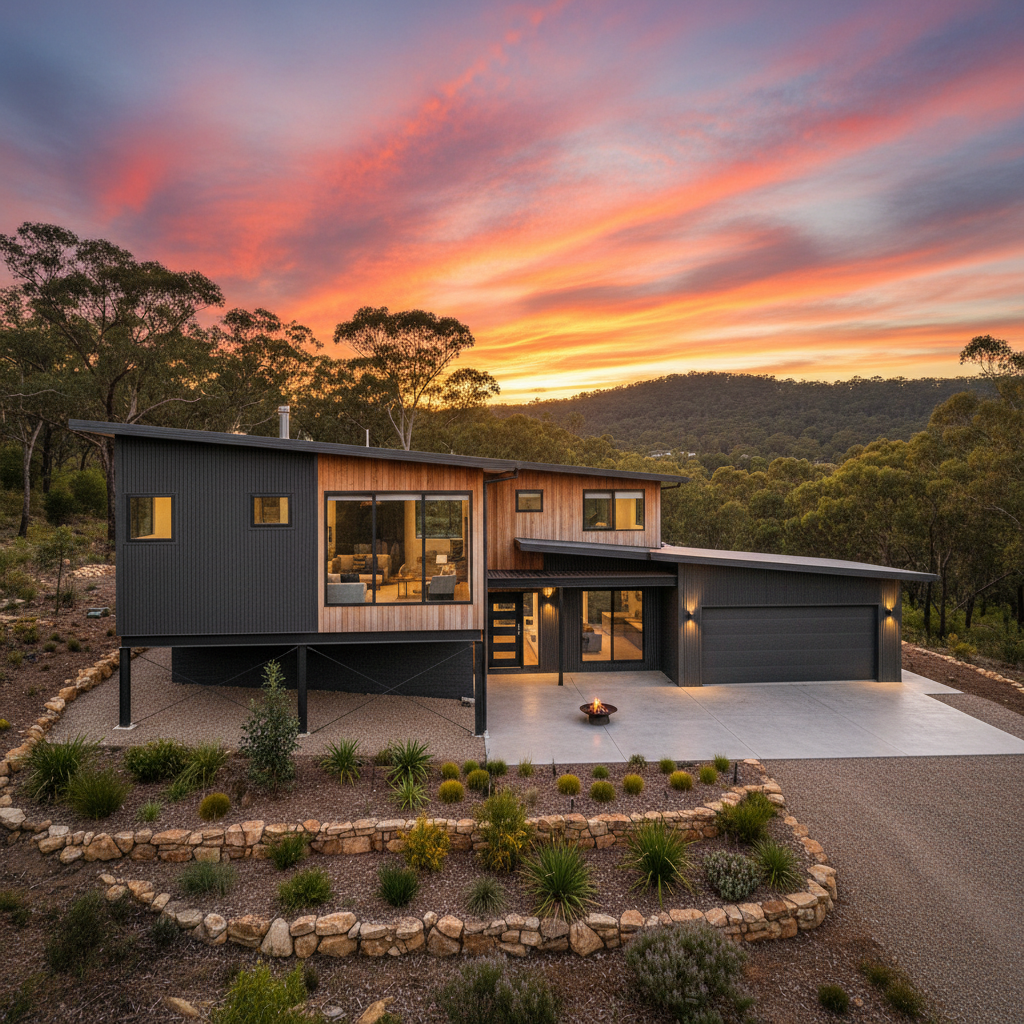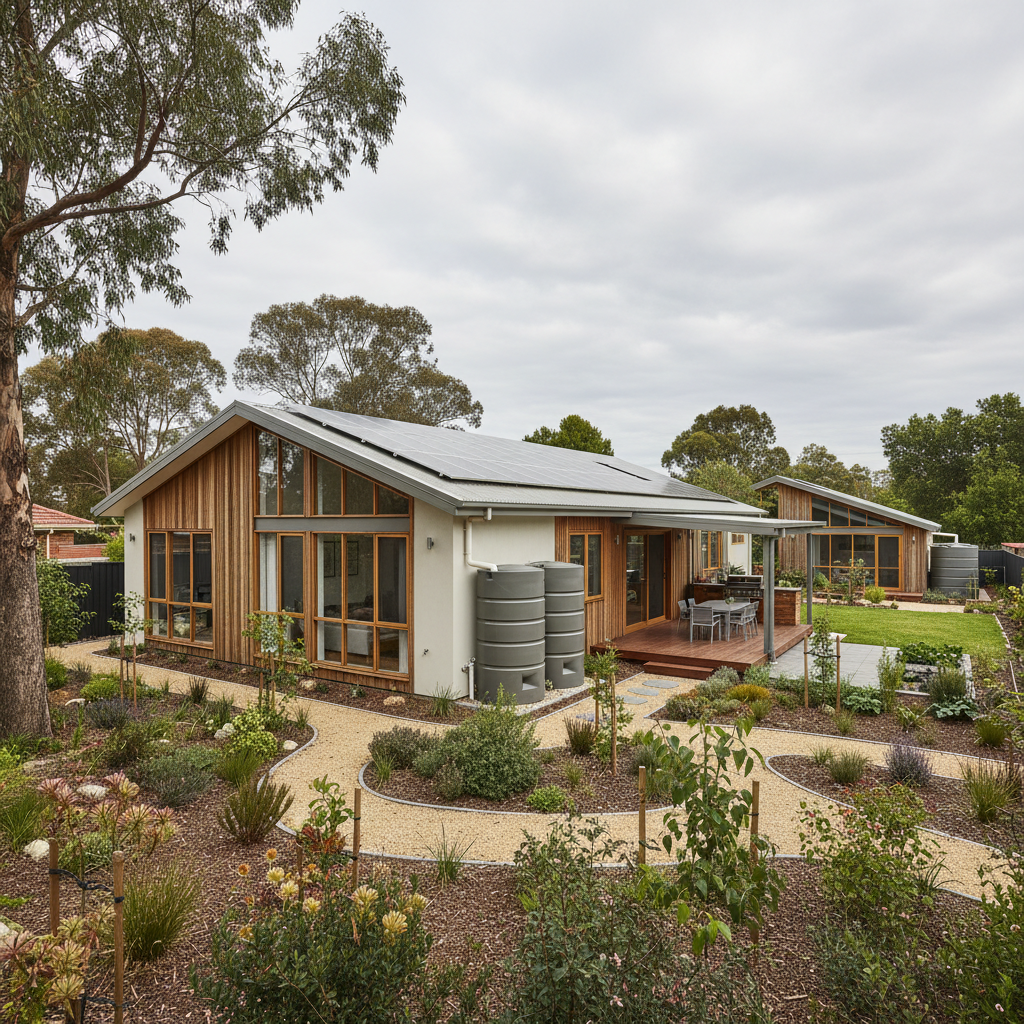
Walk down any suburban street in Newcastle, Geelong, or the Sunshine Coast right now and you will hear the same sound. It is the high-pitched whine of a circular saw or the rhythmic thud of a nail gun. Aussies are obsessed with building out their backyards. But we aren't just talking about a fresh deck or a fancy BBQ area. The gold rush is in secondary dwellings. Call them granny flats, studio retreats, or teenaged hideaways, these small-scale builds are the biggest shift in our housing market since the quarter-acre block became a thing.
The Death of the Formal Spare Room
For decades, we built houses with a 'guest room' that sat empty for forty-eight weeks of the year. It was a waste of space. Now, people are getting smart. They're realized that putting that floor space into a separate building in the backyard makes way more sense. It gives you privacy. It gives you an actual boundary between your work life and your home life if you're one of the thousands now glued to a home office. Because let's be honest, trying to run a Zoom call while the kids are fighting over the last of the Vegemite in the kitchen is a nightmare. Putting a kit home in the backyard fixes that instantly.
But it's not just about offices. We're seeing a massive trend where families are 'stacking' their living arrangements. Grown-up kids can't afford the crazy rents in Sydney or Melbourne, so they're moving back home. But nobody wants to live in their childhood bedroom at twenty-five. A self-contained steel frame kit gives them their own front door. It keeps everybody sane. Plus, when the kids eventually fly the coop for good, you've got a space ready for aging parents or even a short-term rental option. It is about future-proofing the dirt you already own.
Why Steel Frames are Winning the Backyard War
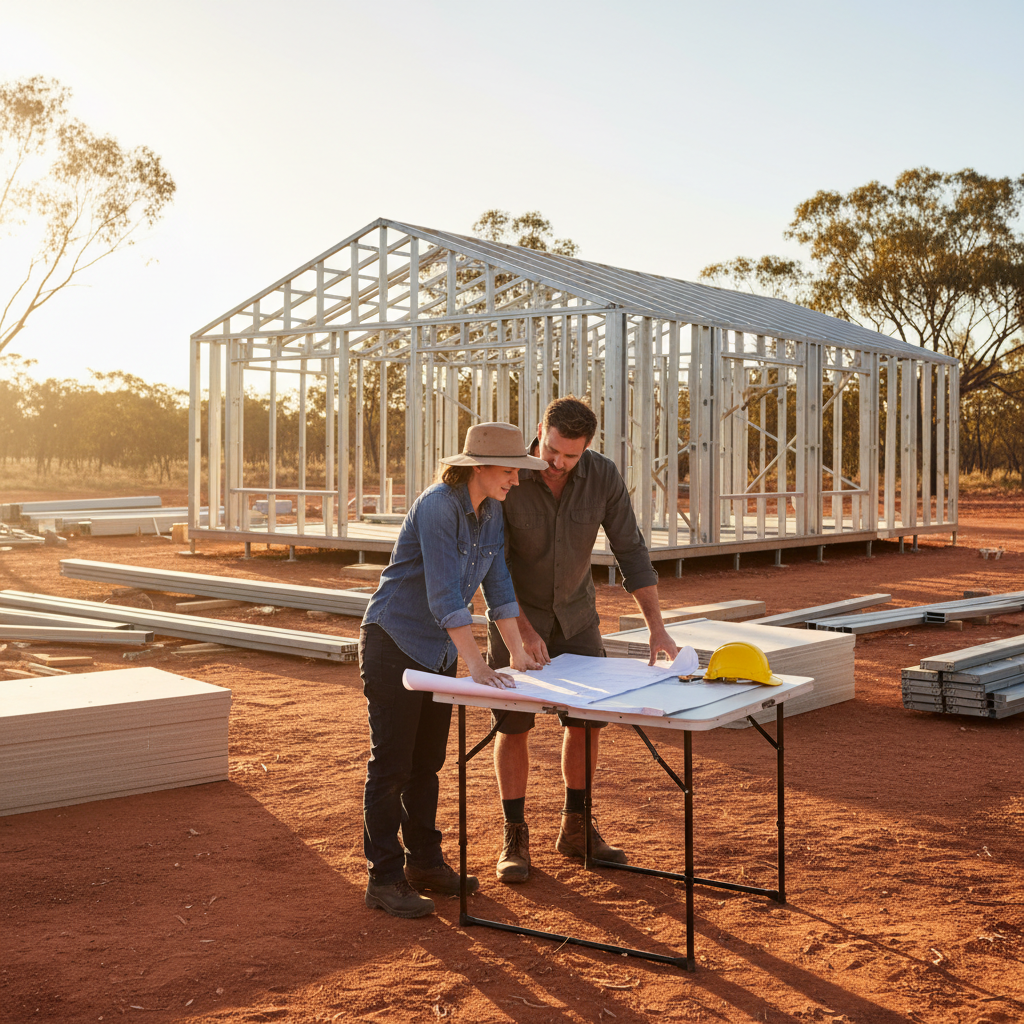
If you're building a secondary dwelling, you usually don't have a lot of room to move. You've got the side fence, the lemon tree, and the Hills Hoist all competing for space. This is where steel frames, specifically stuff like BlueScope TRUECORE steel, really start to shine for an owner-builder. Steel is light. You can carry the wall sections down a narrow side passage without needing a massive crane or a team of six blokes. I've seen guys in their fifties knock up the frame of a small kit over a weekend just because the components are so manageable.
Then there's the termite factor. If you live anywhere north of the Victorian border, termites are a constant worry. They'll eat through a timber frame before you've even finished the painting. Using a steel kit means one less thing to stress about. It won't warp, either. You know how some new builds end up with doors that don't close properly after six months because the timber dried out and twisted? Steel doesn't do that. It stays dead straight. This makes the internal fit-out heaps easier for the owner-builder. When your studs are perfectly vertical, your plasterboard goes on like a dream and your skirting boards actually meet in the corners.
Owner Builder Reality Check
Don't get it twisted, being an owner-builder isn't just about wearing a high-vis vest and looking busy. It is about logistics. When you order a kit, you're getting the 'shell' - the frames, the roof, the windows, and the cladding. But the success of the project happens before the truck even arrives. You need to spend time on your site prep. I cannot tell you how many people I've seen jump the gun. They order the kit before they've even sussed out where their sewer lines run. Do not be that person. Get your plumbing and electrical rough-ins mapped out early.
And check your local council's DCP (Development Control Plan). Rules for granny flats vary wildly between, say, a council in Western Sydney and one in rural Tassie. Some have strict rules about floor area, usually capping secondary dwellings at 60 square meters. Others are more relaxed. You need to know these numbers back to front before you pick a design. Because if you build ten centimeters too close to the boundary, the council can make your life a misery.
Technical Accuracy and the NCC
When you're looking at kit homes, you've got to ensure they meet the National Construction Code (NCC) Volume 2. This isn't just boring paperwork. It's about safety. Your kit supplier should be providing engineering that's specific to your site's wind speed. A kit designed for a sheltered spot in suburban Adelaide won't cut it on a windswept cliff in Albany. The steel thickness and the bracing requirements change. Make sure your engineering certification matches your specific block. It's a non-negotiable step for getting your Occupation Certificate at the end of the day.
Insulation is another one where people cheap out and regret it later. Because secondary dwellings are smaller, they heat up and cool down fast. If you're using steel cladding, you need a solid thermal break and good quality insulation batts. Don't just tick the 'minimum requirement' box. Spend a bit extra on the R-value of your glass wool batts. It'll be the difference between a comfortable studio and a tin oven in the middle of a February heatwave.
Design Tips for Small Spaces
Small homes can feel like boxes if you aren't careful. The trick is in the ceiling height and the light. A skillion roof - where one side is higher than the other - is a classic for a reason. It allows for high-set windows that let light in without sacrificing your privacy from the neighbors. Here's a tip: always try to orient your main living windows to the North. In the Australian winter, that low sun will flood the room and keep it warm. In summer, a decent eave will keep that same sun off the glass. It's basic passive solar design, but heaps of people overlook it because they're too focused on the kitchen splashback color.
Storage is the other killer. In a 60-square-meter kit home, every cupboard counts. Think about using the wall cavity for recessed shelving or built-in robes that span the whole height of the wall. Because you're working with a steel frame, you can often specify where you want extra noggins put in during the design phase. This makes it a breeze to hang heavy TVs or kitchen cabinets later on. You don't want to be hunting for studs with a magnet after the plaster is already up.
The Finish Line
Building your own kit home is a massive undertaking, but it's probably the most rewarding way to add value to your property. You get to see exactly what went into the walls. No hidden shortcuts. No dodgy trades hiding mistakes behind the gyprock. You lose a few weekends to the project, sure. And you'll definitely end up with a few scratches and a layer of dust on everything you own. But when you're sitting in that finished space with a cold drink, looking at a building you actually put together, the satisfaction is something else. The backyard revolution is here to stay, and for the owner-builder who is prepared to put in the legwork, a steel-framed kit is the smartest way to join it.