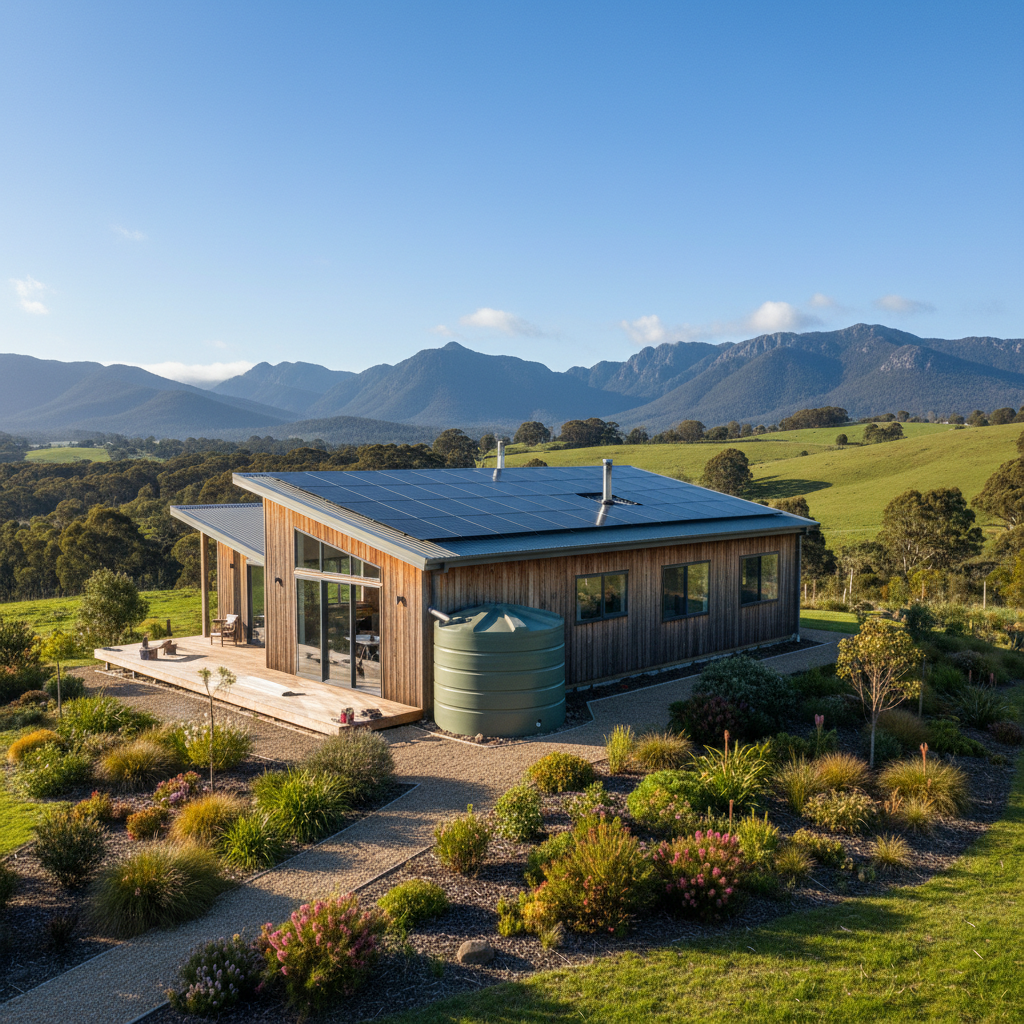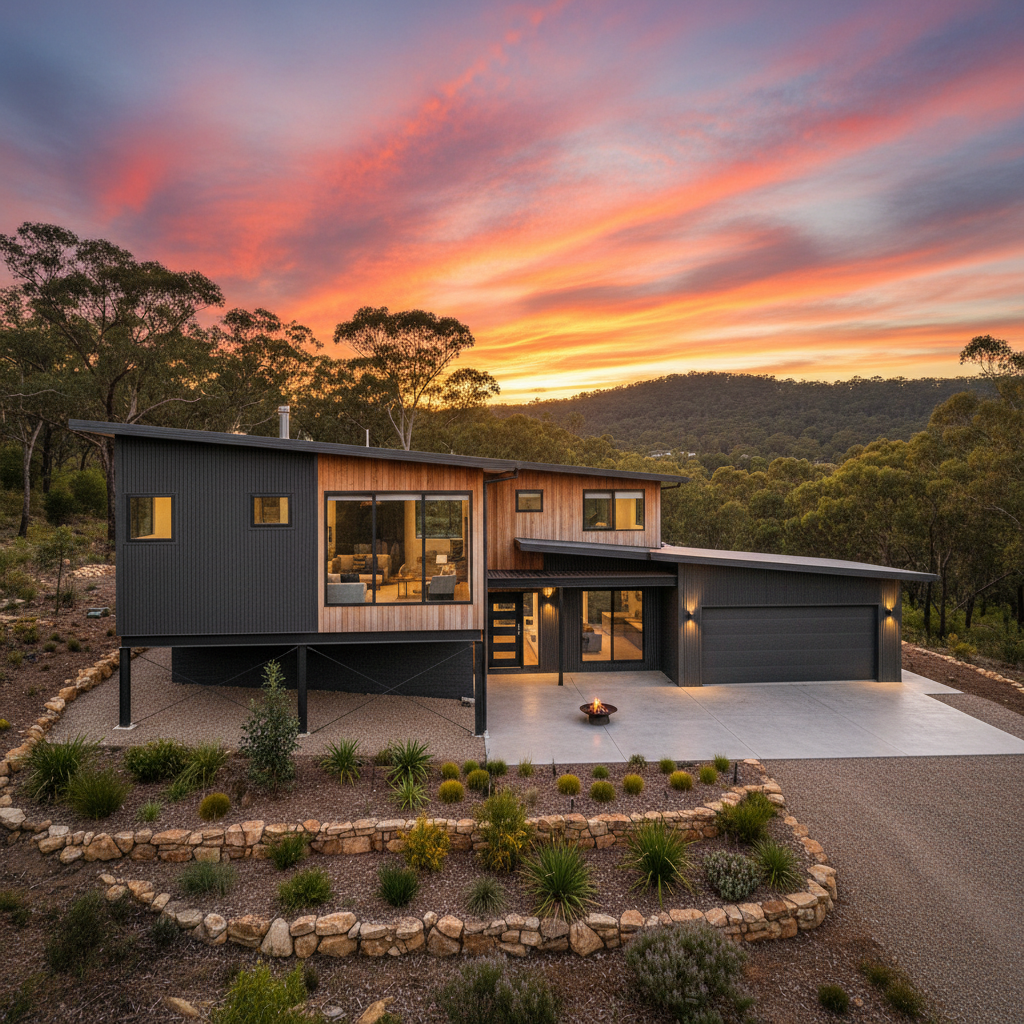
The Backyard Shift is Real
Walk around any established suburb in Newcastle or the outskirts of Melbourne right now and you'll hear the same sound. It's the rattle of impact drivers and the clank of steel frames being unloaded off a flatbed. Australians are obsessed with secondary dwellings. We aren't just talking about a leaky garden shed with a moth-eaten rug. We're talking about full-scale, high-spec small homes sitting right where the Hills Hoist used to be.
It makes sense. Families are getting squeezed. Kids can't afford to move out until they're thirty, and elderly parents don't want to end up in a sterile facility three suburbs away. So, the backyard has become the new frontier. But the old way of building, hiring a custom builder to do a tiny job, is a nightmare. They don't want the small stuff. They'll quote you a 'go away' price that makes your eyes water. That's why kit homes have moved from the fringe to the mainstream. You get the structure and the shell, but you keep the control. No more waiting six months for a builder to show up between his bigger jobs.
Steel Frames and the Owner-Builder Reality
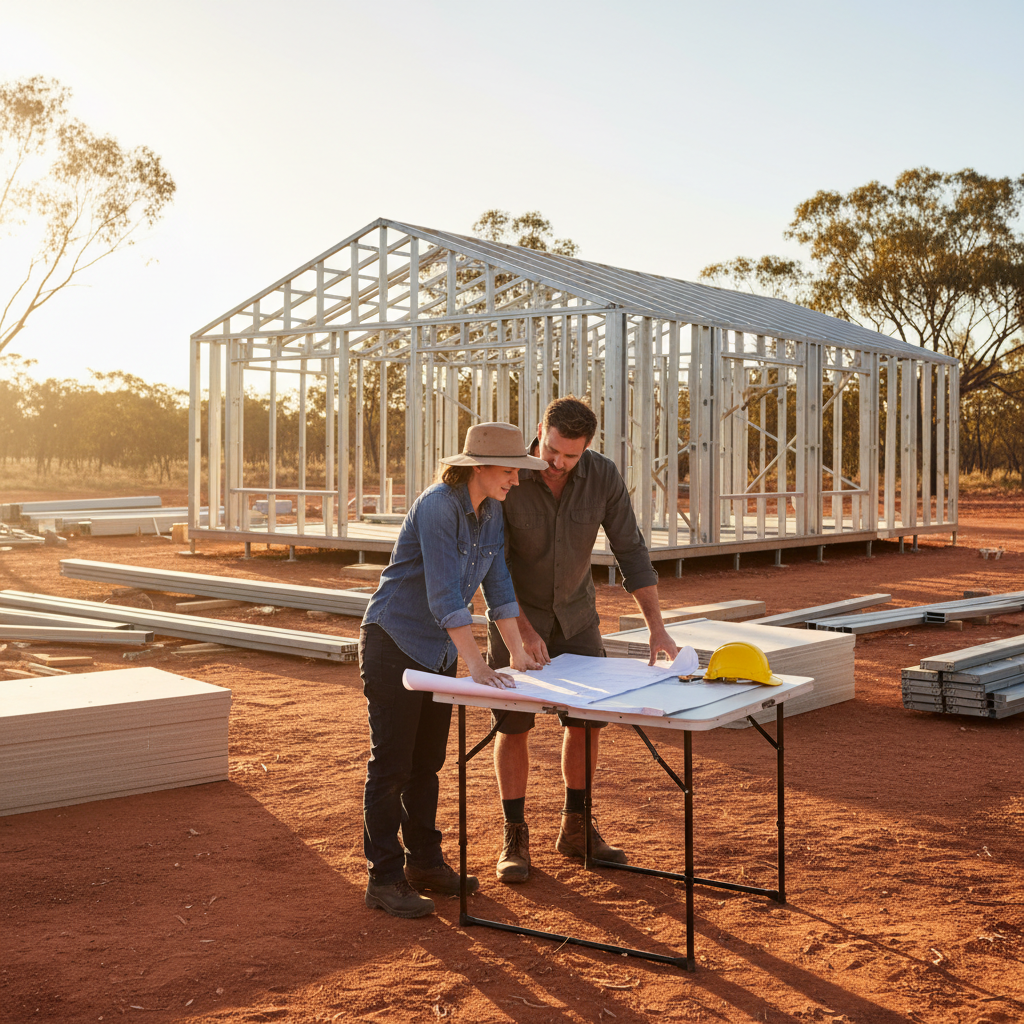
Most people starting out think about timber first because that's what their dad used. But in the context of a secondary dwelling, especially if you're an owner-builder doing it on weekends, steel is the smarter play. We use BlueScope TRUECORE steel for a reason. It's straight. It stays straight. If you've ever tried to line up a long wall with warped pine studs, you'll know the frustration of having to plane back timber just so your plasterboard doesn't look like a mountain range. Steel frames arrive pre-punched for your electrical and plumbing. It saves you days of drilling holes while standing on a ladder. Plus, if you're building in a Bushfire Attack Level (BAL) rated zone, which is half of Australia these days, steel gives you a massive head start on compliance. Termites won't touch it either. Simple as that.
The DA Trap and How to Avoid It
Before you even think about ordering a kit, you need to talk to your local council. Every state has different rules for secondary dwellings. In NSW, the State Environmental Planning Policy (SEPP) can sometimes let you bypass a full Development Application (DA) through Complying Development (CDC) if you meet specific site requirements. But don't assume your backyard fits until you've checked your easements. I saw a bloke in Penrith last year who bought a kit before checking the sewer main location. Turns out, he had a massive Sydney Water pipe running right where he wanted his lounge room. He ended up with a pile of steel in his driveway and nowhere to put it. Get a 149 Certificate. Talk to a private certifier. Do it first. Not second.
Practical Kit Home Tips
When your kit arrives, it's going to be a lot of stuff. It’s overwhelming. You'll have bundles of frames, stacks of cladding, rolls of insulation, and more screws than you’ve ever seen. Here’s how you handle it:
- Clear the deck. You need a flat, dry spot for your delivery. If that steel sits in long grass for three weeks, you're asking for trouble. Get some dunnage (timber offcuts) to keep it off the dirt.
- Check the inventory immediately. Don't wait until you're halfway through a wall to realize a window hasn't arrived. Cross-reference the delivery docket with what's on the ground.
- Plastic is your friend. Even though the steel is tough, keep your cladding and doors covered. Rain followed by a scorching Aussie sun can warp things you wouldn't expect.
Managing Your Trades as an Owner-Builder
Building a kit home doesn’t mean you’re doing it all yourself. Unless you’re a licensed sparky or plumber, you aren't touching the wires or the pipes. Fact. The trick to a successful secondary dwelling is the 'Trade Flow'. You need your plumber to do the 'rough-in' before the internal linings go on. If you forget this, you'll be ripping off perfectly good cladding to find a pipe. It sounds obvious, but when you're tired and it’s Sunday afternoon, these things slip through the cracks.
Pro tip: When you hire a plumber or electrician, tell them it's a steel frame kit. Some old-school guys hate working with steel because they haven't updated their drill bits in twenty years. You want trades who are comfortable with it. They should be using plastic grommets in the pre-drilled holes so the wires don't chafe on the steel edges. If they don't know what a grommet is, find someone else.
Design Trends: Small is the New Big
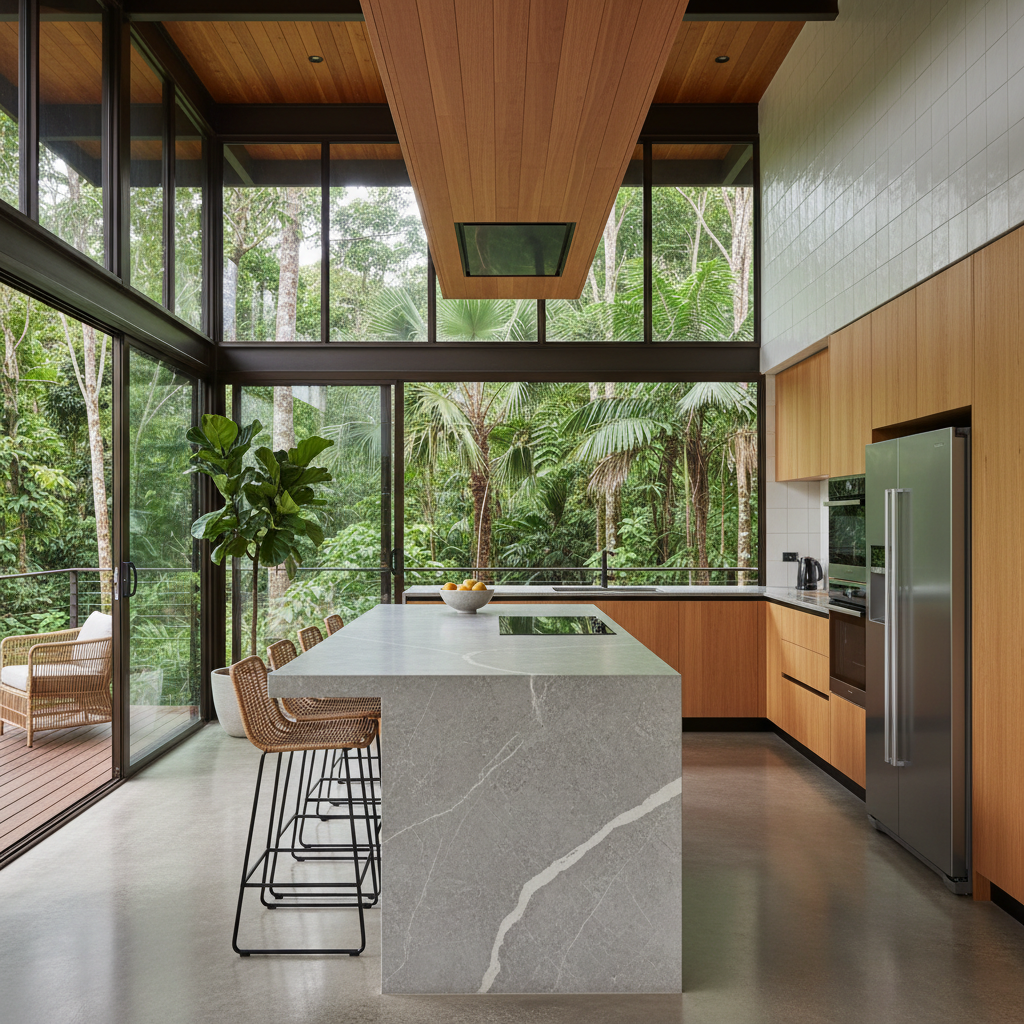
We're seeing a massive move toward high ceilings in granny flats. Because the footprint is smaller, usually capped at 60 square meters in many council areas, you need volume to make it feel livable. Pitching the roof higher or using a skillion design with highlight windows makes a tiny space feel like a cathedral. Also, think about the orientation. If you're building in Victoria, you want those big glass doors facing north to soak up the winter sun. If you're in FNQ, you want deep eaves and cross-ventilation or you'll bake like a potato. We include the windows and doors in our kits, so decide on your orientation before you lock in the plan. You can't just 'flip it' easily once the steel is cut at the factory.
The Insulation Factor
Don't skimp here. Australian summers are brutal. A steel frame building needs a good thermal break. We include insulation in our kits because it's not an optional extra in our climate. It’s a necessity. Use a high-quality sarking under your cladding. It keeps the moisture out and reflects the radiant heat. If you've ever stayed in a cheap 'hot box' flat, you know why this matters. You want a home that stays 22 degrees inside when the bitumen is melting on the road outside. And it helps with the acoustics too. Steel is great, but it can be noisy in a hail storm if you haven't insulated the roof properly.
Why Accuracy Matters
The beauty of a kit home is the precision. When we pack a kit, every piece of steel is cut to the millimeter based on the Australian standards for residential construction (NCC Volume 2). If your concrete slab is 50mm out of square, you're going to have a bad time. I've walked onto sites where the owner-builder thought 'near enough is good enough' for the slab. It isn't. The steel frames won't lie. They are square. Your slab needs to be too. Spend the extra money on a good concretor who knows how to use a laser level. It will save you weeks of headaches later on.
Bottom line: Building a secondary dwelling as a kit home is a massive undertaking, but it’s the most rewarding way to add value to your property. You get a house built with Aussie steel that'll outlast the main residence if you do it right. Just stay organized, keep your site clean, and don't be afraid to ask your suppliers for the technical drawings if something looks wonky. The backyard revolution is here to stay, and honestly, it’s about time we started using our land better.