Build Green, Build Smart: Why Recycled Steel Frames are the Eco-Champion of Australian Kit Homes
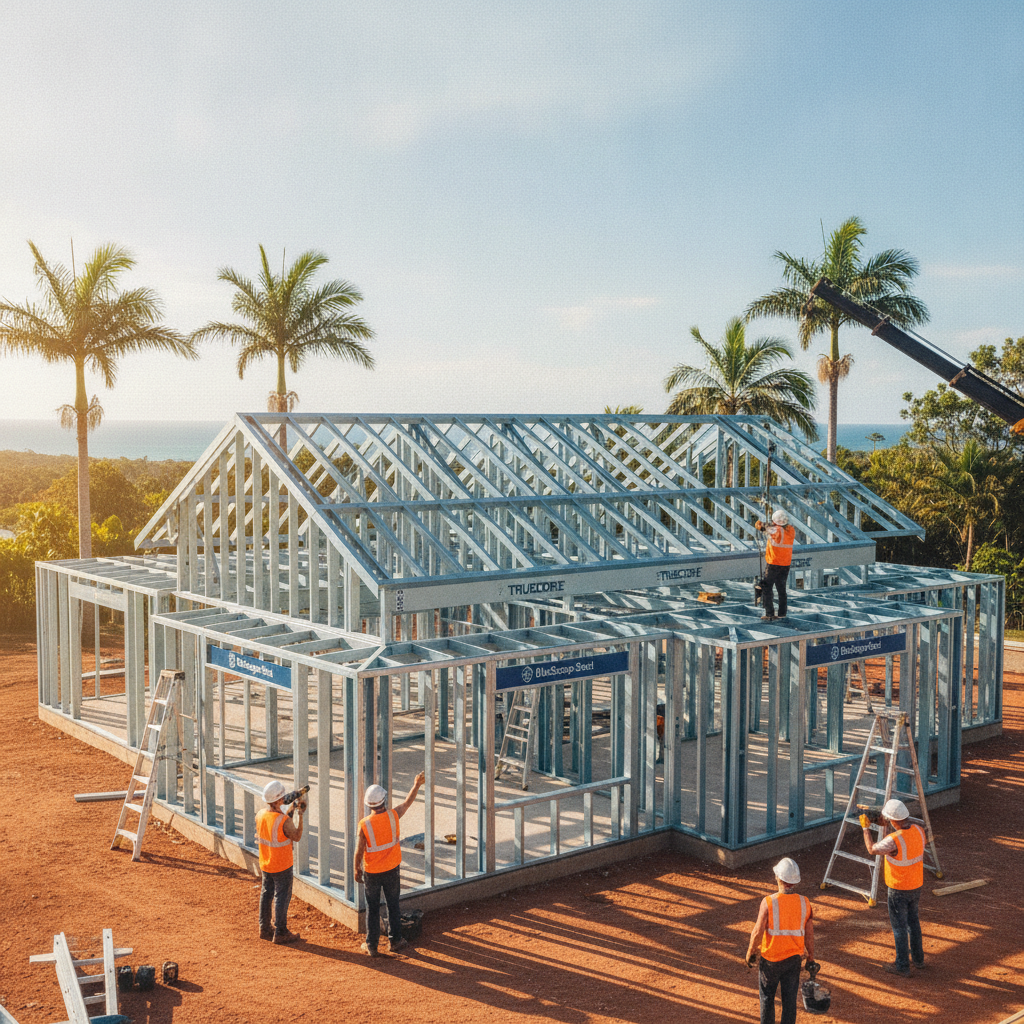
It’s no secret that building a home has an impact on the environment. Every stick of timber, every bag of cement – it all adds up. But if you’re keen on building something that’s not only solid as a rock but also treads a bit lighter on the planet, then a steel frame kit home, especially one made with TRUECORE steel from BlueScope, is an absolute winner. You get the strength, the longevity, and a seriously reduced environmental footprint. It’s not just a trend; it’s genuinely good building practice for Australia.
When most people think 'sustainable building', they usually jump to solar panels or rainwater tanks. And yeah, those are great. But the real heavy lifting for sustainability often starts with the bones of the house itself. The frame. It’s what holds everything up, and it’s where you can make some massive gains in eco-friendliness without even trying that hard, just by making the right material choice up front.
The Raw Deal: Less Mining, More Reusing
See, steel is unique. Unlike timber, which needs forests to be cut down (even if they're replanted, it takes decades), steel – especially the kind used in light gauge framing like TRUECORE – has a significant recycled content. And it’s not just a bit; we’re talking serious numbers. When your frame is made, say, in a BlueScope mill, a good chunk of that material has lived a life before, maybe as a car, an old fridge, or even part of another building. This means less new iron ore being dug out of the ground, less energy used in primary production, and a whole lot less waste piling up in landfill.
Think about it like this: for every tonne of steel that gets recycled and reused, you’re saving a stack of raw materials and energy that would otherwise be needed to make virgin steel. And that’s a big win for Mother Earth, especially when you consider how much steel goes into a typical house frame. You’re not just building a home; you’re participating in a circular economy, keeping valuable materials in use, and cutting down on the demand for brand-new resources.
Closing the Loop: Steel’s Infinite Recyclability
Here’s the kicker with steel, the thing that really separates it from most other building materials: it’s infinitely recyclable. Like, truly infinite. When your steel frame kit home eventually reaches the end of its very long life – and we’re talking 50, 70, 100 years down the track, because these things last – that steel can be pulled out, processed, and turned into something else, again. And again. It doesn’t degrade in quality during recycling, not like some other materials do. That’s a powerful advantage.
We’re talking about a material that stays in the resource loop forever. Imagine the environmental benefit when you consider the sheer volume of homes built across Australia every year. If every one of those was framed with recyclable steel, the long-term waste reduction would be staggering. You’re not just making a good choice for today; you’re setting up future generations with a valuable, reusable resource.
Owner-Builder Tip: Look for the Good Stuff
When you’re spec’ing out your kit home, don’t just ask if it’s ‘steel frame’. Ask about the brand. Ask if it’s BlueScope TRUECORE steel. You want to know that you’re getting Australian-made, high-quality material from a company with a genuine commitment to sustainability in their manufacturing processes. It makes a difference.
Energy Efficiency & Waste Reduction on Site
Beyond the raw material, there are other environmental perks to steel frame kit homes. Firstly, because the frames are precision-engineered and cut to exact lengths in a factory, you get way less waste on site. Ever seen a timber frame build? There are always piles of offcuts. With steel, it’s minimal. Less rubbish in the skip, less going to landfill, less energy for transportation of that waste. It all counts.
Also, the thermal performance. Steel is a good conductor, sure, but with modern insulation techniques – and our kits include insulation – you can achieve excellent energy efficiency. The straightness and stability of steel frames mean insulation fits snugger, without gaps or compressions that create thermal bridges. This translates to less energy needed to heat or cool your home, which means lower power bills and a smaller carbon footprint over the life of the building.
Think about a sweltering summer in regional Queensland or a freezing winter night in Tassie. A well-insulated steel frame home, combined with good design and orientation, will simply perform better, using less juice from the grid. And that’s a tangible, ongoing environmental benefit that hits your hip pocket too.
Durability and Longevity: Building for the Long Haul
A truly sustainable building is one that lasts. And steel frames? They last. They don’t warp, shrink, or rot. They’re impervious to termites, which is a massive win across huge swathes of Australia where those little munchers are a constant headache. No need for chemical treatments that can be nasty for the environment (and your family).
Building something that stands up to the Aussie climate – cyclonic winds, bushfire threats (steel is non-combustible), torrential rains – means you’re not tearing it down or doing major repairs prematurely. The longer a house lasts, the less often new materials are needed for replacement builds. This extended lifespan directly reduces the demand on natural resources over time. It’s an environmental win that often gets overlooked.
Imagine your grandkids living in the same home you built. That’s the kind of legacy a durable steel frame provides. It’s not just a house for now; it’s a home for generations, reducing the resource intensity of housing in the long run.
Kit Home Tips: Planning Your Eco-Friendly Build
- Do Your Homework on Materials: Beyond the frame, consider other material choices. Low VOC paints, recycled content cladding (some fibre cement boards have it), and sustainably sourced decking are all good moves.
- Design for Climate: Work with your kit home supplier on a design that maximises passive solar gain in winter and cross-ventilation in summer. Your steel frame is stable, so large openings and efficient window placement are no dramas.
- Water Management: Think about rainwater harvesting from day one. Your roof is a huge collection surface.
- Waste Reduction Strategy: Before you even get started on site, have a plan for waste. Separate your rubbish into recycling bins for metal, cardboard, and general waste. Many council tips have dedicated areas for different materials.
- Local Sourcing: Where possible, try to source your fit-out materials (tiles, flooring, fixtures) from Australian manufacturers. Less transport, smaller carbon footprint.
Owner-Builder Tips: Green Building on the Ground
As an owner-builder, you’ve got a unique opportunity to directly influence the environmental footprint of your project. You’re not just calling the shots; you’re the boots on the ground making it happen. So, here are a few things you can directly manage:
- Site Preservation: Before you start digging, protect existing trees and vegetation you want to keep. Erosion control measures are not just for compliance; they stop soil and sediment washing into local waterways.
- Minimise Concrete: While a slab is usually essential for kit homes, look for opportunities to minimise its size or consider options like polished concrete floors to reduce the need for additional flooring materials.
- Smart Energy Use on Site: Turn off lights and tools when not in use. If you’re running a generator, make sure it’s a fuel-efficient model. Every litre of diesel saved helps.
- Learn About Your Materials: Understand what goes into your kit. If you know your frames are TRUECORE steel, you can proudly tell anyone who asks that it’s a responsible, recyclable choice.
- Think Beyond the Build: Consider what happens after you move in. Plan for composting, veggie gardens, and water-wise landscaping. Your home is part of a bigger ecosystem.
The Future is Steel
Building a home is a big deal, one of the biggest investments most Aussies will ever make. So, choosing a material that performs brilliantly, stands the test of time, and is kind to our unique Australian environment just makes good sense. Steel frame kit homes, especially those built with top-grade Australian steel like TRUECORE, aren’t just a smart choice for strength and speed of build; they’re a profoundly sustainable choice. You’re building a home that’s designed for the future, not just for now. And that, I reckon, is something to be genuinely proud of. It’s about building smarter, building greener, and leaving something better behind.