Why Sustainable Design Isn't Just for Hippies Anymore
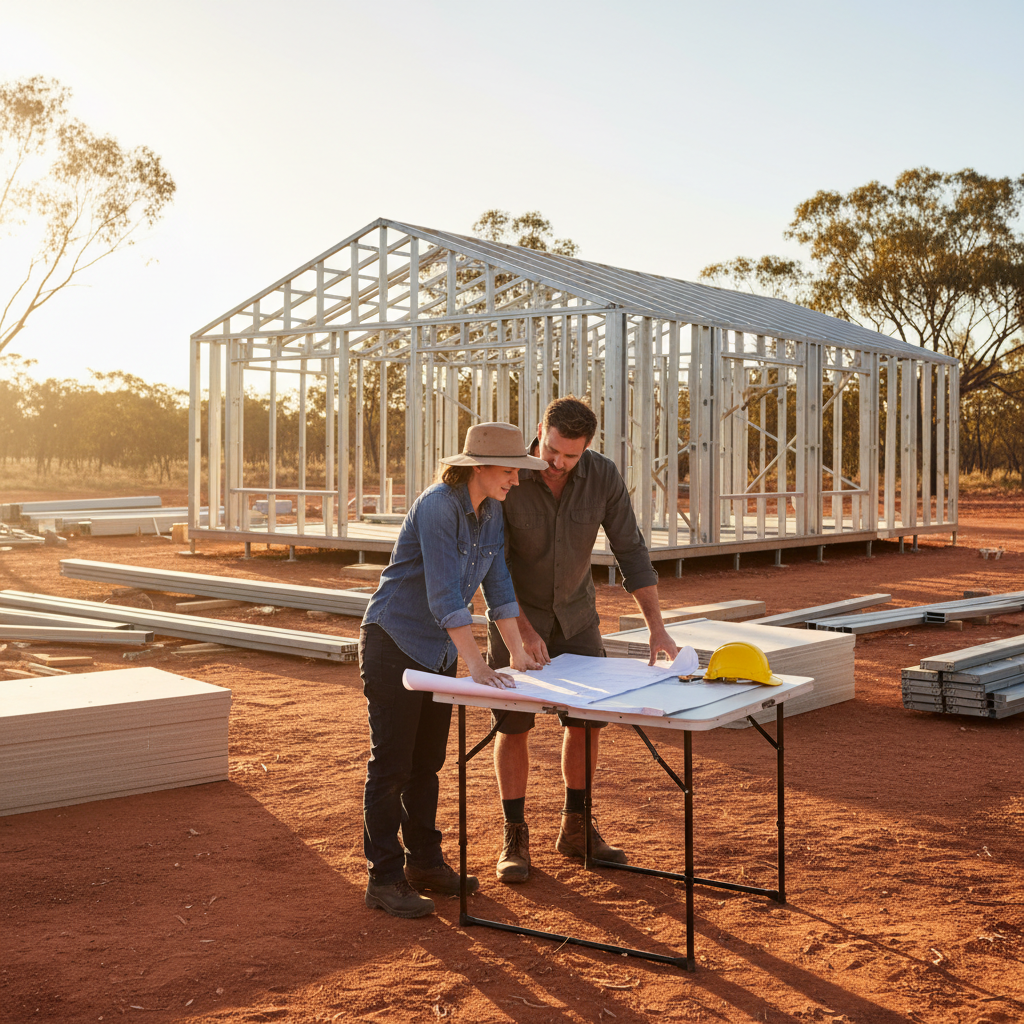
Walk onto any building site in country Victoria or the NSW coast right now and you'll see the same thing. People are over the massive, energy-sucking McMansions. They want homes that don't cost a fortune to run when the mercury hits forty degrees in January. It's about common sense. When you decide to go down the kit home path, you've got this one-off chance to get the orientation and the footprint right before a single hole is dug for your footings. I've seen too many owner-builders get blinded by the shiny taps and forget that the house is basically a thermal box. If that box is wrong, those taps won't save you from a two-grand electricity bill.
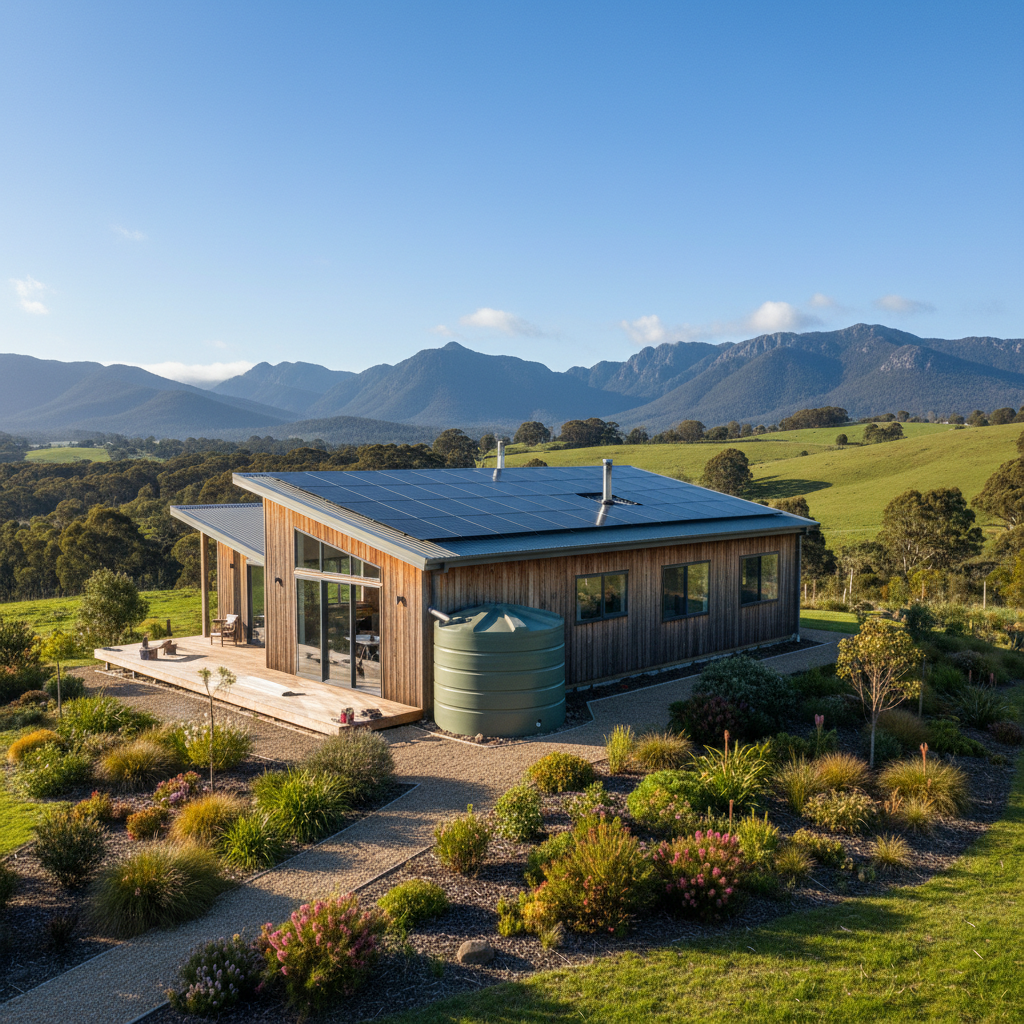
Living sustainably isn't just about sticking a slimline rainwater tank around the back and calling it a day. It starts with how the house sits on your dirt. If you're building a steel-framed kit, you've already got a massive advantage because steel doesn't warp or twist over time, meaning your seals stay tight and your windows don't start leaking air three years in. But you've got to be smart about how you use that frame.
Orientation: The Free Heater in Your Ceiling
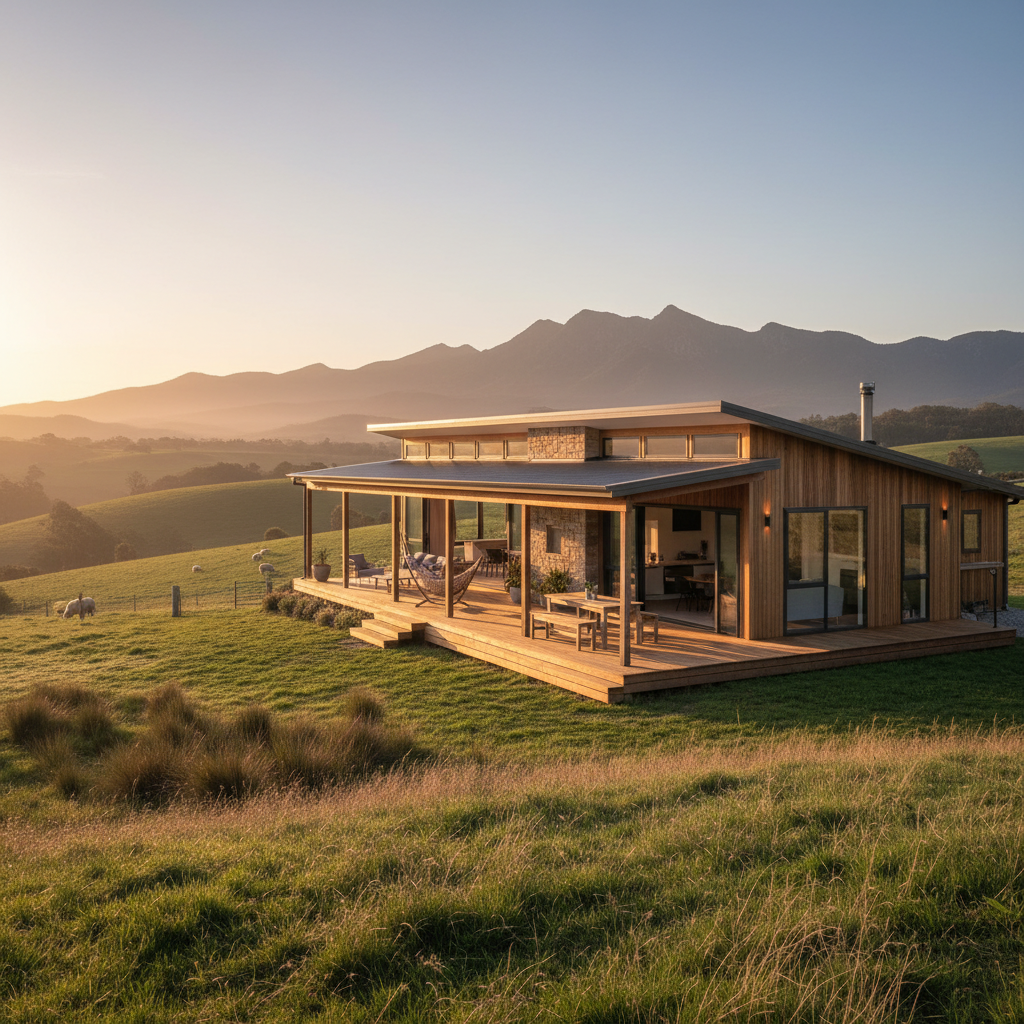
North is your best friend. Seriously. If you've got your main living area facing south, you've failed before you even started. In the southern hemisphere, we want that low winter sun screaming into the house to heat up the floor, but we want to block it out during summer when it's high and nasty. This is where your eaves come into play. A lot of standard designs have skimpy eaves. For a kit home, I always tell people to look at extending those roof lines. A 600mm or even 900mm eave on a north-facing wall can be the difference between a cool lounge room and an oven.
I remember a project out near Dubbo where the owner-builder insisted on flipping the floor plan because he liked the view of the neighbor's paddock better than the sun. Two years later, he was spending a fortune on air-con. Don't be that guy. Use the logic of the site. If the view is south, put a small, well-insulated window there and keep your big glass sliders for the northern side. It's basic physics, really.
Insulation and the Thermal Break Secret
Steel frames are tough. They handle the Australian sun and they don't get eaten by termites, which is a massive win for longevity. But steel is a thermal bridge. That means it likes to move heat from the outside to the inside. When you're putting together your kit, you can't just slap the cladding on and hope for the best. You need a thermal break. This is usually a high-density foam strip or specialized wrap that sits between the TRUECORE steel frame and the external cladding. It stops that heat transfer dead in its tracks.
And don't get me started on bulk insulation. If the NCC Volume 2 says you need R2.5, don't just stop there. Go for R4.0 in the ceiling if you can fit it. It's the cheapest way to make a house feel high-end. A well-insulated house feels quiet. It feels solid. Plus, when you're the owner-builder, shoving a few extra batts in the wall while the frames are open is a Saturday morning job that pays for itself in about two years. Use the Earthwool stuff if you don't want to be itching for three days straight afterwards.
The Lifestyle of Less: Small Footprints and Clever Spaces
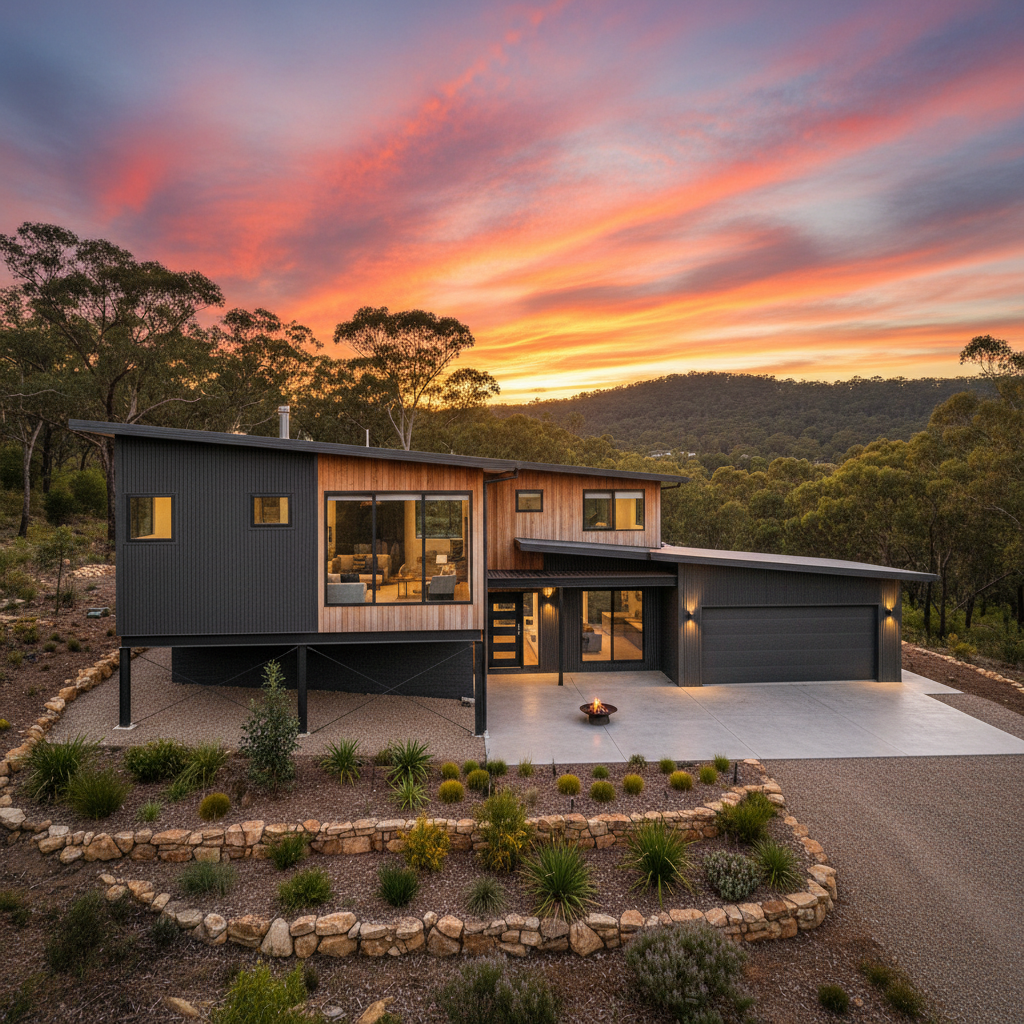
The Australian lifestyle is changing. We don't need five bedrooms and three formal dining areas anymore. Modern kit home design is leaning towards smaller, smarter footprints. Why? Because a smaller house is easier to clean, cheaper to heat, and leaves more money for the things you actually want to do, like heading out for a weekend at the beach or finally buying that boat.
Think about 'zones'. If you've got kids, put their rooms at one end with a sliding door you can close off. That way, you're not heating the whole wing of the house when they're at school or gone for the weekend. High ceilings are another trick. They make a small room feel massive. Using a kit with a raked ceiling in the main living area gives you that architectural feel without the architectural price tag. It also lets the hot air rise, which you can then flush out with some cleverly placed louvre windows high up on the wall.
Owner-Builder Pro Tip: Cross Ventilation
Windows aren't just for looking out of. They're your lungs. When you're looking at your kit plans, check if the windows are aligned. You want the breeze to come in one side and have a clear path out the other. If the air gets stuck in a corner, it gets stale and hot. It's called the Venturi effect. Basically, you want a small opening on the windward side and a slightly larger one on the leeward side to suck the air through. It’s better than any ceiling fan you’ll ever buy at Bunnings.
Sustainable Materials and Longevity
Sustainability is also about how long things last. If you build a house out of cheap materials that rot or need painting every five years, that's not sustainable. That's a waste of resources. Using BlueScope steel means you're using a material that is 100% recyclable at the end of its life, which might be a hundred years from now. It won't rot, warp, or sag. Pair that with some decent Colorbond roofing and you've got a shell that can handle the Australian bush.
Inside, look at things like polished concrete floors. They look great in a modern design, but more importantly, they act as thermal mass. They soak up the sun in winter and stay cool under your feet in summer. If you're on a sub-floor with a kit, look at using Scyon Secura flooring where you can tile over it or even lay a thin screed for that concrete look. It’s all about layering those smart choices.
The Reality of Passive Design
You don't need a degree in environmental science to get this stuff right. You just need to be observant. Look at where the shadows fall on your block at 3pm in June. That's where you don't want your solar panels. Look at where the prevailing wind comes from in the arvo. That's where you want your louvres.
Building a kit home gives you the control that a volume builder usually takes away. You can choose the high-spec double glazing. You can insist on the better vapor barrier. You're the one on-site making sure the insulation is tucked into the corners properly, not some subbie who's trying to get home for the footy. That attention to detail is the difference between a house that's okay and a house that's a joy to live in.
So, when you're looking at those floor plans, don't just look at where the fridge goes. Look at the sun. Look at the wind. Choose a steel-frame kit that gives you the bones to build something that'll last. It's a big project, no doubt about it, but getting the design right on day one makes the next fifty years a whole lot easier.