Build Your Dream: The Ultimate Guide to Kit Homes in Australia (Steel Frame Edition)
The Australian dream of homeownership is evolving. As traditional construction costs soar and housing supply remains tight, a growing number of Australians are looking toward an innovative, cost-effective, and surprisingly flexible alternative: kit homes. Specifically, steel-framed kit homes have emerged as the gold standard for owner-builders and savvy renovators across the country.
Whether you’re looking to build a remote bush retreat, a secondary dwelling (granny flat) for extended family, or a sprawling master-built family residence, understanding the mechanics of the Australian kit home market is essential. In this comprehensive guide, we’ll explore why steel is king, how the process works, and how you can navigate the path to building your own home.
What is a Kit Home?
At its core, a kit home is a residential dwelling where the major components are prefabricated in a factory environment and delivered to your building site in a flat-pack or modular format. Unlike traditional 'stick-built' homes, where timber is cut to length on-site, a kit home arrives with a precise inventory of parts and a set of comprehensive assembly instructions.
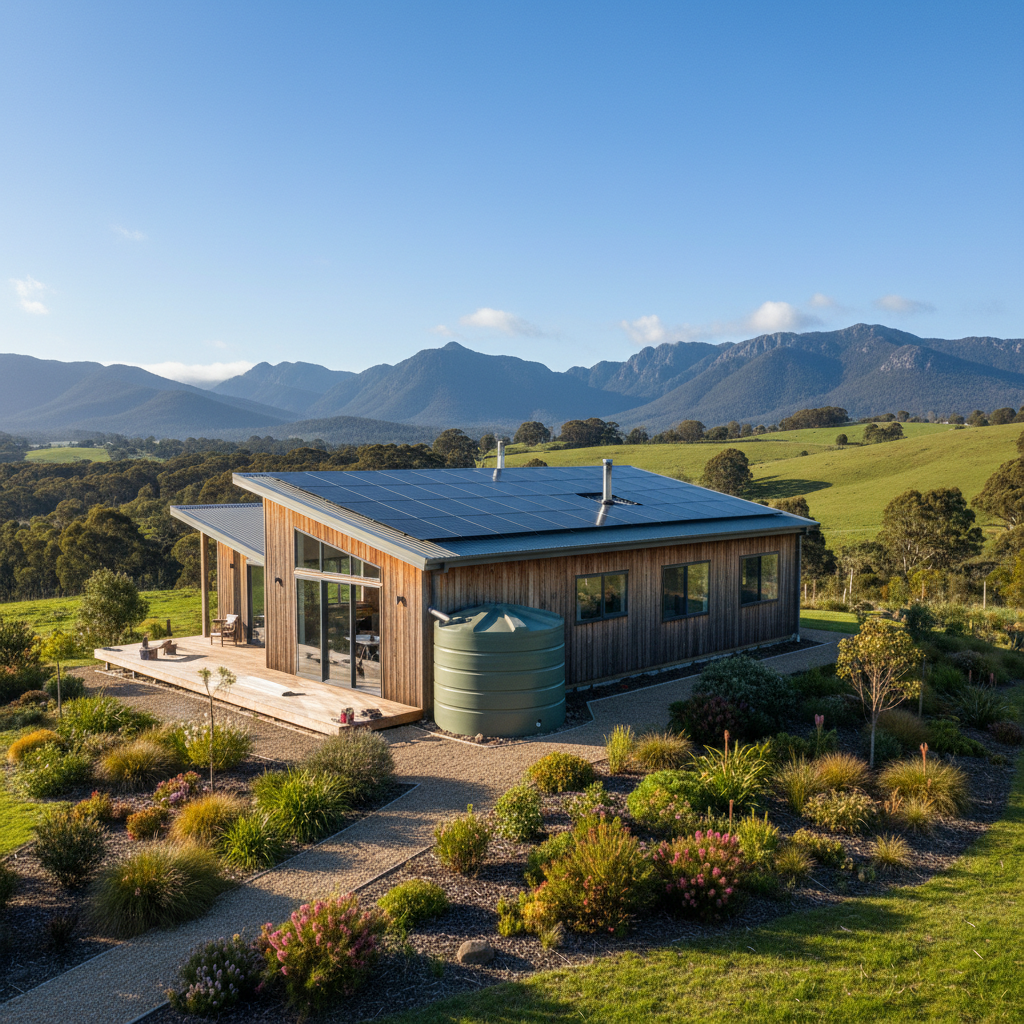
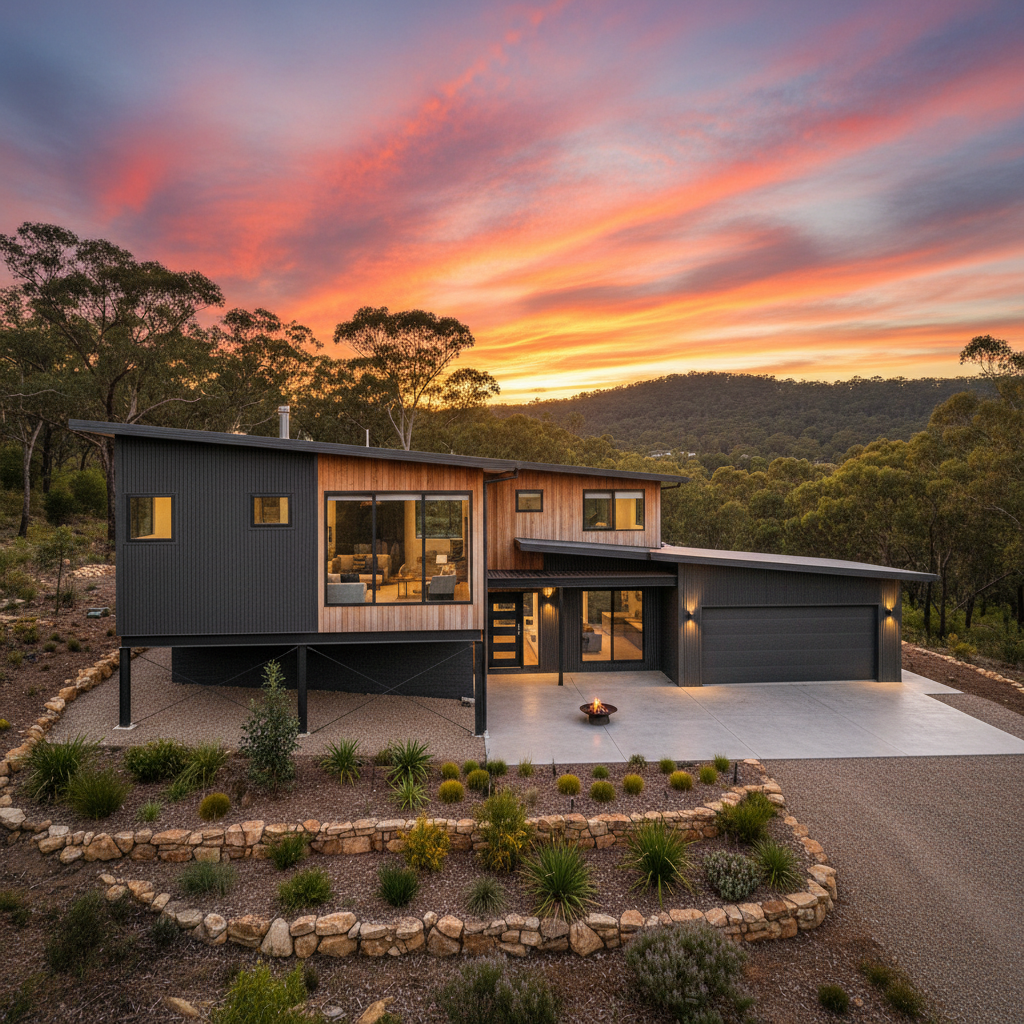
In Australia, the modern kit home has moved far beyond the basic 'shack' designs of the past. Today's kits feature high-end architectural designs, energy-efficient materials, and premium finishes that are indistinguishable from traditionally built homes once completed.
The Strength of Steel: Why Choose a Steel Frame?
When selecting a kit home in Australia, the choice of framing material is arguably your most important decision. While timber has been the traditional choice, TrueCore® steel and light-gauge steel framing have become the preferred options for several compelling reasons:
1. Termite Proof and Pest Resistant
Australia is home to some of the most destructive termites in the world. Steel is naturally 100% termite-proof. Choosing a steel frame eliminates the need for ongoing chemical treatments and provides peace of mind that your home’s structural integrity will never be compromised by wood-boring pests.
2. Precision Engineering
Steel frames are manufactured using advanced CAD (Computer-Aided Design) software and CNC machinery. This means every stud, plate, and noggin is accurate to the millimetre. Unlike timber, steel won’t warp, twist, or shrink over time, resulting in perfectly straight walls and square corners.
3. Fire Resistance
Working with the Australian landscape means considering bushfire risks. Steel is non-combustible. While a steel frame alone doesn't make a home 'fireproof' (you still need appropriate cladding and glazing), it does not contribute fuel to a fire, making it a superior choice for BAL (Bushfire Attack Level) rated zones.
4. Lightweight and Sustainable
Steel has an impressive strength-to-weight ratio. This makes it easier to transport to remote Australian locations and easier to handle on-site. Furthermore, steel is one of the most recycled materials on the planet, making it an eco-conscious choice for the modern builder.
The Kit Home Process: From Slab to Structure
Building a kit home is a journey involving several key stages. Understanding these steps will help you manage your timeline and budget effectively.
Phase 1: Design and Council Approval
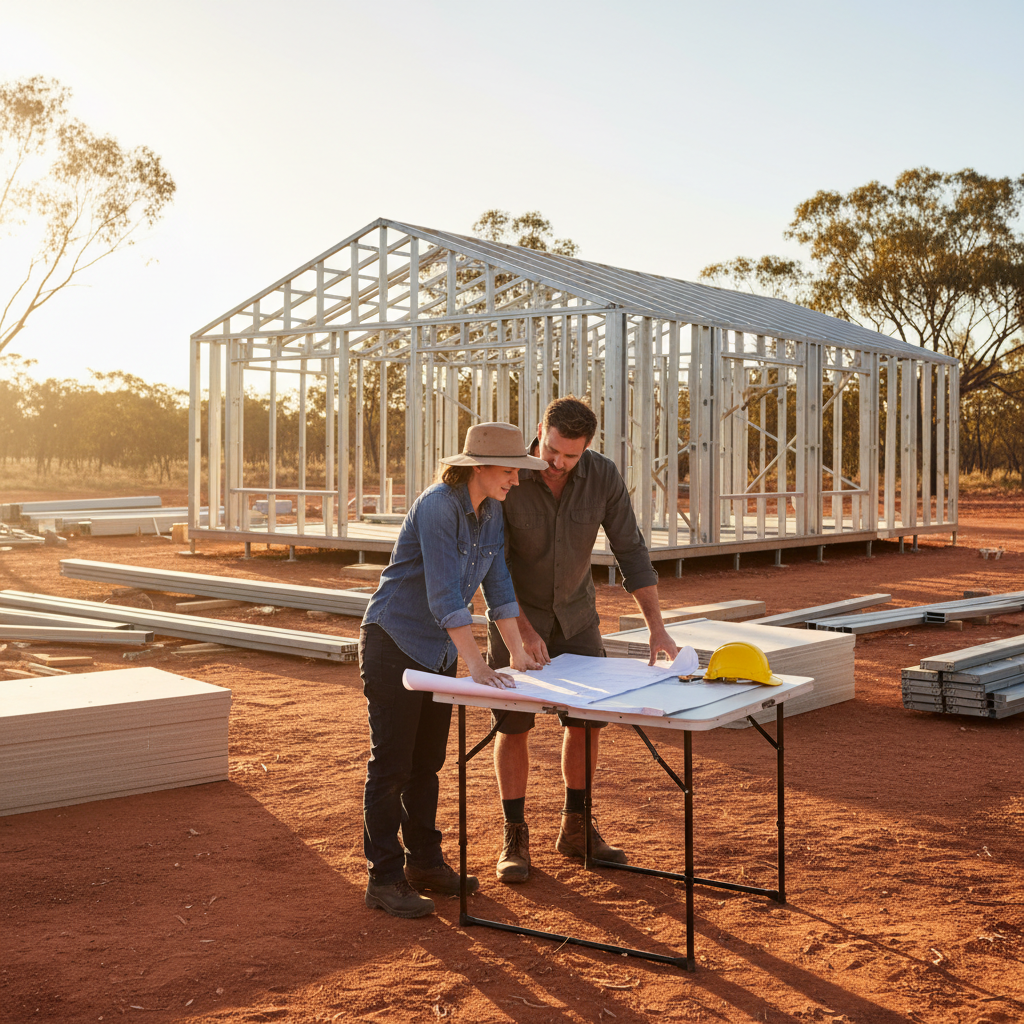
Your journey begins with selecting a floor plan. Most Australian kit home providers offer a range of standard designs that can be customized. Once you’ve settled on a design, you’ll need to seek Development Application (DA) or Complying Development Certificate (CDC) approval from your local council. This involves soil tests, site surveys, and engineering certifications-most of which your kit provider can assist with.
Phase 2: Site Preparation and Foundations
While your kit is being manufactured in the factory, you’ll prepare your site. This includes earthworks and the installation of your foundation-usually a concrete slab or a raised steel flooring system (ideal for sloping blocks).
Phase 3: Delivery and Frame Assembly
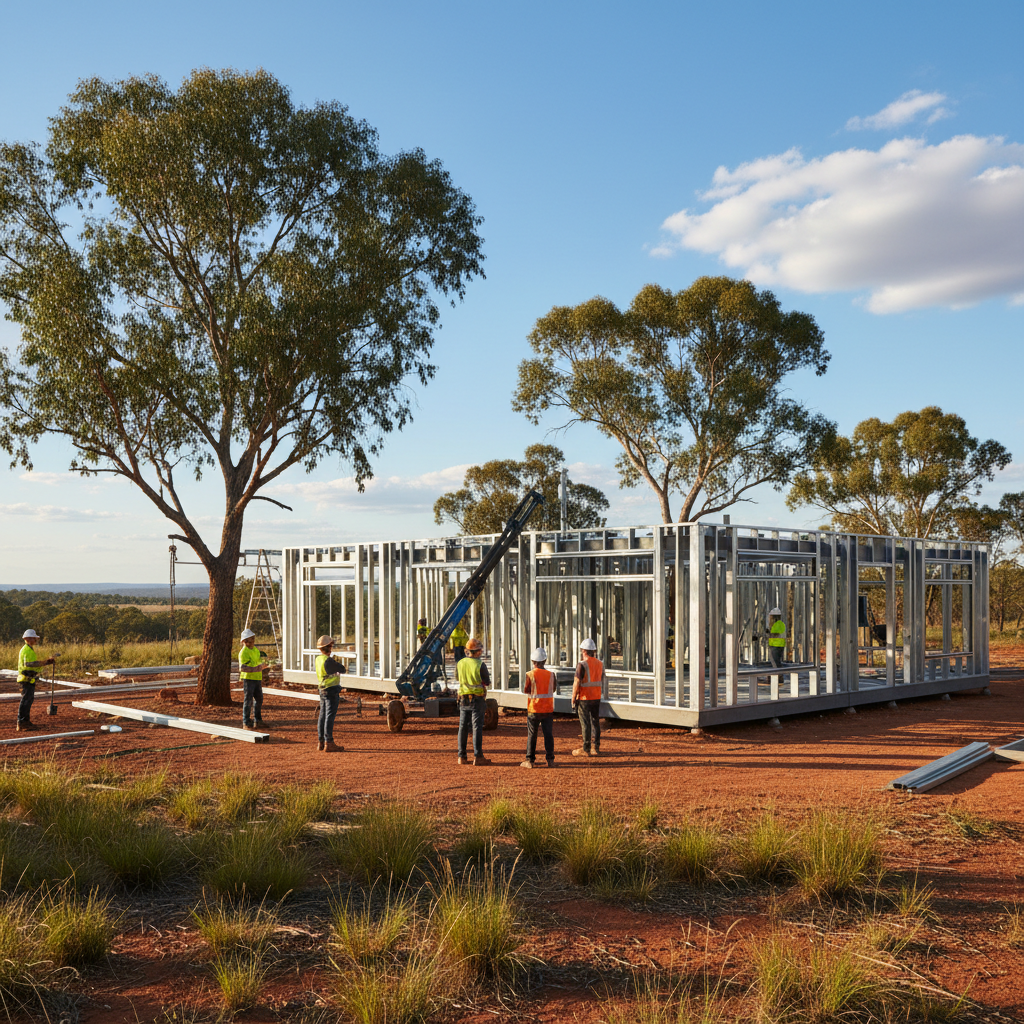
The 'kit' arrives on-site. For a steel-frame home, the frames often arrive pre-assembled or in easy-to-manage panels. Using the provided layouts, the wall frames and roof trusses are bolted together and secured to the foundation. This stage is remarkably fast, often taking just a few days for a small to medium-sized home.
Phase 4: Lock-up and Fit-out
Once the frame is up, you move to 'lock-up' stage. This involves installing windows, external doors, roofing, and cladding. From here, internal trades (electricians, plumbers, plasterers) take over to complete the interior of the home.
Critical Tips for Kit Home Buyers in Australia
If you’re considering taking the plunge into the world of kit homes, keep these practical tips in mind:
- Check What’s Included: Not all kits are created equal. Some providers only supply the 'shell' (frame, roof, and walls), while others offer 'full kits' including kitchens, bathrooms, and floor coverings. Always read the inclusions list carefully.
- Owner-Builder vs. Licensed Builder: You can save significantly by acting as an owner-builder, but this requires obtaining an Owner-Builder permit and managing the project yourself. If you aren't confident, you can hire a licensed builder to assemble the kit for you.
- The 'Hidden' Costs: Remember that the kit price usually doesn't include council fees, utility connections (water, power, sewage), site excavation, or the cost of the concrete slab. Always keep a contingency fund of at least 15%.
- Transport Logistics: Australia is vast. Ensure your kit provider can deliver to your specific location and check if there are additional delivery fees for regional or remote sites.
Energy Efficiency and the Australian Climate
The versatility of steel-framed kit homes allows for excellent energy efficiency ratings. By incorporating passive solar design-positioning windows to catch the winter sun while shading them in summer-you can significantly reduce your running costs. High-quality insulation is vital; when combined with a steel frame, reflective sarking and bulk insulation create a thermal barrier that keeps your home comfortable from the tropical Top End to the chilly highlands of Tasmania.
Financing Your Kit Home
It is important to note that financing a kit home can be slightly different from a standard mortgage. Most Australian lenders will not release the full loan amount upfront. Instead, they use a 'Progressive Drawdown' schedule, where funds are released as specific milestones are reached (e.g., slab poured, frame erected, lock-up). Speak with a mortgage broker who specialises in construction loans to ensure your financing aligns with your supplier's payment terms.
Conclusion: Is a Kit Home Right for You?
Building a kit home is a rewarding way to break into the Australian property market or create a bespoke lifestyle property. By opting for a steel-framed kit, you are investing in a structure that is durable, precise, and perfectly suited to the harsh Australian environment.
While it requires careful planning, diligent research, and a bit of 'sweat equity,' the result is a high-quality, modern home that you can truly call your own. The era of the kit home has arrived, and it’s stronger and more stylish than ever before.
Ready to start your building journey? Research local Australian suppliers today and discover the freedom of building high-quality steel-frame kit homes.