Build Your Dream: The Ultimate Guide to Steel Frame Kit Homes in Australia
The Australian dream of homeownership is evolving. As traditional construction costs soar and housing supply remains tight, a growing number of Aussies are looking toward an innovative, cost-effective, and high-quality alternative: the kit home. Specifically, steel frame kit homes have emerged as the gold standard for durability and ease of assembly in the harsh Australian climate.
Whether you are looking to build a remote bush retreat, a secondary dwelling (granny flat) for family, or a spacious family residence on a suburban block, understanding the nuances of the kit home market is essential. In this comprehensive guide, we explore why steel is king, the legalities of owner-building, and how you can save thousands while creating a home that lasts a lifetime.
What is a Kit Home?
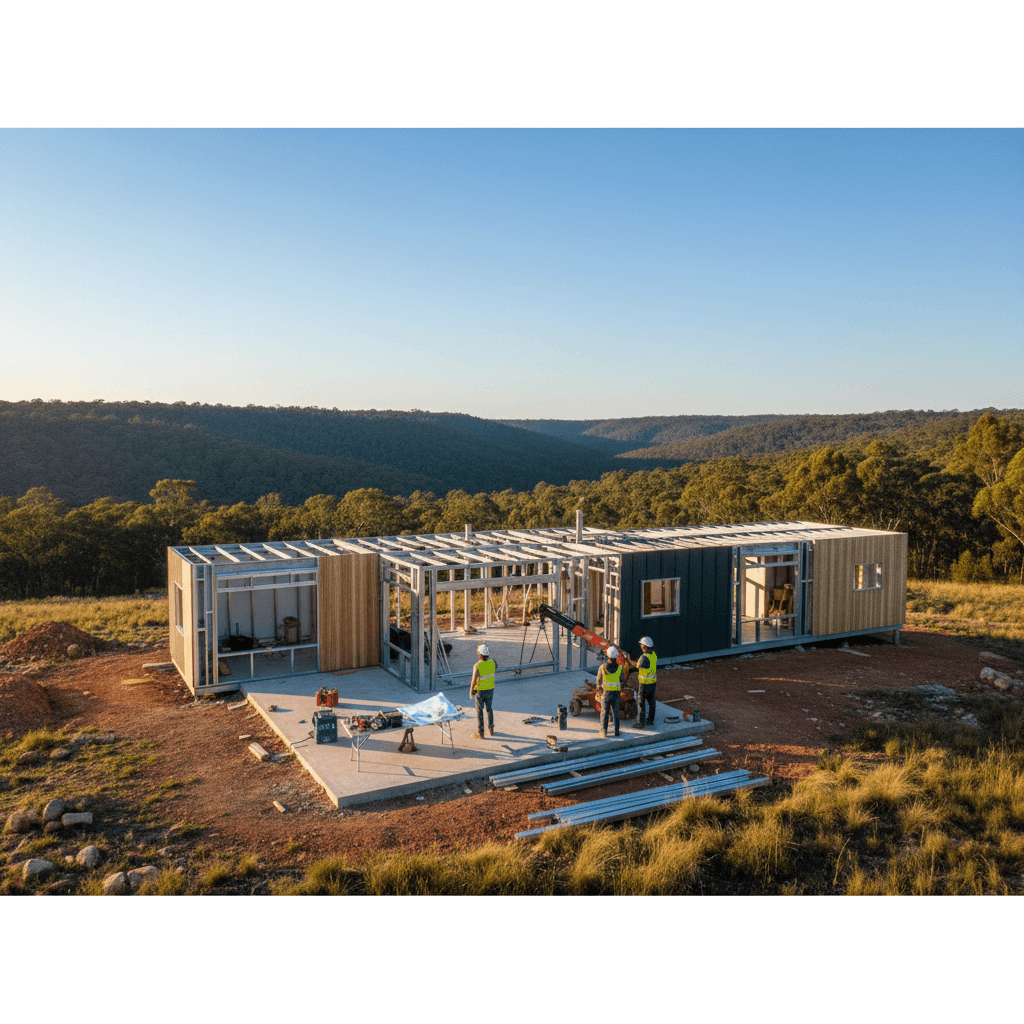
In simple terms, a kit home is a house where the components are manufactured off-site and delivered to your property in a package, ready for assembly. Unlike modular homes, which are delivered in pre-built sections, a kit home arrives as a collection of parts-much like a giant LEGO set for adults.
In the Australian market, modern kit homes have moved far beyond the basic 'shacks' of the past. Today, they feature architecturally designed layouts, high-end finishes, and-most importantly-advanced steel framing systems that offer precision engineering.
Why Choose Steel Frame Construction?
When selecting a kit home, the choice usually comes down to timber versus steel. While timber has its place, steel frame construction offers several distinct advantages tailored to the Australian environment.
1. Termite Proof and Pest Resistant
Termites are a significant threat to Australian properties, causing millions of dollars in damage every year. Steel is naturally termite-proof. By choosing a steel-framed kit home, you eliminate the need for ongoing chemical treatments to the structure, giving you peace of mind and reducing long-term maintenance costs.
2. Fire Resistance and Safety
With many kit homes being built in rural or semi-rural areas, bushfire safety is a paramount concern. Steel is non-combustible. While no house is entirely 'fireproof,' a steel frame will not contribute fuel to a fire, providing a more resilient skeleton for your home in high-risk BAL (Bushfire Attack Level) zones.
3. Straight Walls and Structural Integrity
Steel doesn’t warp, twist, or shrink over time. Timber can move as it dries out or reacts to humidity, leading to 'nail pops' in plasterboard and sticking doors. Steel frames are precision-engineered to the millimetre. This ensures that your walls stay straight and your finishes remain crisp for decades.
4. Lightweight and Easy to Handle
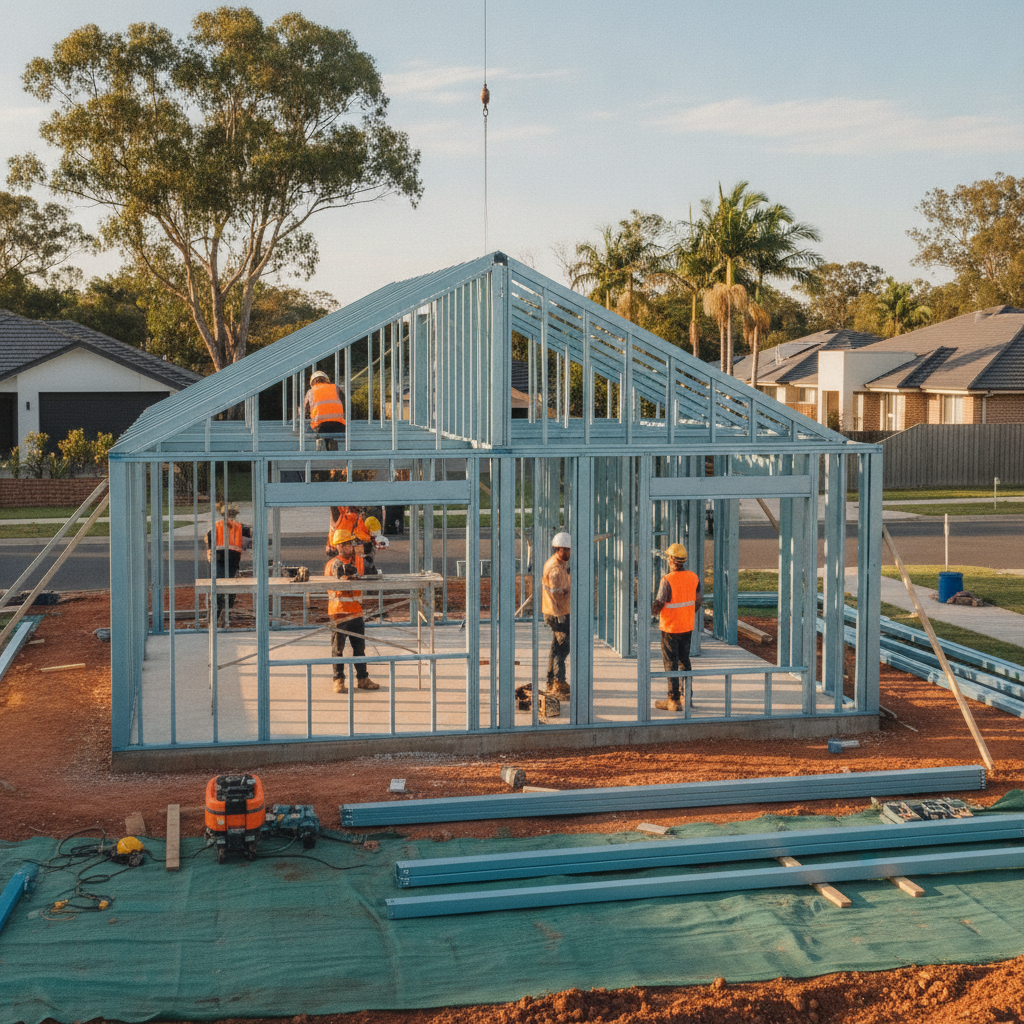
Modern high-tensile steel frames (like TRUECORE® steel) are incredibly light compared to traditional hardwood. This makes them easier to transport to remote sites and less physically demanding for owner-builders to move and fix into place.
The Financial Benefits: Is a Kit Home Cheaper?
The short answer is yes-but with a caveat. A kit home can save you anywhere from 20% to 40% compared to a traditional build, primarily through sweat equity. By managing the project yourself or performing some of the labour, you bypass the high overheads and margins charged by volume builders.
Where the savings come from:
- Lower Labour Costs: By acting as an owner-builder, you control the sub-contractors (plumbers, electricians) directly.
- Fixed Packaging: Most kit home providers offer a fixed price for the components, protecting you from some of the material price hikes common in the broader construction industry.
- Speed of Construction: Because the frames are pre-punched and ready to bolt together, the 'lock-up' stage is reached much faster, reducing interest costs on construction loans.
Navigating the Process: From Council Approval to Lock-Up
Building a kit home in Australia requires careful planning. You cannot simply buy a kit and start bolting it together the next day. Here is a simplified roadmap:
Phase 1: Design and Council (DA/CC)
Before purchasing your kit, you need Council approval. You will need to submit a Development Application (DA) or seek a Complying Development Certificate (CDC). Your kit provider should supply the necessary architectural plans and engineering certifications (like the Form 15 in Queensland) to assist with this process.
Phase 2: The Owner-Builder Permit
If you intend to manage the build yourself, most Australian states require you to complete a short course to obtain an Owner-Builder Permit. This ensures you understand your legal obligations regarding site safety (White Card), insurance, and construction standards.
Phase 3: Site Preparation and Slab
While your kit is being manufactured, you’ll need to prepare your site. This involves earthworks and laying the foundation-usually a concrete slab or a steel floor system on piers. Steel floor systems are particularly popular for sloping blocks where traditional slabs would be too expensive.
Phase 4: Assembly and Lock-Up
Once the kit arrives, the frame is erected. With steel kits, the components are usually numbered and come with detailed instruction manuals. After the frame is up, you’ll install the roofing, windows, and external cladding. Once the building is weather-tight, you have reached 'lock-up' stage.
Practical Tips for Kit Home Buyers
To ensure your project runs smoothly, keep these professional tips in mind:
Check What’s Included (and What’s Not)
Not all 'kits' are created equal. Some consist only of the steel frame and external shell. Others include internal linings, kitchens, and bathrooms. Always ask for a detailed inclusions list. Common exclusions usually include PC items (taps, toilets), floor coverings, and the actual electrical/plumbing labour.
Consider Logistics
Can a large semi-trailer access your property? If you live on a narrow lane or a steep mountain track, you may need to arrange for smaller delivery vehicles, which can add to the cost. Ensure there is a flat, dry area to store your materials upon delivery.
Hire a Consultant or Skilled Labour
Even if you are an owner-builder, you don't have to do it all. Many people hire a carpenter for a week to help help with the frame, then take over the easier tasks themselves. Remember, by law, you must use licensed professionals for all electrical and plumbing work.
Budget for a Contingency
In construction, surprises happen. Whether it’s hitting rock during excavation or a sudden increase in the price of landscaping, always keep a 10-15% contingency fund in your budget.
Sustainability and Energy Efficiency
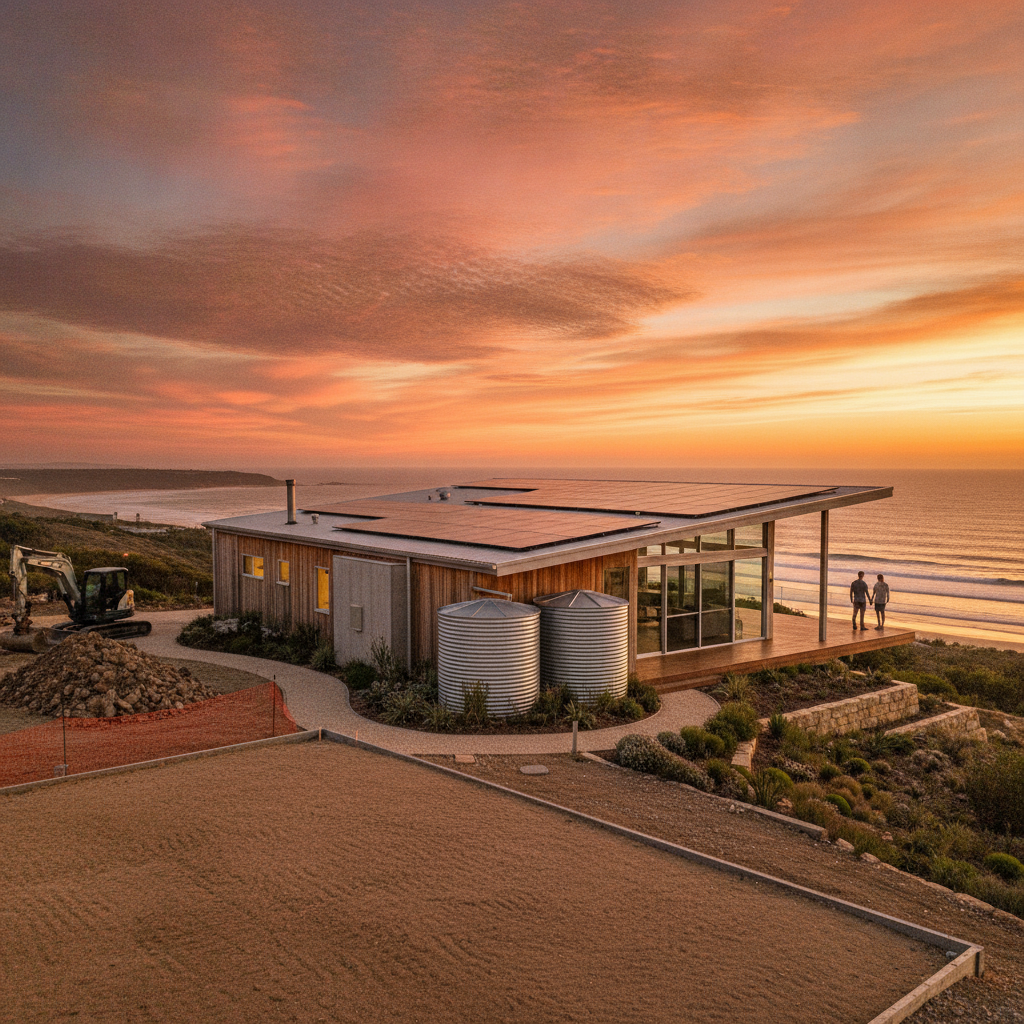
Modern steel kit homes are designed with the 7-star NatHERS energy rating in mind. Steel frames allow for deep wall cavities which can accommodate high-performance insulation. When combined with smart orientation (placing windows to catch the winter sun), a kit home can be incredibly energy-efficient, saving you money on power bills for the life of the home.
Furthermore, steel is 100% recyclable, making it a more environmentally conscious choice than some many traditional building materials that end up in landfill during the renovation or demolition process.
Conclusion
Choosing a steel frame kit home is an empowering way to break into the Australian property market. It offers a unique blend of architectural flexibility, structural resilience, and financial control. While the journey of an owner-builder requires patience and diligence, the reward is a high-quality, custom-built home tailored perfectly to your lifestyle.
Ready to start your journey? Start by browsing floor plans, talking to reputable Australian kit providers, and checking your local council’s zoning requirements. Your dream home might be closer-and more affordable-than you think.