The Evolution of Sustainable Building in Australia
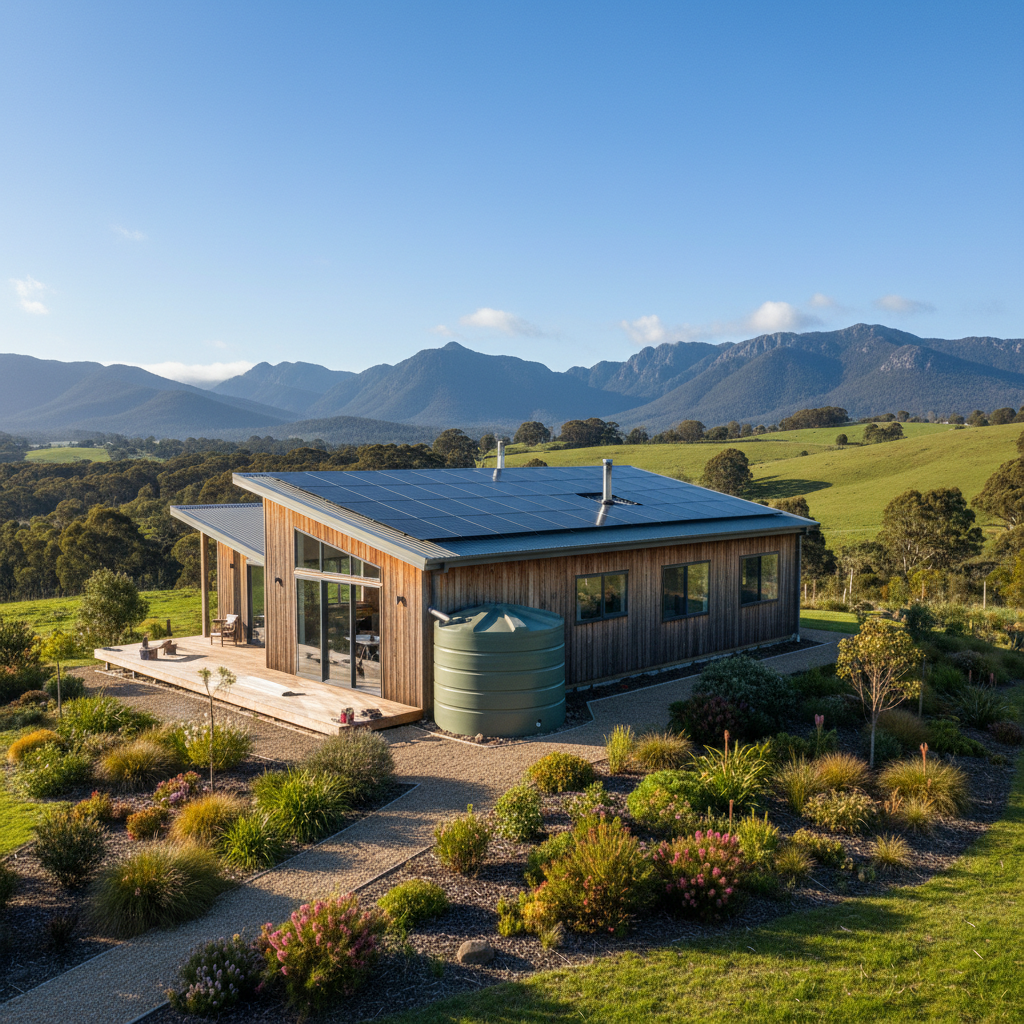
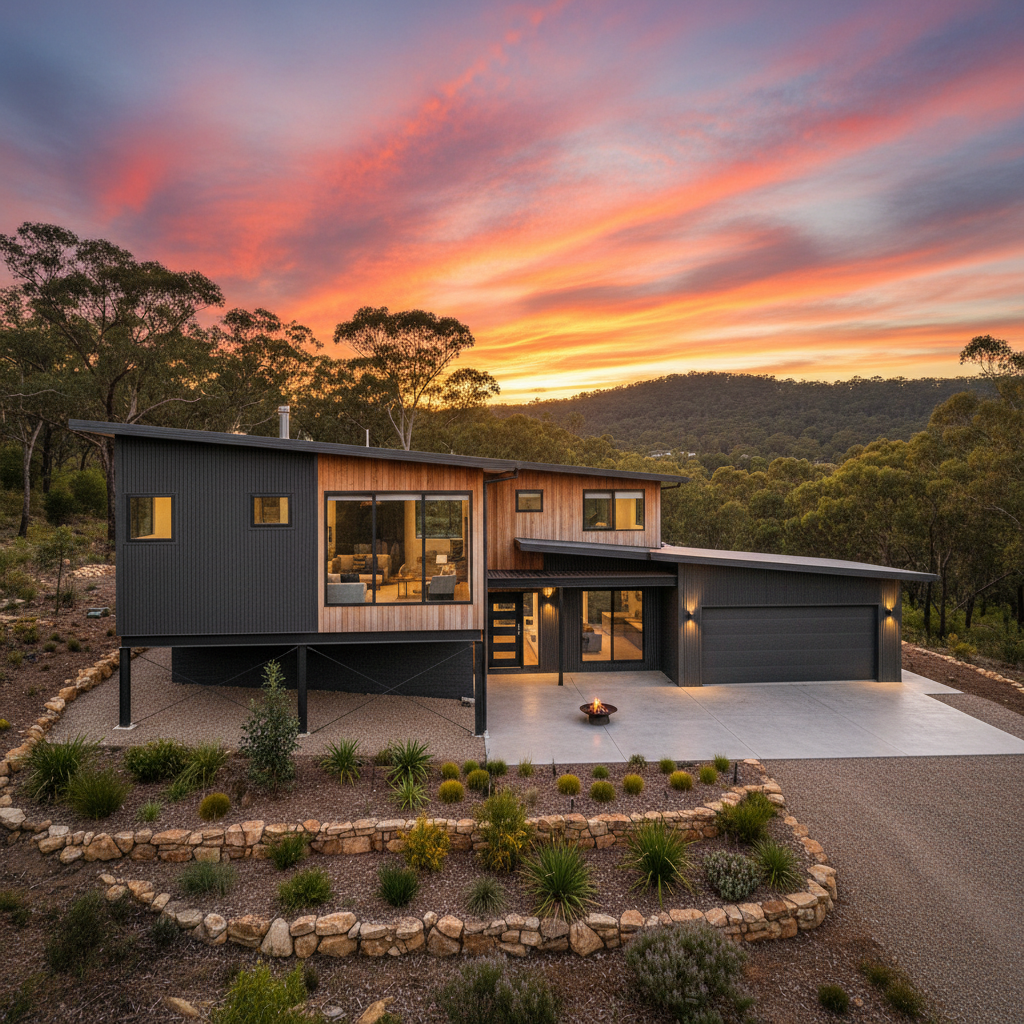
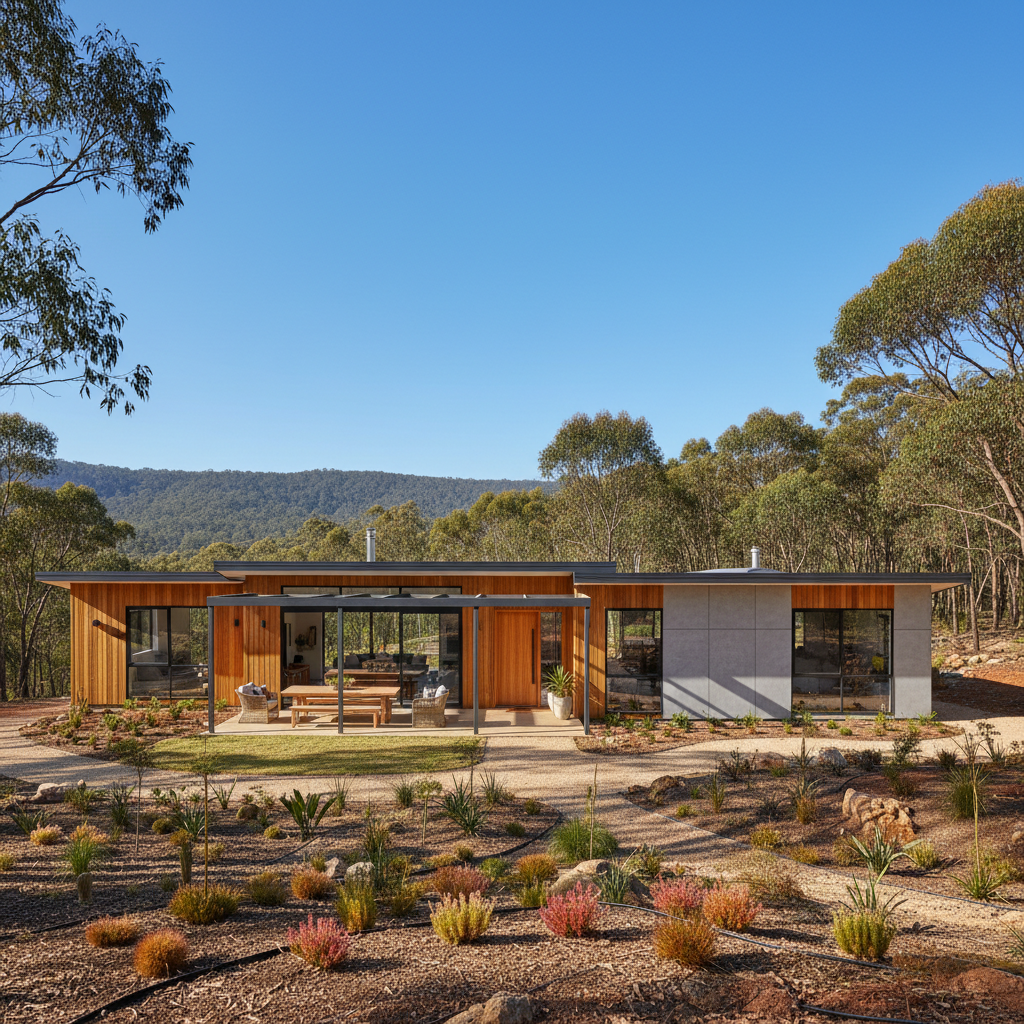
As Australians, our connection to the landscape is deep. Whether we are building on a coastal block or a rural acreage, there is a growing desire to ensure our homes tread lightly on the earth. When planning a kit home, the materials we choose at the foundational stage dictate not only the strength of the house but its lifelong environmental footprint. This is where steel frame construction, specifically using high quality Australian steel like TRUECORE, has emerged as a champion of sustainable building.
For the owner builder, the choice of a frame is one of the most significant decisions in the journey. While traditional materials have their place, the precision, longevity, and recyclability of steel offer a unique value proposition for those looking to build an eco-friendly home. In this guide, we will explore why steel is the ultimate green material for the modern kit home and how it helps you achieve a durable, high performing residence.
The Infinite Lifecycle: 100 Percent Recyclability
One of the most compelling environmental stories of steel is its ability to be recycled indefinitely without losing its structural integrity. Unlike many other building materials that are downcycled into lower quality products or end up in a landfill, steel is part of a circular economy. In Australia, the steel industry has sophisticated systems in place to reclaim and reuse every scrap.
When you choose a steel frame kit home, you are investing in a material that can, at the end of its long life, be melted down and reformed into new building materials, cars, or infrastructure. This reduces the demand for virgin iron ore mining and saves significant amounts of energy. For the environmentally conscious builder, knowing that your home’s skeleton is essentially a borrowed resource that can be returned to the cycle is a powerful motivator.
Precision Engineering and Reduced Site Waste
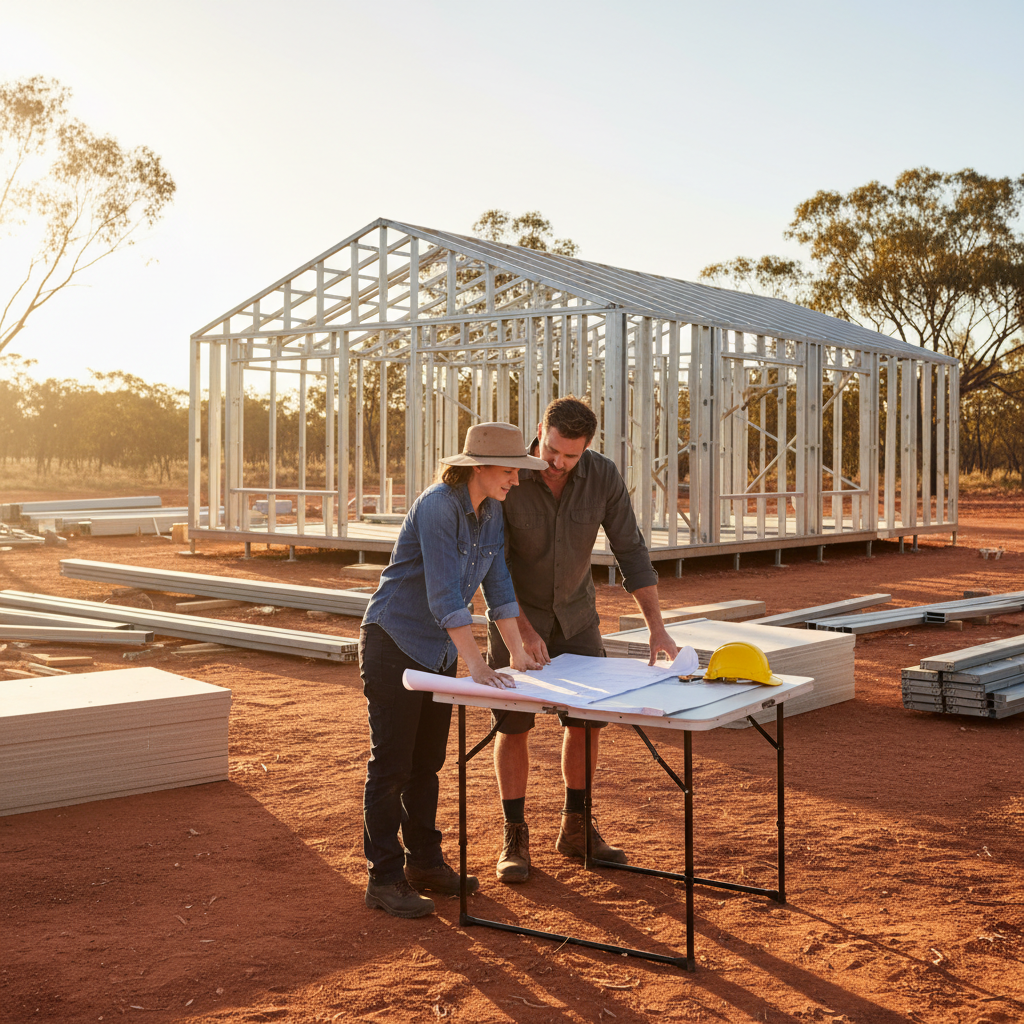
Traditional construction sites are notorious for waste. Offcuts of timber, mounds of sawdust, and discarded masonry often fill industrial skips, eventually heading to the tip. Kit homes based on steel frames take a different approach. Because the frames are precision engineered using advanced CAD technology, every component is manufactured to the exact millimetre required for your specific design.
This "made to measure" philosophy means that when the kit arrives on your site, there is virtually zero waste produced during the assembly of the frame. There is no need to shave down studs or cut beams to fit, which means the site stays cleaner and the impact on the local environment is minimised. For owner builders, a cleaner site is also a safer and more efficient site, allowing you to focus on the quality of the build rather than debris management.
Lightweight Strength and Foundation Impacts
The high strength to weight ratio of steel often means that the overall weight of the building is lower than that of heavy masonry or bulky timber structures. This has a direct environmental benefit when it comes to the footings and site preparation. A lighter structure can sometimes require less intensive foundation work, which means less concrete is poured into the ground and less soil is disturbed.
By minimising the excavation and the volume of concrete required, you are reducing the carbon footprint of the most energy intensive phase of construction. This is particularly beneficial for those building on sensitive sites or sloping blocks where minimal site disturbance is a priority for preserving local flora and fauna.
Practical Tip for Owner Builders: Understanding Site Sensitivity
When planning your site works, talk to your engineer about how the lightweight nature of a steel frame kit home can be used to your advantage. You might find that a pier and beam foundation is a viable alternative to a massive concrete slab, further reducing your environmental impact and helping with natural site drainage.
Longevity: The Key to Sustainability
A building material is only truly sustainable if it lasts. Frequent repairs, replacements, or the total demolition of a home after only thirty years is a massive waste of resources. Steel frames are designed for the long haul. They are resistant to the harsh Australian climate, they do not warp or twist over time, and they are impervious to termite attacks.
In many parts of Australia, termites are a significant threat to the structural integrity of homes. Using a steel frame eliminates the need for aggressive chemical soil treatments that can leach into the surrounding ecosystem. By choosing a material that won't rot or get eaten, you are ensuring that the energy and materials used to build your home provide value for generations, rather than just decades.
Energy Efficiency and Thermal Performance
While the frame itself is a conductor of heat, modern kit home designs have mastered the art of thermal breaks and high quality insulation. When a steel frame is paired with high performance cladding, reflective foils, and bulk insulation, it creates a highly efficient thermal envelope. The precision of steel ensures that door and window headers remain perfectly straight, reducing the likelihood of air leaks over time.
Because steel does not shrink or move, the seals on your windows and doors stay tight. This airtightness is a critical component of energy efficiency, reducing the need for artificial heating and cooling. Over the lifetime of the home, this leads to significantly lower energy consumption, which is good for your wallet and even better for the planet.
Supporting Local and Reducing "Material Miles"
Sustainability isn't just about what a material is made of; it is also about where it comes from. By choosing Australian made steel like BlueScope’s TRUECORE, you are supporting local industry and reducing the carbon emissions associated with international shipping. "Material miles" are a hidden cost in many construction projects, but kit homes sourced and manufactured within Australia keep the supply chain short and transparent.
Owner Builder Advice: Sourcing Your Kit
When evaluating providers, always ask where the steel is manufactured and where the frames are fabricated. Local fabrication means that if you need a replacement part or technical advice, the experts are in your time zone and the transport impact is kept to a minimum. It also ensures that the steel meets Australian Standards for the specific environmental conditions of our continent.
Healthier Living Environments
The environmental benefits of steel frames also extend to the internal environment of your home. Unlike some treated timbers that can off-gas chemicals or hold moisture that leads to mould growth, steel is an inert material. It does not release Volatile Organic Compounds (VOCs), making it an excellent choice for families with allergies or chemical sensitivities.
A dry, stable, and chemically inert frame provides a healthier foundation for your interior finishes. This holistic approach to building ensures that your home is a sanctuary for your family, free from the hidden pollutants often found in traditional building materials.
Conclusion: A Smarter Way to Build
Choosing a steel frame for your kit home is a decision that balances practical construction benefits with a deep commitment to environmental responsibility. From the moment the precision engineered components arrive on site to the end of the building's long life, steel offers a sustainable pathway for the modern owner builder. By reducing waste, eliminating the need for toxic chemicals, and providing a fully recyclable end of life solution, steel frames represent the future of Australian housing.
If you are ready to take the next step in your building journey, consider the long term benefits of a material that is as tough as the Australian outback but gentle on the planet. Your future self, and the environment, will thank you for it.