Engineered for the Elements: The Strength of Steel in Northern Australia
For many Australians living in the tropical north or along our sprawling coastlines, the dream of building a home comes with a unique set of challenges. We live in one of the most beautiful parts of the world, but it is also a landscape that demands respect. When cyclone season rolls around, the structural integrity of your home is not just a matter of aesthetics, it is a matter of safety and peace of mind. This is where the engineering of steel frame kit homes truly shines.
In the world of kit homes, the move toward steel is more than just a trend. It is a calculated decision based on performance, precision, and longevity. When we talk about cyclone zones (Regions C and D in Australian building codes), the requirements for wind loading and structural bracing are incredibly strict. Steel frames, specifically those manufactured from high quality BlueScope TRUECORE steel, provide a level of reliability that traditional materials often struggle to match without significant extra bulk and cost.
The Science of Cyclone Rated Engineering
To understand why steel is the preferred choice for extreme weather, we have to look at how a house handles wind. During a cyclone, a home is subjected to massive internal and external pressures. It is not just about the wind pushing against the walls; it is about the 'uplift' forces trying to pull the roof off and the 'racking' forces trying to tilt the entire structure.
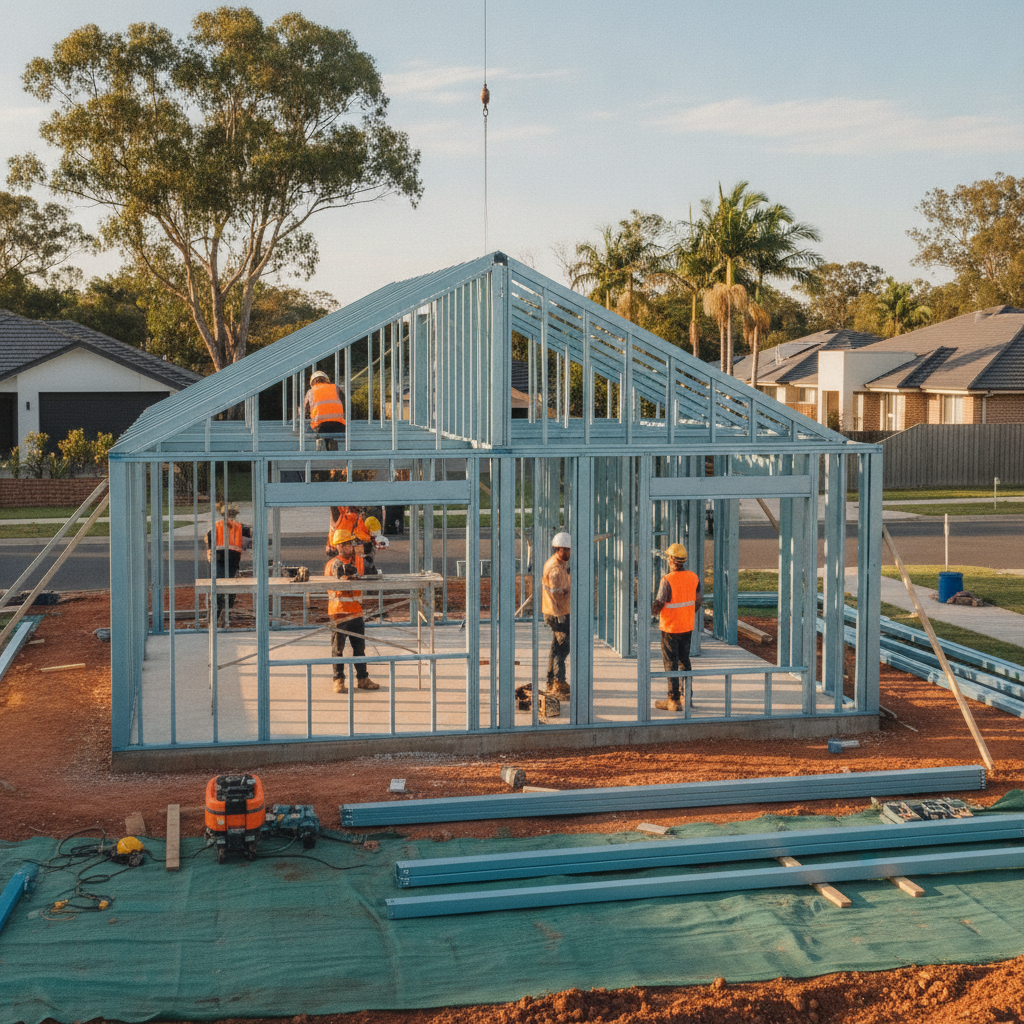
Steel frames are engineered with high strength to weight ratios. This means they are incredibly strong but light enough to be handled easily on site. In cyclone zones, every connection point in a kit home is critical. Steel allows for precision engineered joints and specialized tie-down systems that create a continuous load path. This path ensures that the force of the wind is transferred from the roof cladding, through the battens and trusses, down into the wall frames, and finally into the concrete slab. Because steel is uniform and manufactured to millimetre perfection, there are no knots, warps, or natural weak points to fail when the pressure is on.
True Blue Durability: BlueScope TRUECORE Steel
In the Australian kit home industry, the quality of the raw material is everything. Using BlueScope TRUECORE steel is non negotiable for homes that need to stand the test of time. This specialized steel is designed specifically for the Australian residential market. It features a distinctive blue resin coating that makes it easy to identify on site, but its real value lies underneath.
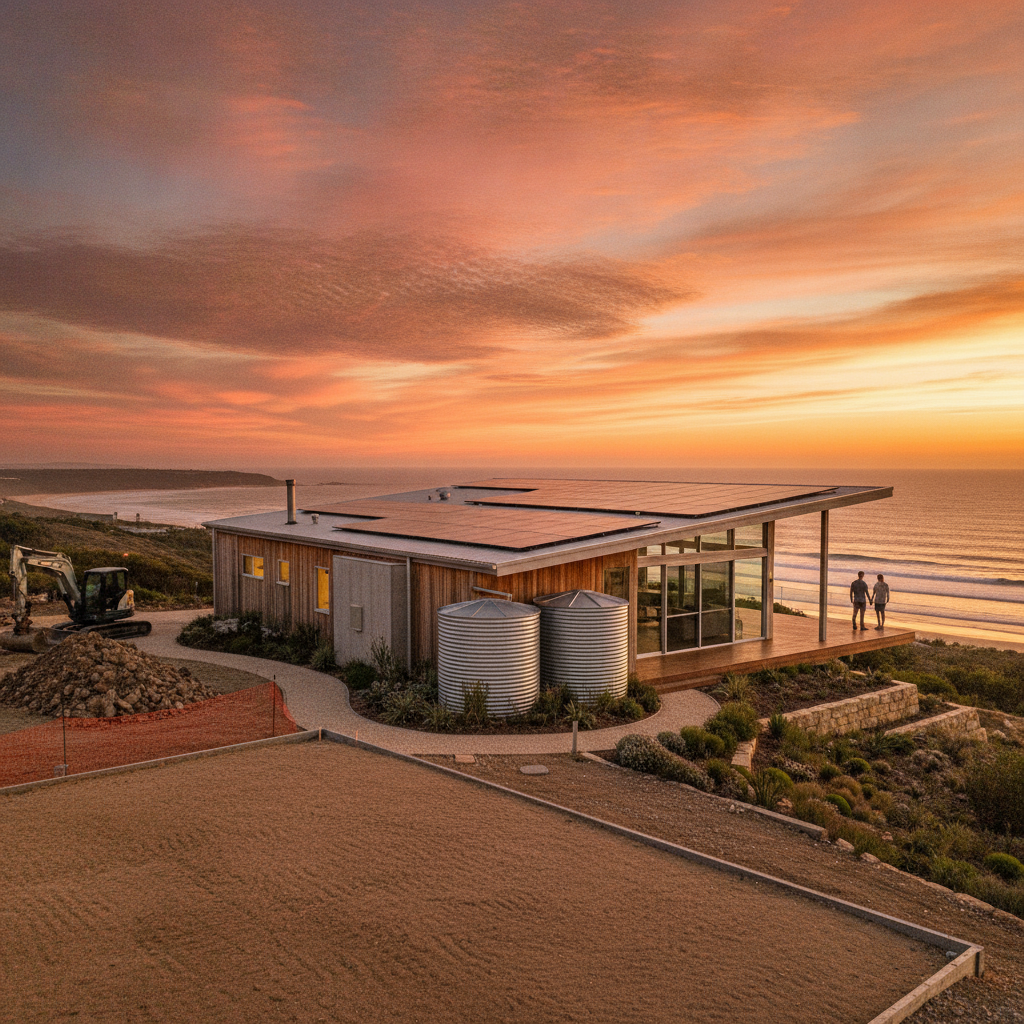
The alloy coating provides superior corrosion resistance, which is vital in coastal cyclone regions where salt spray is a constant factor. Furthermore, steel is 100 percent termite proof. In many parts of Northern Australia, termites are a relentless threat to the structural integrity of a building. By choosing a steel frame kit home, owner builders remove the risk of silent structural damage, ensuring that when a storm does hit, the frame remains as solid as the day it was bolted together.
Precision Manufacturing and the Owner Builder Advantage
One of the biggest advantages for an owner builder in a high wind zone is the precision of a kit home. Each frame, truss, and floor joist is pre-punched and cut to exact specifications in a controlled factory environment. This eliminates the 'human error' factor that can occur when trying to measure and cut complex bracing systems on a windy, exposed building site.
When your kit arrives, the components fit together like a giant, high tech puzzle. For those managing their own project, this simplicity is a godsend. You aren't just guessing if a brace is at the right angle; the pre-punched holes and detailed plans tell you exactly where every heavy duty bolt and screw needs to go. This level of accuracy is essential for meeting the stringent engineering inspections required in cyclone-prone areas.
Beyond the Frame: A Complete Protective Shell
A steel frame kit home is more than just the 'bones' of the house. To truly withstand extreme weather, the entire envelope must be integrated. This includes high performance roofing, wall cladding, and specially rated windows and doors. In a typical kit package, these elements are selected to work in harmony with the steel frame.
For example, the roofing screws used in cyclone zones are vastly different from those used in sheltered suburbs. They feature larger 'cyclone washers' that prevent the roof sheets from pulling over the screw heads during high pressure events. Your kit home provider ensures that all these often overlooked components are included and engineered to the correct wind rating for your specific block of land.
Practical Tips for Building in Extreme Weather Zones
If you are planning to take on an owner-builder project in a cyclone-prone area, here are some practical steps to ensure a smooth and safe build:
- Verify Your Wind Rating: Before you even look at floor plans, get a site-specific wind classification from a qualified engineer or surveyor. Whether you are N3, C1, or C2 will drastically change the engineering requirements of your steel frame.
- Focus on the Tie-Downs: Pay extra attention to the 'hold down' brackets that secure your wall frames to the slab. In cyclone zones, these are your best friends. Ensure the chemical anchors or expansion bolts are installed exactly as per the engineering drawings.
- Seal the Envelope: Wind driven rain can find its way into the smallest gaps. Use high quality sarking and flashing around all openings. A steel frame won't rot if it gets wet, but your internal plasterboard and insulation will certainly suffer.
- Staging Your Build: In the tropics, weather can turn quickly. Plan your build so that once you start standing frames, you can get the roof on and the structure braced as quickly as possible. A partially completed frame is more vulnerable than a fully tied-down house.
The Resilience of Steel Frame Designs
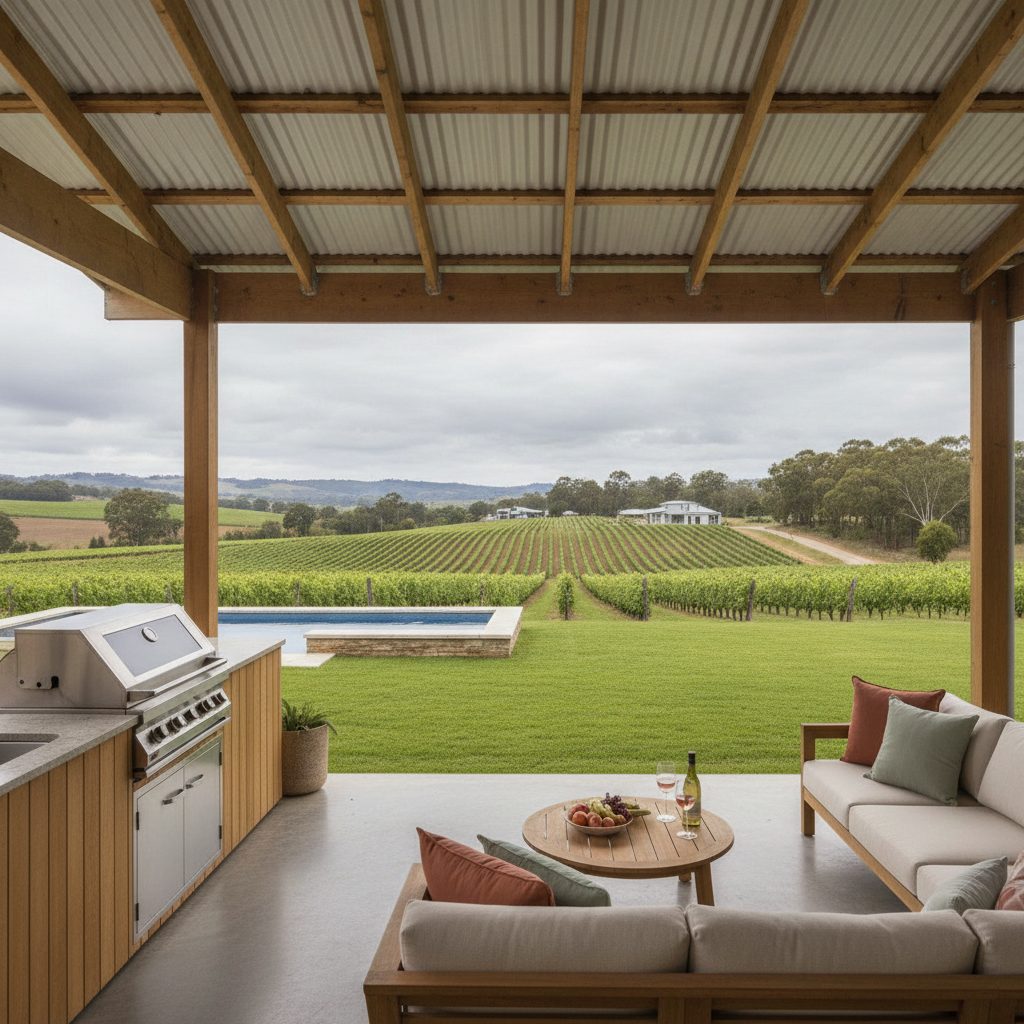
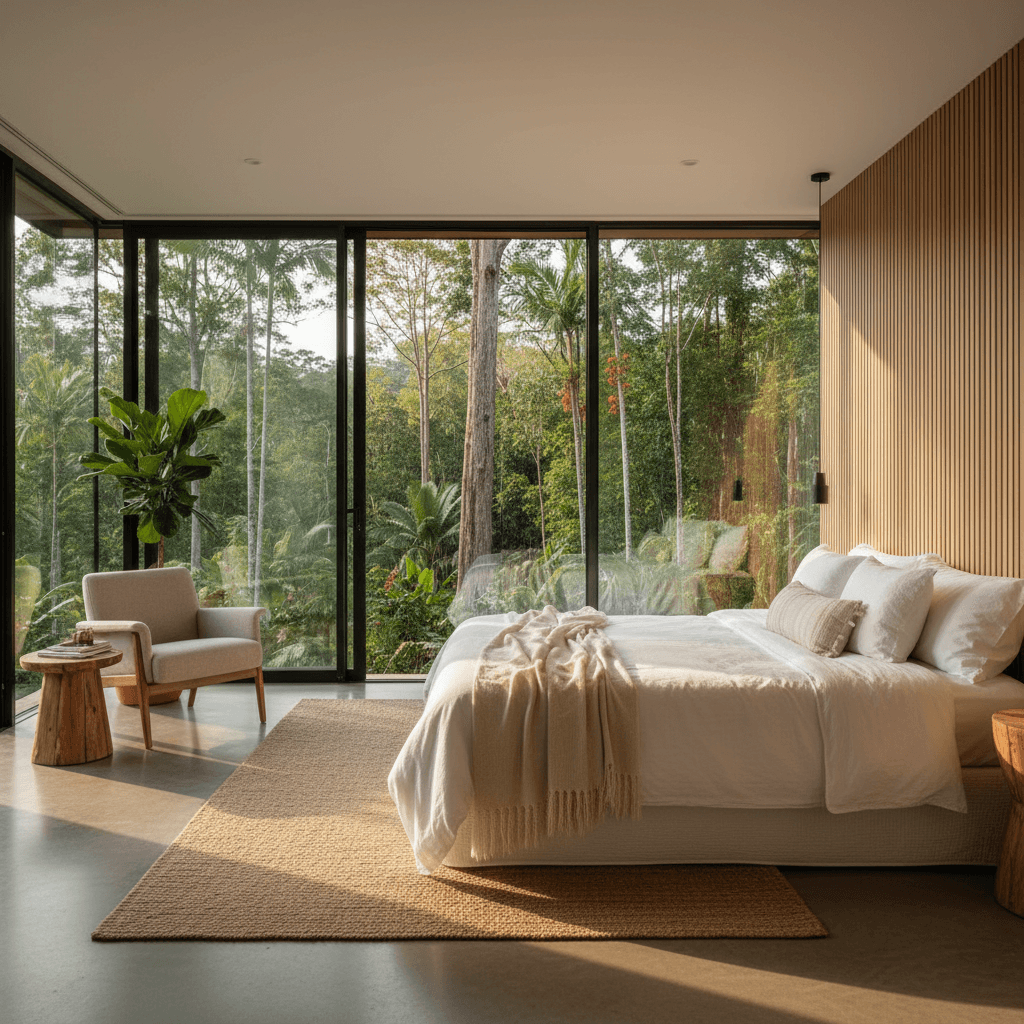
Modern kit homes have come a long way from the basic 'shed-style' designs of the past. Today, you can achieve stunning architectural outcomes while maintaining extreme weather resilience. Steel's strength allows for larger spans and open-plan living areas without the need for bulky load-bearing internal walls. This means you can have those large glass doors and expansive verandahs that capture the coastal breeze, knowing that the hidden steel skeleton is engineered to protect you when that breeze turns into a gale.
The flexibility of steel also makes it the perfect material for elevated homes. In many cyclone zones, building on steel piers is a popular choice to allow for storm surge or localized flooding. Steel's high strength-to-weight ratio makes it much easier to engineer these elevated sub-floors compared to heavier, traditional options.
Conclusion: Peace of Mind for the Australian Way of Life
Choosing to build your own home is an empowering journey, but it comes with the responsibility of ensuring that the structure is fit for its environment. In Australia's harshest climates, steel frame kit homes offer a level of certainty that is hard to beat. From the termite-proof nature of BlueScope TRUECORE steel to the precision of computer-aided engineering, every element is designed to keep your family safe.
By opting for a steel frame, you are investing in a home that is built to handle the unique pressures of the Australian landscape. Whether it is the relentless sun, the threat of termites, or a Category 5 cyclone, a well-engineered steel kit home stands tall. For the owner builder, it provides the perfect balance of manageable onsite assembly and professional grade structural integrity, ensuring your dream home remains a safe haven for decades to come.