Planning Your Kit Home Journey
There is a unique kind of excitement that comes with browsing through kit home designs. You start imagining where the morning sun will hit the kitchen bench, where the kids will play, and how that expansive deck will look during a summer barbecue. However, moving from the dreaming phase to the committing phase is a big leap. In Australia, the kit home market offers incredible flexibility, but that freedom comes with the responsibility of making informed choices.
When you choose a kit home, you are taking the reins of your housing future. Whether you are building a secondary dwelling for family, a rural retreat, or a primary family residence, the design you lock in today will dictate your lifestyle for years to come. Because many kit homes in Australia utilize high quality materials like TRUECORE steel, these structures are built to last. This means getting the design right at the start is paramount.
To help you navigate this process, we have compiled the essential questions you need to ask yourself and your provider before signing off on those plans. Let us dive into the practicalities of kit home design through the lens of a savvy owner-builder.
1. How Does the Design Interact with My Specific Site?
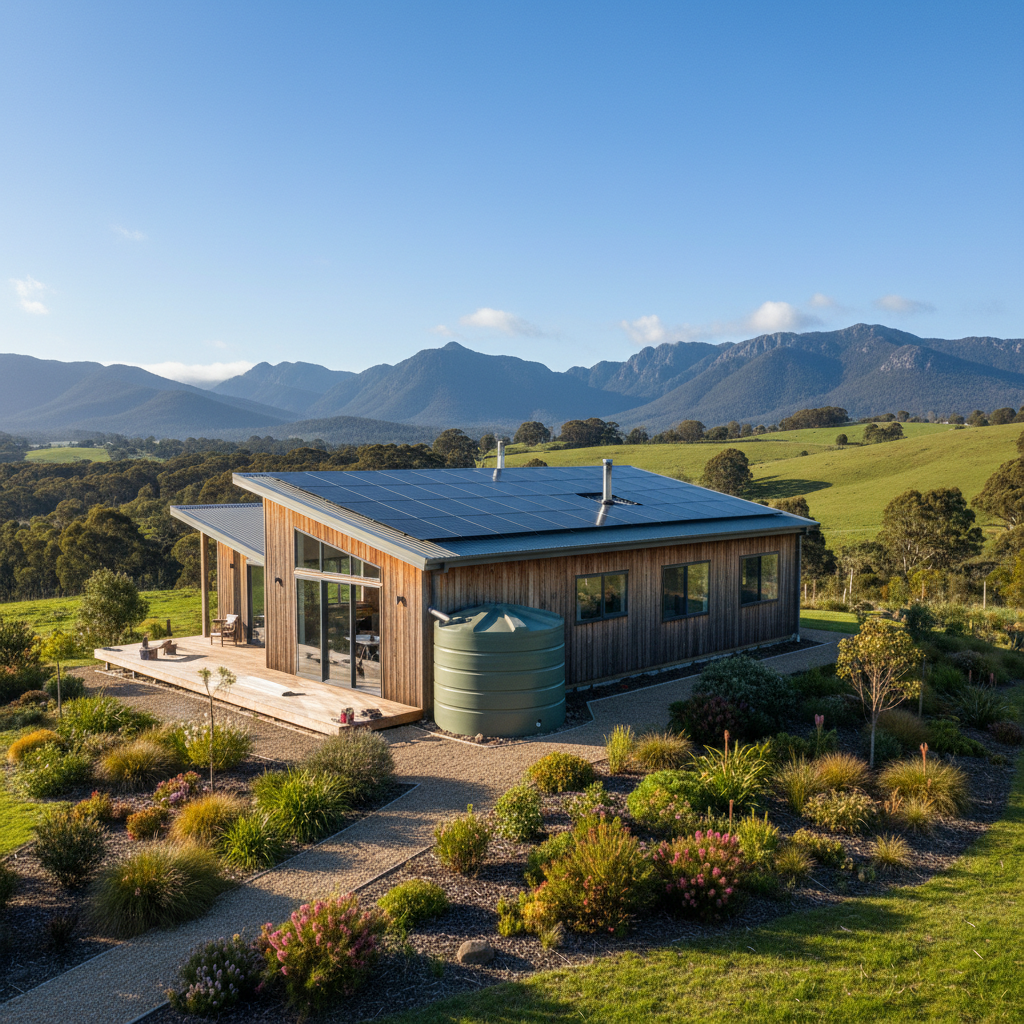
A beautiful design on paper can fail if it does not respect the land it sits on. Australia has a diverse range of climates and terrains, meaning a design that works in suburban Brisbane might not be ideal for a windy coastal plot in Victoria. You need to ask how the kit home handles your site orientation.
Consider the sun path. Does the living area face north to capture that beautiful winter sun? Are the windows positioned to encourage cross-ventilation during a humid summer? When looking at kit home designs, check if the layout can be mirrored or flipped to better suit your block. A good design should work with your natural environment, not against it, helping you save on energy costs and increasing your daily comfort.
2. Is the Internal Layout Truly Functional for My Lifestyle?
It is easy to get distracted by the number of bedrooms or the size of the ensuite, but functionality is found in the flow of the home. Ask yourself how you move through a space. Is there a clear path from the garage or entry to the kitchen for carrying groceries? Are the bedrooms separated from the main living areas to provide privacy and noise control?
Think about the future as well. If you are planning to age in place, are the hallways wide enough? Is there a bathroom on the ground floor? The beauty of steel frame kit homes is that the strength of the steel allows for wider spans and open plan living without the need for bulky load bearing internal walls in every corner. This gives you more freedom to choose a layout that feels spacious and airy, but you must ensure that openness serves your daily routine.
3. What is Actually Included in the Kit?
This is perhaps the most important practical question for any Australian owner-builder. Not all kits are created equal. You need to be crystal clear on what components arrive on the truck and what you need to source locally. Generally, a comprehensive kit will include the structural elements such as the internal and external wall frames, roof trusses, roofing iron, external cladding, windows, and doors.
However, as an owner-builder, you are the project manager. You need to know that the kit provides the high quality shell, including the BlueScope steel skeleton and insulation, but you will be responsible for the slab or floor system, the plumbing, the electrical fit-out, and the internal finishes like cabinetry and tiling. Asking for a detailed inclusions list prevents surprises halfway through the build and allows you to coordinate your local trades properly.
4. Why Choose a Steel Frame Design for This Specific Layout?
In the Australian building landscape, steel has become a preferred choice for kit homes, and for good reason. When reviewing a design, ask how the structural material impacts the build. Designs using TRUECORE steel are precision engineered. This means the frames are straight and true, they will not twist or warp over time, and they are significantly lighter to handle on-site than traditional timber.
From a long-term maintenance perspective, a steel frame design offers peace of mind against one of Australia's biggest pests: termites. Since the frame is 100 percent termite proof, you can rest easy knowing the literal bones of your home are secure. Furthermore, steel is non-combustible, which is an essential consideration for those building in bushfire prone areas (BAL rated zones). Always ask how the design caters to your specific BAL requirements.
5. How Manageable is the Assembly for an Owner-Builder?
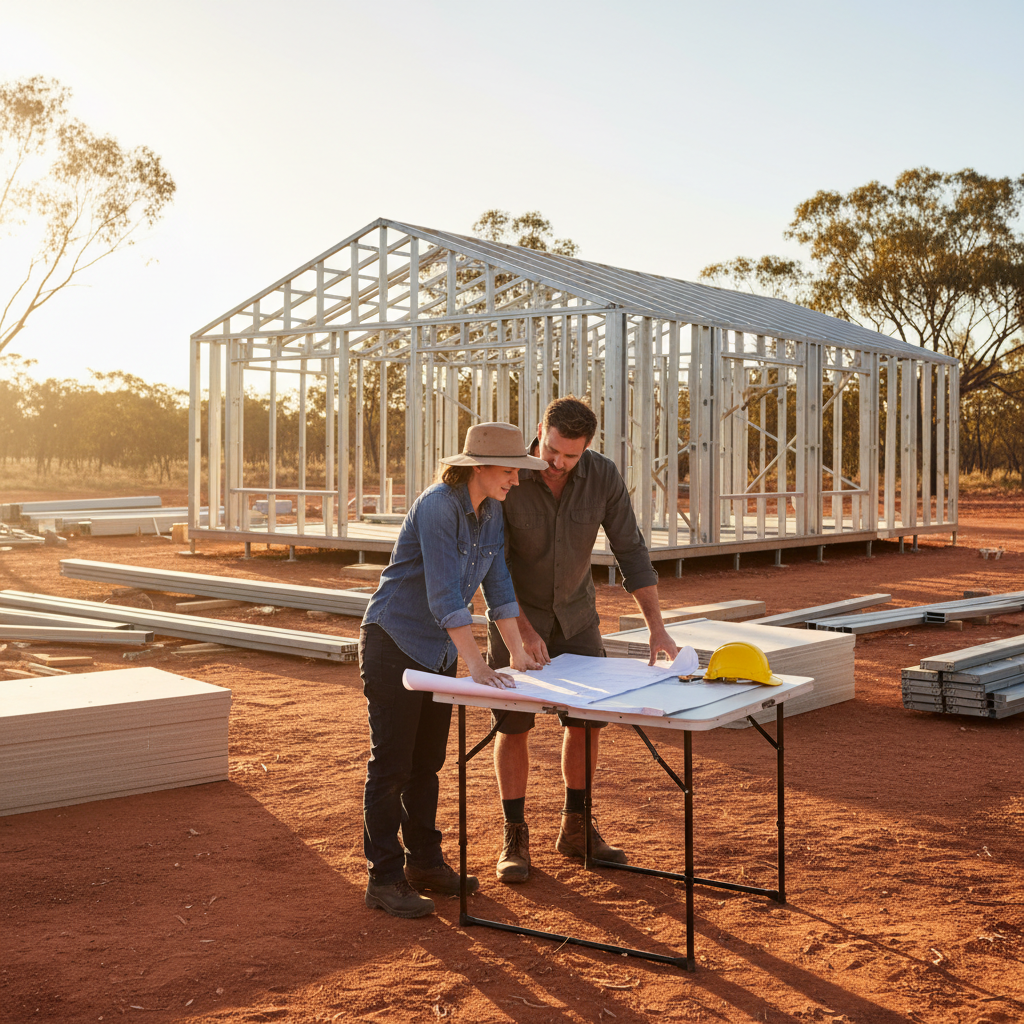
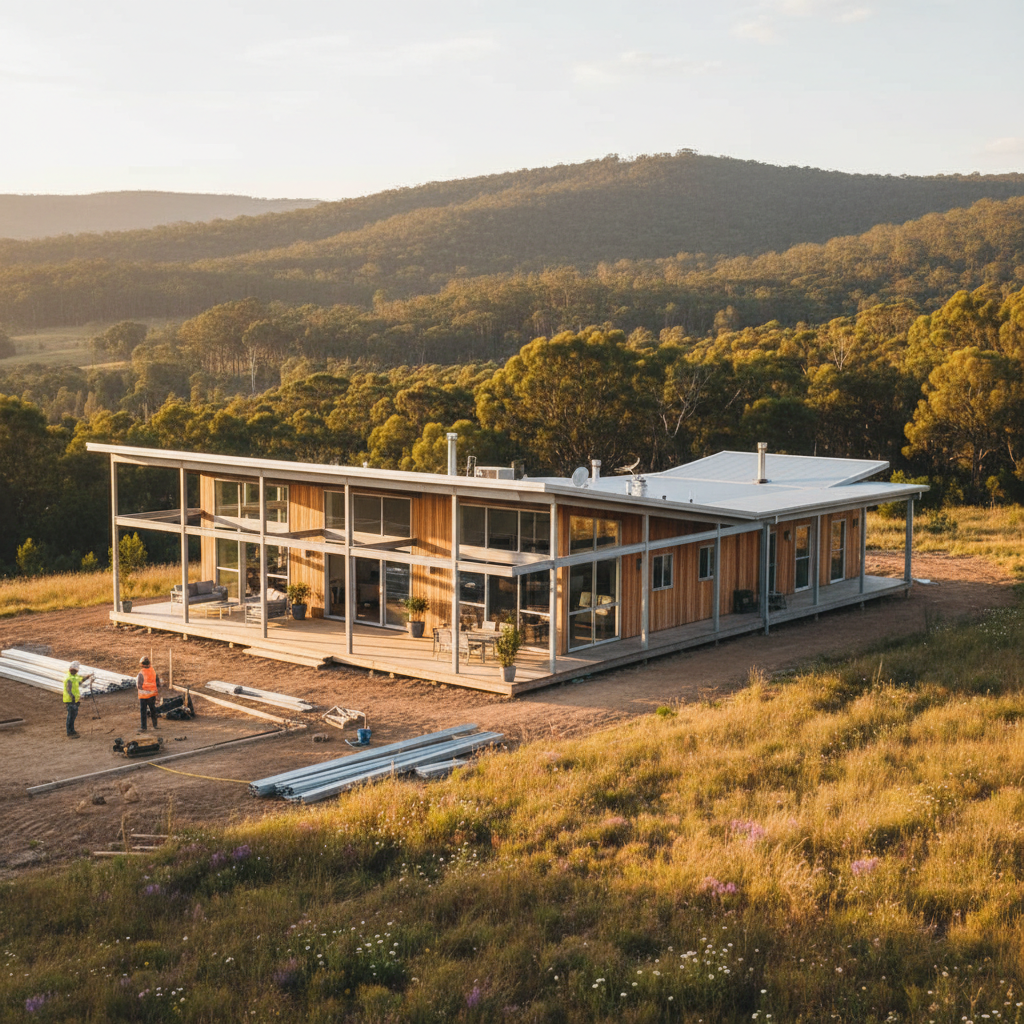
If you are planning to get hands-on with the construction, you need to ask about the ease of assembly. Some complex architectural designs might look stunning but could be a nightmare for a first-time builder to put together. Look for designs that use a systematic approach. Most modern steel frame kits come with components that are pre-punched and labeled, essentially acting like a giant Meccano set.
Ask if the supplier provides detailed assembly manuals and if the frames come pre-assembled or in manageable sections. The goal of a kit home is to streamline the construction process, allowing you to focus on the management and finishing touches without getting bogged down in overly complicated structural joinery.
6. Can I Customize the Exterior Finishes?
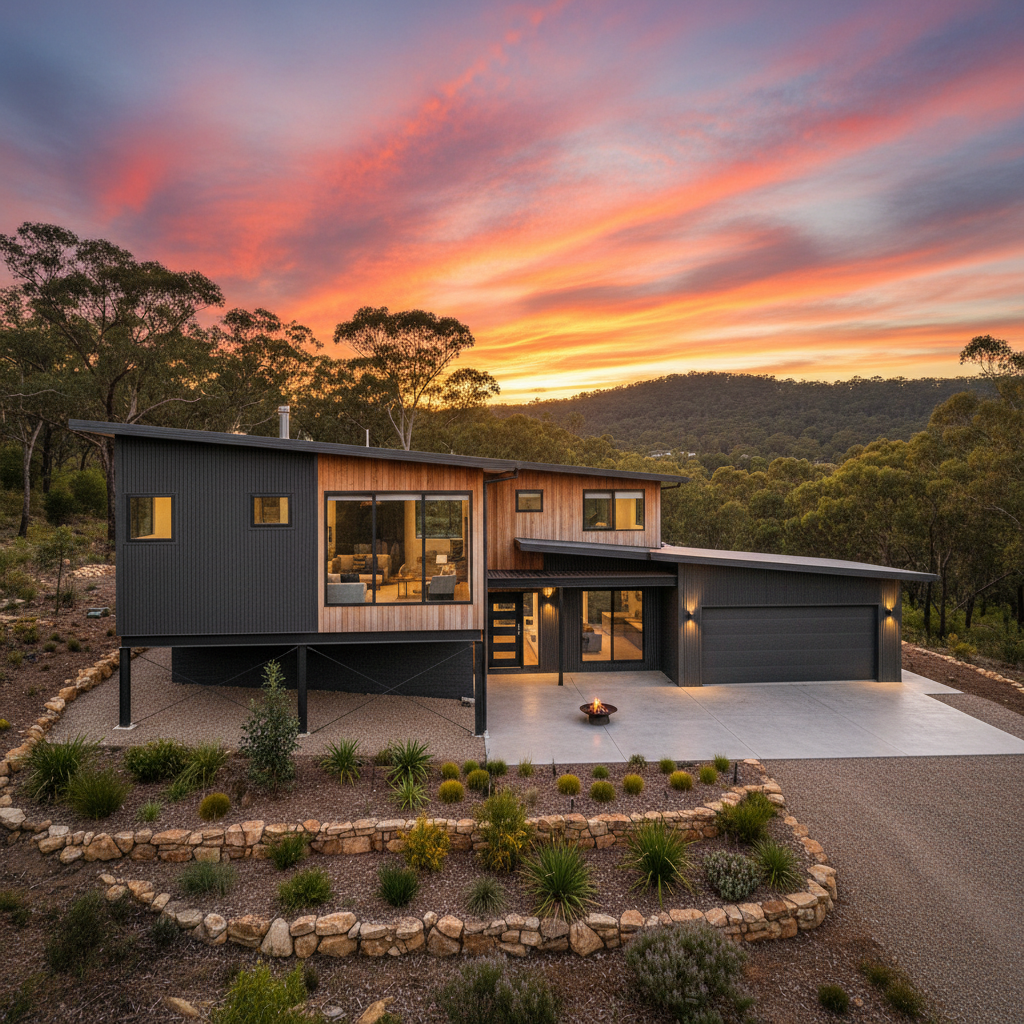
While the internal layout is about function, the exterior is about your personal style and the home's character. Just because you are buying a kit does not mean your home has to look like everyone else's. Ask about cladding options. Can you mix and match traditional corrugated iron with modern composite boards? What are your window frame color options?
The flexibility of steel framing allows for a variety of external finishes. Choosing the right cladding can help your home blend into a rural landscape or stand out in an urban streetscape. This is the time to ask about the durability of these finishes in the Australian sun. High quality coatings and finishes are essential to ensure your home looks great for decades.
7. What Support is Available During the Build?
Committing to a design is also committing to a relationship with your kit provider. Ask what happens after the delivery truck leaves your property. Do they offer technical support if you or your carpenter have a question about the frame assembly? Building a home is a significant undertaking, and knowing that expert advice is just a phone call away can be a huge confidence booster for an owner-builder.
Practical Tips for Your Design Selection
- Visit Display Homes or Completed Projects: If possible, see a similar design in person to get a sense of scale and ceiling heights.
- Check Local Council Regulations: Before falling in love with a design, ensure it meets the setbacks, height restrictions, and site coverage rules of your local council.
- Think About Storage: It is the one thing people always wish they had more of. Ask if the design allows for built-in robes, a walk-in pantry, or extra garage storage.
- Consider the Roof Pitch: A steeper pitch might look great and offer extra attic space, but it can also increase the complexity of the roofing installation.
Final Thoughts
Choosing a kit home design is an empowering process. It allows you to take control of your living space and your budget while creating a high quality, durable home. By asking these questions early, you move past the aesthetic surface and into the practical reality of building and living in your new home. Focus on the strength of the steel frame, the intelligence of the layout, and the suitability for your specific piece of Australia. With the right design and a clear plan, your owner-builder journey will be a rewarding experience that results in a home you can be truly proud of.