Planning for Success: Your Australian Kit Home Journey
There is something uniquely Australian about the dream of building your own home. Whether it is a weekend shack in the High Country, a coastal retreat, or a spacious family home on a bush block, the kit home path offers a level of involvement and satisfaction that turnkey builds simply cannot match. However, the success of an owner builder project starts long before the first truck arrives on site. It begins in the design phase.
Choosing a design is about more than just picking a floor plan that looks good on a screen. It is about ensuring the structure is fit for your specific block, your lifestyle, and the local climate. When you are acting as the owner builder, you are the project manager, and that means doing your due diligence early. To help you navigate this process, we have put together the essential questions you should be asking before you commit to a kit home design.
1. How Does the Design Handle My Specific Building Site?
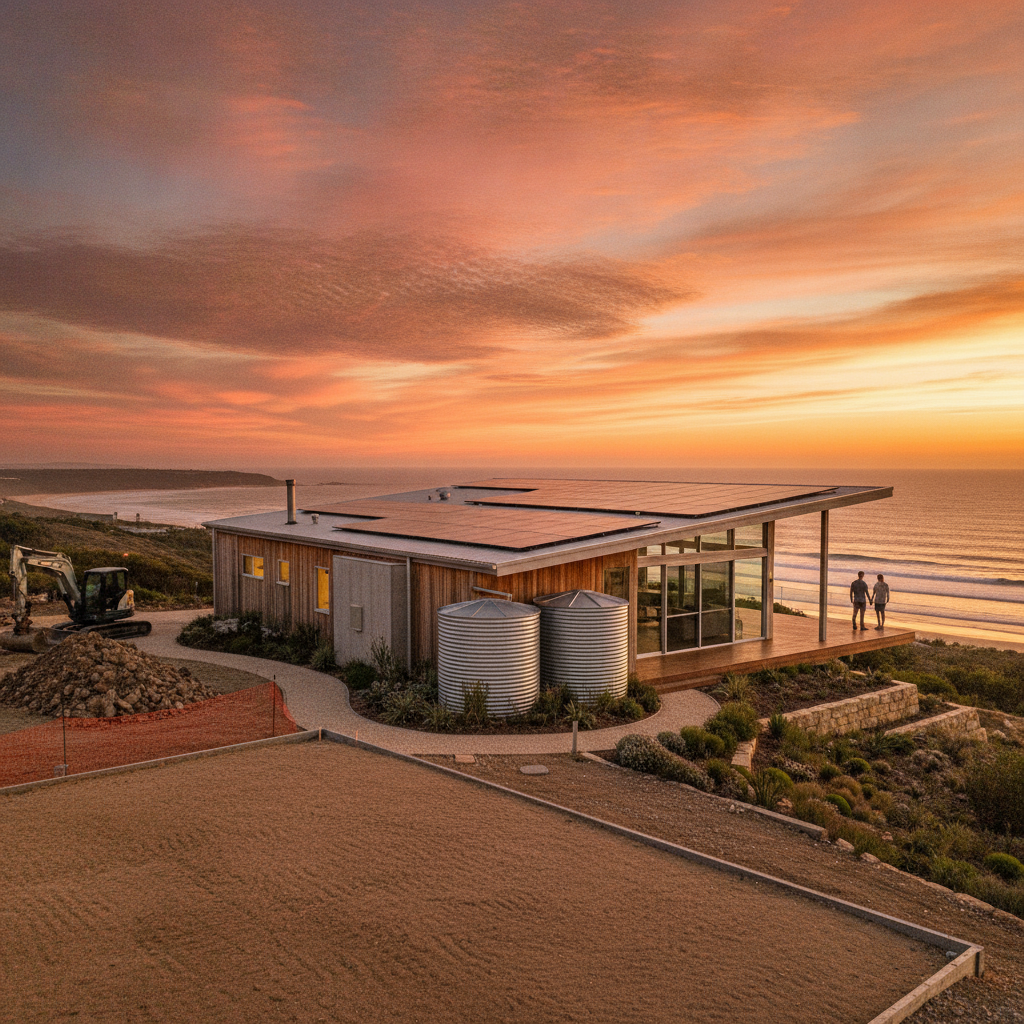
Every block of land in Australia comes with its own set of personality traits. Is your site sloping? Does it face north? Is it in a high wind area? Before you fall in love with a layout, you need to know if the design is adaptable. A great kit home should be versatile enough to work with your land, not against it.
Ask if the design can be mirrored to take advantage of natural light. In Australia, orientation is everything. A well placed living area that captures the winter sun can significantly reduce your heating needs. Conversely, you want to ensure your design allows for decent eaves or verandahs to shield you from the harsh summer heat. If you are building on a slope, ask how the floor system integrates with various footing types, such as piers or high set stumps, rather than assuming a standard concrete slab is your only option.
2. Is the Home Engineered for My Local Climate and Wind Rating?
Australia has some of the most diverse and demanding weather conditions in the world. From the tropical humidity of the north to the biting winters of the south, and the ever present threat of bushfires, your kit home needs to be tough. One of the biggest advantages of modern kit homes is the use of high quality materials like BlueScope steel. Using steel frames, particularly brands like TRUECORE, provides a level of structural integrity and precision that is hard to beat.
When reviewing a design, ask about the wind rating. Is the kit engineered for N2, N3, or even C (cyclonic) ratings? Because steel is incredibly strong and lightweight, it allows for wider spans and open plan designs while remaining rigid under pressure. Unlike timber, steel frames will not warp, twist, or shrink over time, which is a massive benefit when you are dealing with the expansion and contraction caused by the Australian sun.
3. What is Actually Included in the Kit Package?
This is where many first time owner builders get caught out. No two kit providers are exactly the same. You need to be crystal clear on what is arriving on the truck and what you need to source locally. A comprehensive kit should generally include the structural components like the steel floor system (if required), wall frames, roof trusses, roofing iron, external cladding, windows, doors, and insulation.
Ask for a detailed inclusions list. Does it include the gutters and downpipes? Are the windows double glazed? Does it include all the necessary fixings and brackets to get the frame standing? Understanding these details early allows you to plan your local trade pick ups and material orders without causing delays to your build timeline.
4. How DIY-Friendly is the Framing System?
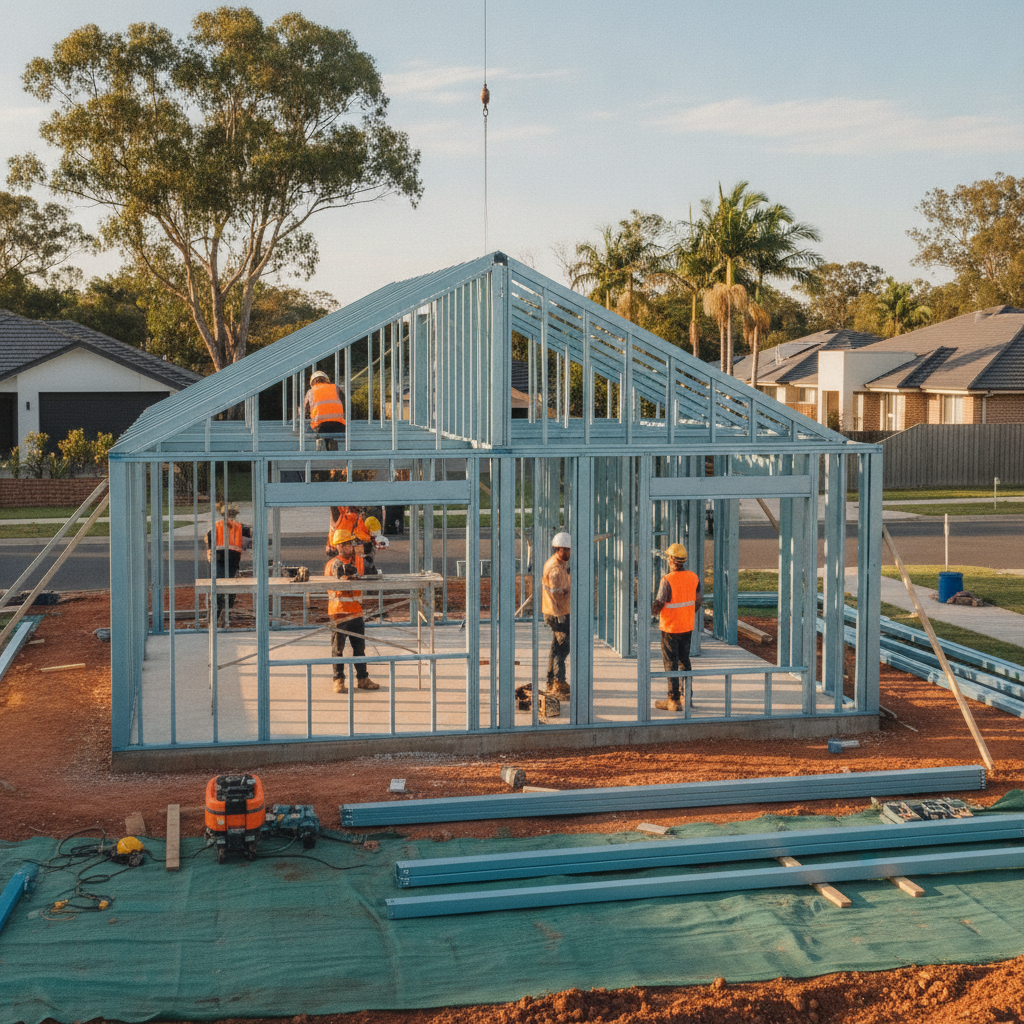
If you are planning to get hands-on with the build, the ease of assembly is a major factor. This is where steel frame construction really shines for the owner builder. Modern steel frames are often pre-punched with service holes for electrical and plumbing, making the job of your subsequent trades much easier. They are also typically manufactured with such precision that every piece fits exactly where it should, like a giant, high tech Meccano set.
Ask if the frames are delivered pre-assembled or if you have to piece every single stud together on site. Pre-assembled wall panels can save you weeks of labor and ensure that everything is perfectly square. This makes the job of installing windows and hanging doors far less stressful for a DIY enthusiast.
5. Does the Design Meet Local Council Requirements?
Before you commit, you need to know that your chosen design can actually be built on your land. This means checking in with your local council regarding setbacks, height restrictions, and Bushfire Attack Level (BAL) ratings. If you are building in a bushfire prone area, a steel frame kit home is an excellent choice as steel is non-combustible and won't contribute as fuel to a fire.
Ask the kit provider if their designs are easily adaptable to meet different BAL ratings. Often, this involves simple changes to the type of cladding or the inclusion of specific mesh on windows and doors. Ensuring the design is compliant from the start will save you a massive headache during the Development Application (DA) or Complying Development (CDC) process.
6. Can I Customize the Floor Plan?
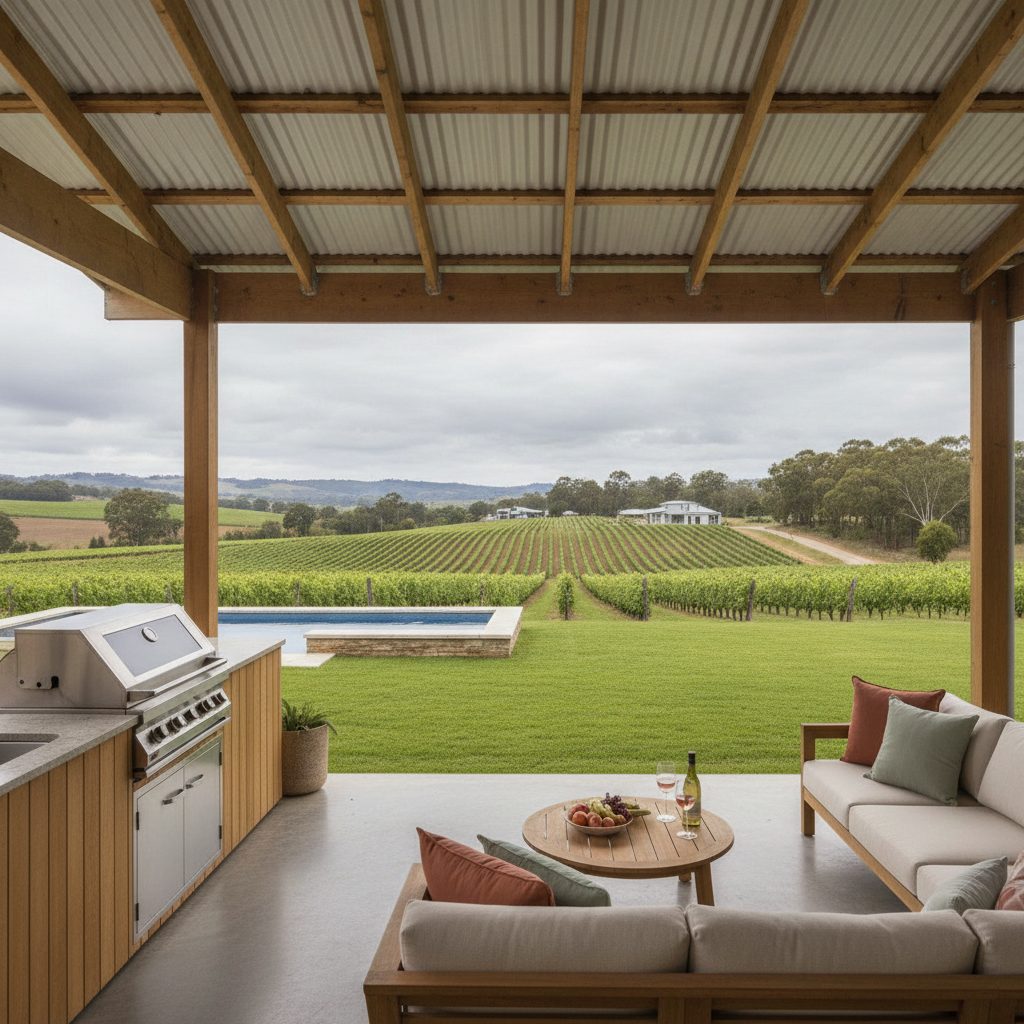
While many kit home providers offer a range of standard designs, your life might not fit into a standard box. Maybe you need an extra bedroom for a home office, or perhaps you want to open up the kitchen to create a larger alfresco area. It is important to ask how much flexibility exists within the design.
Because steel frames are engineered for strength, they often allow for larger open plan spaces without the need for intrusive load bearing internal walls. This gives you more freedom to tweak the internal layout to suit your lifestyle. Just remember that significant changes might require re-engineering, so it is best to discuss your ideas early in the piece.
7. What Support is Provided During the Build?
Being an owner builder is rewarding, but it can also be daunting. You want to know that when you are standing on site on a Saturday morning with a question about a roof truss, you have the right resources to find the answer. Ask what kind of documentation comes with the kit. You should be looking for detailed assembly manuals, clear floor plans, and comprehensive framing layouts.
A good provider understands the journey of the owner builder. They should be able to provide you with the technical specifications required by your certifier and be available to clarify technical details about the components they have supplied. While you are responsible for the site work and hiring licensed trades for things like plumbing and electrical, having a reliable partner for the structural shell makes a world of difference.
Summary: The Path Forward
Building a kit home is a journey of a thousand steps, but the most important ones occur right at the beginning. By asking these questions early, you ensure that your design is not just a beautiful house, but a functional, durable, and compliant home built to withstand the Australian environment. The combination of smart design and a high quality steel frame provides a foundation that will serve you and your family for decades to come.
Take your time with the research phase. Visit display homes if possible, talk to other owner builders, and don't be afraid to ask for more detail. When you finally move into a home that you helped bring to life, every bit of that early planning will have been worth it. Happy building!