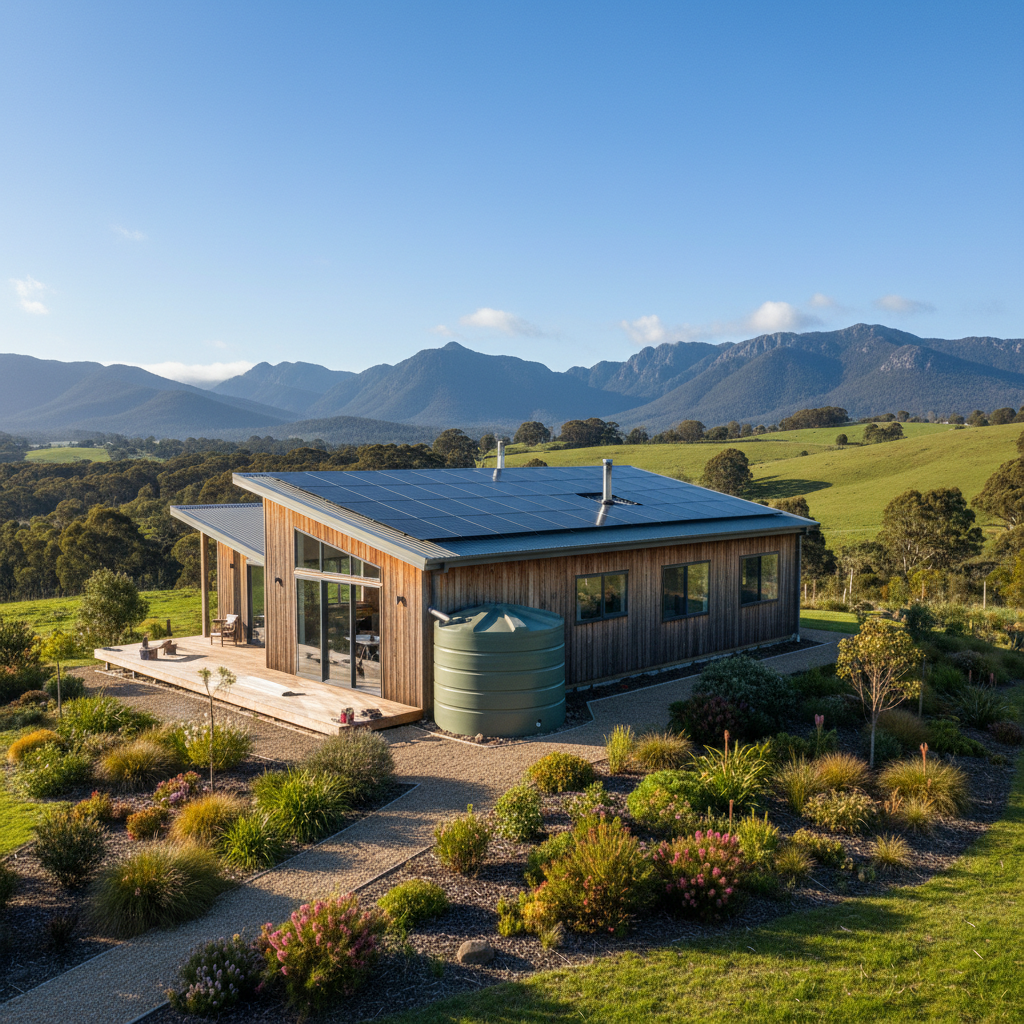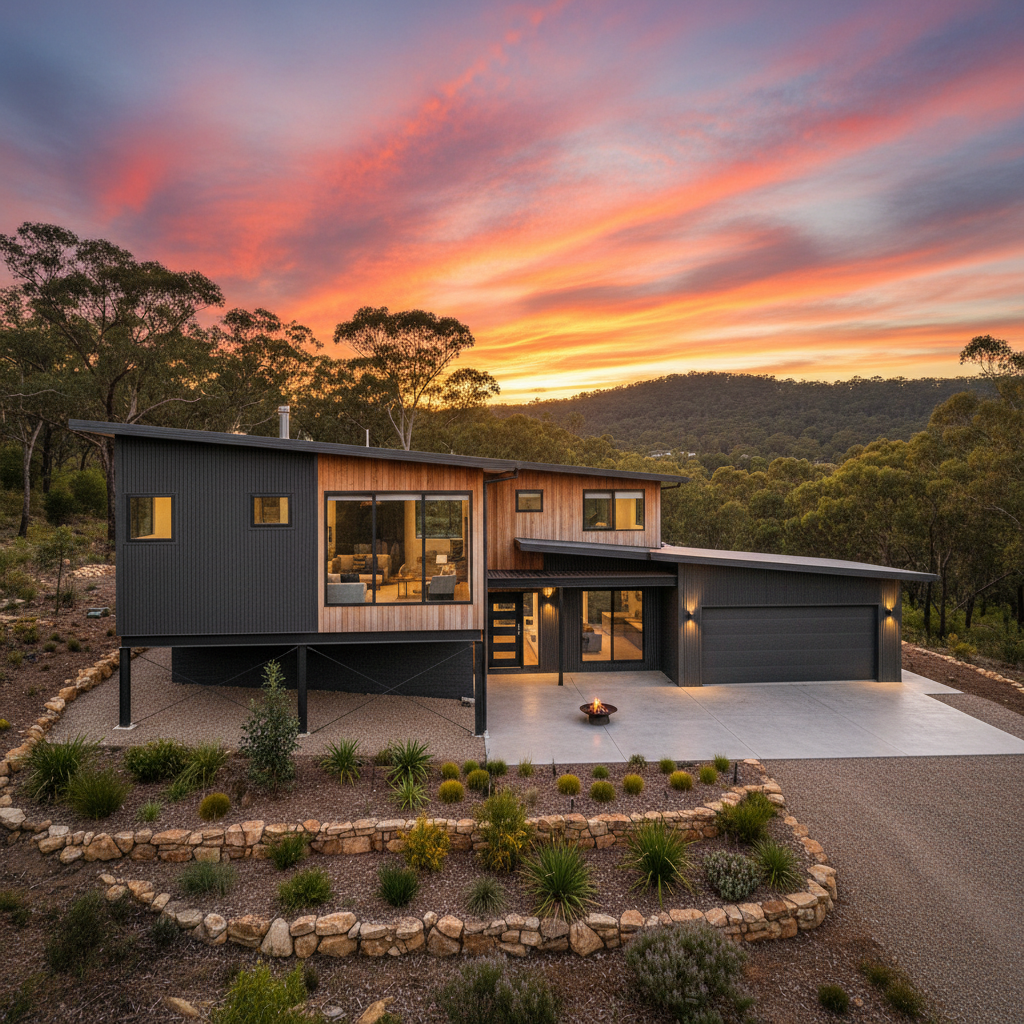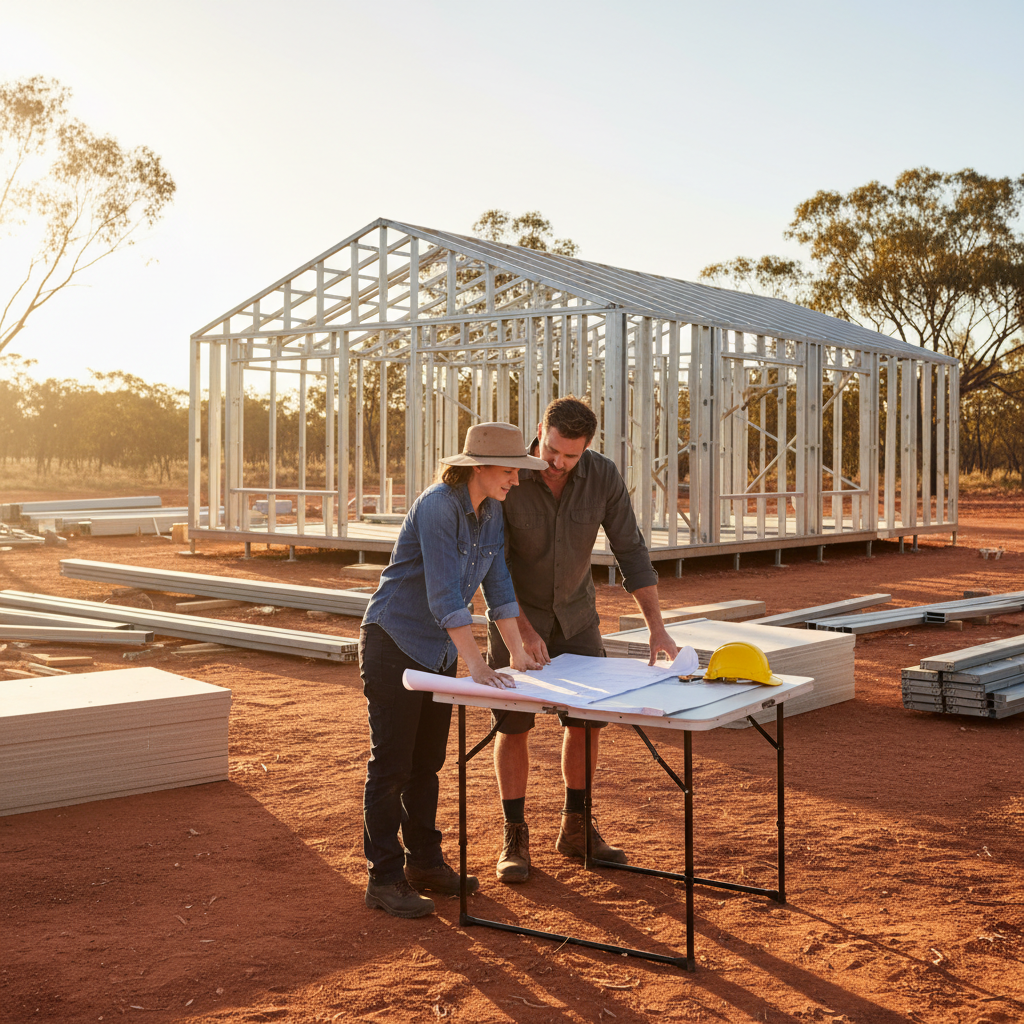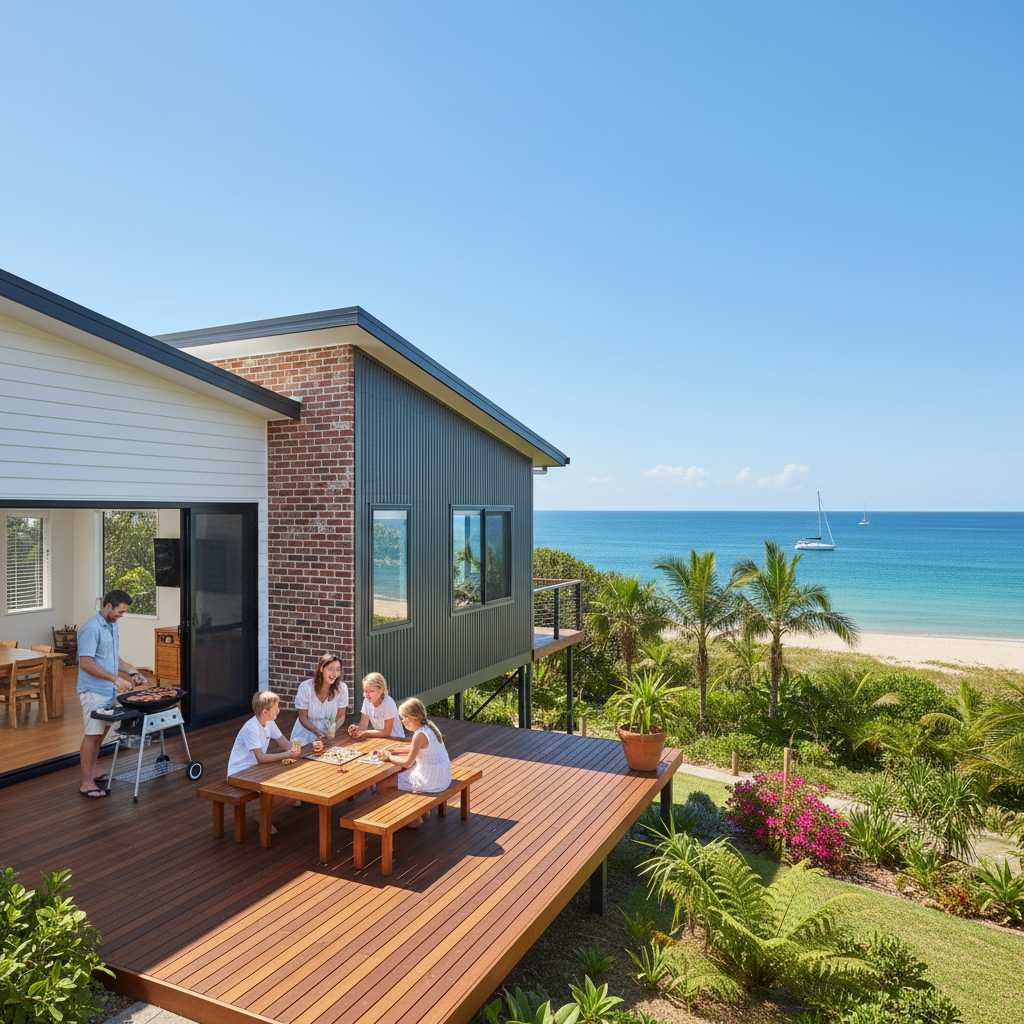
I was standing on a site in Dubbo last month, middle of a heatwave, watching a fella struggle with some old-school timber planks that had warped before he could even get them off the truck. It's the kind of headache that makes you rethink every choice you've made about your build. Choosing the cladding for your kit home is usually the first big decision that shifts the project from a set of drawings to a real house standing in the dirt. You're balancing the council's bushfire requirements, your own energy efficiency goals, and the simple fact that you don't want to be repainting the whole thing every five years.
The Backbone: Why We Start With Steel
Before you even look at a color swivel or a plank sample, you've got to understand what's holding it up. We use BlueScope TRUECORE steel for a reason. It's straight. If you've ever tried to line up long runs of horizontal weatherboard on a timber frame that's twisted because it sat in the rain for a week, you'll know the nightmare I'm talking about. Steel stays true. It doesn't bow. This means when you go to screw your cladding in, the lines actually stay straight. Plus, if you're building in a termite-prone area, which is basically most of Australia, having a steel frame means you aren't providing a buffet for the local pests before you've even moved in. It meets AS 4100 standards for steel structures, which is peace of mind when the wind starts howling across the paddocks.
Weatherboard: The Classic Look Without the Rot
Most people wanting that heritage or coastal look gravitate towards weatherboards. But don't go thinking about the high-maintenance cedar your grandfather used. These days, for most kit homes, we're talking about fibre cement or engineered timber composites. Products like James Hardie's Linea boards are massive in the owner-builder world. Why? Because they're thick enough to give you those deep shadow lines that make a house look expensive, but they won't rot or attract white ants.
Applying these to a steel frame requires a specific approach. You'll be using build-up strips or thermal breaks to ensure you aren't transferring heat directly through the metal stud to the external skin. It's a technical bit of gear required by the NCC (National Construction Code) to keep your house energy efficient. If you're doing it yourself, grab a high-quality coil nailer or a screw gun set for steel. Don't try to wing it with manual nails. You'll just end up with a sore thumb and a bent piece of steel. Weatherboards are great for DIYers because you can handle a few planks at a time. It's manageable. It's steady work that you can do over a couple of weekends without needing a massive crew.
Bushfire Ratings and Cladding Choice
If you're building in the hills or anywhere with a bit of scrub, you'll have a BAL (Bushfire Attack Level) rating. This changes the game. Forget about most timber claddings if you're in a BAL-29 or BAL-40 zone. Fibre cement weatherboards are non-combustible, making them a top-tier choice for these spots. They don't just look good; they keep the embers out. Always check your specific site's BAL rating before you fall in love with a particular material. It's a gut-wrenching feeling to buy a whole kit only to have the building surveyor tell you the cladding doesn't meet the fire safety standards for your block.
Brick Veneer: The Heavyweight Contender
Brick veneer is still a staple in Aussie suburbs. It gives that sense of permanence that some people reckon you can't get from lightweight boards. In a kit home context, the steel frame carries the structural load of the roof and the floors, while the brick sits on the slab edge as a self-supporting skin. It's linked to the frame with brick ties.
But here is the trade-off. Brick is slow. Unless you're a brickie by trade, you're going to have to hire a subbie for this, which adds a chunky bit to your timeline. It also has a high thermal mass. That sounds fancy, but it just means it soaks up the sun all day and radiates that heat into your house long after the sun goes down. In places like Western Sydney or inland Queensland, that can be a punish in February. If you go the brick route, make sure your insulation game is top-notch. We're talking quality batts and a good reflective foil wrap behind the bricks.
Corrugated Iron and Metal Sheeting
Don't overlook the humble corrugated sheet. COLORBOND steel cladding is becoming a massive trend for modern kit homes, and it's not just for the roof anymore. It's light, it's fast to install, and it's tough as nails. We see a lot of people doing a 'split' look—maybe some horizontal weatherboards on the front for street appeal and vertical metal sheeting on the sides and back to save time and money.
One thing to watch with metal-on-metal construction is noise. If you don't install your insulation and wall wrap correctly, you might hear the occasional pop or creak as the sun hits the wall and the materials expand at different rates. Use an EPDM foam strip between the wall girts and the cladding to dampen that movement. It's a small detail that makes a world of difference when you're trying to sleep through a summer storm.
Thermal Breaks and Insulation
You can't talk about cladding without talking about what's happening behind the scenes. Under the NCC Volume 2, if you're using a steel frame with lightweight cladding, you need a thermal break. This is usually a 20mm strip of high-density foam or similar material that separates the conductive steel from the external cladding. It stops 'thermal bridging'. Without it, the heat from the Aussie sun travels through the cladding, through the steel stud, and right into your living room. It makes your air con work twice as hard.
When you're installing your wrap, make sure it's lapped correctly—bottom layers under top layers so any moisture that gets behind the cladding runs down the outside of the wrap, not into your insulation. I've seen blokes get this backwards and wonder why their bottom plates are damp three months later. It's basic stuff, but when you're tired and the sun is beating down, it's easy to muck up.
Final Tips for the Owner Builder
If you're tackling the cladding yourself, start on the back of the house. Your first few rows will be a learning curve. By the time you get to the front porch where everyone can see it, you'll have your rhythm sorted. Get a good laser level. Don't trust a spirit level for a ten-metre run; you'll end up with a slant that's visible from the street.
Think about your window flashings too. The cladding is only as good as the waterproofing around the openings. Most kits come with standard flashings, but you need to ensure they're tucked up behind the wall wrap. If you just screw them over the top, you're приглашающий water to seep into your frame. It's these little technical boring bits that actually make a house last fifty years instead of ten.
Whether you're leaning towards the classic weatherboard look or a modern steel-clad box, just remember that the cladding is your primary defense against the elements. Take your time, get your levels right, and don't skimp on the fixings. A well-clad steel frame kit home is a tank of a house, but only if you do the groundwork right on the day.