The Great Australian Juggling Act
So, you have decided to take the plunge. You have got the land, you have picked out a beautiful steel frame kit home, and you are ready to wear the owner builder hat. There is just one small detail: you still have a full-time job to attend to every Monday through Friday. While the idea of building your own home while maintaining a career might seem like a recipe for sleepless nights, it is a path walked by thousands of successful Australians every year.
The secret to surviving and thriving during this process is not working harder, it is working smarter. When you are managing a project that involves BlueScope Steel frames, external cladding, and a small army of subcontractors, time is your most valuable resource. This guide is designed to help you navigate the complexities of time management so you can transition from the office to the building site without losing your mind.
1. The Power of the Sunday Night Strategy
When you are working full-time, the biggest enemy of progress is decision fatigue. If you arrive at the site on a Saturday morning and spend two hours deciding where the plumbing stacks should go or which windows to install first, you have already lost the day. Successful owner builders treat their project like a second business.
Spend Sunday evening mapping out the week ahead. Who needs to be called? What deliveries are arriving? If your steel frame kit is being delivered, ensure the site access is clear and the slab is ready well in advance. Having a written checklist for the week means you can execute tasks during your lunch break or after work without having to think about the 'what' or 'how'.
2. Leverage the Lunch Break
You would be surprised at how much of a project can be managed in forty-five minutes over a sandwich. The midday window is the golden hour for owner builders because it aligns perfectly with the working hours of tradespeople and council inspectors. Use this time to return calls, confirm bookings, or order materials that are not included in your primary kit, such as internal fixings or specialized tools.
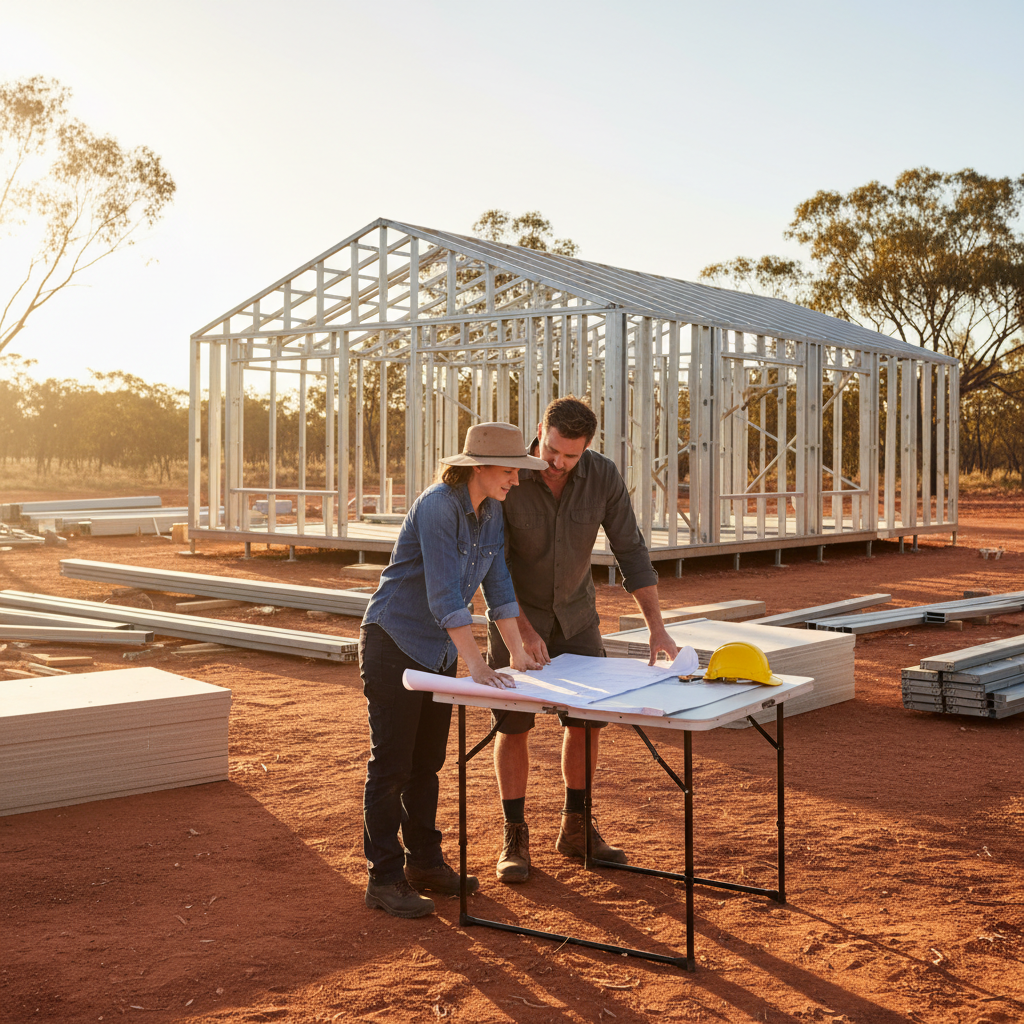
Keep a dedicated project folder in your car or on a cloud drive. Having your site plans and trade contacts at your fingertips allows you to solve problems in real-time. If a plumber has a question about the layout of the TRUECORE steel wall frames, you can pull up the diagram and provide an answer instantly, preventing a half-day delay.
3. Prioritize Your Critical Path
In project management, the 'critical path' is the sequence of stages that determines the duration of the project. If these tasks are delayed, the whole house is delayed. For an owner builder, this usually involves the slab, the frame, and getting the building 'to lockup'.
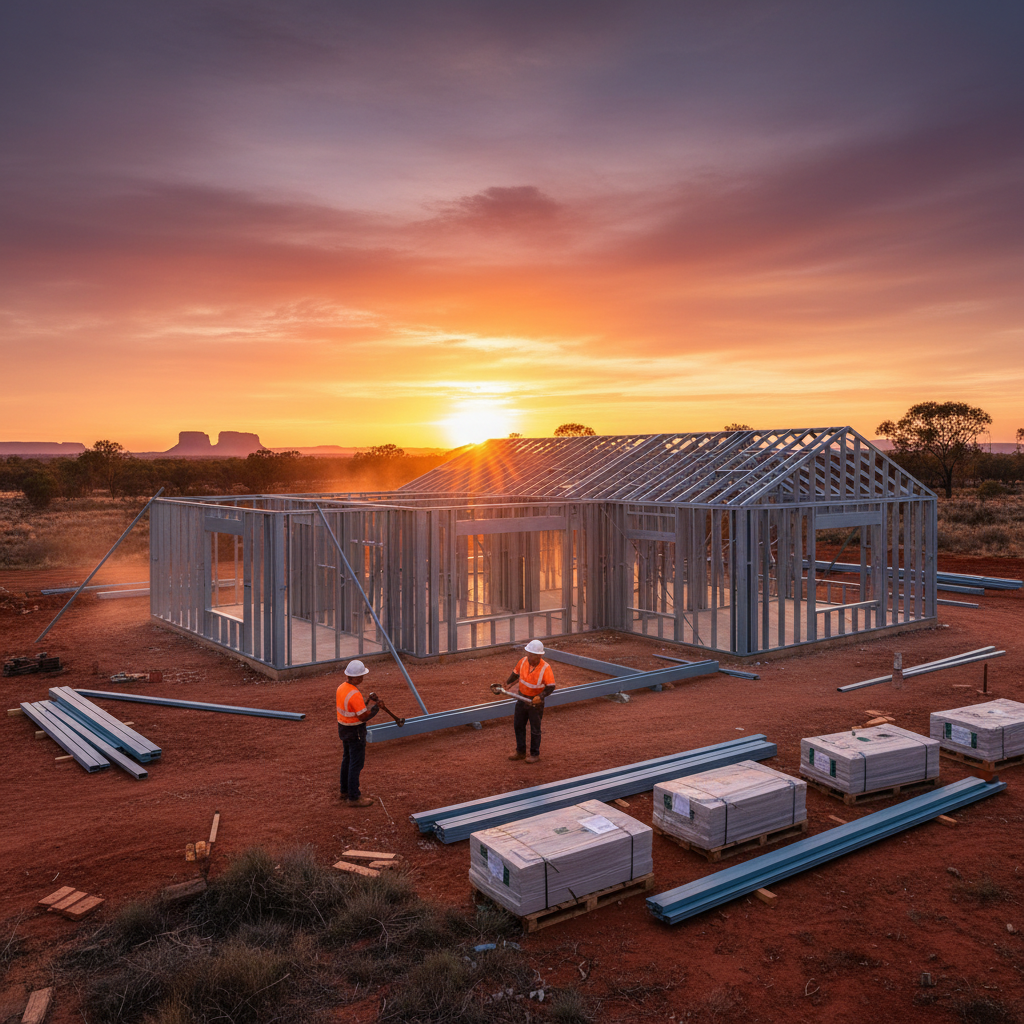
One of the major advantages of using a steel frame kit home is the speed and precision of the assembly. Unlike traditional timber that might require on-site cutting and adjusting, steel frames arrive pre-punched and ready to be bolted together. This predictability is a lifesaver for someone with limited hours. You can plan a long weekend to get the main frames standing, knowing that the components will fit exactly as designed. Focus your personal energy on these high-impact milestones and delegate or outsource the time-consuming finishings that do not move the needle as quickly.
4. The Art of Micro-Tasking
You do not always need an eight-hour block to make progress. In fact, some of the most successful owner builders are masters of the 'one-hour win'. If you get home at 5:30 PM and there is still some daylight, use that hour to tidy the site, move some insulation batts into position, or prep a surface for the next day. A clean site is a safe and efficient site. When your trades arrive the next morning, they won't be tripping over rubbish, which keeps them happy and on schedule.
5. Communication and the 'Tradie' Timeline
Most trades start early, often around 7:00 AM. If you can, adjust your work schedule slightly to allow for a 'site visit' before you head to the office. Being there for fifteen minutes in the morning to walk through the day's goals with your electrician or carpenter can prevent costly mistakes. It shows that you are an engaged owner builder who cares about the details. If you cannot be there in person, a quick text message or phone call at 7:05 AM serves the same purpose.
6. Understanding the 'Lockup' Advantage
For a full-time worker, reaching the lockup stage is a massive psychological and practical milestone. Once your roofing, cladding, windows, and doors are installed, the house is secure and weather-proof. This means you can work on the interior at your own pace, regardless of the weather or the time of day. You can spend an evening installing insulation or painting under the glow of work lights without worrying about a sudden rainstorm ruining your progress. Steel frames provide a perfectly straight and true substrate for your wall linings, which actually makes the internal fit-out faster and easier for a DIYer.
7. Managing Your Energy, Not Just Your Time
Building a home is a marathon, not a sprint. It is easy to go hard for the first three weeks and then hit a wall of exhaustion. To avoid burnout, schedule 'no-build' days. Take a Sunday off to spend with family or just to rest. This mental reset will actually make you more productive when you return to the site. Remember, the goal is to build a home you love, not to create a memory of a miserable experience.
8. Tech is Your Best Friend
Use technology to bridge the gap between your job and your site. There are many simple project management apps that allow you to track schedules, store photos of the build progress, and log expenses. Even a simple shared calendar with your partner or co-builder can ensure everyone is on the same page. Taking photos of the 'innards' of the house before the cladding and plasterboard go on is also a great use of time, as it helps you locate steel studs or plumbing lines later on.
Summary for Success
Becoming an owner builder while working full-time is an ambitious goal, but with a steel frame kit and a solid plan, it is entirely achievable. The key is to remain organized, communicate clearly with your trades, and utilize the inherent efficiencies of the kit home system. By focusing on the critical path and making the most of those small pockets of time, you will find yourself turning the key in the front door of your new home sooner than you think.
Stay focused on the end goal: a high-quality, durable home built with your own two hands (and a bit of clever scheduling). You have got this!