The Great Australian Balancing Act: Work, Life, and Site
So, you have decided to take the plunge. You have picked out a beautiful steel frame kit home, you have got your owner-builder permit, and you are ready to create your dream home with your own two hands. There is just one small detail: you still have a full-time job to attend to every Monday to Friday. Building a kit home in Australia is an incredible way to get exactly what you want out of a property, but when you are juggling a career alongside a construction site, time becomes your most precious resource.
Managing a project of this scale while working 38 to 40 hours a week requires more than just hard work. It requires a strategic approach to time management, a bit of grit, and a very organized calendar. This guide is designed for the weekend warriors and the after-hours legends who are building their future one evening at a time.
1. Treat Your Project Like a Second Business
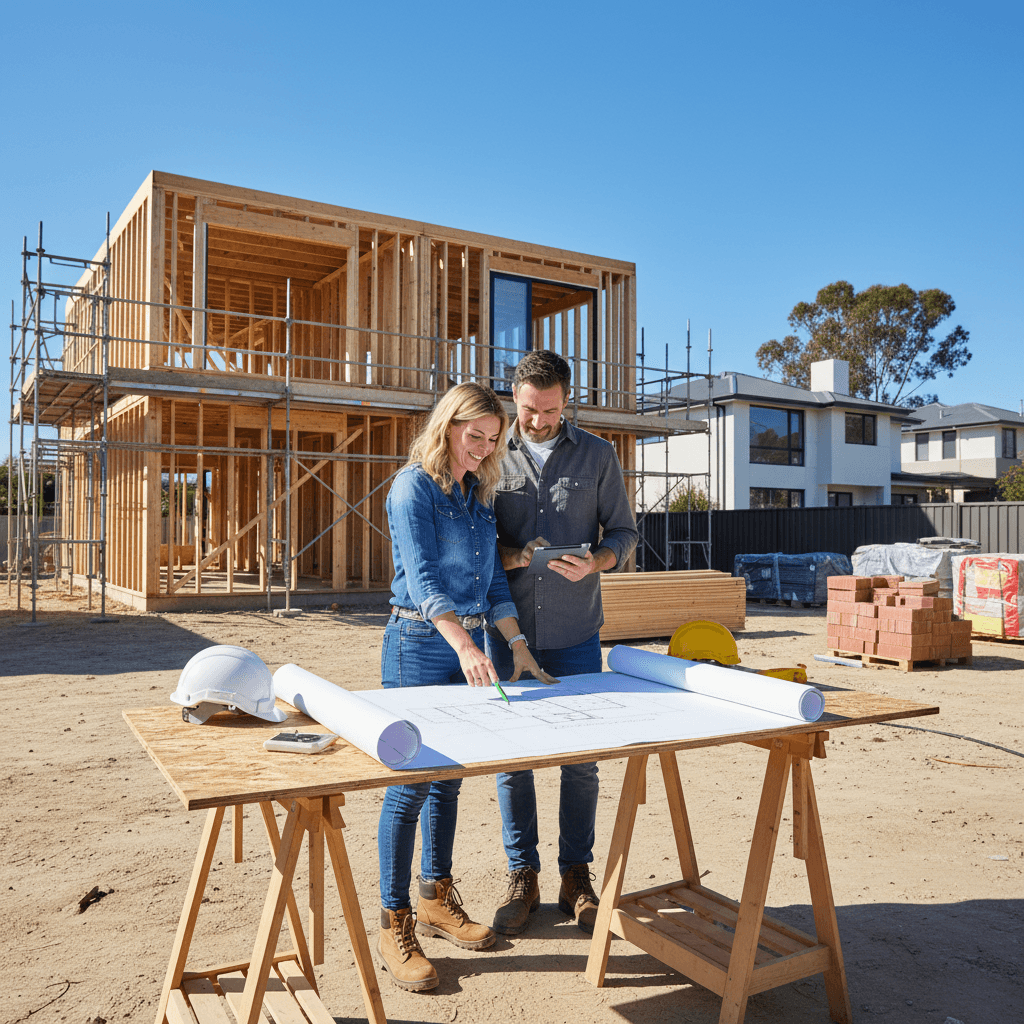
The biggest mistake many owner builders make is treating their build like a hobby. Redefine your mindset. Your kit home project is a high-stakes business venture that requires dedicated office hours. Since you are at work during the day, you must find windows of time to handle the administrative side of the build.
Use your lunch breaks for phone calls. This is the only time trades and council planners are actually in their offices. Avoid sending emails for urgent matters, as these can sit in inboxes for days. A five-minute phone call at 12:30 PM can save you three hours of stress later in the week. By the time you get home, the administrative heavy lifting should be done, leaving your evenings free for physical work or planning the next day.
2. The Power of the Sunday Night Sprint
In the world of kit homes, momentum is everything. To keep the project moving while you are at your day job, use Sunday evenings to map out the entire coming week. Ask yourself three questions:
- What materials need to be on-site by Wednesday?
- Which trades need a confirmation call for their Friday arrival?
- What specific task will I complete during my two-hour window on Tuesday night?
When you arrive home after a long day at work, the last thing you want to do is figure out what needs doing. Having a whiteboard in your current living space or out in the shed with a clear 'To-Do' list prevents decision fatigue. You want to be able to walk onto the site, pick up a tool, and start immediately.
3. Leveraging the Advantages of Kit Home Systems
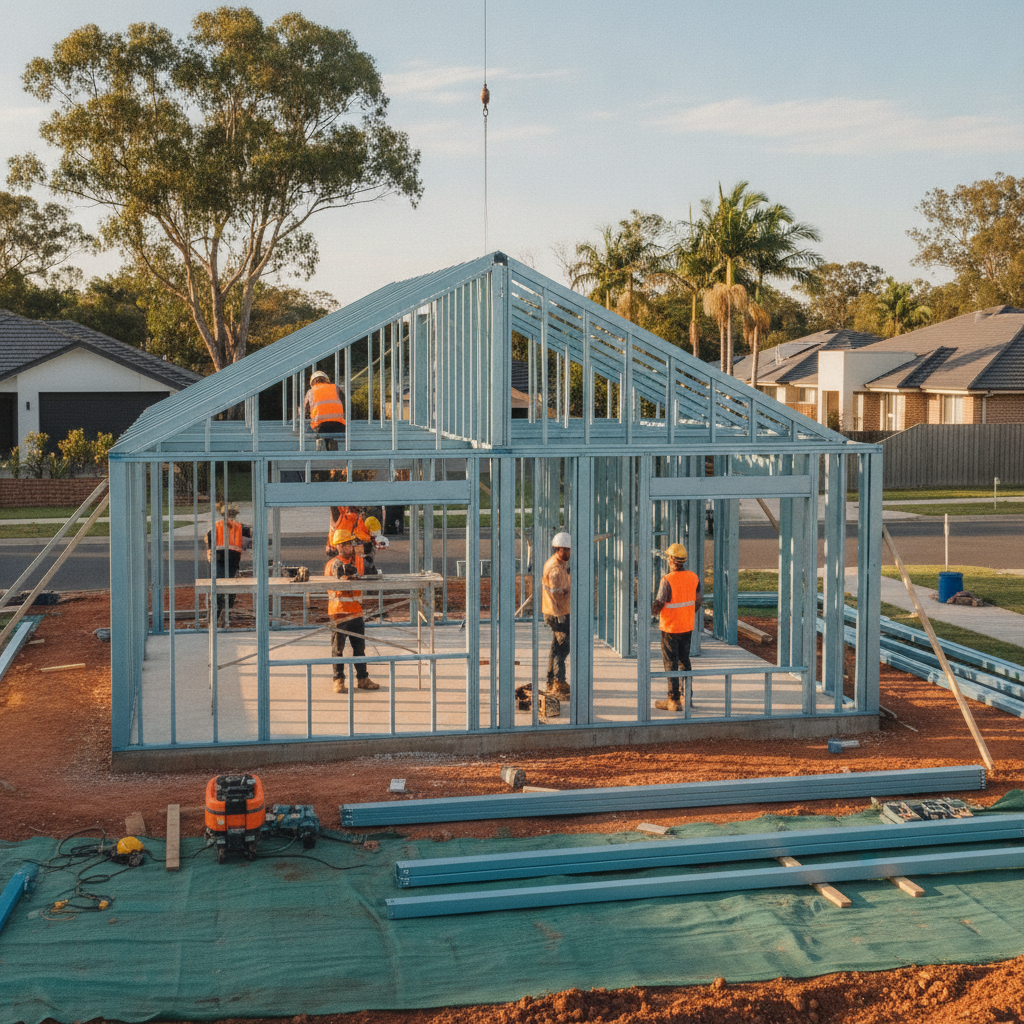
One of the reasons many Australians choose kit homes is the efficiency of the build process. When your delivery arrives, you aren't just getting a pile of raw timber. You are receiving precision-engineered components. Most modern kits, especially those using Australian steel frames, are designed for relatively fast assembly. The frames are often pre-punched for electrical and plumbing, which is a massive time-saver.
Because these steel frames are lightweight and durable, you can often manage segments of the assembly yourself or with one helper during those precious weekend hours. Understanding the 'logic' of your kit is essential. Spend time studying the plans before the kit even arrives on-site. If you understand the assembly sequence inside and out, you won't waste time scratching your head when you could be swinging a hammer.
4. Coordinating Trades While You Are Off-Site
As an owner builder, you don't have to do every single task yourself. In fact, you will be hiring trades for specialized work like electrical, plumbing, and potentially the slab. The challenge is managing them while you are at your desk in the city or on a job site elsewhere.
Communication is your primary tool here. Establish a clear protocol with your subcontractors. Ask them to send photos of their progress at the end of each day. This gives you peace of mind and allows you to spot potential issues before they are covered up. Providing your trades with a key safe or digital lock code ensures they can access the site without you needing to take a morning off work for every minor delivery or inspection.
5. The 'Two-Hour Rule' for Evening Consistency
It is easy to say, "I'll just do it all on Saturday," but weather, exhaustion, or family commitments can easily ruin a weekend. To keep the project on track, aim for the 'Two-Hour Rule'. Commit to two hours of work on-site at least three nights during the work week.
This might involve installing insulation, fixing cladding, or simply tidying the site so it is safe for trades the next day. Small, consistent increments of progress prevent the project from feeling stagnant. There is a psychological boost that comes from seeing something new finished every couple of days, rather than waiting for a weekly progress update.
6. Staging and Site Organization
A messy site is a time-sink. When you are building a kit home, you will have various components like roofing, windows, and doors arriving. If you have to move a pile of cladding three times to find the flashing you need, you are wasting valuable daylight.
Organize your site into zones. Have a dedicated area for the steel frames, a weather-proof spot for the doors and windows, and a clear path for deliveries. Ensure that the materials you need first are the most accessible. Since your time on-site is limited, every minute spent searching for a tool or moving obstacles is a minute taken away from the actual build.
7. Managing Your Energy, Not Just Your Time
Burnout is a real risk for the owner builder. Working 40 hours at a job and then another 20 to 30 hours on a house is sustainable for a few months, but it takes a toll. Listen to your body. If you are exhausted, your chance of making a mistake or having an accident increases significantly.
Schedule 'Zero Days' where you do absolutely nothing related to the house. Use this time to reconnect with your family or just rest. A well-rested builder is more efficient than a sleep-deprived one. Remember, the goal is to build a home you can enjoy for years to come, not to arrive at the finish line a physical wreck.
8. Utilizing Local Resources and Technology
Modern technology is a godsend for the busy owner builder. Use project management apps or even a simple shared spreadsheet to track milestones. Set up weather alerts on your phone so you can adjust your plans based on the forecast. If rain is predicted for the weekend, you might decide to focus on internal tasks or admin work instead of the roof.
Also, lean on your kit provider. If you are using a reputable Australian supplier, they will have technical support available. Don't spend three hours trying to solve a technical puzzle that a quick call to the frame manufacturer could solve in three minutes.
Conclusion: The Reward is Worth the Hustle
Building a kit home while working full-time is a marathon, not a sprint. It requires a unique blend of discipline, foresight, and flexibility. By treating the project with the same professional rigor as your day job, utilizing the efficiencies of steel frame kits, and maintaining a consistent 'bit-by-bit' approach, you can successfully navigate the complexities of being an owner builder.
When you finally turn the key and walk into a home that you managed and partially built yourself, the long nights and busy lunch breaks will feel like a small price to pay. Stay organized, keep the momentum going, and enjoy the process of bringing your Australian dream to life.