The Great Australian Balancing Act
So, you have decided to take the plunge. You have got the land, you have picked out a stunning steel frame kit home, and you are ready to earn that owner builder badge of honour. There is just one small catch: you still have a nine to five to attend to. For many Australians, the dream of building a home is fueled by the need to stay active in the workforce simultaneously. While the prospect of managing a construction site while answering emails or swinging a hammer on your lunch break sounds daunting, it is a path well travelled by many successful DIY builders.
At Owner Builder Tips, we see it all the time. The secret to success is not about having more hours in the day, but about how you deploy the hours you have. When you are working with a kit home, you already have a head start because the heavy lifting of engineering and design is largely handled. However, the logistical dance of site prep, trade coordination, and assembly requires a sharp mind and a disciplined calendar. Here is how you can manage your time effectively without losing your sanity or your salary.
1. Front-Load the Planning Phase
The biggest time-waster in any construction project is indecision. When you are working full-time, you cannot afford to be standing on-site at 7:00 AM wondering where the plumbing lines should go. You need to do the thinking when the sun is down so you can do the doing when the sun is up.
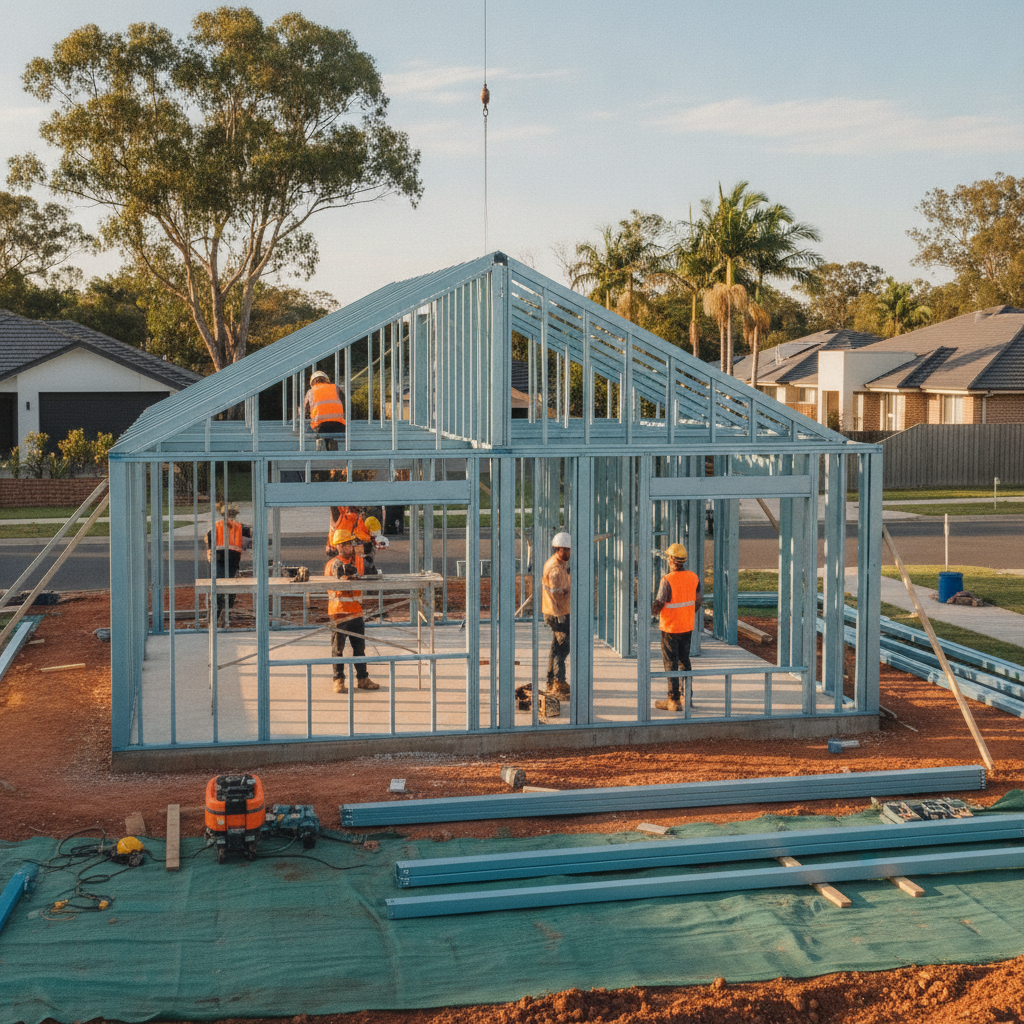
Spend your evenings reviewing your site plans and assembly manuals. If you are using a kit that features BlueScope TRUECORE steel, take the time to understand how the framing system pieces together. These frames are often precision-engineered for easy assembly, which is a massive time-saver, but only if you have read the instructions beforehand. Treat your planning phase like a second job for a few months. The more problems you solve on paper, the fewer you will have to solve while your boss is calling you for an urgent meeting.
2. Mastering the Art of the Early Morning Micro-Shift
Most tradies start their day at 6:30 or 7:00 AM. If you do not start your office job until 8:30 or 9:00 AM, that 90-minute window is your golden hour. Use this time for site inductions, brief meetings with your plumber or electrician, and checking on deliveries. Being on-site at sunrise allows you to set the tone for the day, answer any immediate questions from your contractors, and ensure the site is safe and accessible.
By the time you sit down at your desk for your day job, your site is already humming along. You can check in again during your lunch break via a quick phone call. This keeps the momentum going without you needing to be physically present for every single nail driven or screw turned.
3. Logistics and Delivery Management
One of the most stressful parts of being an owner builder is the logistics. When your kit home arrives, it usually comes in a series of major deliveries: the steel frames, the roofing material, the cladding, and the joinery. Coordinating these arrivals around a work schedule is tricky.
Pro tip: Schedule major deliveries for Monday mornings if possible. This gives you the weekend to ensure the site is clear and the access paths are ready. It also gives you the rest of the week to resolve any issues that might arise. Communicate clearly with your kit provider about your work constraints. Many companies are happy to work within a specific delivery window if they know you are juggling a career. When the kit arrives, having everything pre-cut and ready to go (like the steel frames we often discuss) means you spend less time measuring and more time erecting the structure during your precious weekend hours.
4. The Power of Selective Outsourcing
Being an owner builder does not mean you have to do every single task yourself. In fact, if you work full-time, trying to do everything is the fastest way to hit a wall. To manage your time, you must learn which tasks to DIY and which to delegate. Periodically, you should assess your hourly rate at your day job versus the cost of a specialist contractor.
For example, while you might be capable of installing all the insulation yourself over three weekends, a professional crew might knock it out in four hours on a Tuesday while you are at work. By paying for that speed, you save your weekends for tasks that you truly enjoy or that require your specific oversight. Use your time for the high-impact jobs, like assembling the steel wall frames or fixing the cladding, and outsource the time-consuming tasks that do not require your constant presence.
5. Digital Tools are Your Best Friend
Gone are the days of paper diaries and lost sticky notes. To be a successful working owner builder, you need to digitize your project. Use cloud-based project management tools or even a simple shared calendar to track milestones. Photo documentation is also vital. Ask your trades to snap a few photos of their progress and text them to you at the end of the day. This allows you to inspect the work from your desk and catch any potential issues early, rather than discovering them on Saturday morning when it is too late to fix them easily.
6. Respect the Weekend (But Use It Wisely)
Your weekends will inevitably become your primary construction blocks. To avoid burnout, try to dedicate one full day to heavy work and use the other half-day for cleaning the site, organizing tools, and prep work for the following week. A clean site is a fast site. If you spend your first two hours every Saturday morning looking for a lost hammer or moving piles of rubbish, you are wasting the most productive part of your week.
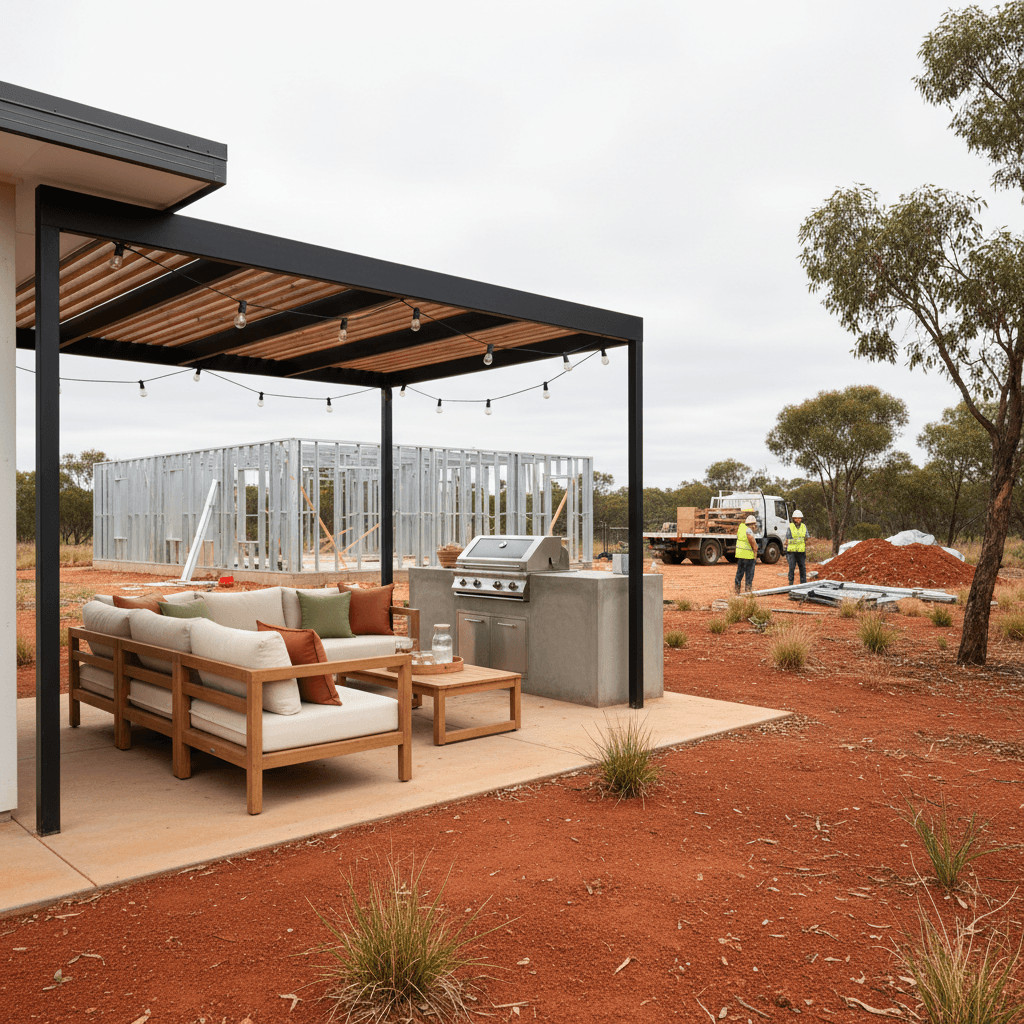
Also, involve your family and friends, but give them specific, manageable tasks. Having a mate help you stand the steel frames or hold windows in place while you secure them can turn a two-day job into a four-hour job. Just make sure the BBQ is fired up at the end of the day as a thank you!
7. Communication is Key
Early in the process, be honest with your trades about your work situation. Most Australian tradies are used to working with owner builders, but they appreciate knowing when you will be available. If you tell them, "I can't take calls between 10 AM and 12 PM, but I'm free at lunch," they will usually respect that. Clear communication prevents the "phone tag" game that can delay a project by days or weeks.
The Reward of Persistence
Building a kit home while working full-time is an endurance race, not a sprint. There will be weeks where progress feels slow, and there will be weeks where the house seems to grow out of the ground overnight. By using the precision of modern building materials, like pre-engineered steel frames, you reduce the margin for error and the time spent on-site fixing mistakes.
The key is to stay organized, stay realistic, and remember why you started this journey in the first place. When you finally turn the key in the door of a home you managed and built yourself, all those early mornings and lunch-break phone calls will feel like a very small price to pay.
Summary Tips for the Busy Owner Builder:
- Sync your calendars: Use digital tools to keep your work and build schedules in one place.
- Prioritize Steel: Consider the time-saving benefits of steel frames that are straight, true, and easy to bolt together.
- Site Cleanliness: Spend 30 minutes every Sunday evening prepping the site for Monday morning trades.
- Batch your tasks: Group similar activities together to minimize tool changes and mental shifts.
- Be kind to yourself: It is okay to take a weekend off occasionally to recharge the batteries.
Building your own home is one of the most rewarding things an Australian can do. With a bit of grit and some smart time management, you can absolutely make it happen without giving up your day job.