Coastal Design Without the Headache
Down on the South Coast last winter, I watched a bloke struggle with a set of timber rafters that had warped nearly ten millimetres just sitting on the slab for two weeks in the rain. It was a mess. That's the reality of building near the ocean. The air is thick with salt, the weather turns on a dime, and if your materials aren't up to the task, the dream of a coastal retreat fast becomes a maintenance nightmare. Most people start their kit home search with a floor plan, but they should be starting with the environment. If you're within five kilometres of the breaking surf, everything changes. Your windows need higher wind ratings, your cladding needs to be marine-grade, and your frame needs to stay straight despite the humidity.
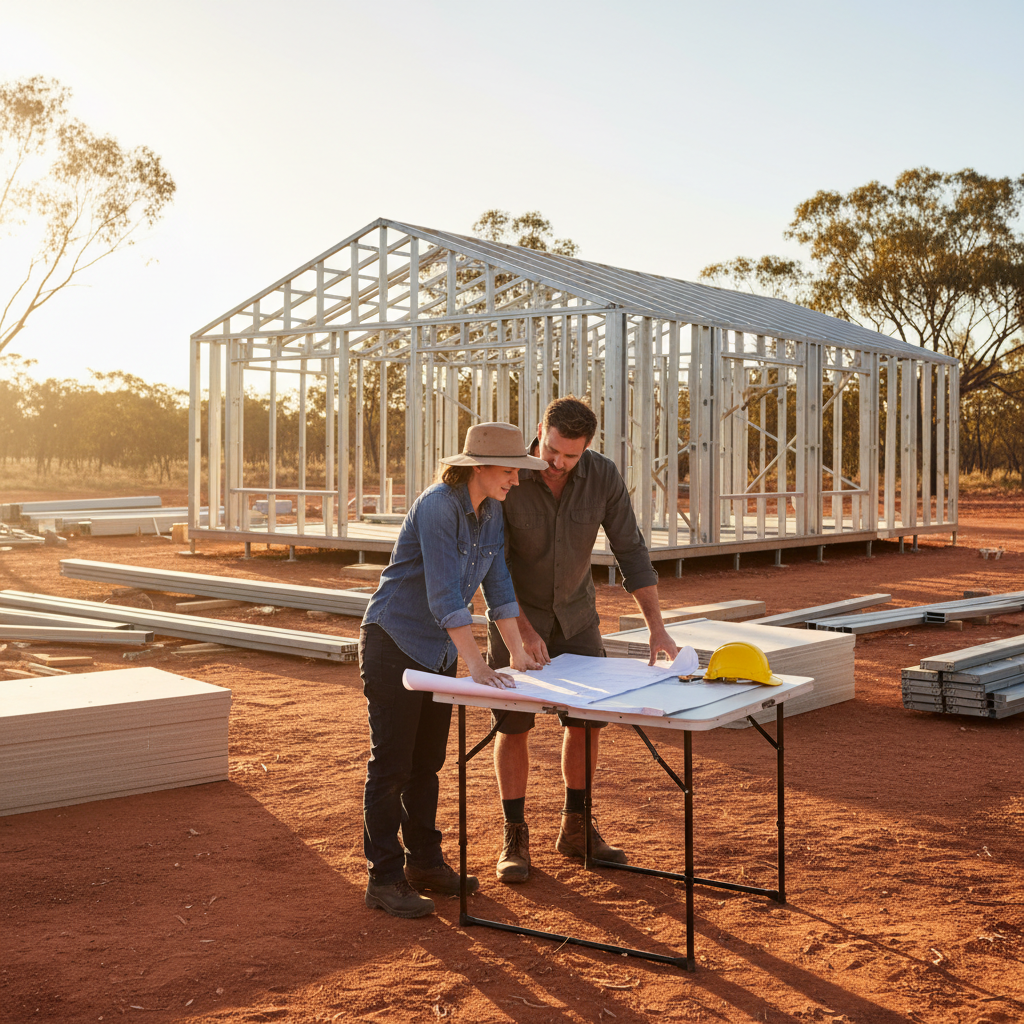
Coastal design isn't just about sticking a weatherboard look on a square box and calling it a day. It is about airflow. It is about deep eaves. And for the owner-builder, it is about ease of assembly when the afternoon northeasterly starts blowing hard across your site. When you're managing your own build on the coast, you want a kit that goes together like a big Meccano set. This is where BlueScope TRUECORE steel frames shine. They stay dead straight. Salt air won't make them rot, and termites - which absolutely love the damp sandy soil of beach towns - won't touch them. Plus, they're light enough that you aren't killing your back humping timber beams around the site.
Nailing the Aesthetic: Hamptons vs Modern Minimalist
Walk through any new estate in Noosa or Torquay and you'll see two clear winners. First, there's the modern farmhouse or Hamptons look. It uses thick, horizontal cladding and gabled roofs. It feels solid. Because kit homes allow for plenty of customisation, you can easily adapt a standard design to get that look. Think wide wrap-around verandahs. These aren't just for show. They keep the sun off your windows and give you a place to kick off sandy boots before you track them inside.
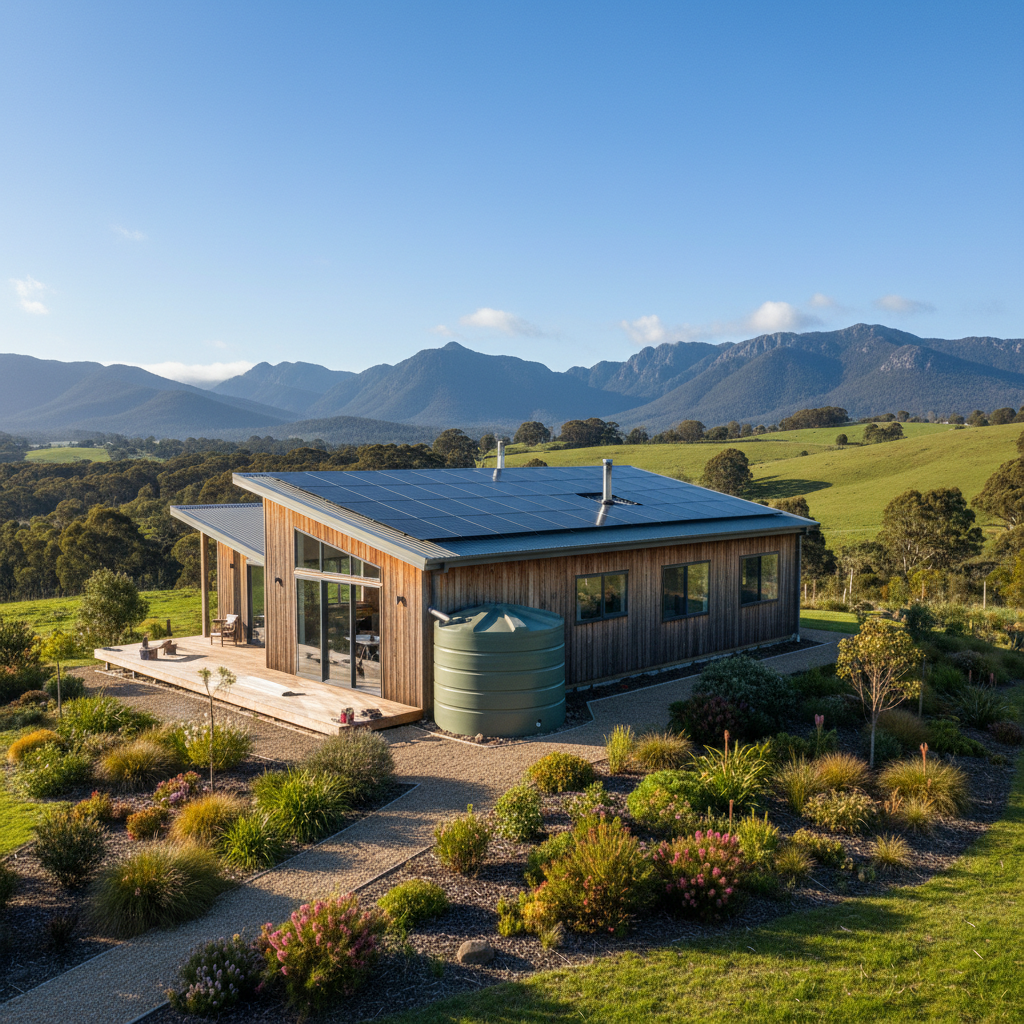
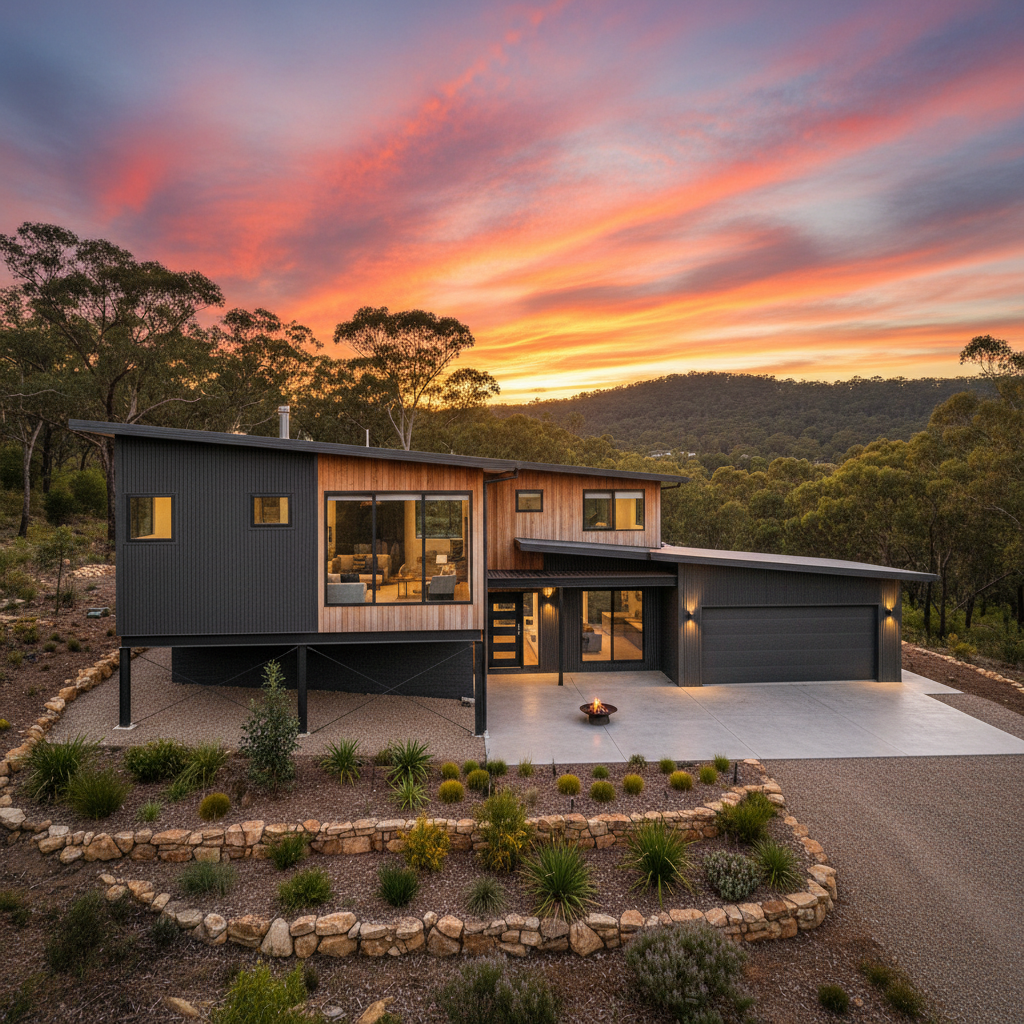
Then you've got the minimalist look. Think dark cladding, steep skillion roofs, and massive expanses of glass. Steel frames are perfect here because they allow for wider spans than traditional timber. You can have that massive four-meter sliding door opening onto a deck without needing a massive, expensive lintel that weighs a tonne. But remember. The more glass you have, the more you have to think about solar heat gain. Don't build a glass hot-house. Use your eaves.
Practical Tips for Coastal Owner-Builders
Managing a kit home build yourself is a huge undertaking, but it is doable if you are organised. Here is some real-world advice I've picked up from 15 years in the sheds. First, talk to your local council early. Coastal areas often have strict height restrictions or viewshed overlays. They want to make sure your new house isn't blocking the neighbor's view of the water.
Also, check your Bushfire Attack Level (BAL) rating. Even if you're right on the beach, you might be near coastal scrub or banksia forests. A steel-framed kit home is a massive advantage here because it's non-combustible. It won't satisfy every BAL requirement on its own, but it's a bloody good start. When you order your kit, make sure you mention your BAL rating so the windows and doors meet the Australian Standard AS 3959. It's much cheaper to get it right during the design phase than to try and retro-fit shutter systems later on.
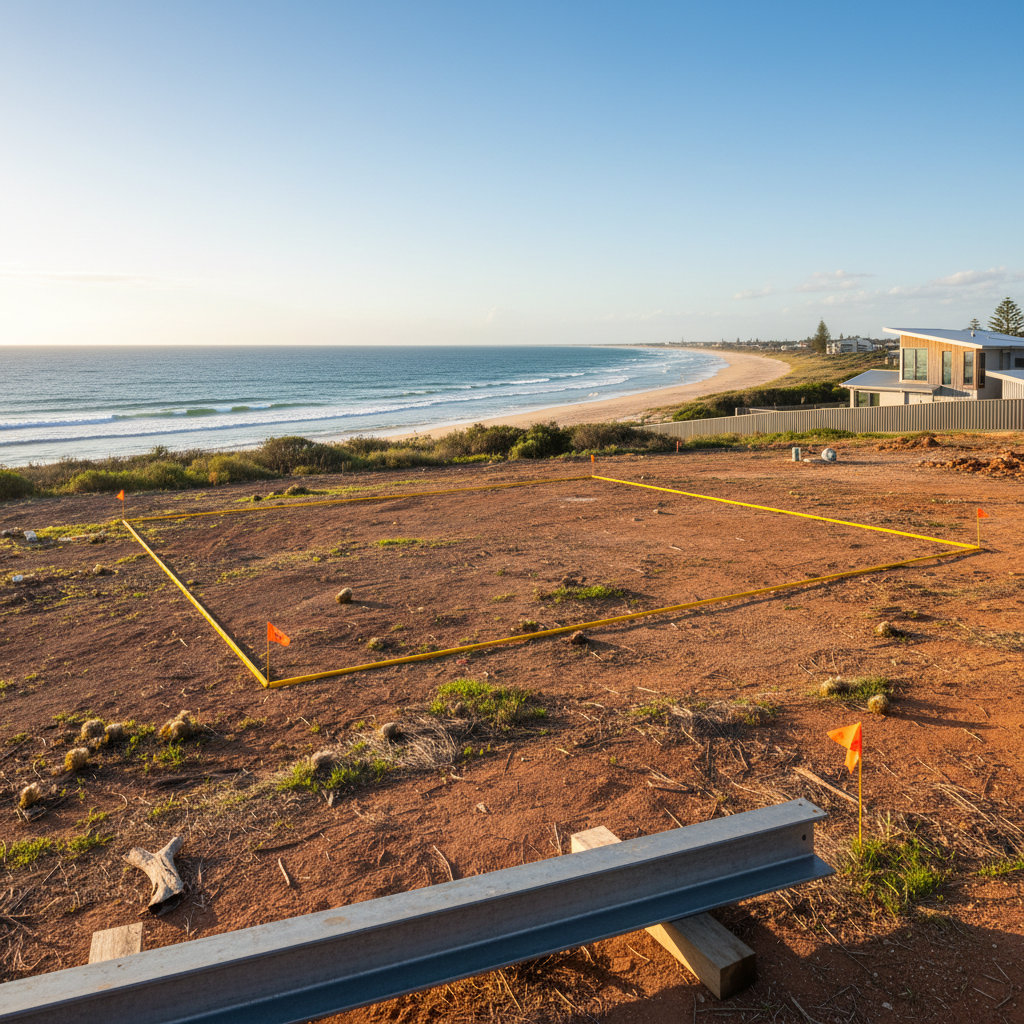
1. Get your slab right. Sand is a pain to build on. It shifts. Ensure your engineer knows exactly what the soil report says before you pour a drop of concrete.
2. Pick the right cladding. If you're in a high salt zone, standard finishes might not cut it. Look for Ultra grade finishes from BlueScope.
3. Think about the wash-down. Any metal on the coast needs to be washed occasionally by rain or a hose to prevent salt build-up. Design your roof so there aren't many unwashed areas under deep soffits where salt can sit and eat away at the finish.
4. Plan your trades months ahead. Sparkies and chippies in popular coastal towns are always flat out. Book them as soon as your kit is ordered.
Why Steel for the Coast?
There is a technical reason why most of the kits we deal with use TRUECORE steel. It's the precision. When you're an owner-builder, you don't have the time or the specialized tools to be planishing out-of-square timber walls. Steel frames are computer-cut. They're pre-punched for your electrical and plumbing. This saves you days of work. Because it's light and won't warp, those big coastal windows will actually open and close properly for the next thirty years. Timber moves. It expands in the humidity of a coastal summer and shrinks in the dry winter. Steel doesn't play those games. It stays exactly where you put it.
Inside the home, that stability matters too. You won't get those annoying plaster cracks in the corners as the house "settles". If you're going for a high-end coastal look with tiled floors throughout, you want a frame that isn't going to shift and pop your grout lines. It's a bit of peace of mind when the storms are howling off the Pacific.
Natural Light and Ventilation
Lifestyle is the whole point of moving to the coast. You want to smell the salt air without it ruining your furniture. Cross-ventilation is king. When looking at your floor plans, make sure you have windows on opposite sides of the main living area. This draws the breeze through. Also, consider the height of your ceilings. Most kit homes allow for increased ceiling heights. Going from 2.4m to 2.7m makes a small beach house feel like a mansion. It lets the heat rise away from you in summer.
And don't forget the outdoor shower. It’s the number one thing people regret skipping. It doesn't need to be fancy. Just a simple plumbed-in copper pipe on the side of the house near the laundry. It keeps the sand out of your bathroom and makes the house much easier to live in. We usually suggest placing it near the laundry door so kids can drop wet towels and bathers straight into the machine. It's those little lifestyle choices that turn a house into a proper coastal home.
The Reality Check
Building your own kit home isn't all sunshine and beers on the deck. It's a lot of paperwork. You'll be dealing with the NCC (National Construction Code) Volume 2, coordinating delivery trucks on narrow beach tracks, and making sure your waterproofing is absolutely spot on. But there is something about standing back and looking at a finished steel frame that you helped put together yourself. It's solid. It's straight. You know exactly what went into those walls.
If you're serious about a coastal build, don't just look at the pretty pictures on Instagram. Look at the specs. Look at the wind ratings. Ask about the steel thickness. And most importantly, choose a design that suits how you actually live. If you spend all day at the beach, you need a big mudroom and plenty of deck space. If you work from home, you'll want your office at the back away from the noise of the surf. Just keep it simple, keep it sturdy, and use materials that can handle the salt. You'll be glad you did when the first big east coast low rolls in and your house doesn't make a sound.