Creating a Productive Sanctuary in the Modern Australian Home
The Australian dream is evolving. While the backyard cricket pitch and the spacious veranda remain iconic, a new essential has climbed to the top of the priority list for home builders across the country: the high-performing home office. As more Australians embrace flexible work arrangements, the home is no longer just a place to rest, it is a place to create, innovate, and lead.
When you choose to build a kit home, you are not just buying a set of plans, you are taking the reins of your lifestyle. The flexibility of modern kit home designs allows owner builders to move beyond the traditional bedroom-plus-study nook. Instead, we are seeing a shift toward dedicated work pavilions, quiet zones, and architecturally inspired workspaces that feel like a natural extension of the home rather than an afterthought. In this guide, we will explore how to integrate a professional, stylish office into your steel frame kit home project.
The Architecture of Focus: Placement and Layout
One of the greatest advantages of being an owner builder is the ability to dictate exactly where your work life happens. When reviewing kit home floor plans, consider the orientation of your block and the flow of your daily routine. Do you need a space that offers total seclusion from the living areas, or do you prefer a central hub where you can keep an eye on the family while you work?
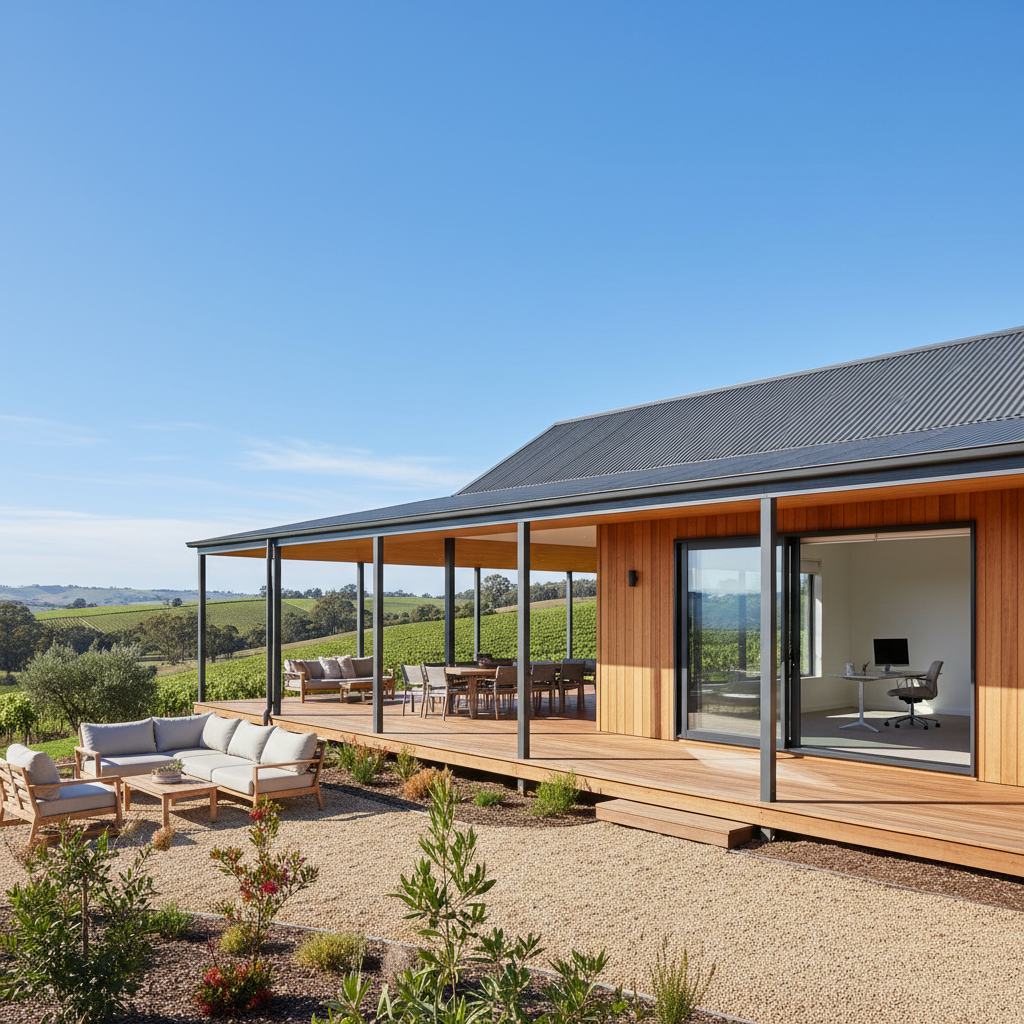
For many, the ideal home office is situated at the front of the home, perhaps adjacent to the entry. This is particularly useful if you occasionally meet clients or consultants, as it keeps your private living spaces separate from your professional life. Alternatively, some modern designs utilize a wing-style layout, where the office is separated from the main living area by a hallway or an internal courtyard. This physical distance creates a mental boundary that is essential for work-life balance.
Harnessing Natural Light and the Australian Landscape
We are blessed with incredible natural light in Australia, and your home office should take full advantage of it. When positioning your desk within your kit home layout, aim for south-facing windows if you want consistent, soft light throughout the day without the harsh glare of the direct sun. If you have a northern aspect, consider using deep eaves or adjustable louvres to control the heat during the summer months.
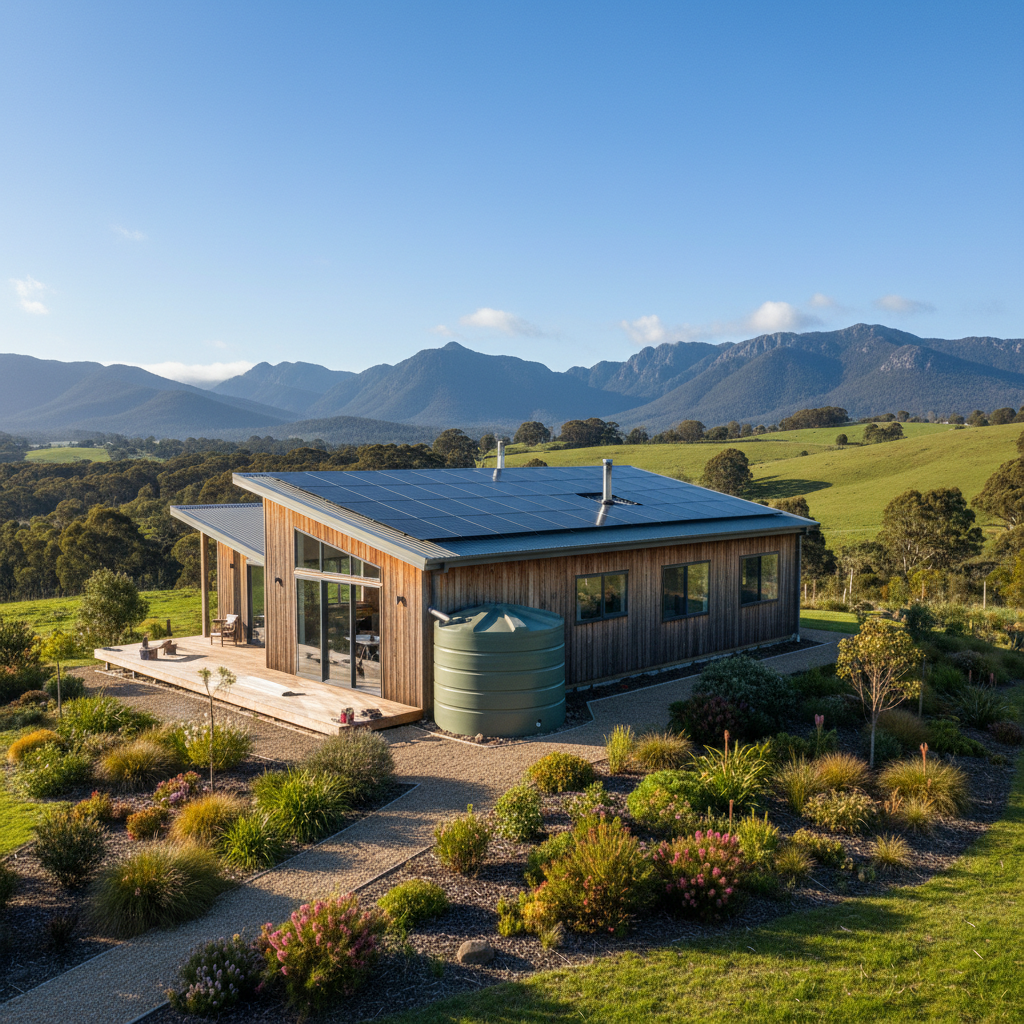
Incorporating large, high-quality windows is a hallmark of modern kit home design. Beyond just lighting, a connection to the outdoors (biophilic design) has been proven to reduce stress and increase productivity. Whether your view is of a manicured garden or native bushland, framing that view is a key design choice that will make your workday significantly more enjoyable.
The Strength Behind the Design: Why Steel Frames Matter
While the aesthetic details like paint colors and timber flooring get most of the attention, the structural integrity of your home plays an underrated role in your office environment. Most premium Australian kit homes utilize BlueScope steel frames, specifically brands like TRUECORE steel. This choice offers several subtle but significant benefits for a home worker.
Firstly, steel frames are incredibly straight and true. This means your walls will be perfectly flat, which is vital when you are installing custom built-in cabinetry, floating shelves, or expansive desks. There is nothing more frustrating for an owner builder than trying to fit a sleek, modern desk into a corner that isn't square. Secondly, the strength-to-weight ratio of steel allows for larger open spans and bigger windows. If you want a wide, uninterrupted window right in front of your desk to soak in the view, a steel frame provides the structural support to make it happen without the need for bulky columns or supports.
Acoustics and Privacy: Engineering a Quiet Zone
Privacy is the number one challenge for anyone working from home. A kit home offers the perfect opportunity to plan your soundproofing from the ground up. During the construction phase, owner builders can easily upgrade the insulation within the internal walls surrounding the office. Using high-density acoustic batts inside your steel frame walls will significantly dampen the sound of the television or kids playing in the next room.
Consider the door as well. A solid-core door provides much better sound insulation than a standard hollow-core door. When you are managing your own fit-out, these are the small upgrades that transform a standard room into a professional executive suite.
Australian Housing Trends: The Rise of the 'Zoom Room'
In recent years, we have seen a trend toward the 'Zoom Room', a space specifically curated to look professional on camera. This means thinking about your background as much as your desk. In modern kits, many people are opting for feature walls using timber cladding or subtle textures that add depth without being distracting. Proper lighting is also key, ensuring you have a blend of natural light from the side (to avoid being a silhouette) and warm, overhead LED task lighting.
Practical Tips for the Owner Builder
When you are at the stage of arranging your trades and managing your kit home assembly, keep these practical office tips in mind:
- Data and Power: Never underestimate how many power points you need. Work with your electrician to install a dedicated data point in the office and plenty of GPOs (General Purpose Outlets) both above and below desk height.
- Storage Integration: Use the vertical space. If you are building a smaller kit home, floor-to-ceiling shelving can provide ample storage for files and equipment without eating into your floor space.
- Ventilation: Ensure your office has excellent cross-ventilation. A small, stuffy room will lead to a mid-afternoon energy slump. Position your windows to catch the local breeze.
- Ergonomics for the Long Haul: Invest in the best chair you can afford. While the kit home provides the shell, your comfort within it is what makes the space usable long-term.
Owner Builder Tip: The DIY Fit-Out
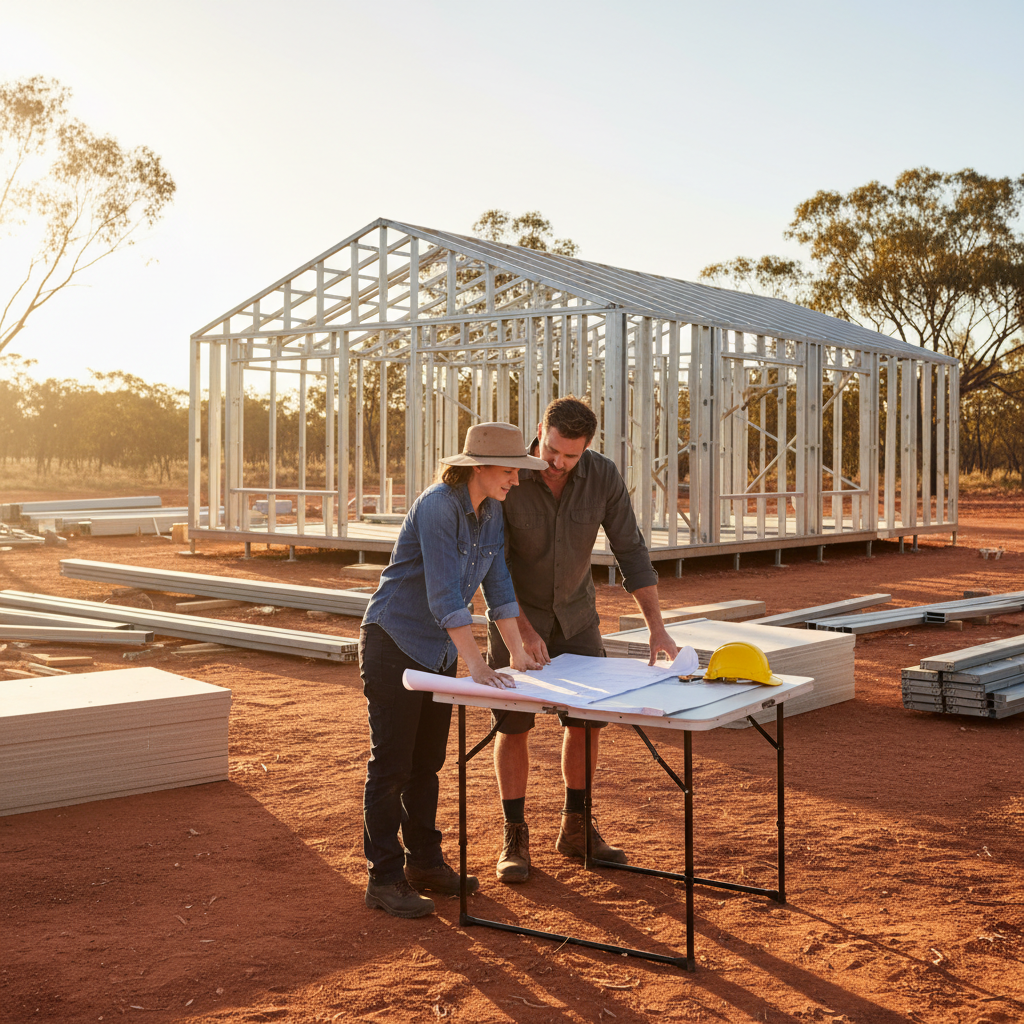
As an owner builder, you have the freedom to customize your office fit-out to your exact needs. Once your kit home is at the 'lock-up' stage (windows and doors on, roof finished), you can take your time with the interior. Many owner builders find that building their own floating desk using a beautiful piece of Australian hardwood is a rewarding project that adds a bespoke luxury feel to the home without a massive price tag. Because your steel frames are termite-proof and won't warp, you can rest assured that your high-end cabinetry and finishes will remain stable for decades to come.
The Lifestyle Connection: Work-Life Integration
Building a kit home is about more than just shelter, it is about creating a life that works for you. By thoughtfully integrating a home office into your design, you are reclaiming your time. No more long commutes means more time for a morning walk, a coffee on the deck, or an extra hour with the family. When your office is designed with the same care and aesthetic consideration as your living room, 'going to work' becomes a pleasure rather than a chore.
Conclusion: Your Home, Your Rules
The beauty of the Australian kit home lies in its versatility. Whether you are building a compact coastal retreat or a sprawling rural homestead, the inclusion of a well-planned home office ensures your home is ready for the future. By focusing on smart layout choices, leveraging the strength of steel frame construction, and paying attention to the lifestyle details that matter, you can create a workspace that is as hardworking as you are. As an owner builder, you are the architect of your own daily experience. Make it a workspace worth waking up for.