The Great Move North (and South, and West)
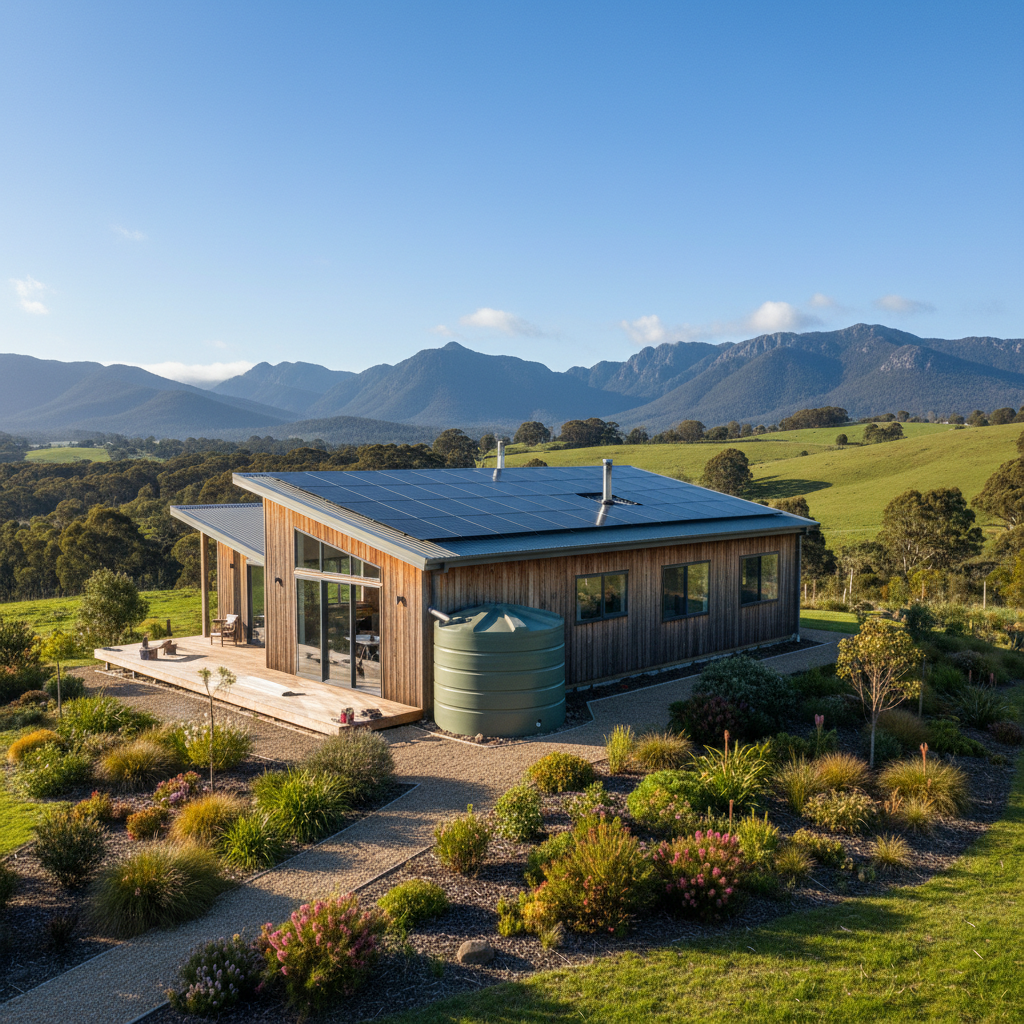
Driving through the Hinterland behind the Sunshine Coast or the rolling hills of the Southern Highlands, you'll see it. New fence lines. Fresh gravel tracks. The morning air smells like damp eucalyptus and freshly cut pine. People are quitting the 600 square metre blocks in Western Sydney or the Melbourne fringe for something bigger. They want space. But building 400 kilometres from the nearest capital city isn't the same as knocking up a duplex in the suburbs. It’s harder. Most big-name builders won't even look at a job if it's more than an hour from their depot. And if they do? They'll slap a 'distance tax' on the quote that'll make your eyes water. That is exactly why kit homes have become the default choice for the modern Aussie tree-changer.
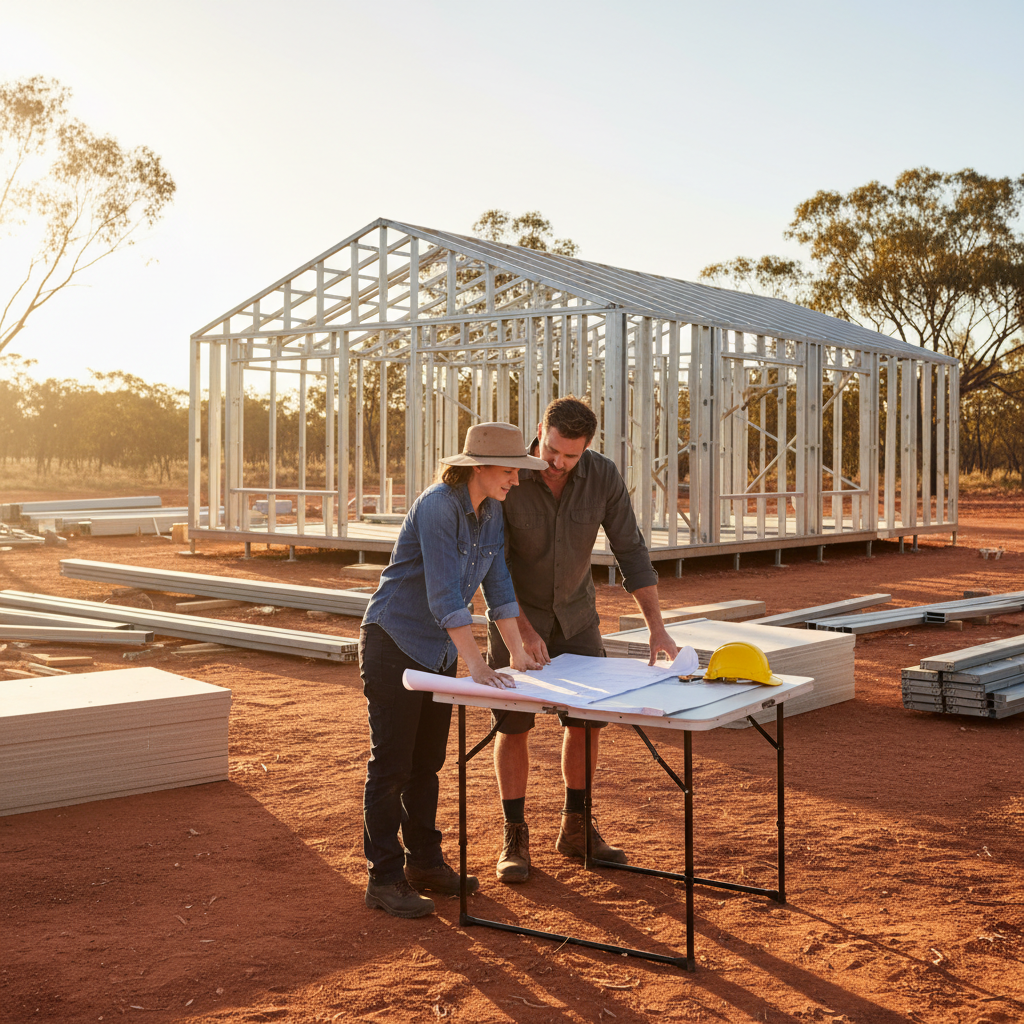
Kit homes work out here because they solve the logistics nightmare. Instead of fifty different deliveries for every stick of timber and bag of nails, the whole shell arrives on a truck. It's a closed system. You get your TRUECORE steel frames, your Colorbond roofing, the windows, and the cladding in one coordinated hit. This matters when you’re building at the end of a dirt track where the local delivery driver only visits on Tuesdays if it hasn't rained. I’ve seen owner-builders get stuck for six weeks because a single window didn't show up on a traditional build. With a kit, you've got the bones of the house ready to go from day one.
The Steel Factor in the Scrub
Down in the bush, nature is trying to eat your house. If it’s not the moisture, it’s the termites. Subterranean termites don't care about your Pinterest board or your goals for a 'zen retreat'. They want wood. This is the primary reason we see such a massive lean towards steel frames in regional NSW and Queensland. Steel doesn't rot. It doesn't warp when the humidity hits 90 percent in January. Most importantly, it's 100 percent termite-proof. You aren't just building a house; you're building a fortress against the elements. Because your frames are manufactured with millimetre precision in a factory setting, they arrive straight. No wonky walls because the timber sat in the rain for three weeks before the chippy arrived.
But let's be real for a second. Steel is fantastic, but you need to know how to work with it. If you’re planning on hanging a massive 80kg TV or heavy cabinetry in the kitchen, tell your supplier early. You’ll want extra noggins or ply-backing in those specific spots. You can't just screw into a steel stud anywhere like you might with a 90x45 pine stud. It takes a bit of planning. But that trade-off is worth it when you consider the fire resistance. If you’re building in a Bushfire Attack Level (BAL) zone, which most tree-changers are, steel is your best friend. It helps you meet those strict AS 3959 requirements without having to spend a fortune on specialty timber treatments.
The Reality of the Owner-Builder Path
Becoming an owner-builder isn't just a way to save a few bucks. It’s about control. In the regions, finding a reliable builder who isn't booked out until 2027 is like finding a needle in a haystack. By taking on the project management yourself, you become the boss. You hire the plumber. You find the sparky. You coordinate the slab pour. It’s a lot of phone calls. Your Friday nights will be spent looking at the NCC Volume 2 and double-checking set-backs. But the satisfaction of seeing that first sheet of cladding go on? You can't beat it.
Practical tip: get your owner-builder permit sorted before the kit arrives. Each state has different rules. In NSW, you’ll need to do a short course and get a permit from Fair Trading if the work is over a certain value. In QLD, it’s the QBCC. Don't leave this until the last minute. Also, make friends with the local earthmover. A good bobcat operator who knows the local soil is worth their weight in gold. They’ll tell you if your site is going to turn into a swamp the moment a cloud appears, which is something a city-based architect might miss.
Design for the Aspect, Not the Trend
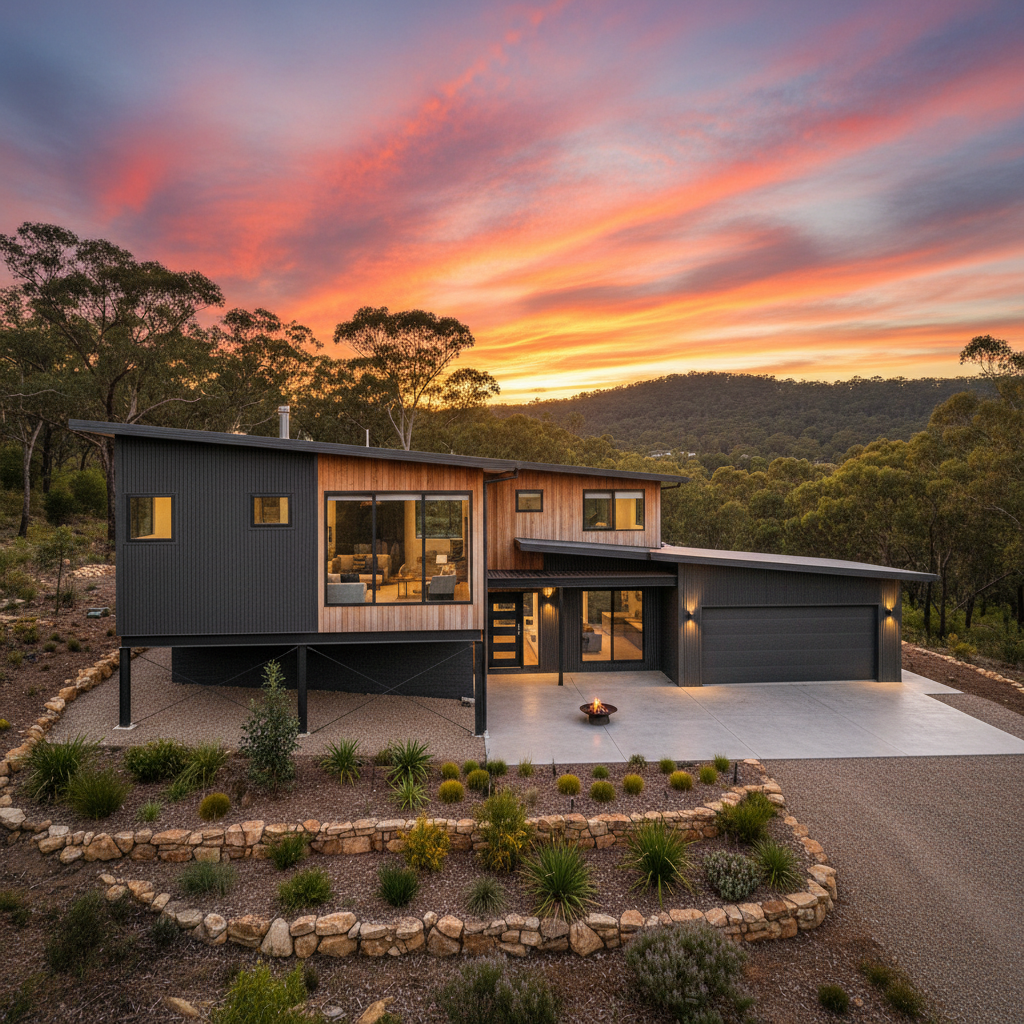
One mistake I see constantly is people bringing 'city designs' to the country. They want huge floor-to-ceiling glass facing the road because it looked good in a magazine. Out here, you design for the sun. You want those wide eaves to keep the summer heat off the glass. You want cross-ventilation. Kit homes are inherently flexible. Since the steel frames do the heavy lifting structurally, you can often play with internal layouts more than you think. Want a massive mudroom for your dirty boots? Build it. Want a pantry bigger than your first apartment? Go for it. Just remember that every extra corner or complex roof line adds time to the build. Keep it simple, keep it functional.
Think about your site access too. I once saw a bloke buy a kit for a beautiful sloping block in the Noosa Hinterland. Great spot. Except the delivery truck couldn't make the turn on the narrow track. They had to double-handle every single frame with a smaller ute. It took three days instead of three hours. Check your clearances. Talk to your kit provider about the size of the truck. Measure the gate. Then measure it again.
The Trades Gap in Regional Australia
So, you’ve got your kit and your slab is down. Now you need trades. This is where the regional shift gets tricky. Small country towns have a different rhythm. You don't find your trades on a flashy app; you find them at the local hardware store at 6:30 am or by asking the guy who delivered your gravel. Because you're using a kit with pre-punched holes for electrical and plumbing, your trades will actually like you. It makes their job faster. They aren't standing there drilling through timber studs all day. They can pull their cables and pipes through the steel frames with half the effort.
Just remember to be respectful of their time. If a sparky says he'll be there 'after frost' or 'when the creek goes down', he means it. Building in the country requires a different level of patience. You aren't just building a house; you’re joining a community. The bloke who does your tiling might also be the captain of the local fire brigade. Treat people well and your build will go a lot smoother.
Living the Change
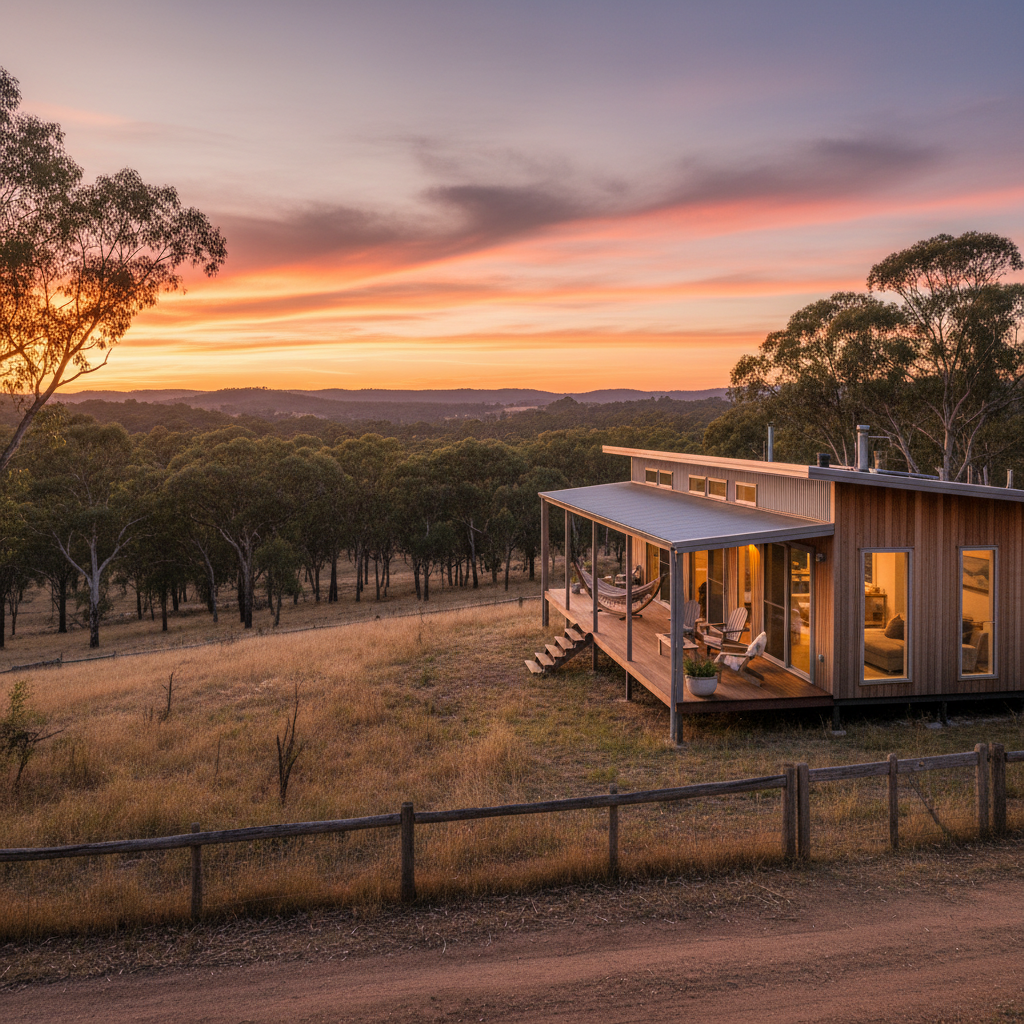
The trend of moving to the regions isn't slowing down. High-speed internet across the bush means you can work from a home office that overlooks a valley instead of a car park. Kit homes provide the bridge between wanting that life and actually being able to afford it. They take the mystery out of the structural side of things. You get a set of plans, a pile of high-quality Australian steel, and a path forward. It’s not a 'pop-up' house. It’s a permanent, engineered home that will outlast most of the project homes being thrown up in the suburbs today. It just happens to come in a few more boxes than the average person is used to. So, if you're standing on a bare patch of dirt today, wondering if you can actually do this? You can. It just takes a bit of grit, a good cordless impact driver, and a solid plan.