The Owner-Builder Journey: Balancing DIY Spirit with Professional Quality
There is a unique sense of pride that comes with standing in front of a home you helped build with your own two hands. Across Australia, the kit home movement is gaining serious momentum, fueled by a generation of owner-builders who want more control over their living spaces and their project timelines. However, the path to a finished home is paved with a million individual tasks, and for many, the biggest question is not how to build, but what to build personally versus what to delegate to the pros.
When you take on a kit home project, you are essentially the project manager. You are the conductor of a very complex architectural orchestra. While the temptation to pick up a hammer for every single stage is strong, understanding your own limits, the legal requirements in your state, and the technical complexities of modern construction is vital for a successful move-in day.
Understanding the Kit Home Landscape in Australia
Before diving into the tools, it helps to understand what you are actually working with. A quality Australian kit home typically arrives on-site as a comprehensive package including high-quality steel frames, often made from durable materials like BlueScope TRUECORE steel. These systems are designed for precision, meaning the components are engineered to fit together perfectly, which is a major win for the DIY enthusiast. You will usually receive the roofing, cladding, windows, doors, and insulation, but the actual assembly and finishing are where your decision-making skills come into play.
The DIY Green Zone: Tasks You Can Likely Tackle
For most owner-builders with a decent set of tools and a bit of patience, there are several stages of the build that are perfectly suited to the DIY approach. These tasks allow you to put your personal stamp on the property while keeping the project moving at your own pace.
1. Site Preparation and Landscaping
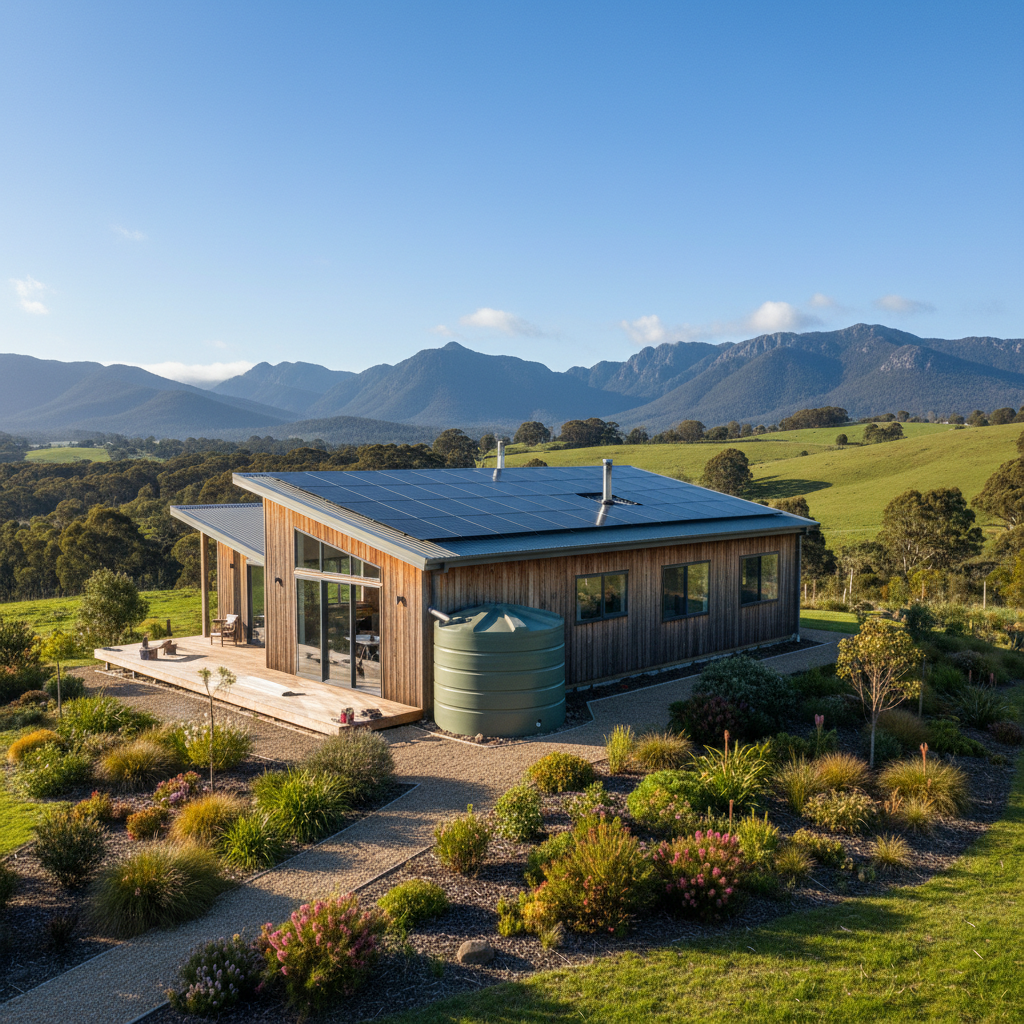
While you will need a professional for major earthworks and the slab, the general site cleanup, silt fence installation, and preliminary clearing can often be managed yourself. Once the building is nearing completion, the landscaping is another area where DIYers shine. Planting native Australian gardens, laying turf, and building non-structural retaining walls or garden beds are rewarding ways to finish the project.
2. Standing the Steel Frames
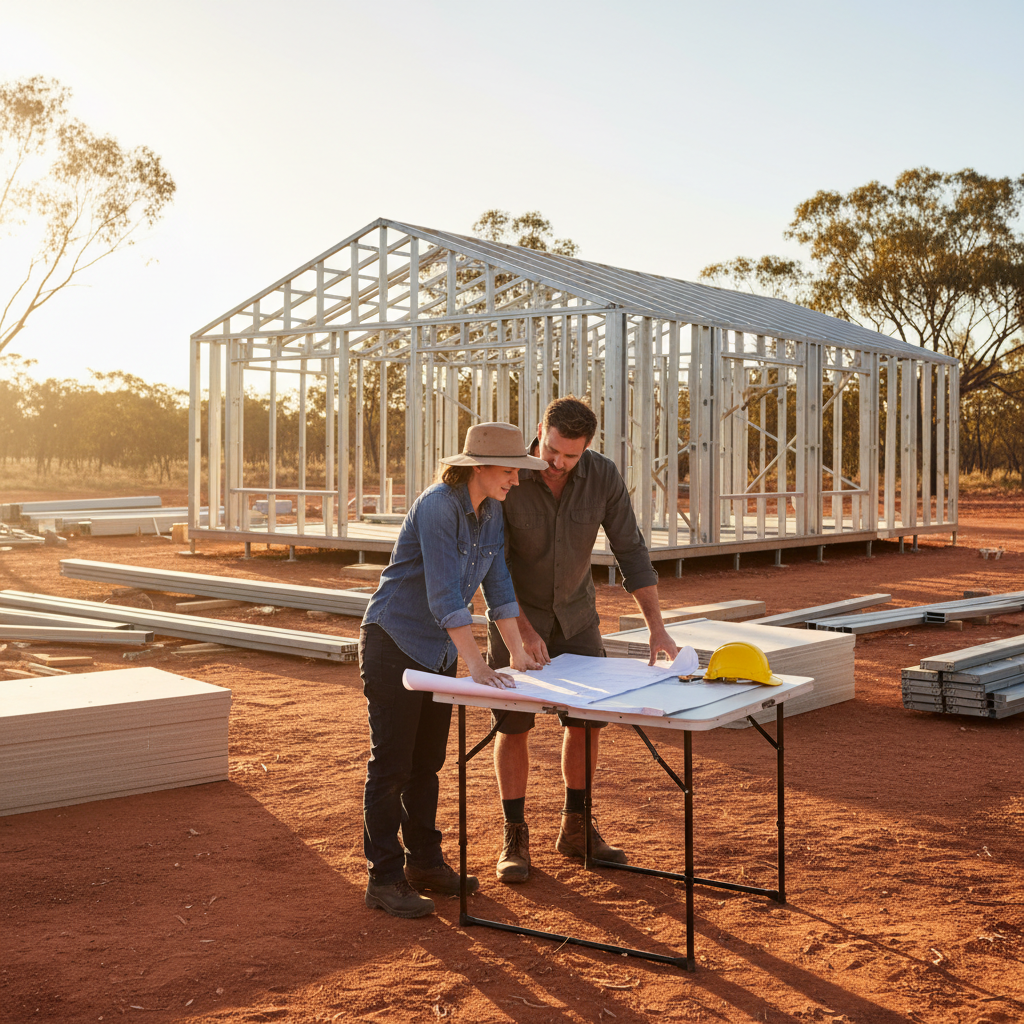
This is where things get exciting. Modern steel frames are remarkably lightweight and designed for efficiency. Because they are pre-punched and labeled, many owner-builders find that standing the frames is a manageable task, provided they have a few extra pairs of hands. It is like a giant, life-sized construction set. Just ensure you follow the engineering plans to the letter and check for squareness and level at every single corner.
3. Installing Insulation and Internal Linings
Installing wall batts or foil wrap is a straightforward, albeit itchy, job that most people can handle. Similarly, once the structural inspections are cleared, hanging plasterboard is a common DIY task. However, a word of advice: while hanging the sheets is one thing, the flushing and sanding (plastering) is an art form. You might want to DIY the hanging and hire a professional flusher to ensure a perfectly smooth finish that won't show imperfections once you paint.
4. Painting and Internal Trim
Painting is the classic owner-builder task. It takes time, but it saves a significant amount of money and is difficult to mess up permanently. Likewise, installing skirting boards, architraves, and basic cabinetry can be done by a patient DIYer with a good mitre saw.
The Professional Zone: When to Call in the Experts
Australia has strict building codes and safety regulations. For some tasks, hiring a licensed professional is not just a good idea, it is a legal requirement. Trying to bypass these can lead to insurance issues, council headaches, or even dangerous living conditions.
1. Electrical and Plumbing
This is non-negotiable. You must use licensed trades for all electrical and plumbing rough-ins and fit-outs. In Australia, you need compliance certificates for these works to get your final occupancy permit. Do not attempt to wire your own home or plumb the main lines. You can, however, save money by being the 'laborer' for your plumber, such as digging trenches or helping move materials, if they are open to it.
2. The Foundation and Concrete Slab
The slab is the most important part of your house. If it is out by even a few centimeters, your steel frames won't fit correctly, and you will be fighting a losing battle for the rest of the build. Hire a professional concreter who understands the precision required for kit home foundations.
3. Waterproofing
Waterproofing wet areas like bathrooms and laundries is a high-risk task. If it fails, the damage can cost tens of thousands of dollars to fix. Many Australian states require a licensed waterproofer to sign off on the work for warranty purposes. This is a task where professional experience is worth every cent.
4. Specialist Roofing
While many kit home owners feel comfortable with cladding, working at heights on a roof requires specific safety gear and expertise. If your design has complex roof lines or if you are not comfortable with heights, hiring a professional roof plumber ensures the building is watertight and meets all safety standards.
Practical Tips for Managing Your Trades
When you do hire professionals, your role shifts from builder to manager. Here is how to handle that successfully:
- Verify Licenses: Always check that your tradespeople have current licenses and insurance through your state builder's practitioner board.
- Communication is Key: Be clear about the kit home nature of the project. Some trades are used to traditional timber builds, so explain the steel frame system and provide them with the relevant plans early.
- Schedule Smart: Don't book your tiler before your plumber has finished. Create a realistic timeline and leave buffer room for weather delays.
- Be Respected, Not Just a Boss: Treat your trades well. A friendly environment and a clean site often result in better quality work and a willingness to help you out if complications arise.
Finding the Balance: The Hybrid Approach
The most successful Australian owner-builders often take a hybrid approach. They tackle the labor-intensive but lower-risk tasks, such as site cleanup, painting, landscaping, and minor carpentry, while outsourcing the high-technicality and high-risk work. This keeps the project moving, maintains a high standard of quality, and ensures the home is fully compliant with Australian Standards.
Building a home is a marathon, not a sprint. If you try to do everything yourself while working a full-time job, you might face burnout before the house is even locked up. Use your DIY energy where it makes the most impact, and don't be afraid to lean on professional expertise for the technical heavy lifting.
Conclusion: Your Home, Your Journey
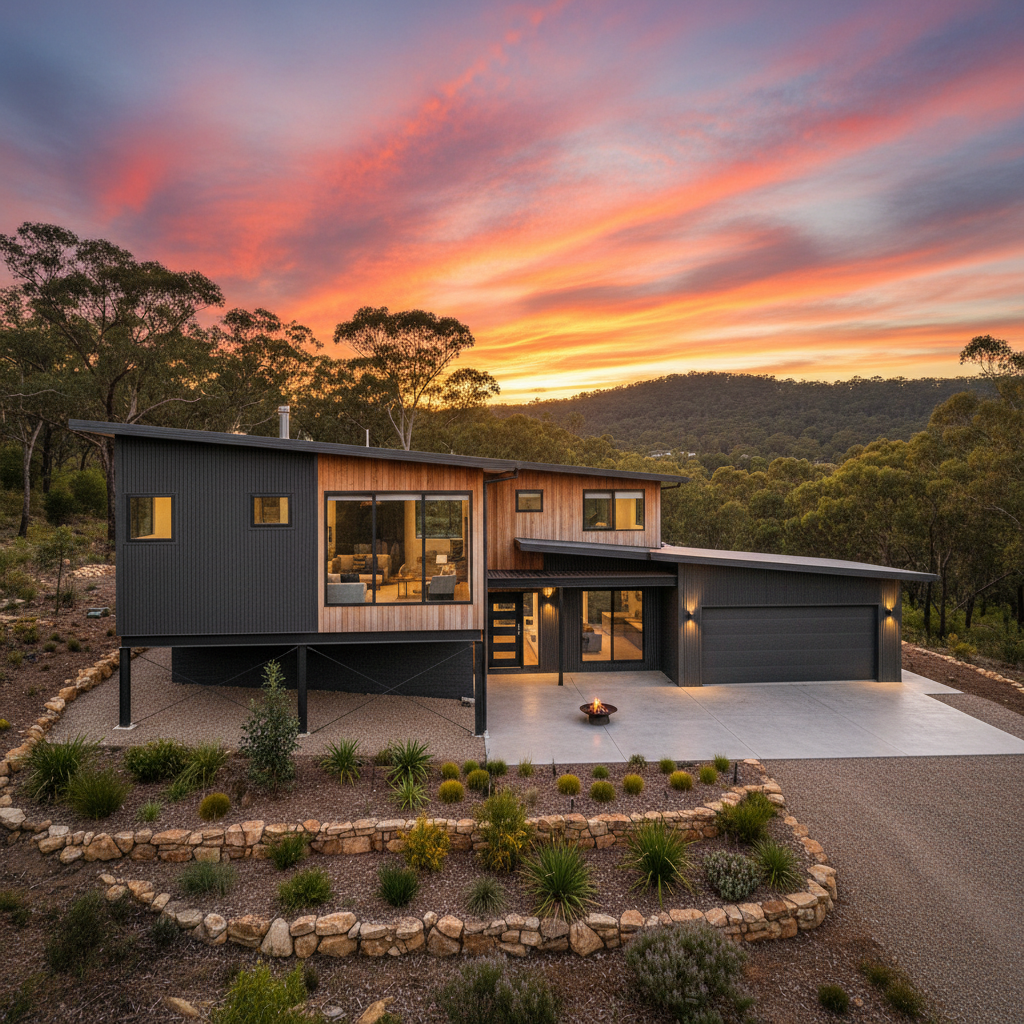
An Australian kit home offers a fantastic middle ground for those wanting to be involved in their home's creation. By utilizing precision-engineered steel frames and high-quality local materials, the structural foundation is solid. Your job as an owner-builder is to navigate the assembly process with a clear head. Know when to pick up the drill and when to pick up the phone. When you finally move in, you will know every nook and cranny of your home, and the satisfaction of knowing you managed the project from the ground up will make it truly yours.