I was standing on a dusty block out near Mudgee last month, watching a fella stare at a pile of steel frames like they were written in ancient Greek. He'd bought a kit, but he hadn't checked his BAL rating before the slab went down. Now the windows he ordered didn't meet the bushfire requirements for his zone. That is a mistake that costs thousands, and it happens because folks get stars in their eyes looking at floor plans instead of digging into the grit of Australian building codes.
Kit homes are a brilliant way to get a roof over your head without the builder's margin, but you've got to be switched on. You aren't just buying a house. You're becoming a project manager. If you go into this thinking it's as simple as putting together a flat-pack bookshelf from a big box store, you're in for a very stressful wake-up call at 7am on a Tuesday when the crane arrives.
The DA and CDC Paperwork Trap
Most first-timers reckon the hard part is the construction. It's not. The real headache starts at the council desk. One of the biggest mistakes is ordering your kit before you have your Development Application (DA) or Complying Development Certificate (CDC) approved. Councils are fickle. You might love a certain design, but if your local council has a problem with the roof pitch or the setback from your neighbour's fence, you're stuck with a kit that doesn't fit the approved envelope.
Get your soil test done first. Always. If you've got reactive clay or a high water table, your slab design changes. We've seen people buy a kit designed for a flat site when they've actually got a one-meter fall across the building footprint. Suddenly, you're looking at massive retaining walls or an expensive redesign to piers. Talk to a private certifier or your local council before you even think about signing a contract. It saves the tears later on.
Ignoring the Logistics of Delivery
People forget how big a semi-trailer is. If you're building on a tight block in the suburbs or up a winding, unsealed track in the hinterland, that truck needs to be able to turn around. I've seen deliveries get stuck three kilometers away because the driver couldn't make the hair-pin bend. Then you're paying for a smaller hiab truck to ferry loads back and forth. It adds up.
Think about where the steel is going to sit once it's off the truck. You need a flat, dry area. If you drop your TRUECORE steel frames into the mud and leave them there for three weeks while you wait for a plumber, you're making life hard for yourself. Use sleepers to keep everything off the ground. Cover it up. Treat the materials with a bit of respect and they'll go together a lot smoother when you actually start standing the walls.
The Difference Between a Kit and a Finished House
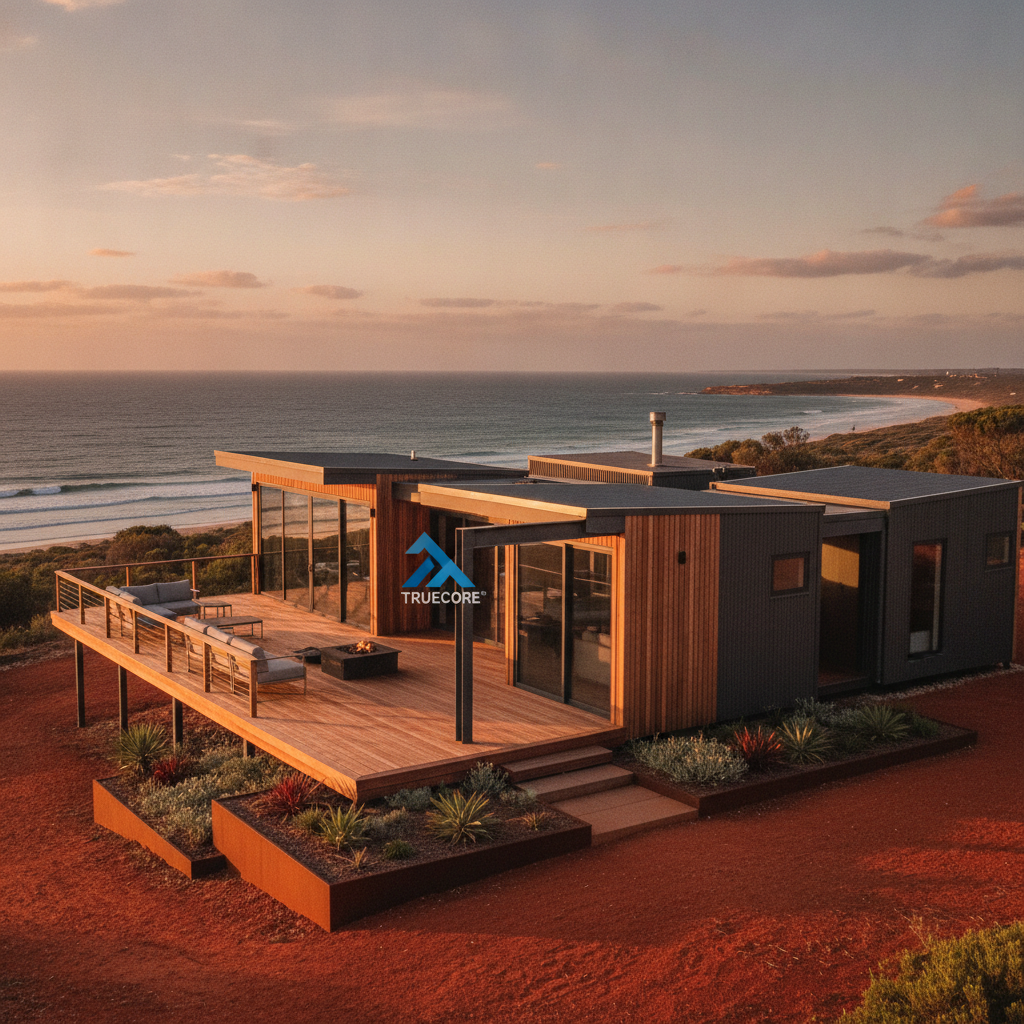
This is where the confusion usually hits. A kit home usually gives you the skeleton and the skin. We provide the steel frames, the BlueScope roofing, the cladding, and the windows. But the kit isn't the whole house. You still need to source your:
- Concrete slab or sub-floor system
- Internal linings (plasterboard)
- Kitchen cabinetry and bathroom vanities
- Electrical and plumbing fit-out
- Tiling and floor coverings
A common mistake is thinking the kit price is the finished price. It’s not. You need to have your trades lined up months in advance. Good sparkies and chippies are busy. If you call them the day the frames arrive, they'll laugh at you. Secure your subbies early, show them the plans, and make sure they understand they're working with a steel frame. Most are fine with it, but they might need different screws or drill bits than they use for timber.
Selecting the Wrong Materials for the Environment
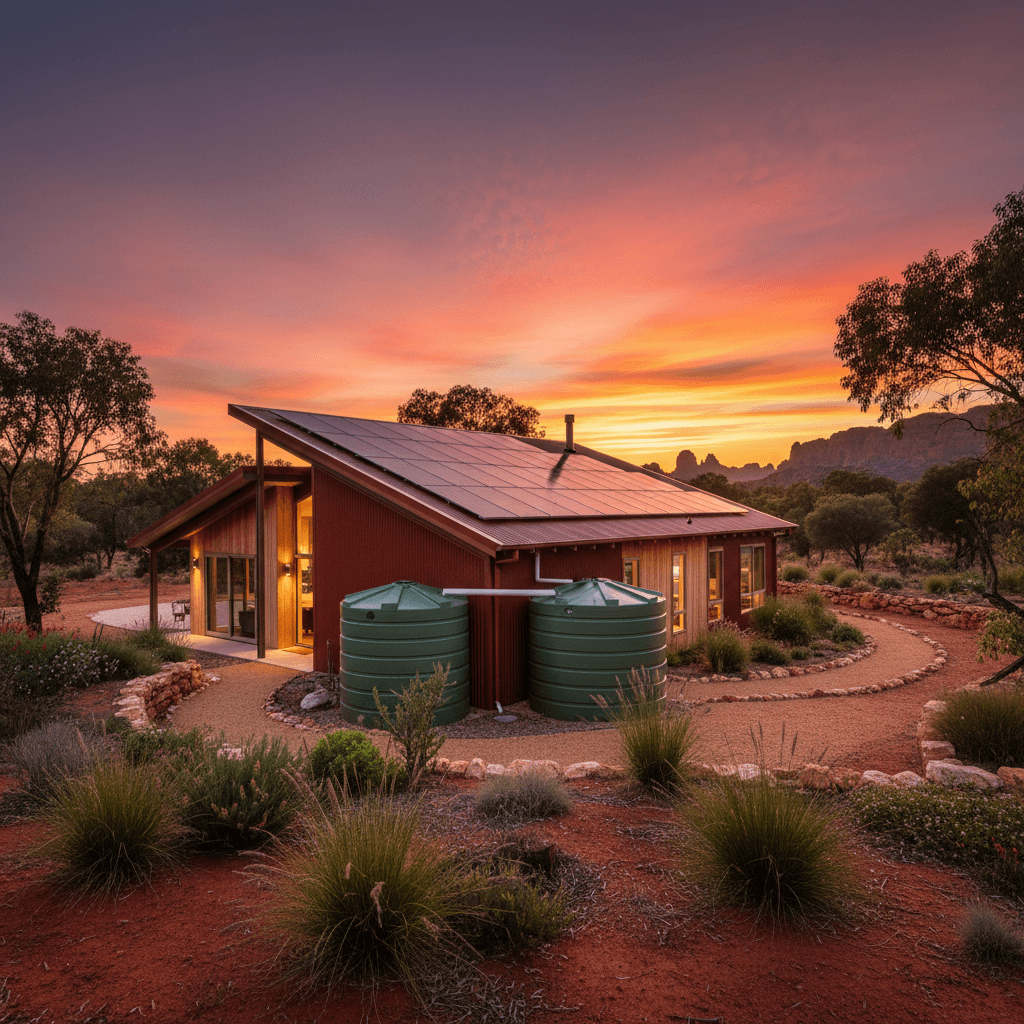
Australia is a harsh place for a building. If you're within a kilometer of the ocean, you can't just use standard finishes. Salt spray eats metal for breakfast. You'll need to look at specialized coating like Colorbond Ultra for the roof. And then there's the wind. If you're in a North Queensland cyclone zone or a high-wind area on a ridge in the Blue Mountains, your tie-down requirements are different.
The engineering has to match your specific site address. Don't buy a second-hand kit someone else never built unless you are 100% sure it was engineered for your exact wind rating (N2, N3, C1, etc.). If it's not, the building surveyor won't sign it off, and you've got an expensive pile of scrap metal.
The DIY Ego Trip
Being an owner-builder is rewarding, but you have to know your limits. Just because you can use a cordless drill doesn't mean you should be doing the waterproofing in the shower. Mistakes in the wet areas will haunt you for a decade. Hire the pros for the specialized stuff. Stick to the assembly and the basic carpentry if that's where your skills lie.
Steel frames are great because they're straight and true. They don't warp like timber. But if your slab is 20mm out of level, those frames won't line up. You'll be fighting the kit the whole way. Spend the extra money to get the slab dead flat. It makes the frame assembly feel like Lego rather than a wrestling match.
Insulation is NOT the Place to Skimp
People often try to save a few bucks on the insulation batts or the sarking. Don't. With the current NCC (National Construction Code) requirements, you need to meet 7-star energy ratings in many parts of Australia. This isn't just a box-ticking exercise. It's the difference between a house that's a sauna in February and one that stays cool. Because steel is a conductor of heat, you need a thermal break between your frame and your cladding. If you skip this, or use cheap stuff, your air-con bills will be through the roof. Plus, the house will be noisy when the wind picks up. Use high-quality insulation and follow the installation guides to the letter. No gaps. No shortcuts.
Final Thoughts for the Road
Building a kit home is a massive undertaking, but it's totally doable if you're organized. Read the manuals. Talk to your suppliers. Don't assume the council will be easy to deal with, and never order your materials until you have that permit in your hand. Most of the blunders I see come down to rushing the planning stage. Slow down. Get your site sorted, get your trades booked, and then enjoy the process of seeing your home go up from a pile of steel to a finished sanctuary. It's a hell of a feeling when you finally move in, knowing you managed the whole thing yourself.