Don't Let Termites Eat Your Dream: Why Steel Frames are King for Aussie Kit Homes
Listen, if you've ever lived in rural Australia, or even in some of the green belt suburbs, you know the deal with termites. They're not just a nuisance; they're an absolute bloody nightmare, ready to chew through your life savings if you're not careful. We've seen the damage first-hand, watched good people lose significant chunks of their homes to these silent destroyers. That’s why, when you're looking at building a new home, especially a kit home out where the bush is thick, the frame material needs to be top of mind. And for us, for genuine peace of mind, it’s always steel.
It's not just about stopping a few bugs. It’s about building something that lasts, something resilient, especially in our climate. Wooden frames, bless 'em, have their place, but in high-risk termite zones, you're asking for trouble unless you go heavy on the chemical treatments, and even then, it's a constant battle. Steel, specifically the kind of galvanised light-gauge steel we use, like TRUECORE by BlueScope Steel, just doesn't register on a termite's dinner menu. Full stop.
The Termite Threat: It's Worse Than You Think
Australia is a termite hotspot, no two ways about it. From the tropical north right down to parts of Tasmania, these critters are everywhere. They'll find any timber they can, working silently, often for years, before you even know they're there. We've had owner-builders call us up, after the fact, devastated because they bought an older place with a timber frame, only to discover the entire subfloor was riddled. And repairs? Mate, they can run into the tens of thousands. Often, it's easier to knock it down and start again, which isn't exactly the dream, is it?
They love damp, dark places. They love timber. So, when you combine a timber frame with a bit of a leaky pipe, or poor drainage around the foundations, you're basically putting out the welcome mat. Kit homes often get built in more remote areas, places with plenty of native bushland, which means plenty of termite nests. You're building their natural habitat, in a sense, so you need to build smarter.
Why Steel Frames Are Your Best Mates Against Termites
This isn't rocket science, really. Termites eat timber. Steel isn't timber. Therefore, termites don't eat steel. It's a fundamental difference that makes all the difference when it comes to long-term structural integrity.
- No Food Source: The primary reason is simple: steel provides no cellulose for termites to munch on. They might travel over a steel stud to get to a timber skirting board, but the core structure, your walls and roof trusses, remain untouched.
- Reduced Chemical Reliance: With a steel frame, you don't need to douse your entire property in harsh chemical barriers every few years. You might still put in a perimeter treatment for peace of mind, or to protect other timber elements like doors and windows, but the major structural components are already sorted. This is a big win for those keen on a healthier, less chemical-intensive home, especially if you're out in the country.
- Durability and Longevity: Steel frames, particularly those made from galvanised steel, are also resistant to rot and fungi. They won't warp, twist, or shrink over time like some timbers can, meaning your plasterboard stays straighter, and your doors don't jam up later on.
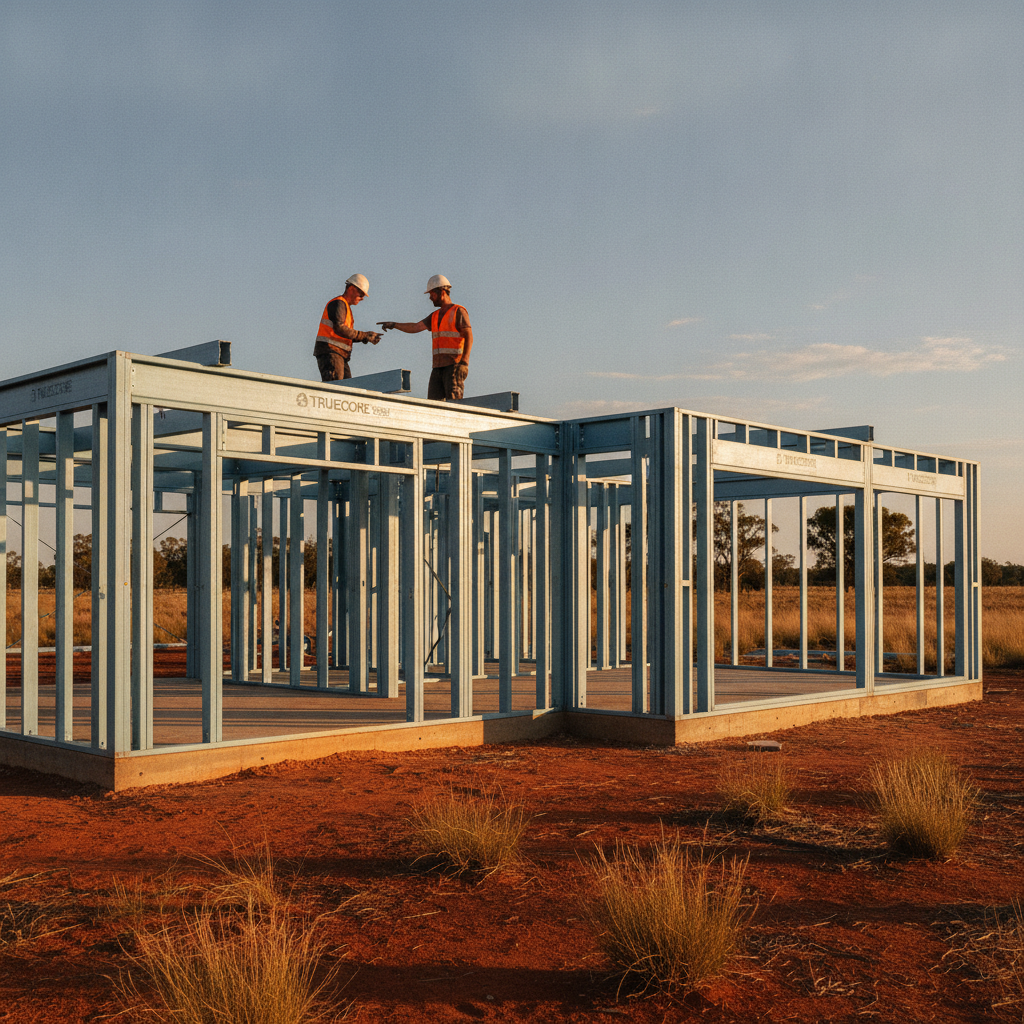
- Engineered Precision: Our steel frames are precision-engineered and fabricated off-site. This means less cutting and waste on your build site. Plus, every component fits exactly as it should, reducing gaps and potential entry points that termites might otherwise exploit in less precise construction.
More Than Just Termites: Other Steel Frame Perks for Rural Homes
While termite resistance is a huge selling point, especially for rural kit homes, steel frames bring a stack of other benefits to the table that are worth considering.
Bushfire Attack Levels (BAL) Compliance
Out in the sticks, bushfire risk is a very real concern. A significant number of our customers are building in areas with high Bushfire Attack Level (BAL) ratings. Steel frames, by their very nature, are non-combustible. They don't ignite, and they retain their structural integrity for longer under fire conditions compared to timber. This can make a huge difference in achieving BAL compliance and, more importantly, in the safety of your home during a bushfire event. The frames themselves won't fuel the fire, which is a massive plus when every minute counts.
Structural Strength and Stability
Rural areas can be exposed to some pretty wild weather. Cyclones up north, heavy winds down south, and everything in between. Steel frames offer superior strength-to-weight ratios compared to timber. They can handle higher wind loads and provide a more robust structure overall. This translates to a home that stands strong against the elements, giving you more security and fewer maintenance headaches down the track.
Straight Walls, Easier Build
For owner-builders, this is a big one. Timber frames can twist, warp, and shrink as they dry out, even after they're up. This means wonky walls, floors that aren't quite level, and headaches when you're trying to hang plasterboard or fit joinery. Steel frames are dimensionally stable. They stay straight. This makes the fit-out stage, which you as the owner-builder are largely responsible for, much, much easier. Imagine trying to get a kitchen cabinet perfectly aligned on a wall that's bowed - not fun. With steel, you'll find everything just lines up better.
Owner-Builder Tips: Making the Most of Your Steel Frame Kit
So, you've decided on a steel frame kit home. Smart move. Now, here's a few pointers to make sure your build goes smoothly, especially when dealing with the unique aspects of steel.
- Get Your Slab Right: Steel frames need a solid, level foundation. Your slab is critical. Don't skimp here. Get a good concreter, make sure the engineer's plans are followed to the letter. Any unevenness in the slab will compound as you erect the frame, causing alignment issues later.
- Careful with Penetrations: While steel frames are fantastic, you'll still have services running through them. Plumbers and electricians will need to drill holes for pipes and wiring. Make sure they use the pre-punched service holes where possible, and if they need to drill new ones, ensure they follow the guidelines provided in your frame manufacturer's instructions to avoid compromising the frame's integrity. Don't let them just whack holes anywhere.
- Fixing Things to Steel: Hanging heavy items on steel studs is different from timber. You can't just nail into it. You'll use self-tapping screws or specific fixings. Plan ahead for things like heavy wall-mounted TVs, shelving units, or handrails. Sometimes, adding timber noggins (blocking) during the frame erection can make these tasks easier down the track.
- Rust Prevention (Rare, But Good to Know): While galvanised steel is highly corrosion-resistant, always keep an eye out for any deep scratches that expose the raw steel, especially if you're near the coast. Touch up any damage immediately with a cold galvanising paint. It's rare you'll need to do this, but it's good practice.
The Rural Advantage: Why Kit Homes and Steel Frames Go Hand-in-Hand
Building a kit home in a rural or remote area often means limited access to skilled trades and higher costs for materials and labour. A steel frame kit home simplifies a lot of the structural work for the owner-builder. Our frames come pre-engineered, pre-cut, and pre-punched, ready for assembly. This dramatically reduces the need for specialised carpentry skills on site. You're essentially putting together a very large, robust Meccano set. This is a massive benefit when getting a good tradie to drive two hours out of town can be a tough ask and cost you an arm and a leg.
Plus, the whole kit - frames, roofing, cladding, windows, doors, insulation - gets delivered to your site. You're not running back and forth to Bunnings every other day for major structural components. That saves time, fuel, and a whole heap of stress, especially when the nearest hardware store is an hour's drive away.
Wrapping It Up
So, there it is. If you're planning a new home, especially a kit home out in the Aussie bush, do yourself a massive favour and give serious thought to a steel frame. The peace of mind alone, knowing that your biggest investment isn't going to become a termite smorgasbord, is worth its weight in gold. Plus, you get all those other benefits: strength, stability, fire resistance, and an easier build for the owner-builder. It just makes good sense, doesn't it? Build smart, build strong, build with steel.