Embracing the Sustainable Kit Home Lifestyle
There is a unique sense of freedom that comes with building your own home in Australia. Whether it is a coastal retreat in New South Wales or a rugged bushland escape in Western Australia, the kit home movement has evolved far beyond simple convenience. Today, it represents a conscious choice for those who value design, autonomy, and increasingly, sustainability. As we move into an era where energy efficiency is no longer a luxury but a necessity, kit homes are leading the charge by offering a blank canvas for eco-friendly innovation.
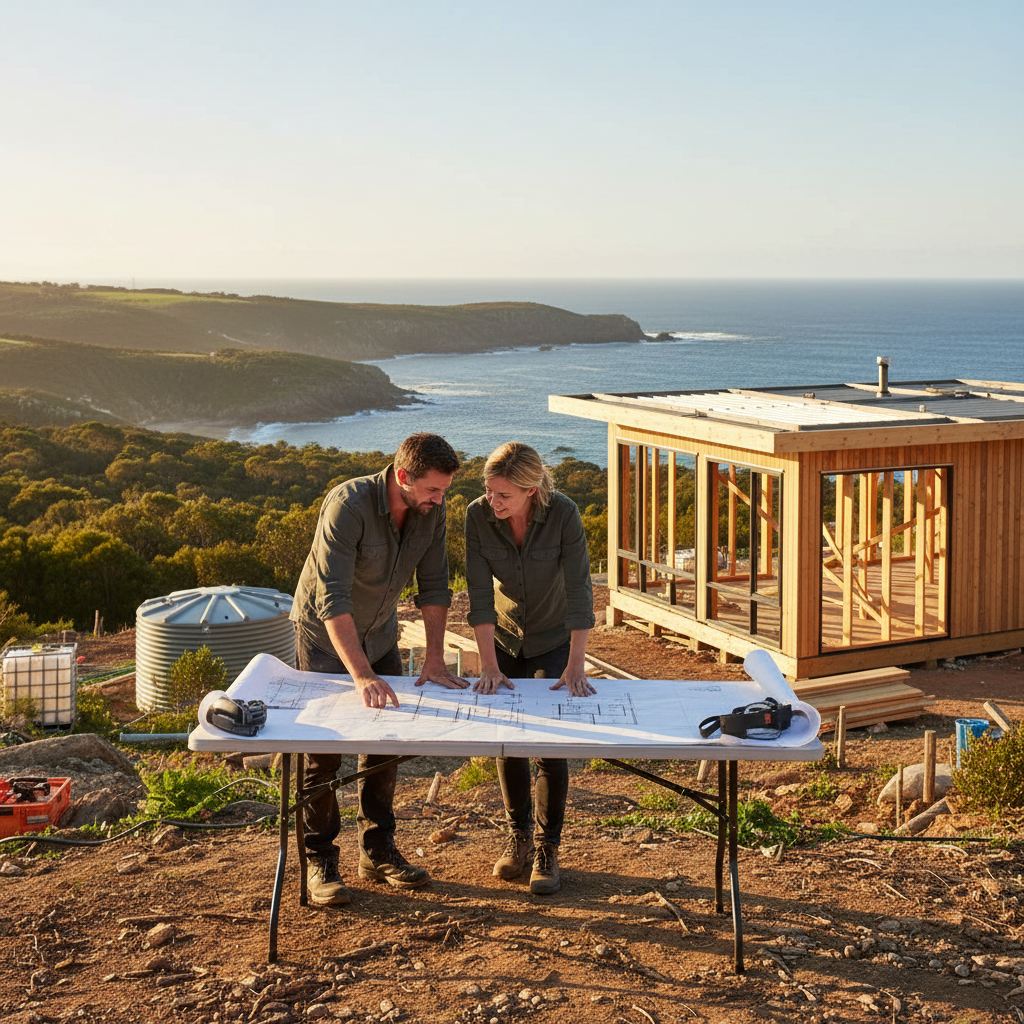
Choosing a kit home allows you to take control of your footprint. Because you are the owner builder, you have the power to decide how your home interacts with the landscape. You are not just building a structure; you are designing a lifestyle that balances modern comfort with environmental responsibility. In this guide, we will explore how to infuse your project with sustainable features that keep your home cool in summer, warm in winter, and beautiful all year round.
The Foundations of Passive Solar Design
Before the first steel frame is even delivered to your site, the most important sustainable decisions happen on paper. Passive solar design is the practice of using the sun’s energy for heating and cooling, and it is arguably the most effective way to reduce your long-term environmental impact. In Australia, this starts with orientation.
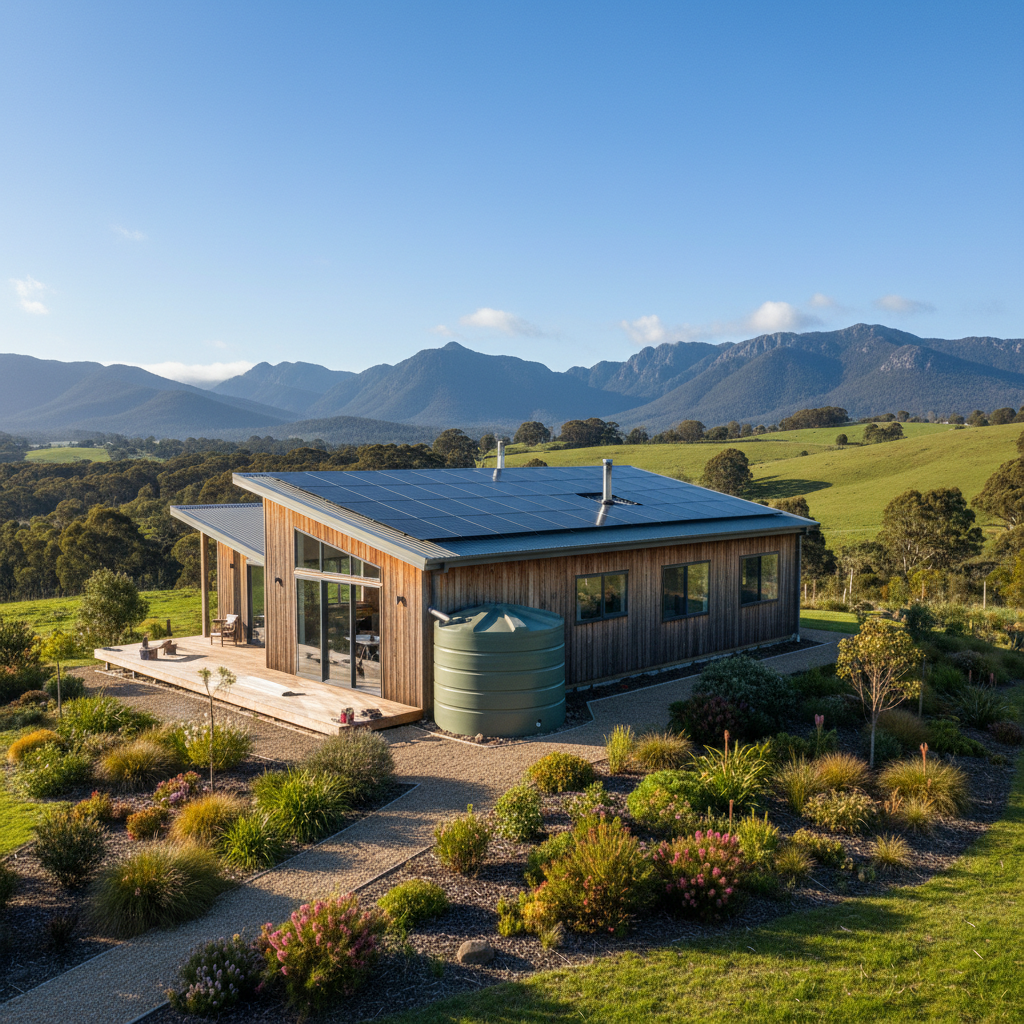
Positioning your main living areas to face north allows you to capture the low-angle winter sun, naturally warming your home. Conversely, during the harsh Australian summer, well-calculated eaves and shading devices can block the high-angle sun, keeping your interior spaces refreshed. When planning your kit home layout, think about the movement of the sun throughout the day. A design that prioritizes natural light not only reduces your reliance on artificial lighting but also creates a more vibrant, uplifting atmosphere inside.
Ventilation and the Aussie Breeze
Cross-ventilation is a hallmark of the Australian lifestyle. There is nothing quite like opening up the house to catch a late afternoon gully wind or sea breeze. When selecting your windows and doors for your kit, consider their placement to create a clear path for air to flow. Louvred windows are a fantastic sustainable choice, as they allow for maximum airflow control even during light rain, helping to flush out hot air and maintain a healthy indoor environment without the need for constant air conditioning.
Choosing Materials with a Long Lens
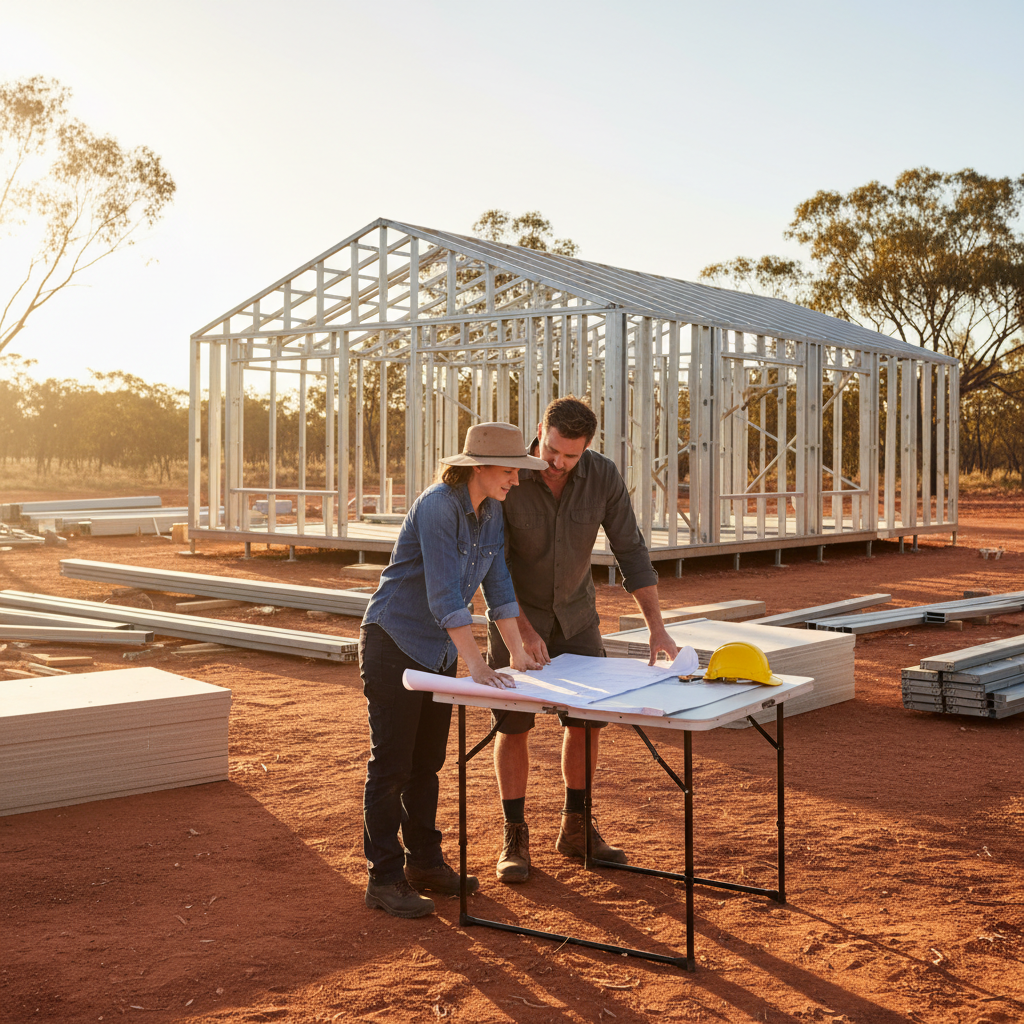
Sustainability is not just about energy use; it is about the longevity and lifecycle of the materials you choose. When you build with a kit home, you are often working with high-quality components that are designed for the Australian elements. Using Australian-made steel frames, such as those crafted from Truecore steel, offers several environmental perks. Steel is 100 percent recyclable, and its precision manufacturing means there is significantly less waste on-site compared to traditional timber framing.
Furthermore, steel frames are impervious to termites. In the Australian context, this means you can avoid many of the harsh chemical treatments often required to protect timber structures. This leads to a healthier home environment and less chemical runoff into the local ecosystem. When you pair a robust steel frame with high performance cladding and roofing, you are creating a building envelope that is intended to last for generations, reducing the need for future resource consumption.
High Performance Insulation Strategies
If the orientation is the heart of a sustainable home, insulation is the skin. In a kit home, you have a golden opportunity to get this right from day one. Proper insulation acts as a thermal barrier, slowing the transfer of heat through walls and ceilings. For owner builders, focusing on the R-value (thermal resistance) of your insulation is key.
Don’t stop at just the wall batts. Consider using reflective foil laminates under your roofing to bounce away radiant heat. This is particularly effective in northern parts of Australia where the sun can be relentless. By creating a tightly sealed and well insulated envelope, you ensure that the energy your home does use stays inside, significantly lowering your carbon footprint and making your living spaces far more comfortable during those mid-January heatwaves.
Water Resilience and Management
Water is our most precious resource, especially in the driest inhabited continent on Earth. A sustainable kit home design should always incorporate smart water management. Large roof surface areas, common in many Australian designs, are perfect for rainwater harvesting. Installing a substantial tank system allows you to use rainwater for your garden, laundry, and toilets, reducing the demand on local infrastructure.
Beyond collection, think about the fixtures inside. Selecting high WELS-rated taps and showerheads as part of your fit-out will save thousands of liters of water annually. For those on larger blocks or rural properties, look into greywater recycling systems that can nourish your landscaping, turning waste into a resource for your garden.
Designing for the Modern Lifestyle
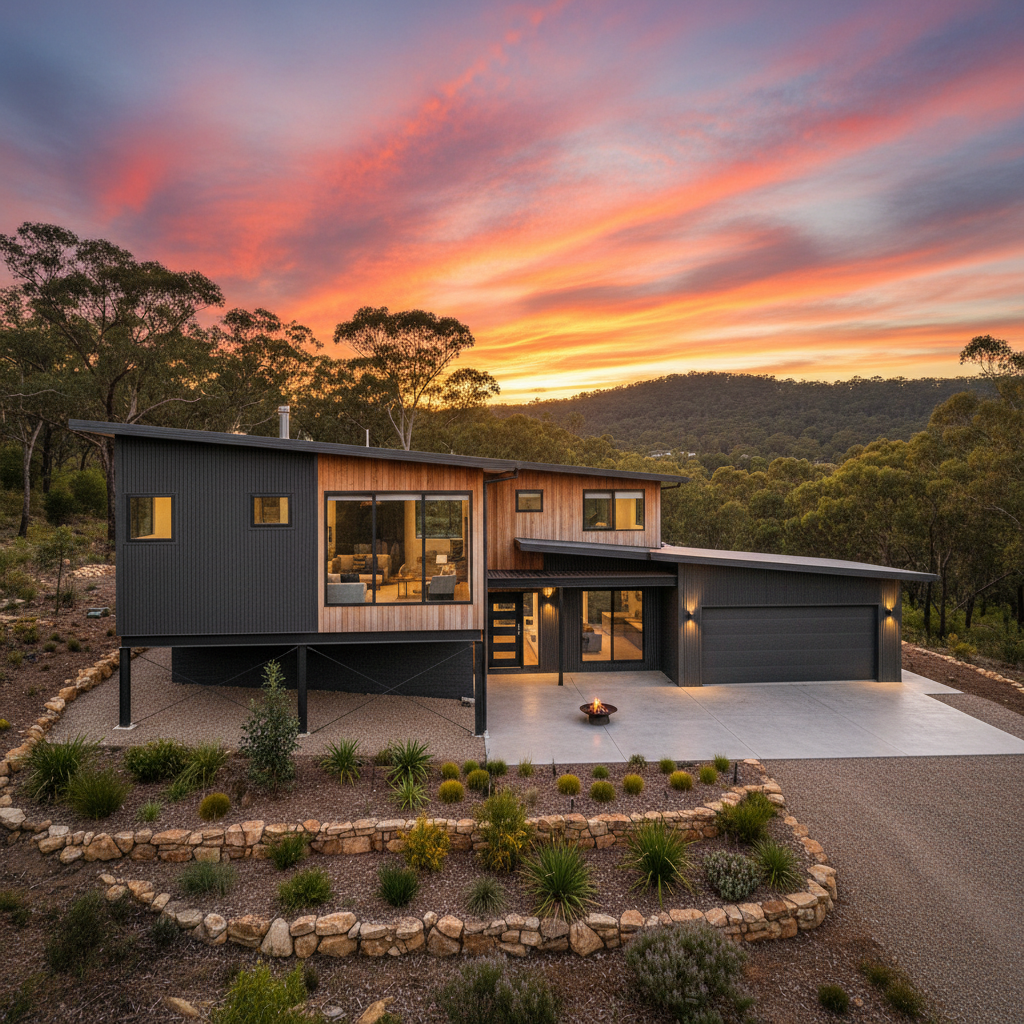
Sustainability and style are not mutually exclusive. Modern Australian design favors open-plan living, seamless indoor-outdoor transitions, and a minimalist aesthetic. Many kit home owners are opting for polished concrete floors, which act as a thermal mass, soaking up heat during the day and releasing it slowly at night. Not only is it practical for eco-friendly living, but it also provides a chic, industrial look that is very on-trend.
Think about the outdoor living space as an extension of the home. Large decks or integrated alfresco areas encourage a lifestyle lived outdoors, which is inherently more sustainable as it reduces the time spent in climate-controlled indoor environments. Using sustainable timber or recycled composite decking can further enhance the eco-credentials of your outdoor sanctuary.
Practical Tips for the Sustainable Owner Builder
- Site Analysis: Spend time on your block before you build. Note where the wind comes from and where the shadows fall at different times of the day. This data is invaluable for orienting your kit.
- Window Selection: Invest in high performance glass. Double glazing is becoming the standard in many parts of Australia, providing excellent thermal and acoustic insulation.
- Smart Landscaping: Plan your garden to support your home’s efficiency. Deciduous trees planted on the northern side provide shade in summer but drop their leaves to let the sun in during winter.
- Seal the Gaps: Even with great insulation, air leaks can ruin efficiency. Pay close attention to sealing around doors and windows during the installation phase.
- LED Lighting: It sounds simple, but opting for high-quality LED fixtures throughout your fit-out is one of the easiest ways to reduce daily energy consumption.
The Future of Housing is in Your Hands
Stepping into the role of an owner builder is an empowering journey. It allows you to move away from cookie-cutter housing and toward a bespoke residence that reflects your personal values. By focusing on sustainability while building your kit home, you are making a long-term investment in the planet and your own well-being.
The beauty of a modern kit home lies in its versatility. Whether you are aiming for a net-zero carbon footprint or simply want a home that stays cool without a massive power bill, the choices you make during the design and construction phase will define your living experience for years to come. Australia’s landscape is beautiful, diverse, and sometimes harsh, but with the right design principles, your kit home can be a sustainable haven that works in harmony with the environment.
Conclusion
Building a sustainable kit home in Australia is about more than just picking the right materials; it is about a holistic approach to design and lifestyle. From the thermal efficiency of steel frames to the clever use of natural breezes, every decision contributes to a home that is as functional as it is beautiful. As an owner builder, you have the unique opportunity to curate a space that prioritizes the environment without sacrificing the modern comforts we all love. Start with a clear vision, embrace the passive design principles, and enjoy the process of creating a home that truly belongs in the Australian landscape.