The Great Australian Migration: Why We Are Heading for the Hills
There is a quiet revolution happening across Australia. From the rolling hills of the Byron Bay hinterland to the rugged expanses of the Adelaide Hills, a new generation of homeowners is walking away from the urban squeeze. This movement, affectionately known as the tree-change, is about more than just a change of scenery. It is about reclaiming time, space, and a sense of autonomy in how we live.
For many of these modern pioneers, the traditional path of buying an established house in a regional town does not quite fit the dream. Instead, they are looking for a way to build something that feels personal, sustainable, and integrated with the landscape. This is where kit homes have emerged as a frontrunner in Australian housing trends. Offering a blend of flexibility and structural integrity, kit homes provide a tangible pathway for people to become owner-builders and create a sanctuary that reflects their new regional lifestyle.
The Appeal of the Kit Home for Regional Living
Built for the Australian climate and designed to be transported to remote or regional locations, kit homes solve many of the logistical headaches that often plague rural construction. When you are building on a beautiful, secluded block of land, you want a system that simplifies the supply chain without sacrificing quality.
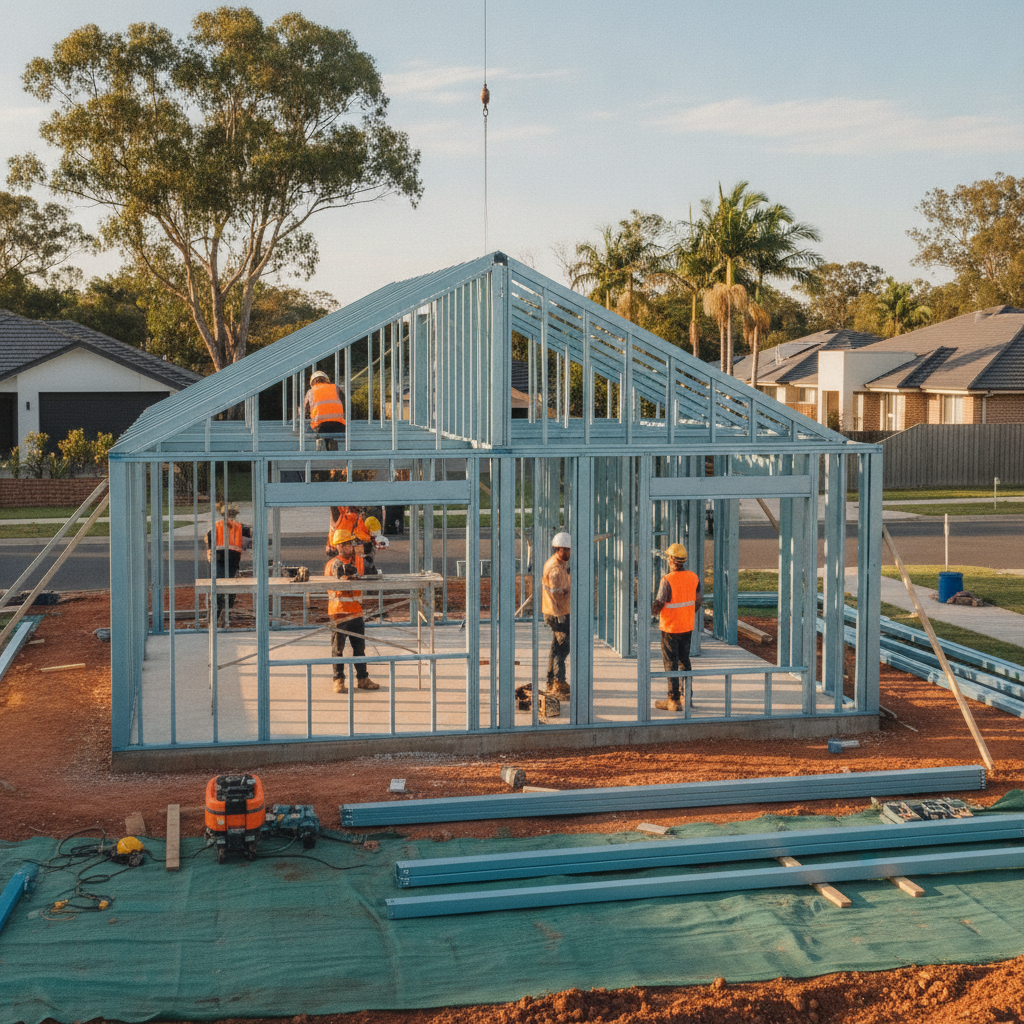
The beauty of a kit home lies in its logic. The primary structure, typically featuring high quality Australian steel frames, arrives on-site ready to be assembled. This approach significantly reduces the time that a site is exposed to the elements and minimises the waste often seen on traditional building sites. For the tree-changer, this means less environmental impact on their pristine new piece of land.
Designing for the Landscape: Aesthetic Trends in Regional Housing
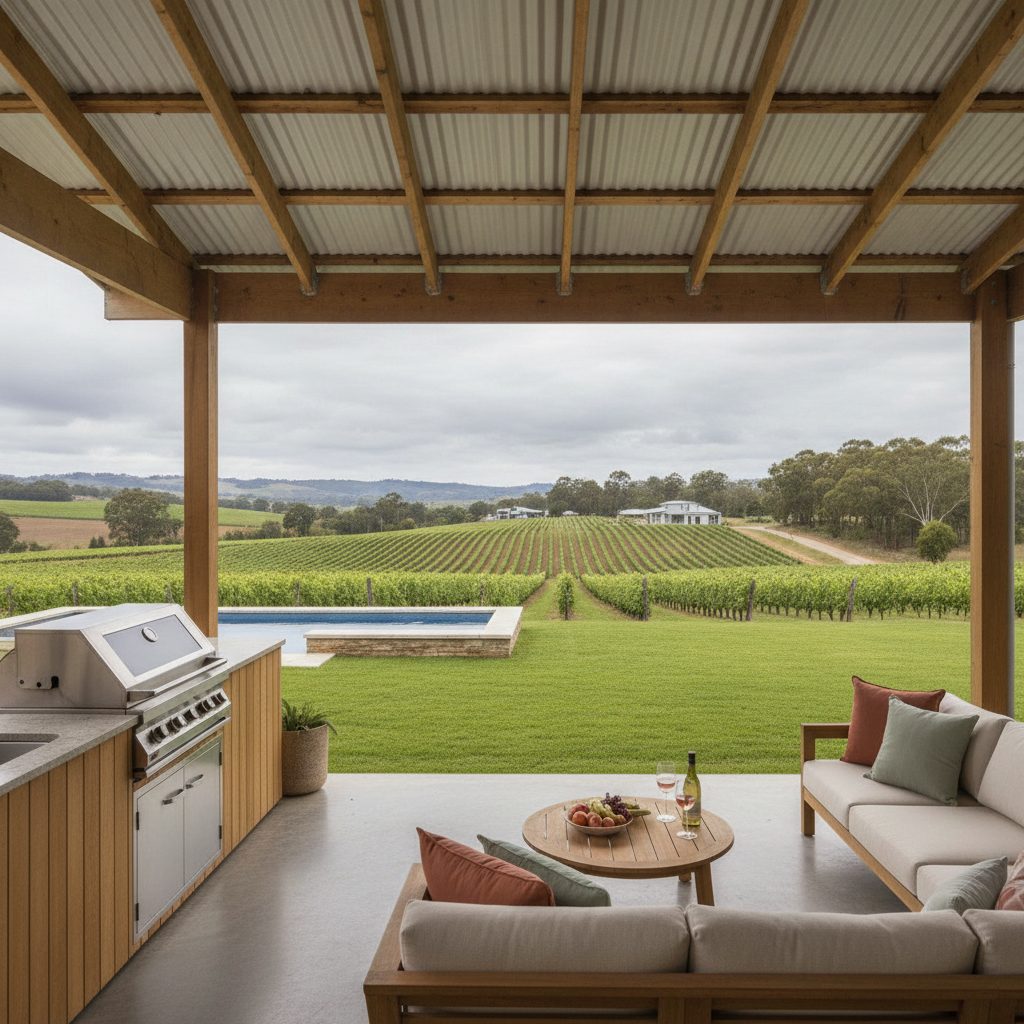
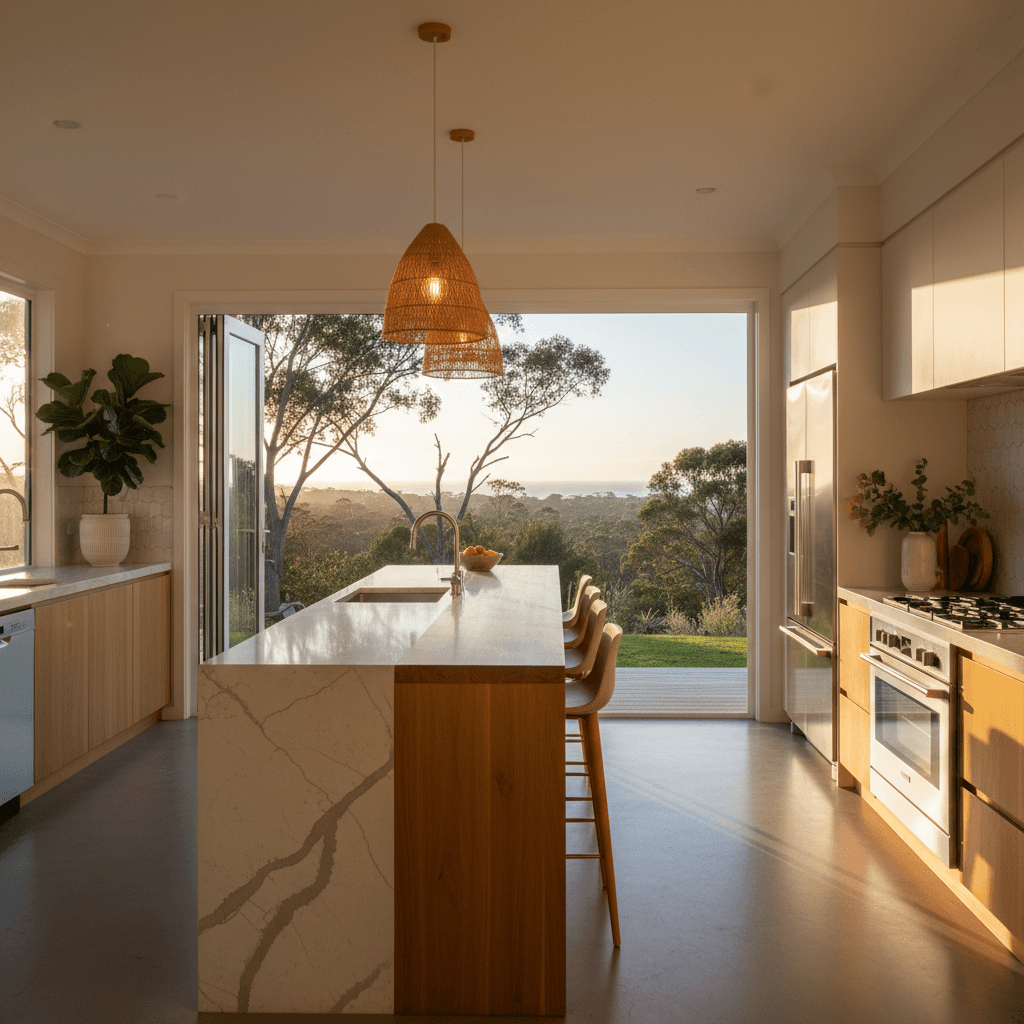
Today's regional housing trends are moving away from the cookie-cutter suburban look. Instead, homeowners are embracing designs that celebrate the Australian outdoors. We are seeing a surge in demand for wide verandas, floor to ceiling windows that frame the bushland, and open-plan layouts that encourage cross-flow ventilation.
Because kit homes allow for significant internal flexibility, owners can tailor their floor plans to suit the orientation of their land. You can position your living areas to soak up the northern winter sun or shield your bedrooms from the harsh afternoon heat. Using materials like BlueScope TRUECORE steel for the framing ensures that the home stays straight and true, even in the varying humidity and temperature shifts found in regional Australia.
The Rise of the Owner-Builder
One of the most empowering aspects of the kit home movement is the rise of the owner-builder. Taking on the role of an owner-builder does not mean you have to swing every hammer yourself, although many choose to do so. It means you are the project manager. You are the one coordinating the trades, selecting the finishes, and ensuring the vision is executed exactly as you imagined.
For those making the move to the country, this hands-on approach provides a deep connection to the property. It allows for a level of customization that is rarely found in the speculative housing market. You can choose the exact insulation that meets your eco-friendly goals, the specific cladding that blends with the local timber, and the windows that offer the best views of your new backyard.
Practical Tips for Potential Kit Home Buyers
Before you dive into the deep end of your tree-change project, there are several practical considerations to keep in mind. Preparation is the secret to a successful build.
Research Local Council Requirements
Every local council in Australia has its own set of rules, particularly regarding Bushfire Attack Level (BAL) ratings and environmental overlays. Before selecting your kit, talk to your local planning department. Many kit homes are ideally suited for high bushfire zones because steel frames and non-combustible cladding provide a superior level of safety compared to traditional timber frames.
Understand the Logistics of Site Access
That beautiful, winding dirt track leading to your dream block might be perfect for a weekend drive, but can a semi-trailer get down it? When ordering your kit, consider the delivery process. You may need to plan for a flat assembly area and ensure there is enough space for heavy vehicles to turn around. Early communication with your kit provider about site constraints is essential.
Soil Testing and Site Preparation
The foundation of every great home is, literally, the ground it sits on. Getting a professional soil test and site survey early in the piece will dictate the type of slab or flooring system you need. Whether you are opting for a traditional concrete slab or a raised floor system to capture cool breezes, your kit can be adapted to suit, but the measurements must be spot on from the start.
Owner-Builder Tips: Successfully Managing Your Project
If you have decided to take the owner-builder route, organization is your best friend. Here are a few tips to keep you on track:
- Sequence Your Trades: Understand the order of operations. You will need your plumber and electrician for the rough-in before the internal linings go on. Building a good relationship with local regional tradespeople is invaluable.
- Document Everything: Keep a digital and physical folder of all your permits, warranties, and delivery notes. This will be vital when it comes time for your final inspections and certificates of occupancy.
- Focus on Weatherproofing: Once your steel frames and roofing are up, your priority should be getting the building to a lock-up stage. This protects your materials and allows you to work on the interior regardless of the weather outside.
The Durability of Steel in the Australian Bush
While design and lifestyle are the drivers of the tree-change movement, the technical side of the build cannot be ignored. In many regional areas, termites and rot are significant concerns. This is why the use of steel frames has become a staple in modern Australian kit homes. Using Australian made steel provides a termite-proof skeleton for the house that will not warp or twist over time. It offers peace of mind for those moving to areas where professional maintenance services might be a longer drive away than they were in the city.
Sustainability and Living Off the Grid
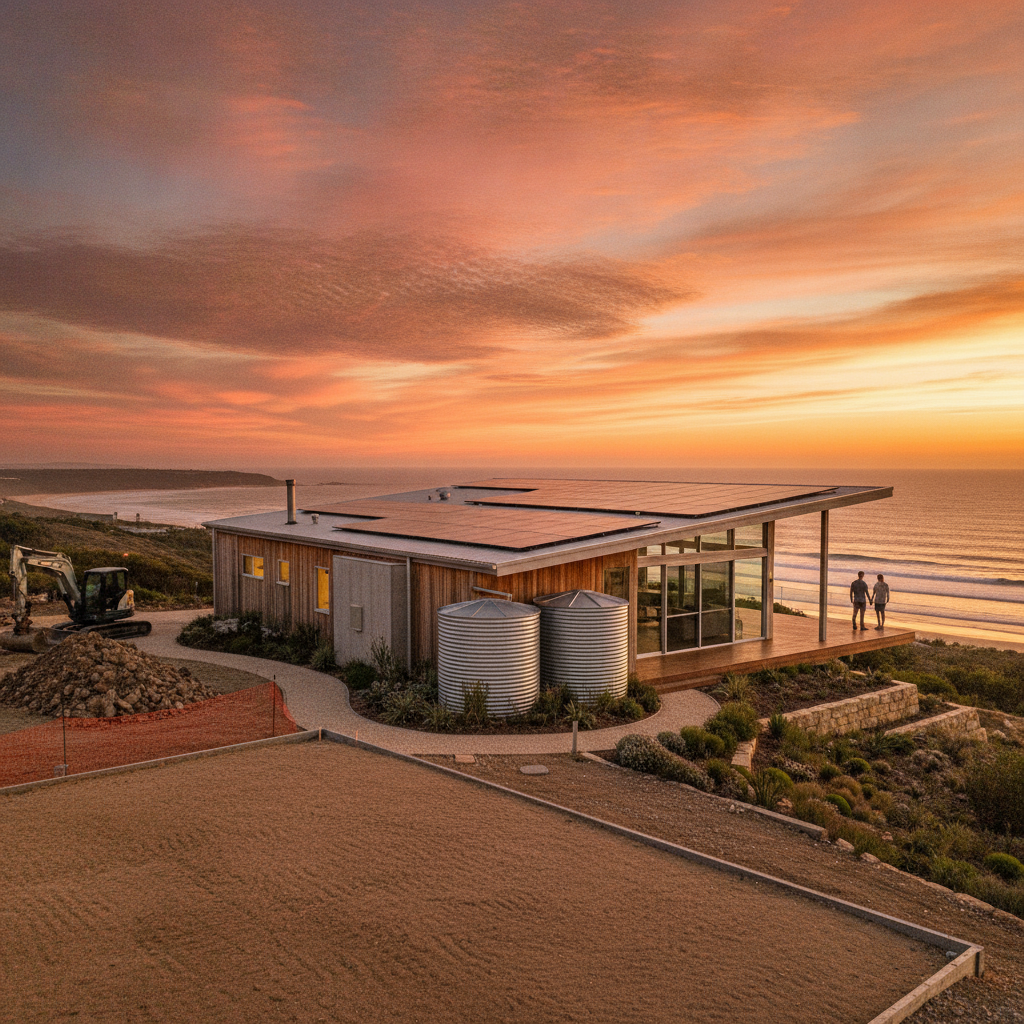
Many tree-changers are also looking to reduce their carbon footprint. Kit homes are well-suited to sustainable living. Their lightweight construction often means less site disturbance during the build. Furthermore, the large roof spans common in kit designs provide ample space for solar arrays and rainwater harvesting systems. When combined with modern insulation and high performance windows, these homes can be incredibly energy efficient, keeping you cool in the scorching summer and warm during those crisp country winters.
Conclusion: Your New Chapter Awaits
The shift toward regional living is more than just a passing trend, it is a reflection of a changing Australian identity that values space, nature, and self-reliance. Kit homes offer a unique bridge between the dream of a country retreat and the reality of building one. By taking the reins as an owner-builder and utilizing a well-engineered kit system, you can create a home that is as enduring as the landscape it sits on.
Whether you are looking for a compact cabin or a sprawling family homestead, the path to your new life in the country is clearer than ever. With the right planning, a bit of Australian grit, and a quality kit home as your foundation, your tree-change journey can lead to the most rewarding project of your life.