The Great Australian Shift: Why We Are Headed for the Hills
There is a significant shift happening across the Australian landscape. From the rolling green hills of the Gippsland region to the rugged beauty of the Margaret River and the sun-drenched hinterlands of Queensland, more Australians than ever are trading the city grind for a bit of dirt and a lot of peace. This movement, affectionately known as the tree-change, is no longer just a retirement dream. Young families, remote workers, and creative professionals are all looking for a way to build a life that prioritizes space, community, and a connection to nature.
However, building a home in regional Australia comes with its own set of unique challenges. Traditional builders can be hard to secure in remote areas, and the logistics of getting materials to a far flung block can be daunting. This is where the modern kit home has stepped in as a game changer. For the savvy tree-changer, a kit home offers the perfect balance of flexibility, high quality materials, and the satisfaction of being deeply involved in the creation of their new sanctuary.
The Freedom of the Owner Builder Journey
One of the most exciting aspects of the kit home movement is the rise of the owner builder. When you choose a kit home, you are not just buying a house, you are taking the reins of your own project. In regional areas where project builders might not travel, being an owner builder allows you to manage the process on your own terms. You become the conductor of the orchestra, coordinating local trades like plumbers and electricians while keeping a close eye on the quality of every finish.
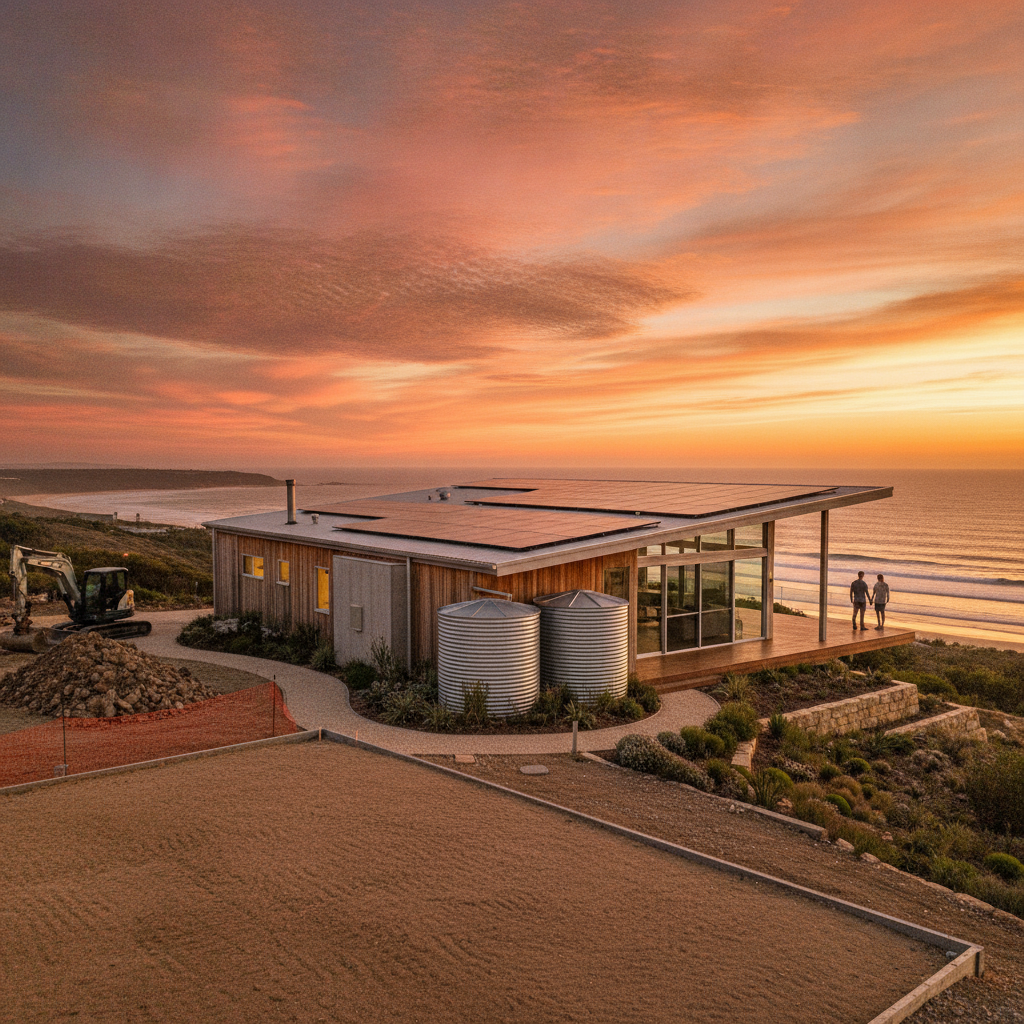
This hands-on approach is particularly appealing to those moving to the country who want to truly understand the bones of their home. There is a profound sense of pride that comes from standing on your deck, looking out over your acreage, and knowing exactly how those walls went up. It is about more than just a house, it is about the story of building it.
Kit Home Tips for the First-Timer
If you are considering this path, preparation is your best friend. Here are a few practical pointers to get you started:
- Research Your Local Council: Every regional council has different requirements regarding setbacks, bushfire attack levels (BAL), and environmental protections. Get to know your local planning office early.
- Site Access is Key: Before your kit arrives, ensure your site can handle a heavy delivery truck. Regional tracks can be tricky, so clearing a proper access point is vital.
- Think About Orientation: Take advantage of your regional block by orienting your home to maximize northern sun in winter and catch those afternoon breezes.
Sustainability and Resilience in the Australian Bush
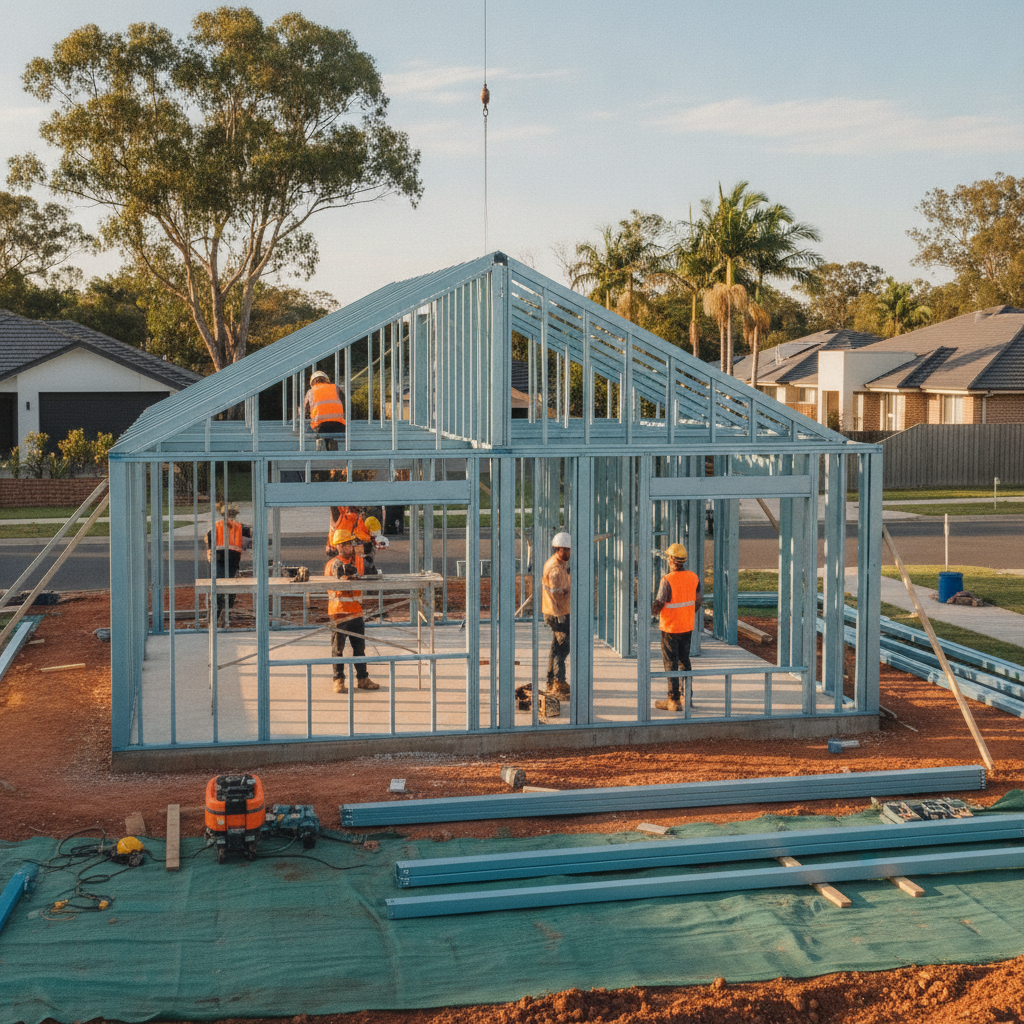
Living in regional Australia means living in harmony with the elements. We often face extreme weather, from scorching summer heat to the ever present risk of bushfires. This is where the technical side of kit homes shines. Many modern kits, such as those utilizing TRUECORE steel, offer a level of resilience that is hard to beat. Using a steel frame from BlueScope Steel provides peace of mind because it is non-combustible and termite proof, two major concerns for those building in wooded or rural areas.
Beyond the frame, the ability to customize your cladding and insulation means you can design a home that remains comfortable year round without relying heavily on air conditioning. High performance insulation and double glazed windows are common features in modern kit designs, helping tree-changers reduce their environmental footprint while enjoying the serenity of their new surroundings.
Design Trends: Modern Country Style
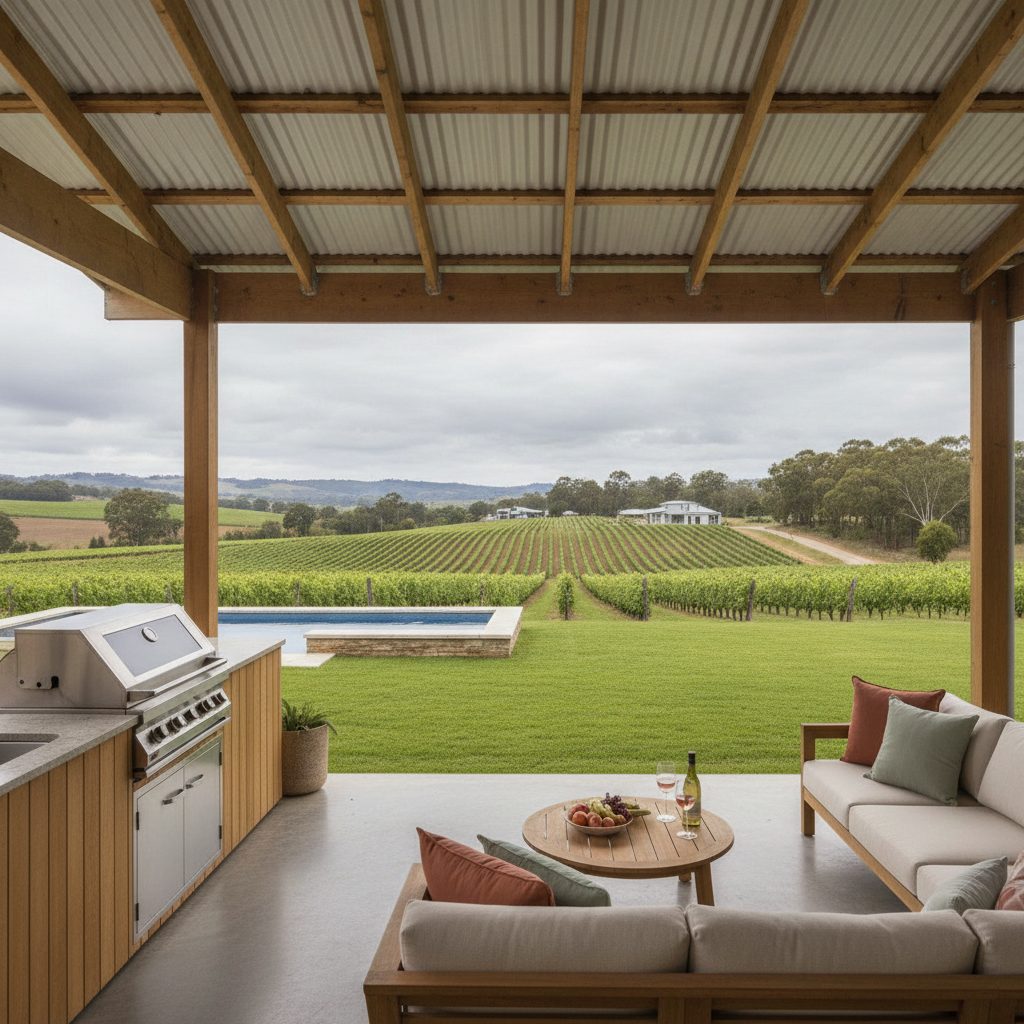
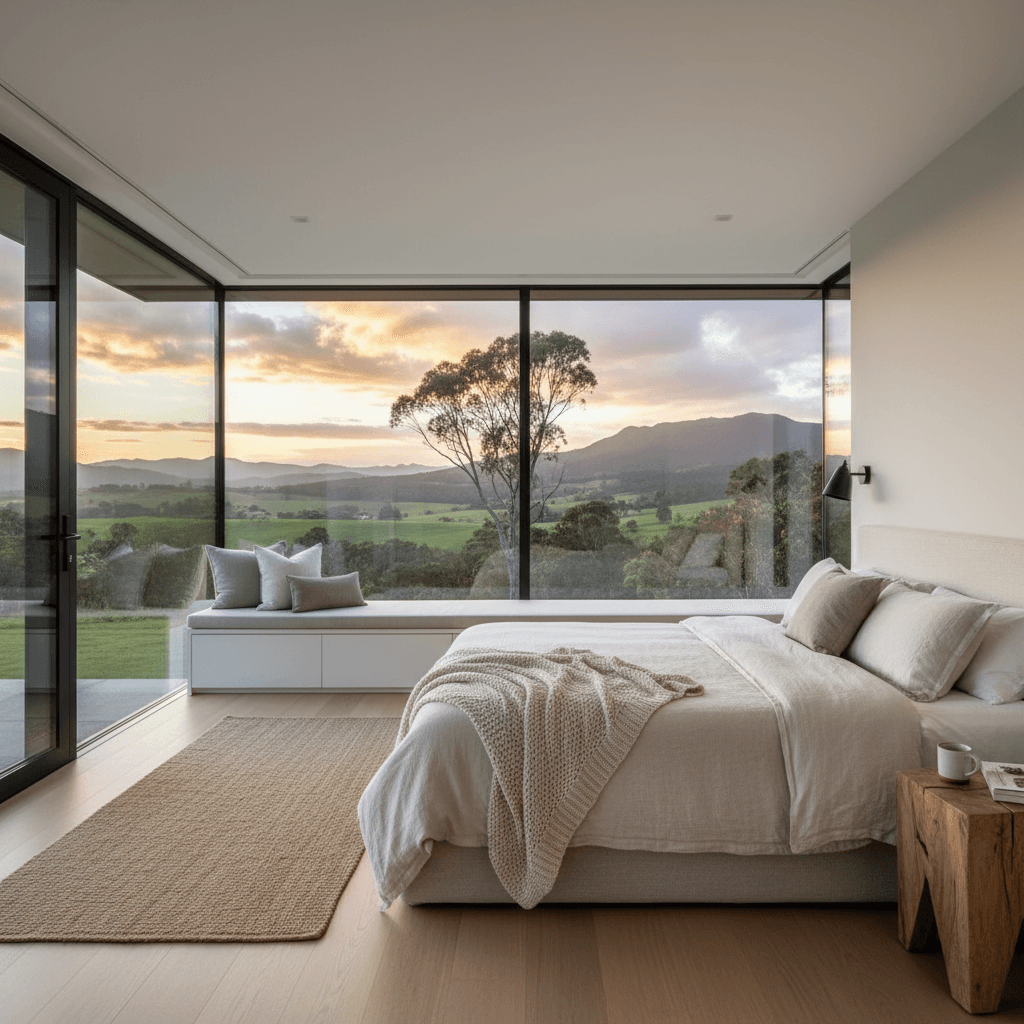
The aesthetic of the Australian kit home has evolved significantly. We have moved far beyond basic cabins. Today, the trend is toward Contemporary Australian Architecture, which blends industrial strength with organic beauty. Think wide skillion roofs that mimic the slope of the land, expansive glass sliding doors that blur the line between indoor and outdoor living, and deep wrap-around verandahs that offer a cool spot to watch the sun go down.
The flexibility of kit designs allows owner-builders to choose finishes that reflect the local environment. A home in the Snowy Mountains might feature darker, earthy tones and stone accents, while a coastal kit home might lean toward light timbers and crisp white steel roofing. The kit provides the high quality skeleton, including the frames, roofing, and cladding, but the soul of the home is added through your choice of fit-out and landscaping.
The Practicalities of Building Regionally
Logistics are often the biggest hurdle for regional builds. Tradies in small towns are often booked months in advance, and shipping individual components from multiple suppliers can lead to endless delays. A kit home simplifies this by delivering the core components, the frames, windows, doors, and roofing, in a coordinated package. This allows you to plan your build timeline with more certainty.
Owner Builder Tips for Project Management
Managing your own build requires a bit of grit and a lot of organization. Here is how to keep things moving:
- Vet Your Trades: Ask for recommendations at the local hardware store or cafe. In regional communities, reputation is everything.
- Sequence Your Work: Don't book the internal plasterers until the roof is on and the windows are in. A kit home makes this easier because the shell goes up relatively quickly.
- Stay On-Site: If possible, live nearby or set up a temporary dwelling on your land. Being present for daily deliveries and trade questions prevents small errors from becoming big headaches.
Technical Benefits: Why Steel Makes Sense
While the lifestyle is the drawcard, the technical advantages of steel construction shouldn't be overlooked. For a regional owner builder, ease of assembly is a massive plus. Steel frames are manufactured to millimetre precision. This means they arrive straight and true, unlike some timber products that can warp if left out in the elements. This precision makes the rest of the build easier, as your windows will fit perfectly and your walls will be square every time.
Additionally, the weight of steel makes it easier to handle on-site without heavy machinery in some instances. It is a durable, long lasting choice that stands up to the harsh Australian sun and driving rain, ensuring your tree-change home lasts for generations.
Creating a Home, Not Just a House
Ultimately, the move to a regional area is about quality of life. Kit homes empower Australians to create a space that is uniquely theirs without the cookie-cutter feel of suburban developments. Whether it is a small footprint cottage for a minimalist lifestyle or a large family homestead with room for the grandkids to run, the kit home model supports the diversity of Australian housing needs.
By taking on the role of the owner builder, you are investing your own time and energy into your community. You are likely to hire local electricians and plumbers, buy your supplies from the local timber yard, and become a part of the local fabric long before you even move in. That connection to the land and the community is what the tree-change is truly all about.
The Next Step in Your Regional Adventure
If you have been staring at maps of regional Australia and dreaming of a slower pace, perhaps it is time to look at the practicalities of making it happen. Building a kit home as an owner builder is a challenge, certainly, but it is also one of the most rewarding projects you will ever undertake. With high quality materials like BlueScope Steel frames and a clear plan in place, your dream home in the bush is closer than you think.
Remember, the best time to start planning was yesterday, but the second best time is today. Take the time to research, talk to other owner builders, and imagine the sunset from your new front porch. Australia is a big, beautiful country, and there is a perfect spot out there waiting for your new home.